JinjaDB

厄除け

Warding Off Misfortune

Yakuyoke prayers for protection from misfortune: counted-age tables, walk-in or reserved services, and different worship customs at shrines and temples.

These are places where this concern is part of the site’s own tradition. Practices differ between shrines and temples, and some shrines have their own sequence. Read the place’s own advice below and our guide to shrine and temple worship before visiting.

What a yakuyoke visit means

Yakuyoke is prayer for protection from misfortune. A yakudoshi is an age traditionally associated with greater vulnerability; this is a religious custom, not a prediction that something bad will happen to you.

If the age table matters to your visit, use the shrine's table for the current year. Tokyo Daijingu's 2026 table uses traditional counted age, with a person counted as one at birth, and marks the main year together with the year before and after it. It includes age 61 for women as well as men. A birthday-based age calculation can therefore send you to the wrong row.

Decide how you want to take part

You can pray at the offering box or enquire about a priest-led service in the hall. Tokyo Daijingu describes both. A paid service is not a requirement for an ordinary visit.

At Kanda Myojin in Tokyo, the published individual yakuyoke service is ¥10,000 or more, accepts up to two prayer requests, and does not require a reservation. Reception is 9:00–15:45. The shrine asks those entering the hall to avoid shorts and bare feet. Check its current prayer notice before going; grounds access and prayer reception are separate things.

For Koami Jinja, do not assume you can walk into a service because you can visit the precinct. Its prayer page describes reservations, but includes dated booking announcements. Check the current application instructions directly with the shrine before building a journey around a reserved slot.

The same wish does not mean the same gestures

At Usa Jingu, the official sequence is two bows, four claps, one bow. Its worship guide asks visitors to go to the upper shrine and then the lower shrine, visiting the three sanctuaries in order at each.

At Senso-ji, a Buddhist temple, the official English guide describes joining your palms in prayer to Kannon and reciting Namu Kanzeon Bosatsu. Use that temple's guidance rather than copying shrine claps. Each place below has a separate visiting guide because these differences matter at the altar.

Where to go

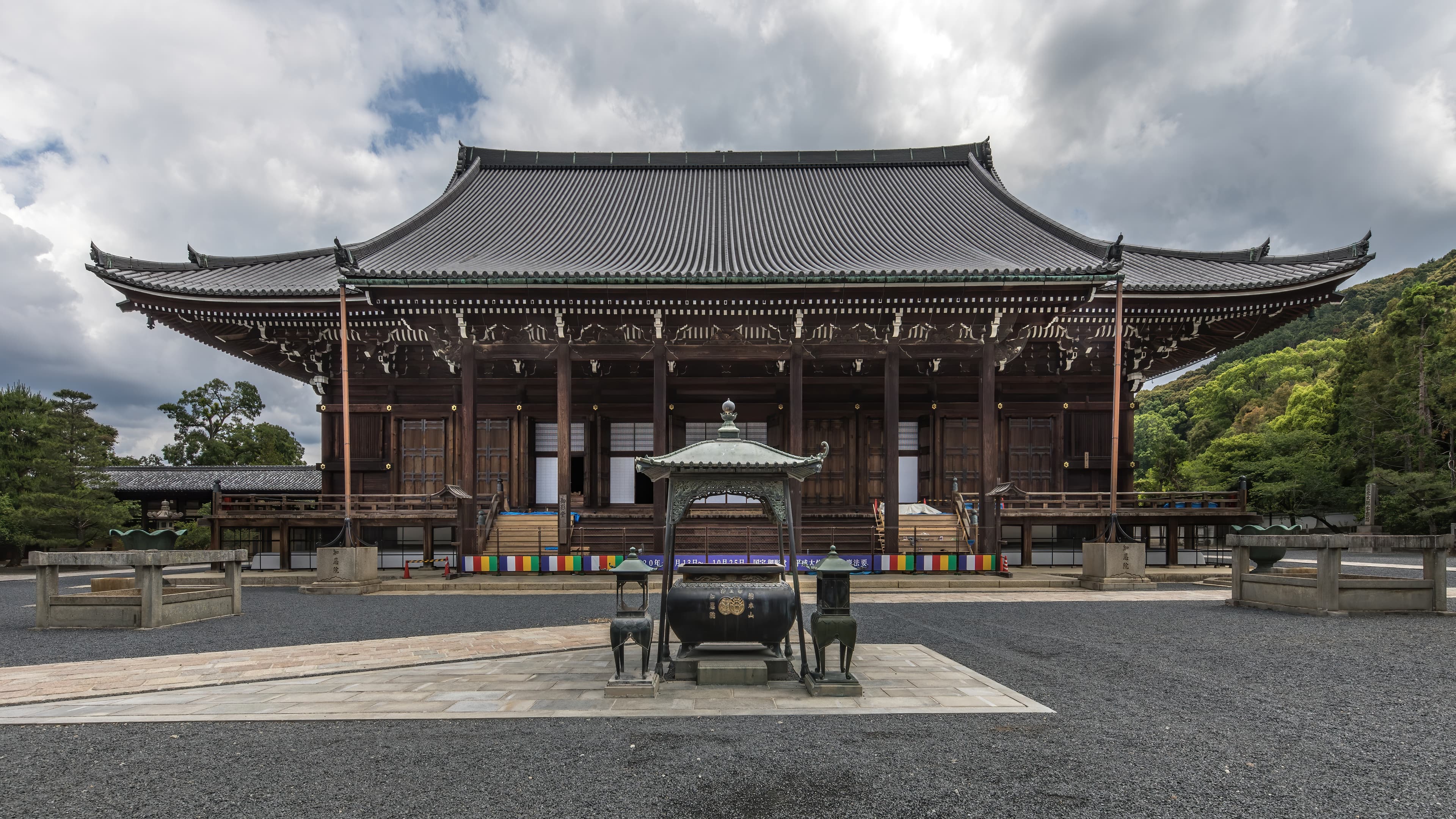
Chion-in Temple

Chion-in Temple

知恩院 · Kyoto, Kyoto

Kyoto's Jōdo-shū headquarters, where a free visit to Hōnen's hall, a separate garden ticket and an exact Nembutsu practice form one useful route.

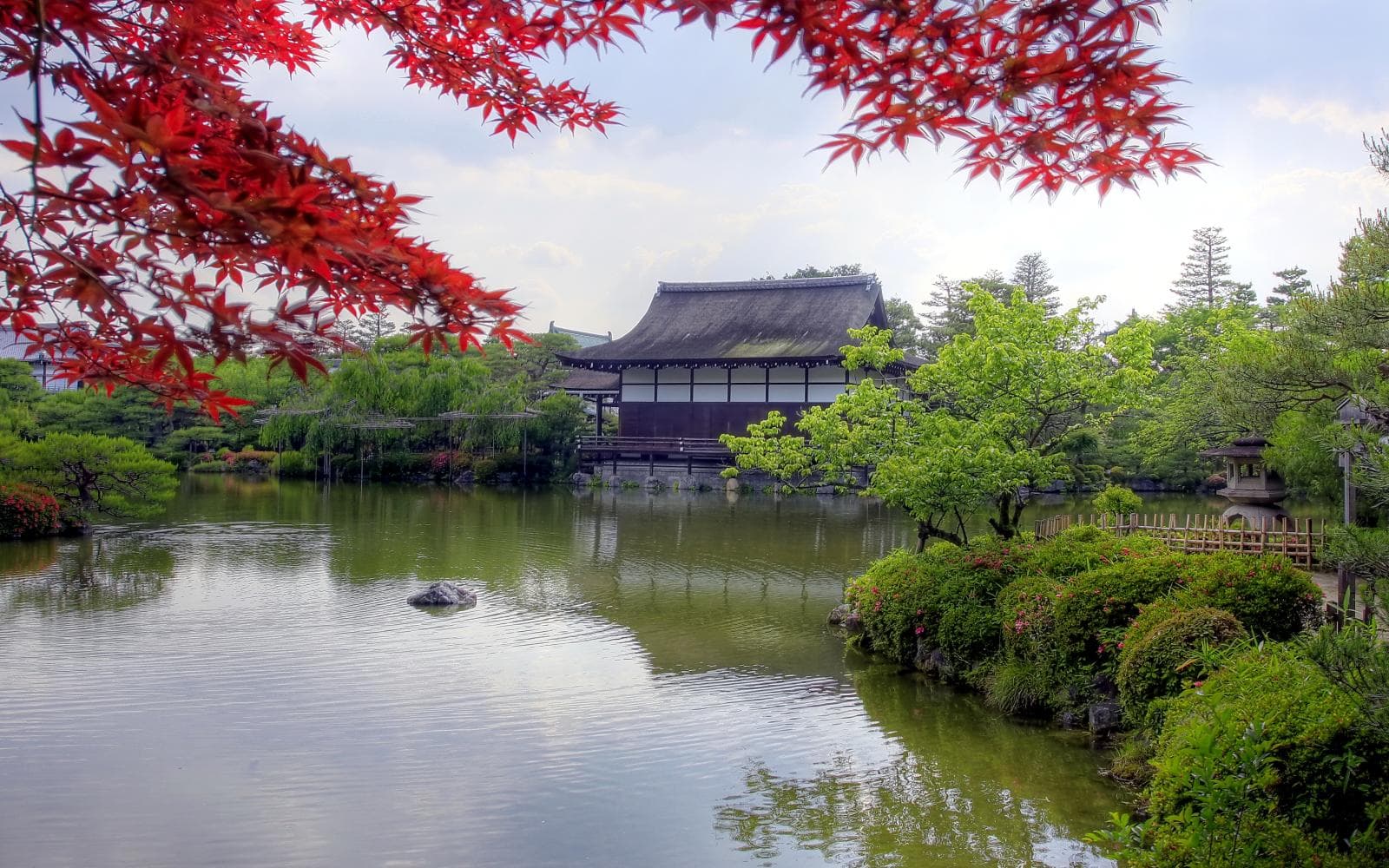
Heian Jingu Shrine

Heian Jingu Shrine

平安神宮 · Kyoto, Kyoto

A 5:8-scale reconstruction of Kyoto's ancient State Hall, where the shrine courtyard is free and the four landscape gardens are a separate visit.

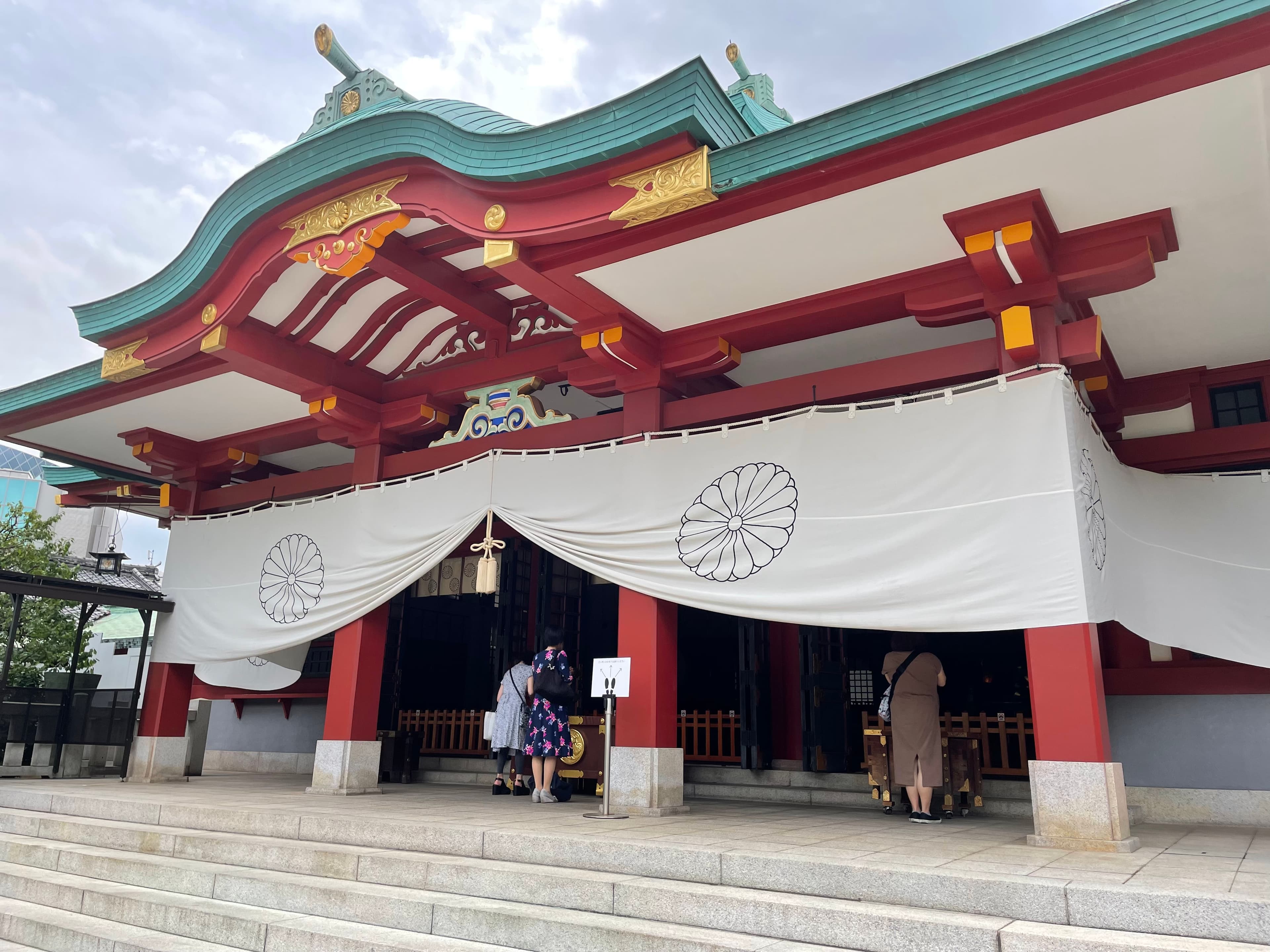
Hie Shrine

Hie Shrine

日枝神社 · Tokyo, Tokyo

A hilltop shrine in Nagatacho where the stairs, the escalator and the paired sacred monkeys are all part of the visit.

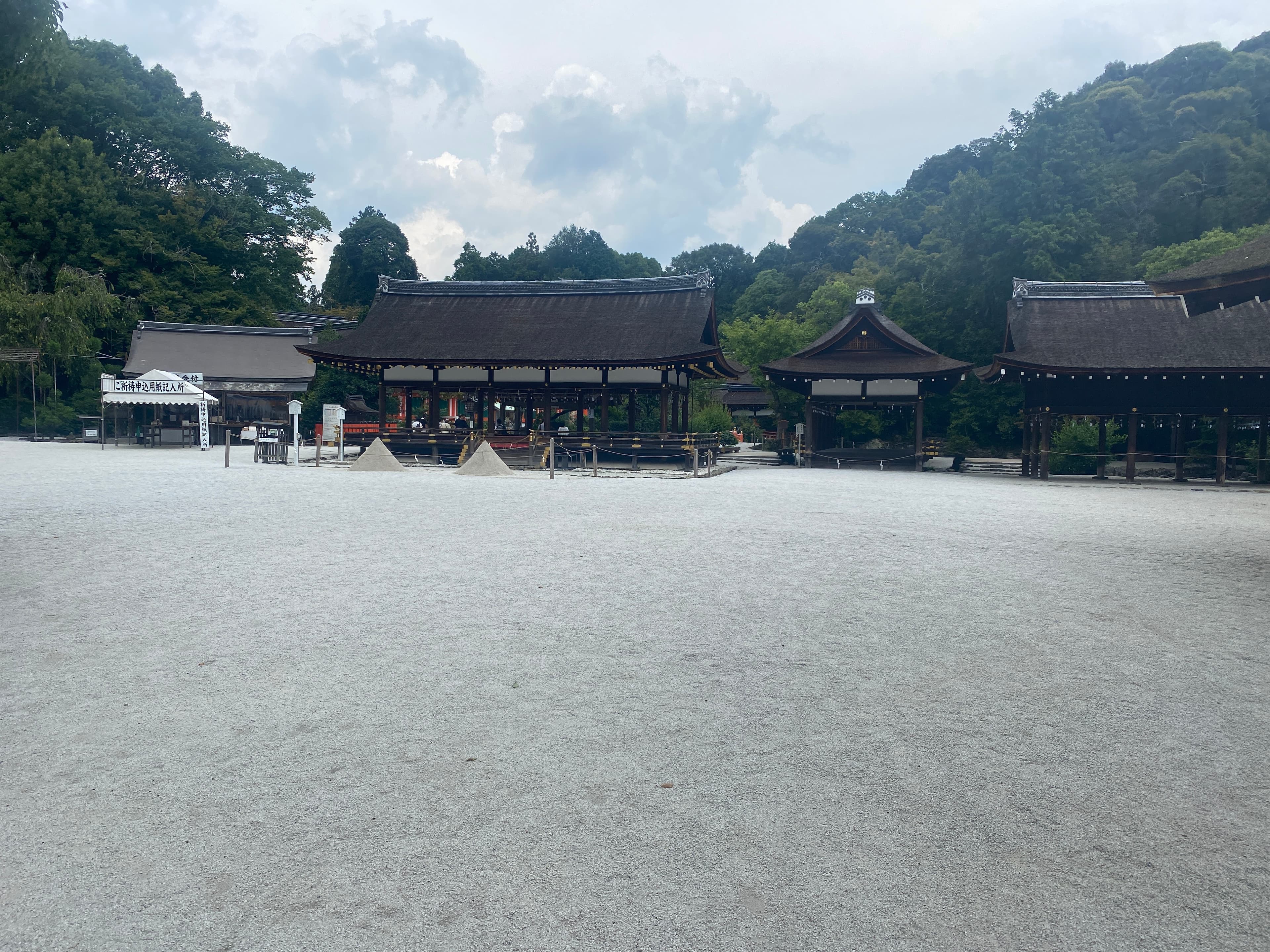
Kamigamo Shrine

Kamigamo Shrine

賀茂別雷神社(上賀茂神社) · Kyoto, Kyoto

Kyoto's upper Kamo shrine, where two sand cones mark the mountain's presence and a paid inner-court visit changes what you can actually see.

Kitano Tenmangu

Kitano Tenmangu

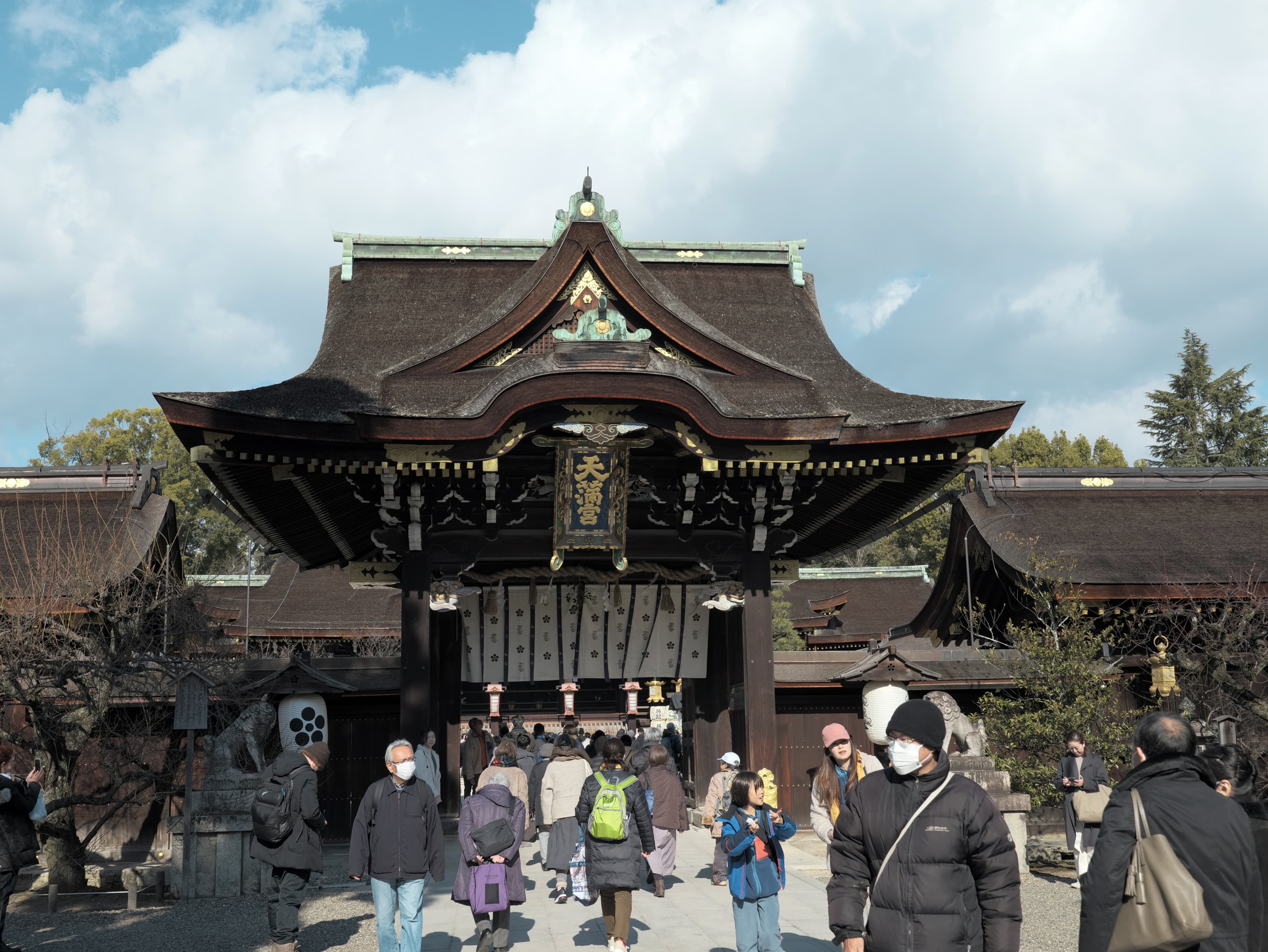
北野天満宮 · Kyoto, Kyoto

Kyoto's Tenjin shrine, where an academic prayer, a touchable ox and a large monthly market all occupy the same grounds.

Kitazawa Hachiman Jinja

Kitazawa Hachiman Jinja

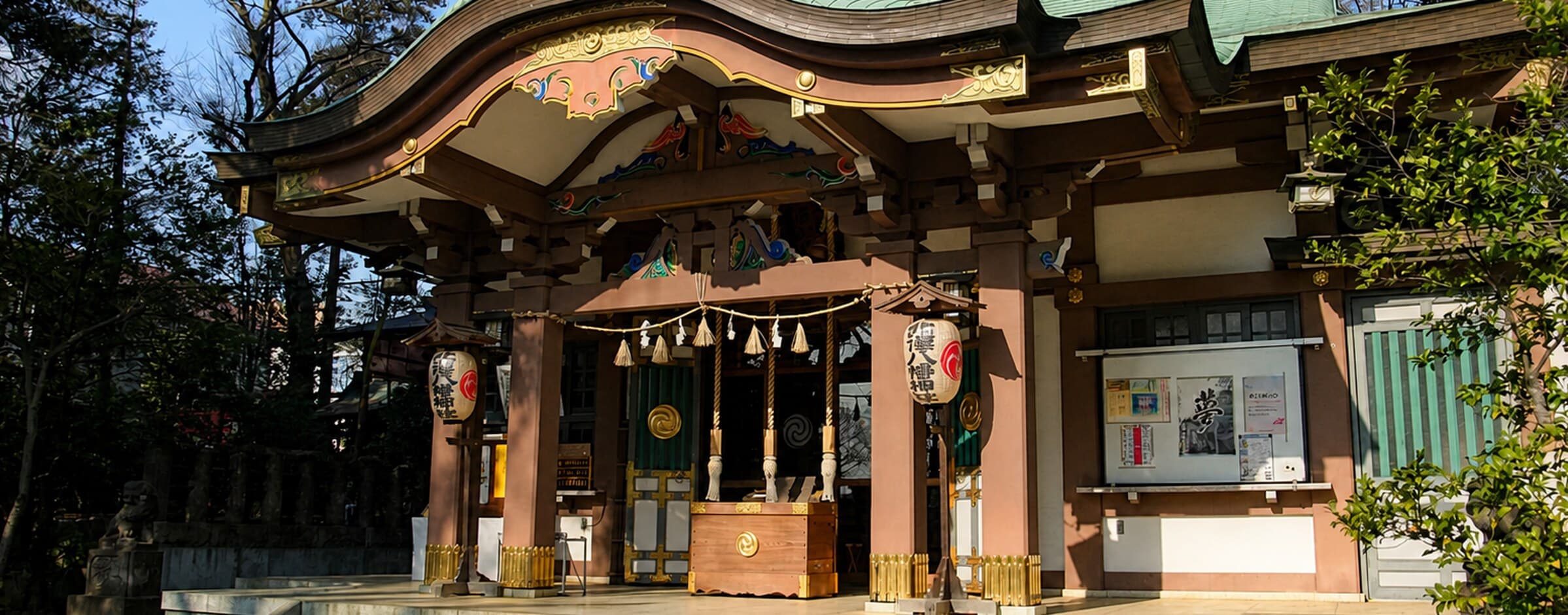
北澤八幡神社 · Setagaya, Tokyo

Shimokitazawa's guardian shrine, where an old neighborhood mikoshi system, a Fuji worship platform and the district's performing-arts culture occupy the same hillside.

Koami Jinja

Koami Jinja

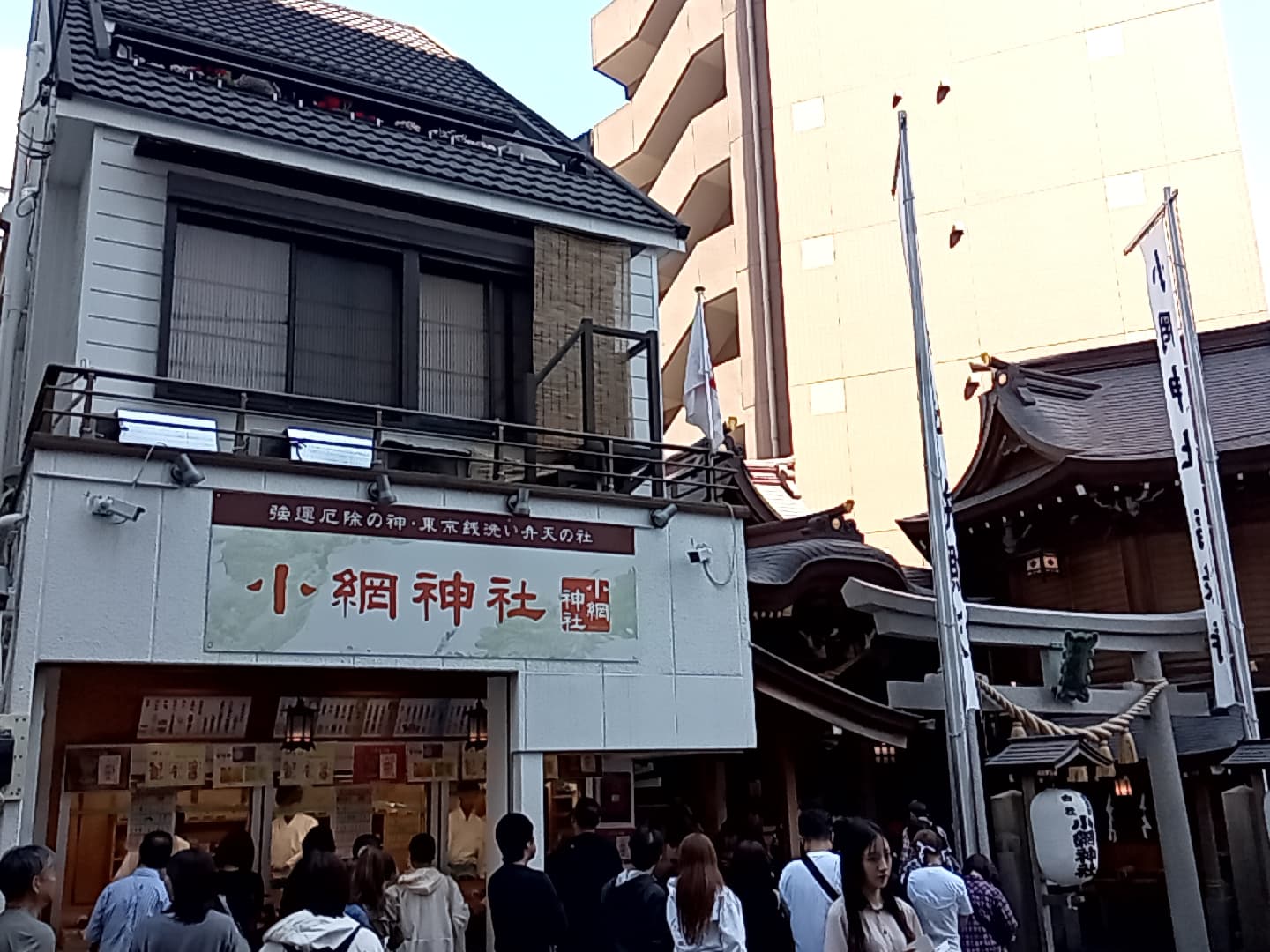
小網神社 · Chuo, Tokyo

A tiny Nihonbashi shrine with a reputation for strong luck built on two documented survivals — and a coin-washing well that is the reason most people come.

Nezu Shrine

Nezu Shrine

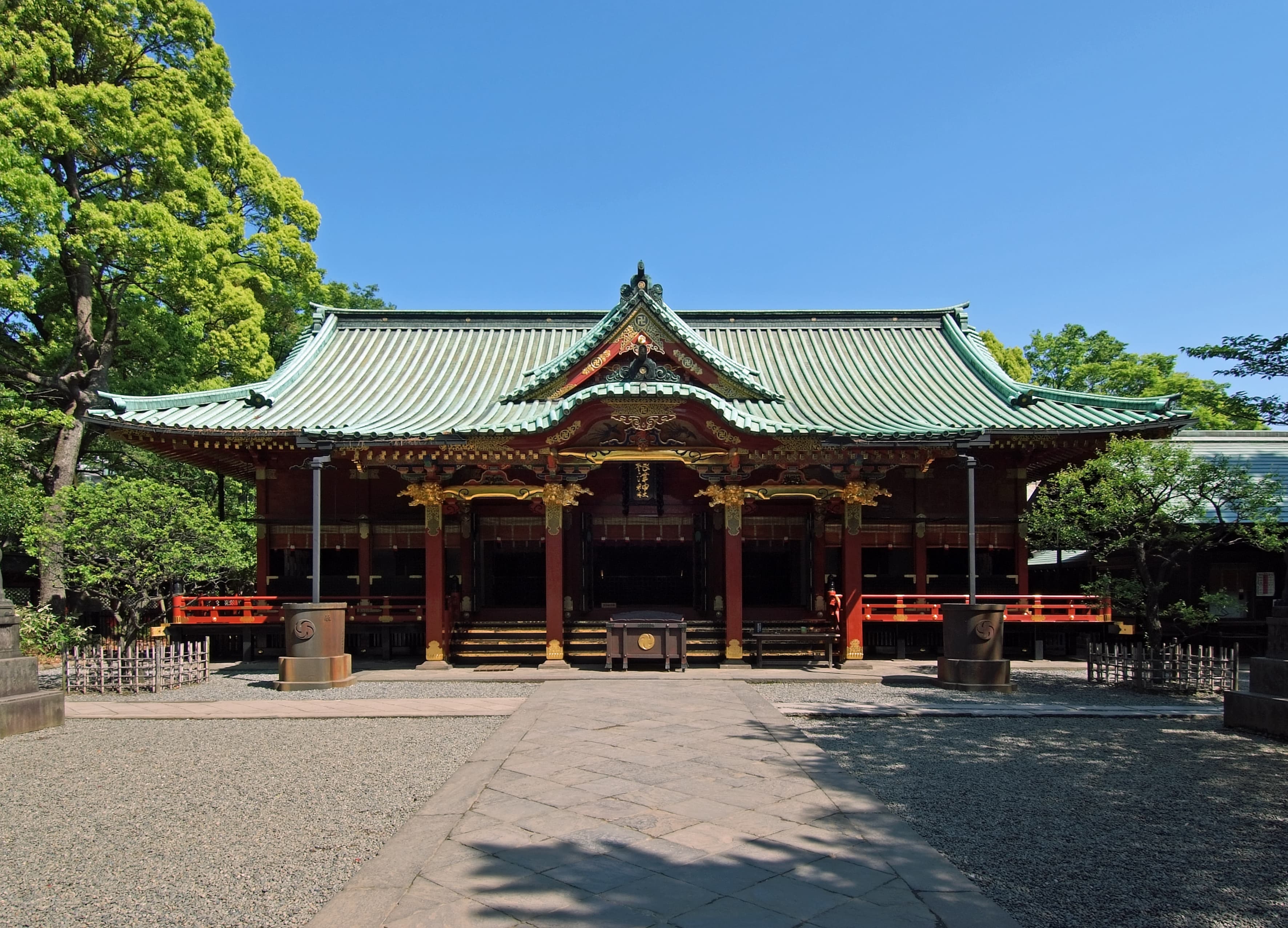
根津神社 · Tokyo, Tokyo

A richly carved Edo-period shrine where a red-torii path, a separate Inari shrine and a working counter each ask you to slow down.

Nonomiya Shrine

Nonomiya Shrine

野宮神社 · Kyoto, Kyoto

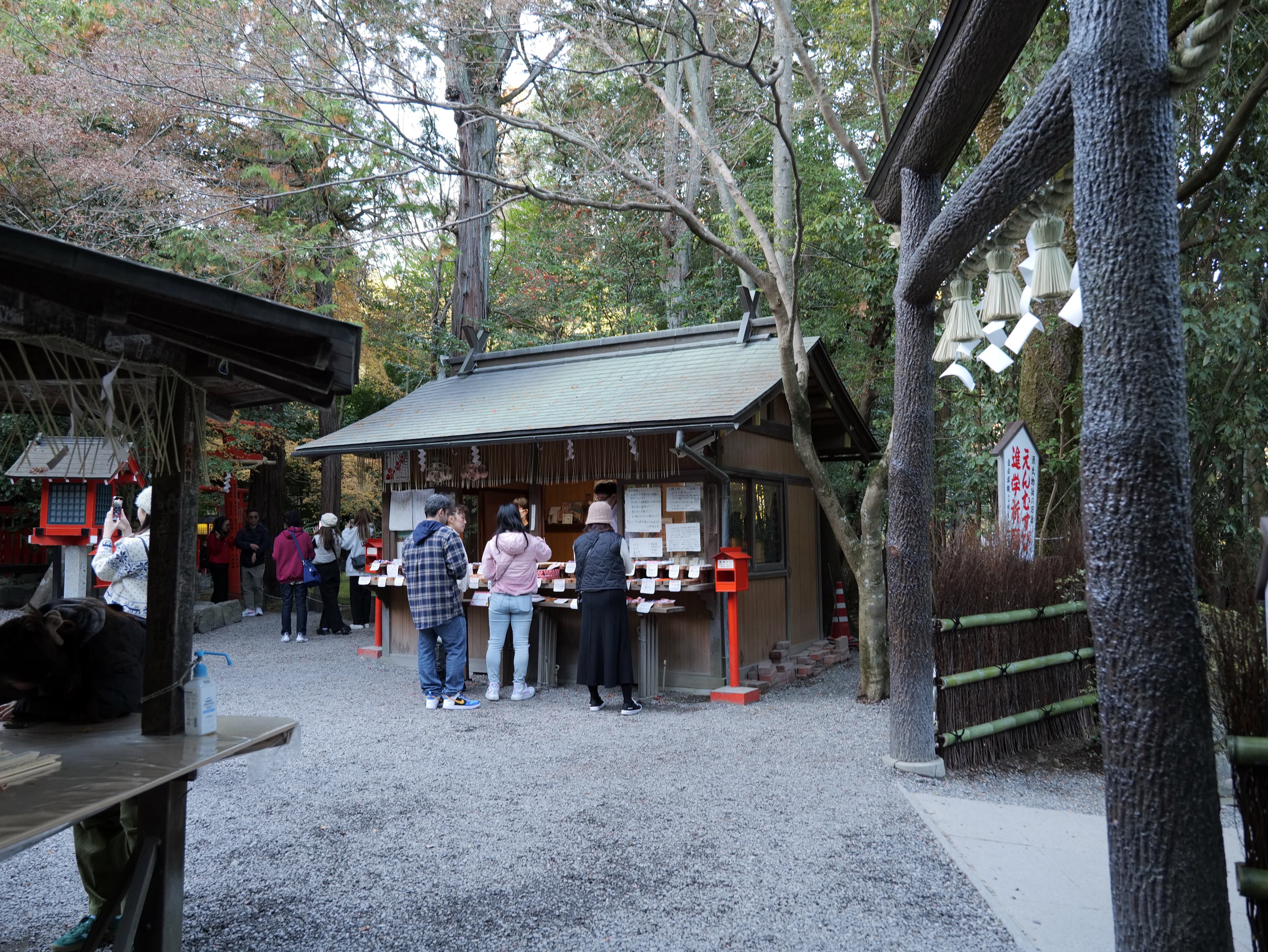
A black-wood torii at the start of Sagano, where the shrine's own route ends at a turtle stone after separate prayers to each local deity.

Oyama Afuri Jinja

Oyama Afuri Jinja

大山阿夫利神社 · Isehara, Kanagawa

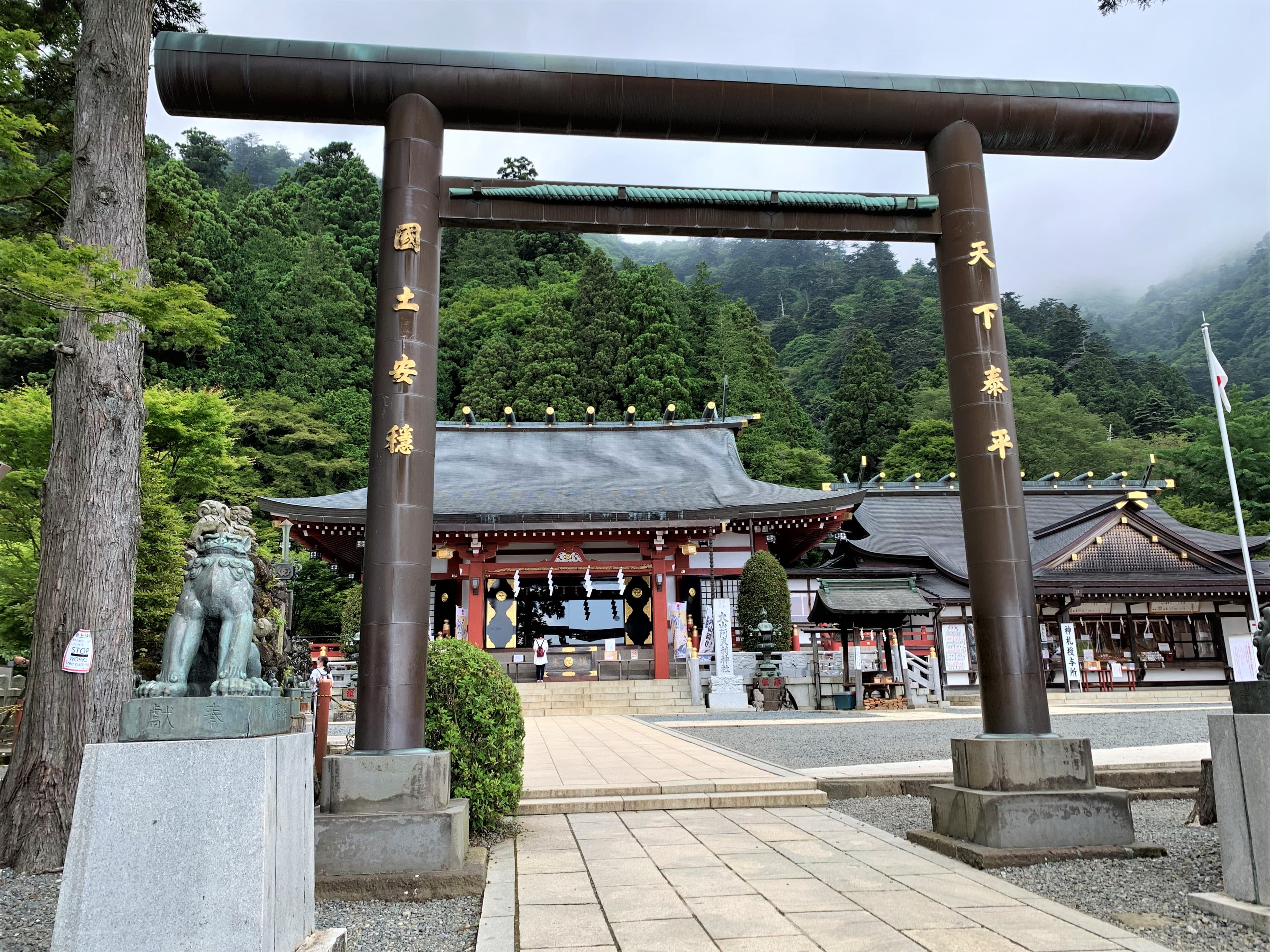
A mountain shrine ninety minutes from Tokyo where the lower hall is a cable-car ride and the upper hall is a two-hour climb — and the difference matters.

Senso-ji

Senso-ji

浅草寺 · Taito, Tokyo

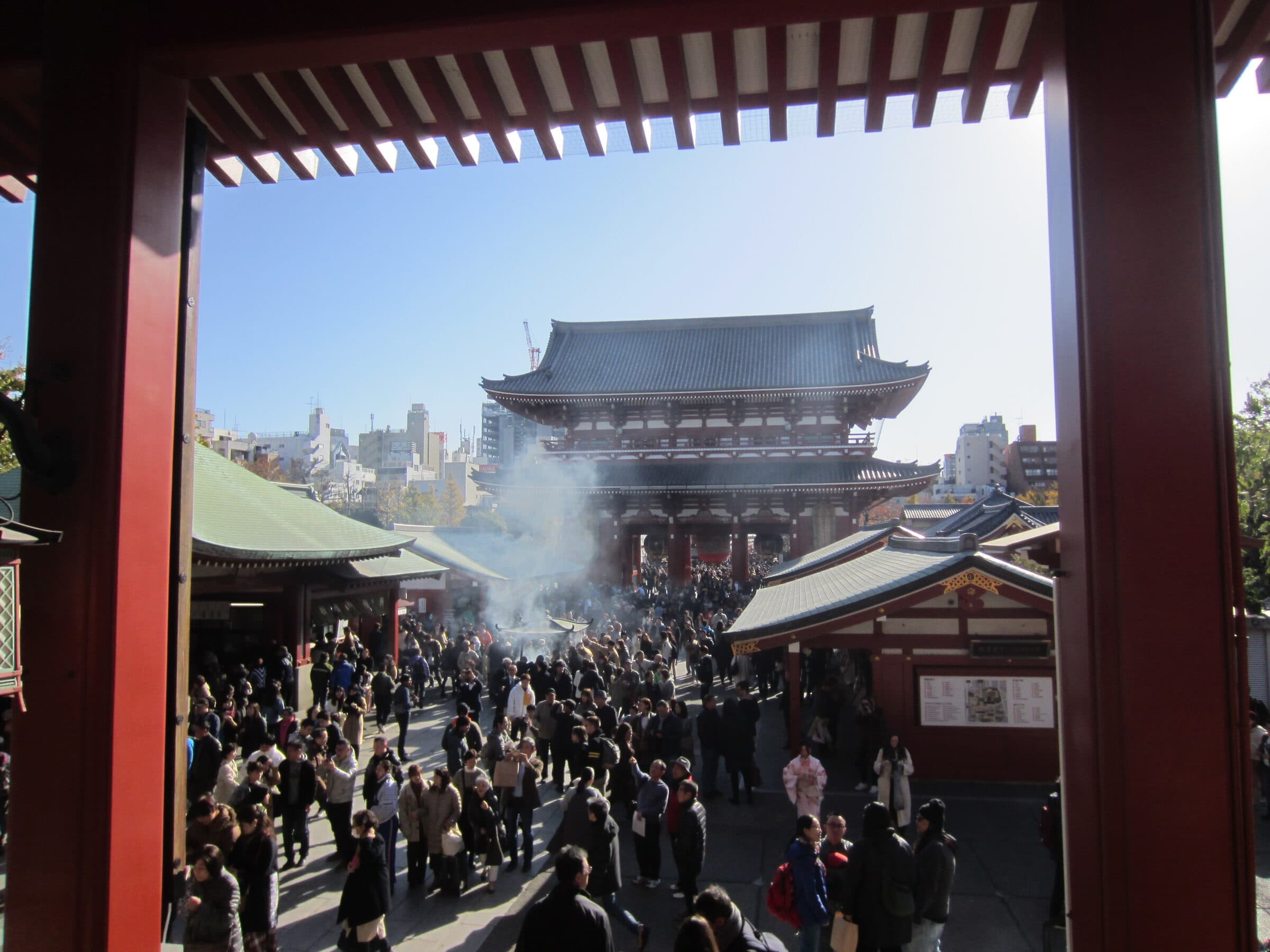
Tokyo's oldest temple, thirty million visitors a year — and almost all of them stop at the offering box without realising they are allowed to go inside.

Shirayama Hime Jinja

Shirayama Hime Jinja

白山比咩神社 · Hakusan, Ishikawa

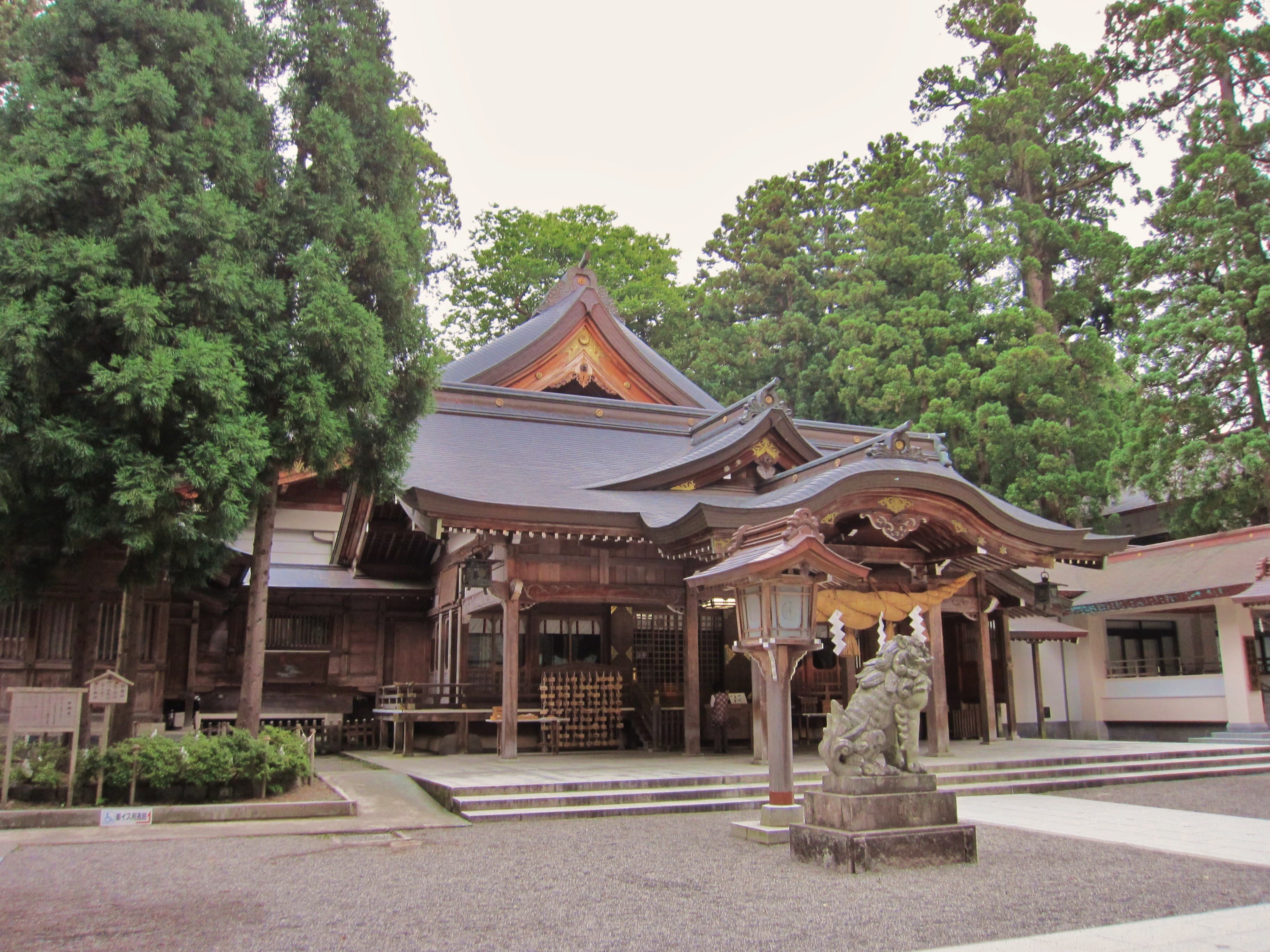
Head shrine of some three thousand Hakusan shrines, at the foot of a sacred mountain — and one of the few places that still offers misogi, cold-water ablution, as a standing rite.

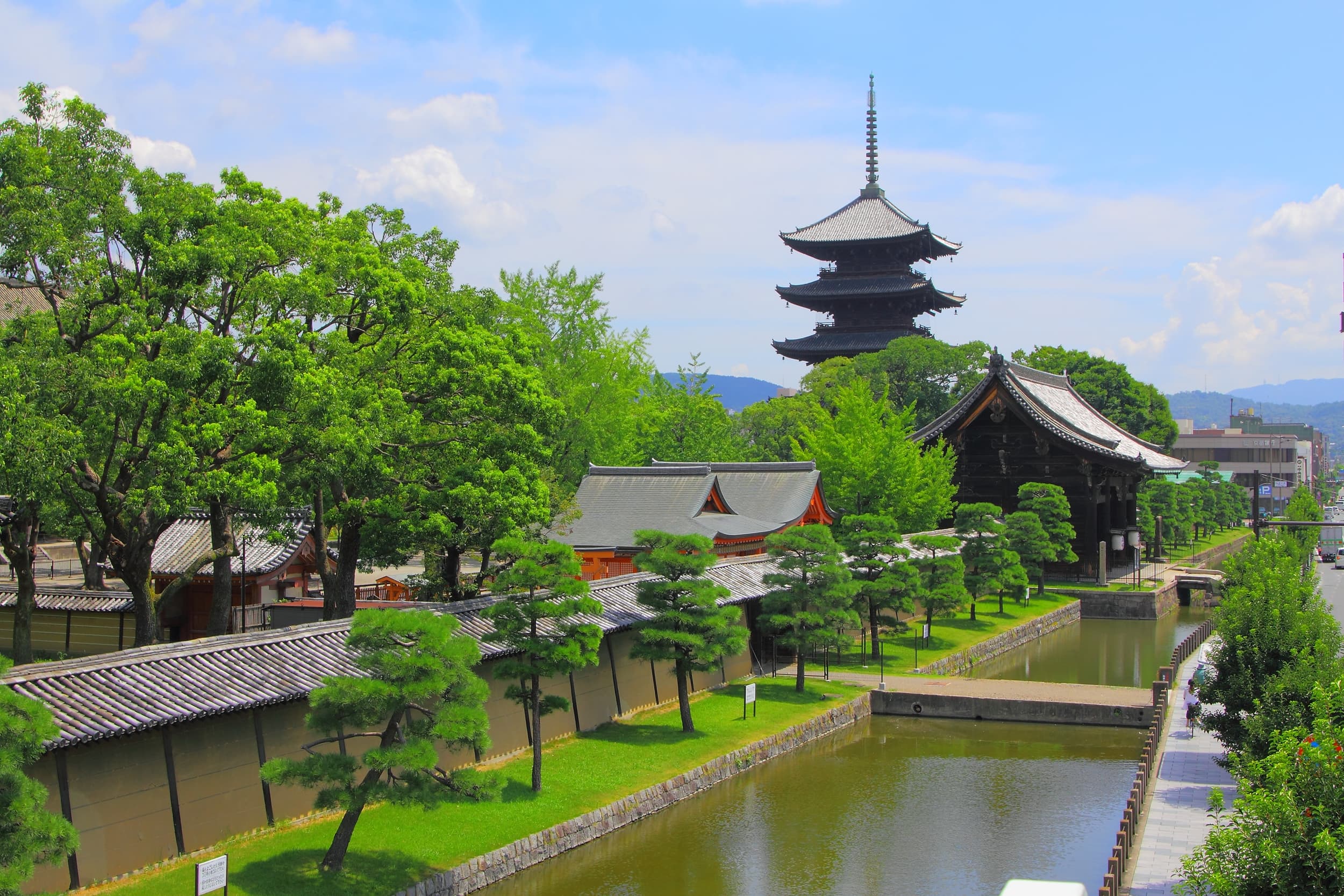
To-ji Temple

To-ji Temple

東寺(教王護国寺) · Kyoto, Kyoto

Kyoto's last surviving trace of Heian-kyō, where a free visit to Kūkai's home and a paid three-dimensional mandala are two different experiences.

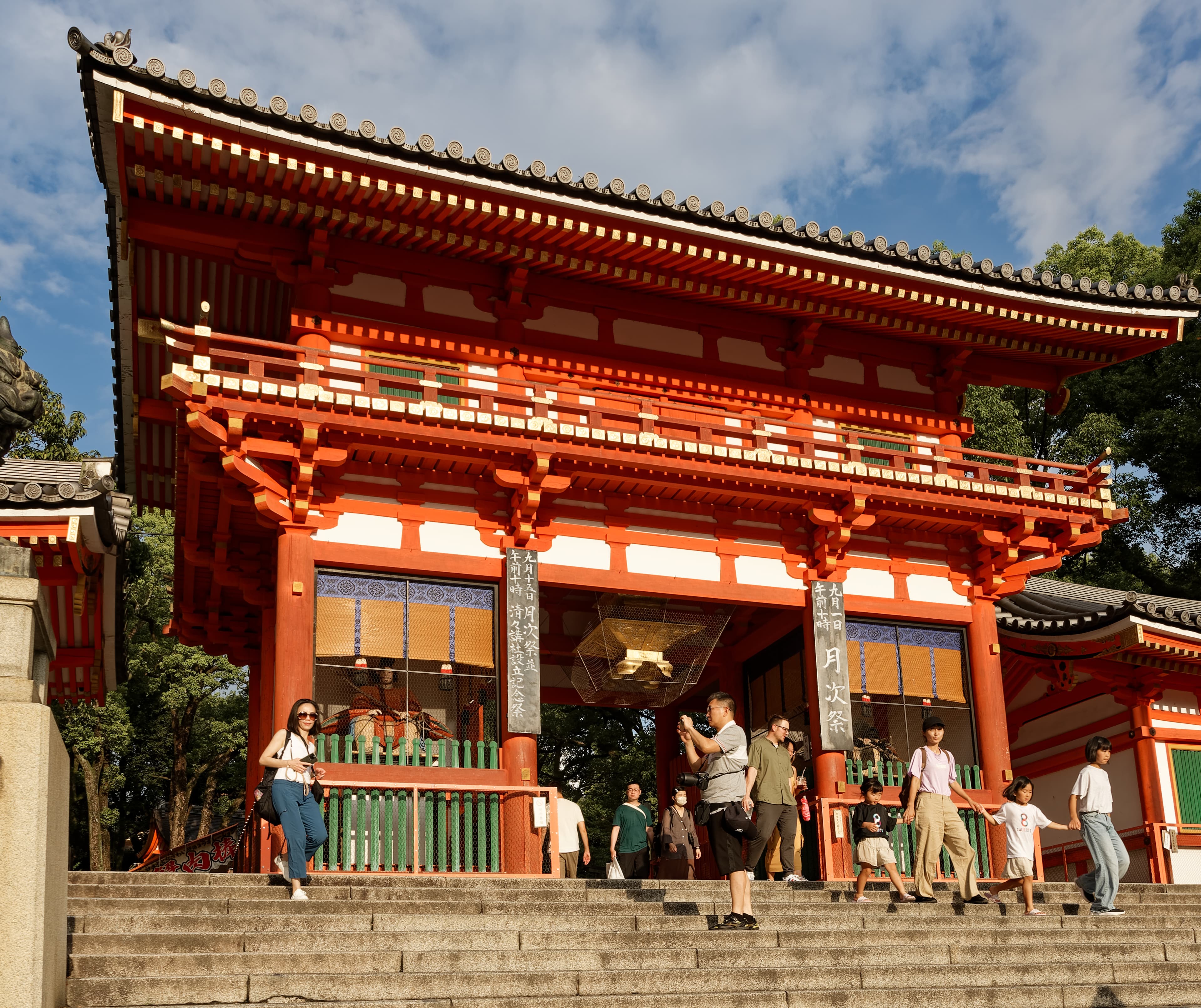
Yasaka Shrine

Yasaka Shrine

八坂神社 · Kyoto, Kyoto

Gion's open-all-night shrine, where the gate, the prayer office and the seal desk each keep a different clock.

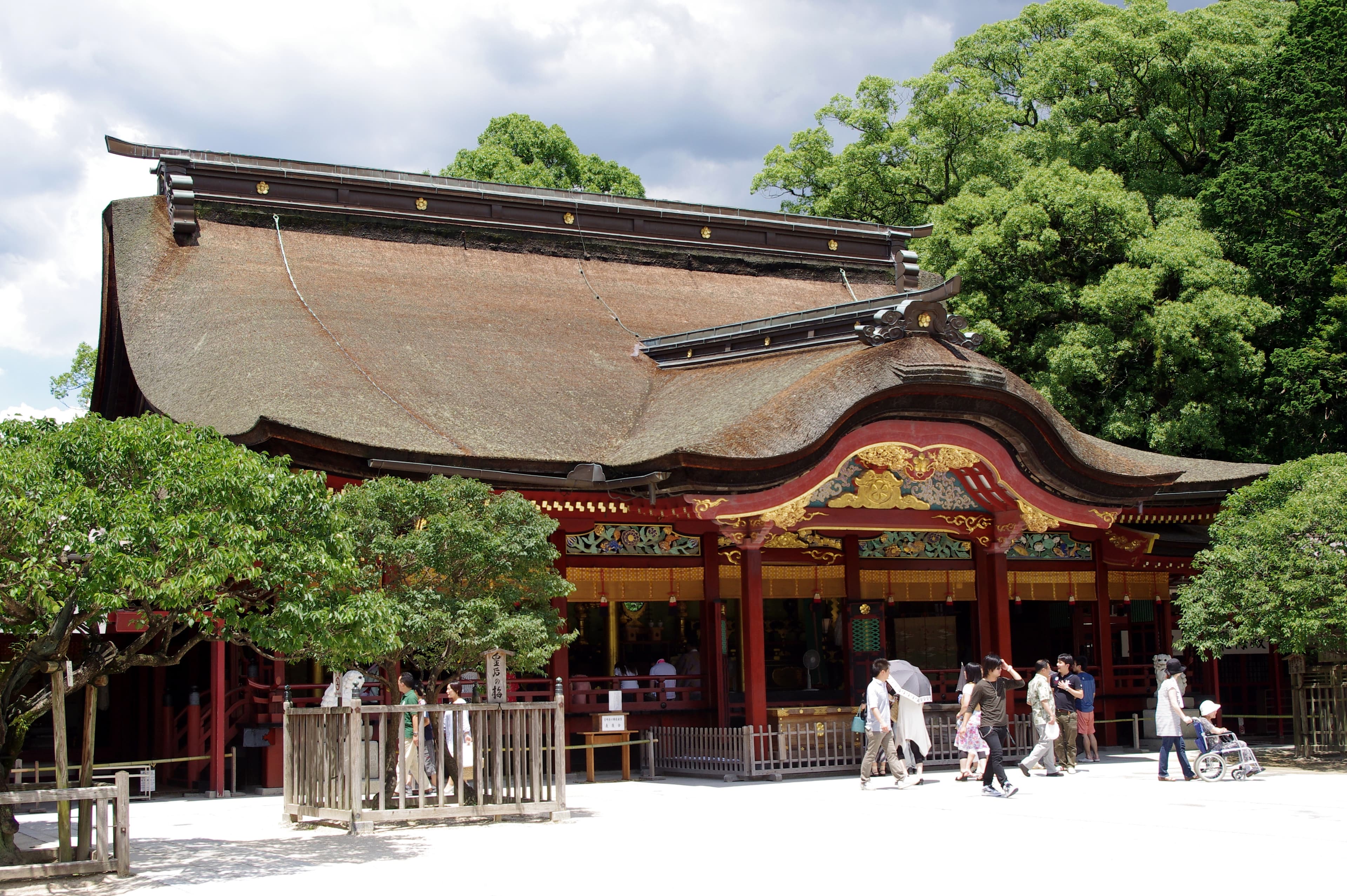
Dazaifu Tenmangu

Dazaifu Tenmangu

partial

太宰府天満宮 · Dazaifu, Fukuoka

The head shrine of every Tenmangu in Japan, built over the grave of an exiled scholar — and currently mid-way through the end of a 124-year restoration.

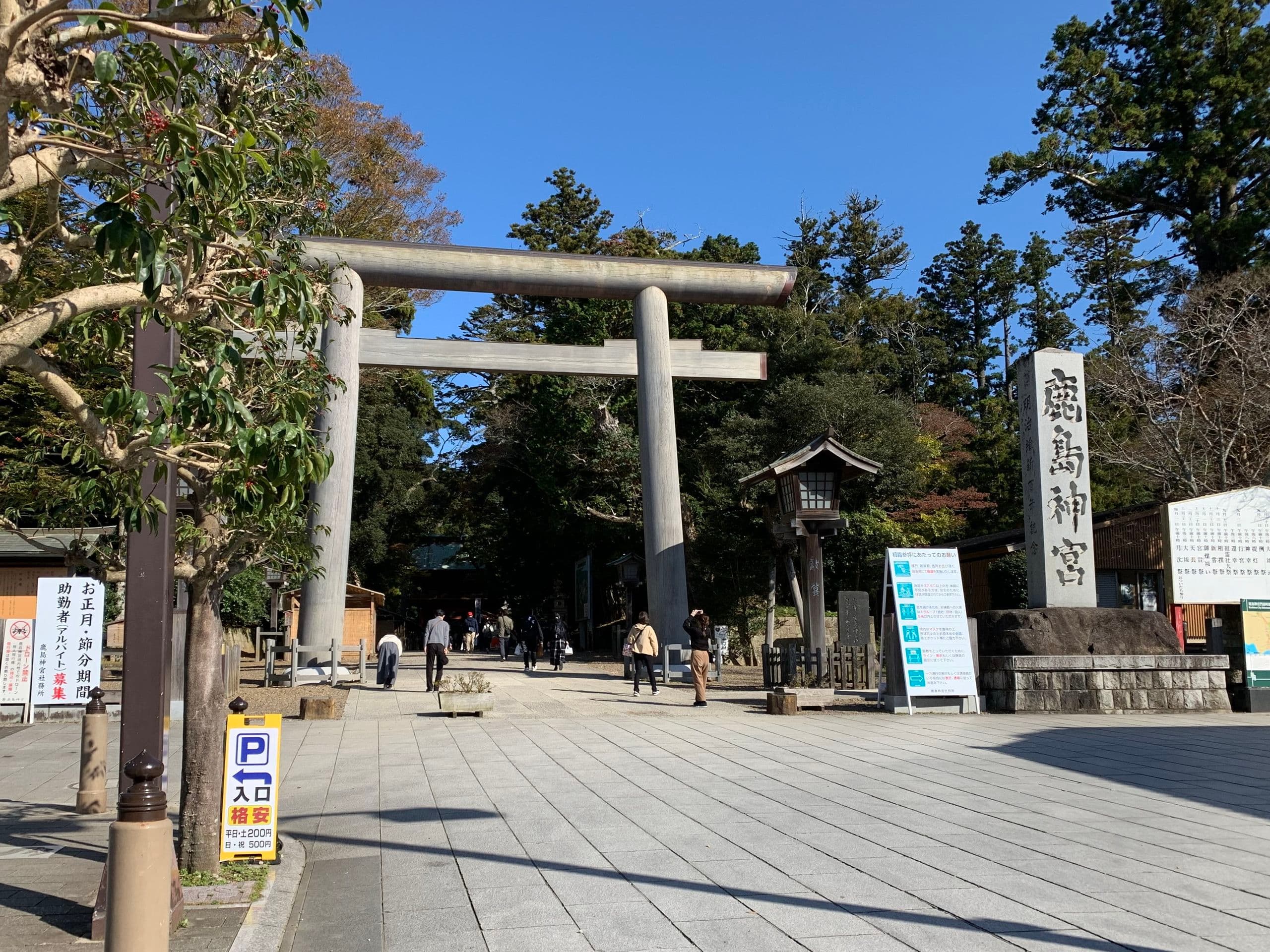
Kashima Jingu

Kashima Jingu

partial

鹿島神宮 · Kashima, Ibaraki

A vast forest shrine to the sword-and-thunder kami, where a stone said to pin down the earthquake catfish sits at the end of a 700-metre cedar path.

Zōjō-ji Temple

Zōjō-ji Temple

partial

増上寺 · Tokyo, Tokyo

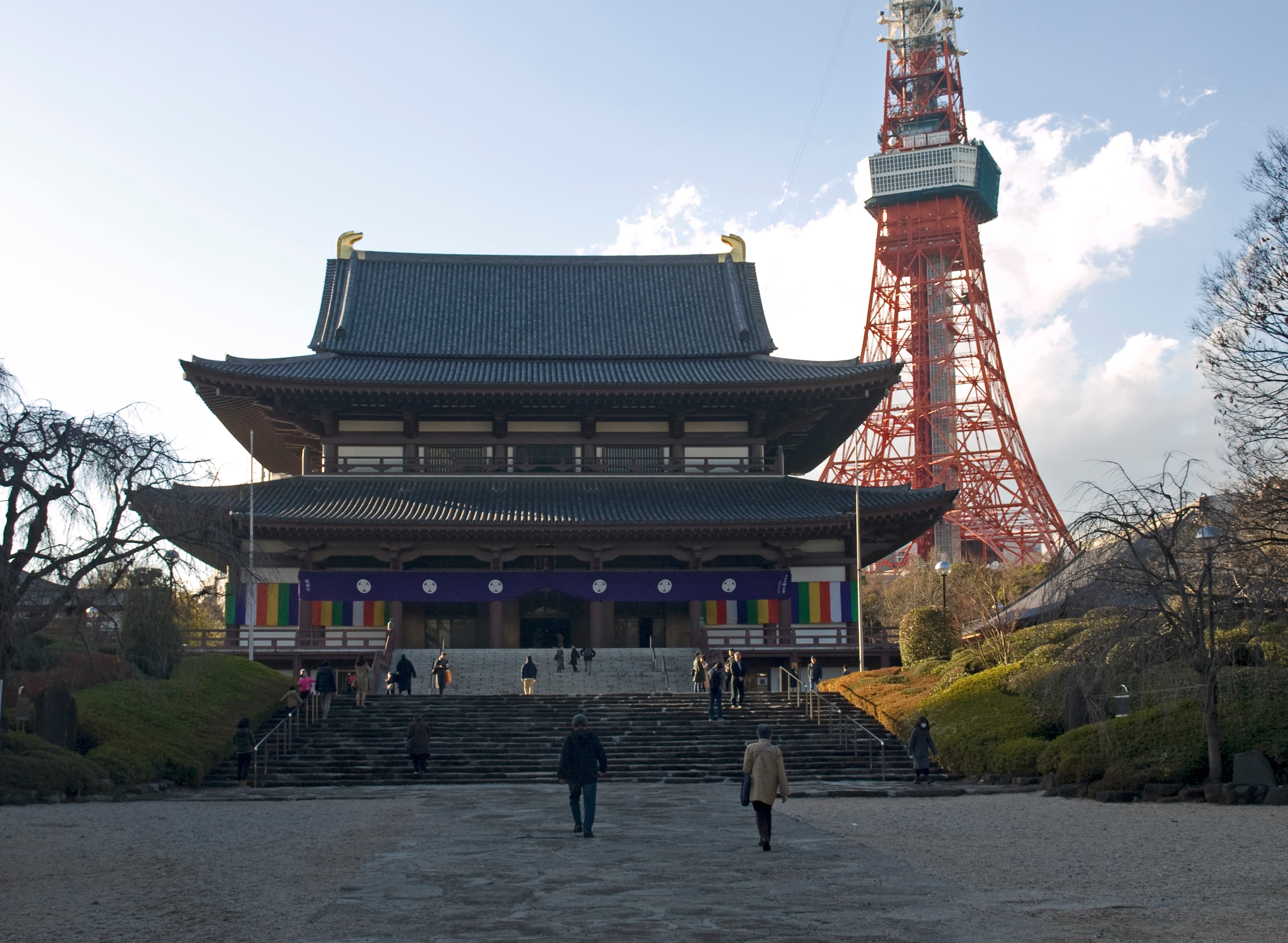
A Jōdo temple where the route from the old gate to the Amida hall, the Tokugawa graves and the seal counter are three different visits.