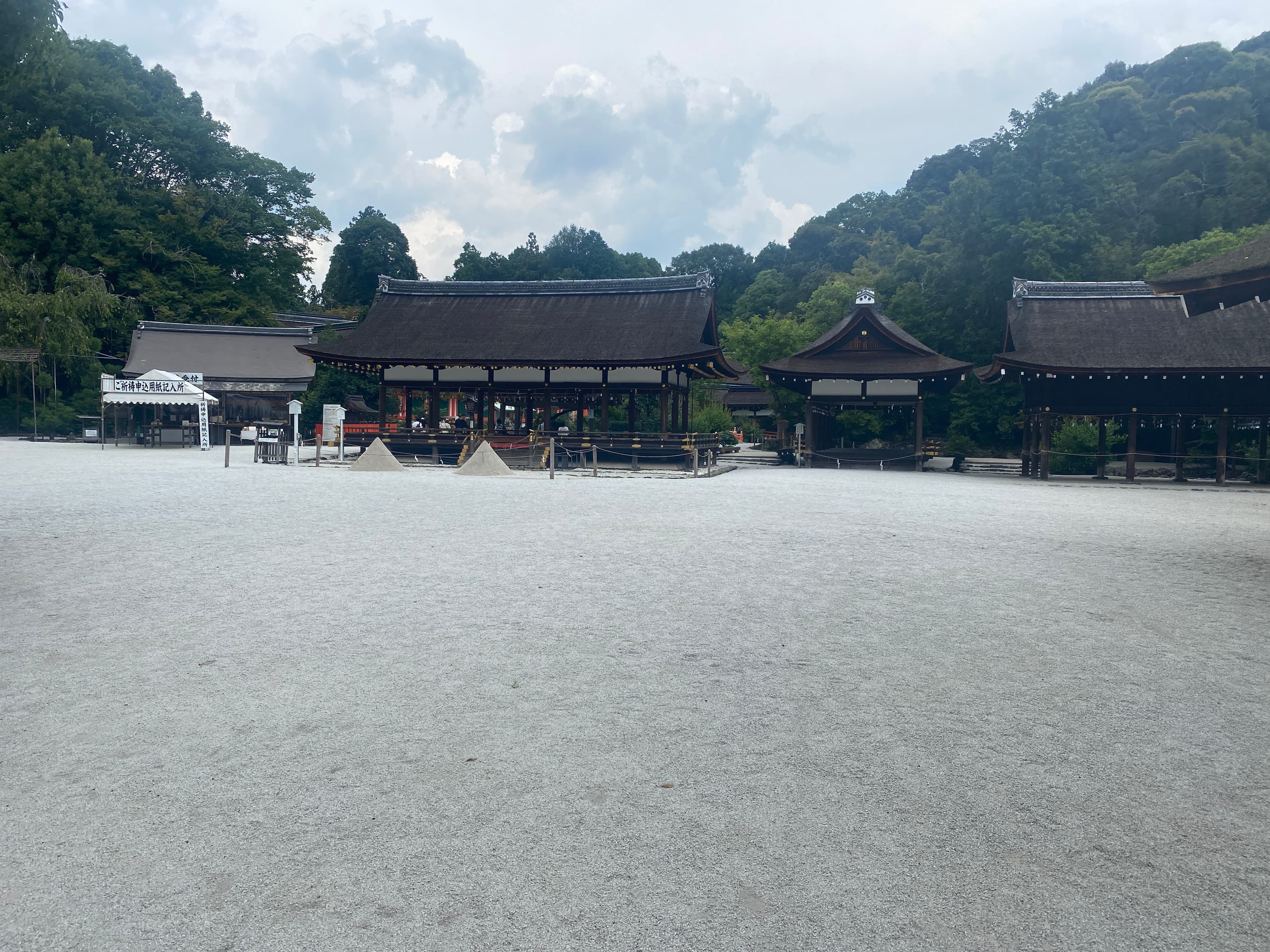
Kamigamo Shrine
賀茂別雷神社(上賀茂神社)
Kyoto, Kyoto · Shinto shrine
Kyoto's upper Kamo shrine, where two sand cones mark the mountain's presence and a paid inner-court visit changes what you can actually see.
Kamigamo Shrine is the common name for Kamo Wakeikazuchi Jinja, formally Kamo Wakeikazuchi Shrine. Its principal deity is Kamo Wakeikazuchi-no-Okami, whom the shrine says descended on nearby Mount Koyama. The precinct contains two National Treasure buildings, forty-one Important Cultural Properties and the full World Heritage designation as part of Historic Monuments of Ancient Kyoto.
This is a shrine of layers rather than one open building. The space inside the Ninotorii is available from early morning, while the Romon and授与所 open later and close earlier. The inner court in front of the honden and gonden is not part of ordinary worship: the shrine's special visit takes visitors there after a purification and adds an explanation of the Kamo myth and access to the Takakura-den treasure display.
The first subsidiary shrine near the Romon is Katayama-miko-sha, or Kataoka-sha. The shrine associates it with Kamo Tamayorihime-no-Mikoto and with bonds, childbearing and safe birth. That is a distinct place within the precinct, not a second name for the main honden.
Which kami is enshrined here
- Kamo Wakeikazuchi-no-Okami 賀茂別雷大神
- The principal deity of Kamigamo Shrine. The shrine's myth says he descended on Mount Koyama, the mountain to the north-west of the main sanctuary.
- Kamo Tamayorihime-no-Mikoto 賀茂玉依姫命
- The deity of the first subsidiary shrine, Katayama-miko-sha (Kataoka-sha), not the principal deity of the main honden. The shrine associates her with bonds, childbearing and safe birth.
Take part
What you can actually do here
See what ordinary worship cannot show
The inner court (naitei) is the defining practical distinction here. Ordinary visitors worship from outside its boundary. The shrine's regular National Treasure special visit takes you through a purification in the Naorai-den and into the inner court, where you stand before the National Treasure honden and its companion gonden. The visit also includes the Takakura-den, where the shrine displays treasures and a picture connected with Emperor Komei's visit.
In ordinary periods the special visit is listed at ¥500 for an adult, received 10:00–16:00. The shrine warns that it is often paused or changed for shrine duties and special projects. During the 2026 Kyoto Summer Travel opening, the public rate is different and the regular special visit is not offered.
Start with the tatezuna
In front of the Hosodono are two cone-shaped piles of sand called tatezuna. The shrine explains them as a remnant of the ancient practice of modelling Mount Koyama, where the deity is said to have descended. They are a visual and ritual marker of this shrine's landscape, not an object to touch or climb.
Kataoka-sha: a separate place for a bond
Near the Romon, Katayama-miko-sha is the first subsidiary shrine. Its official page describes Kamo Tamayorihime-no-Mikoto as the mother of Kamigamo's principal deity and records long-standing devotion for bonds, childbearing and safe birth. The page also records a tradition connecting Murasaki Shikibu with the shrine. A bond ema is ¥500, and the page lists a Kataoka-sha goshuin at ¥1,000. These are the offerings and traditions of this subsidiary shrine; no outcome is guaranteed.
The crows come on 9 September
The annual Karasu-zumo follows the Choyo ceremony on 9 September. The shrine's schedule describes the Tonedo's crow calls and gestures at the sumo ring before children perform the bouts, with the Saiō-dai attending. The 2026 event was held on 9 September and is now over; Kyoto City's event listing marked it finished.
Etiquette
Where this place differs
Use the ordinary Shinto sequence at the main sanctuary: two bows, two claps and one bow. The inner court is entered only through the shrine's special-visit arrangement; do not cross its boundary during an ordinary visit.
The shrine asks for advance permission for photography in the grounds and for drones above the grounds, including outside festival hours. The special-visit page also asks visitors not to photograph or eat during the special visit. Treat the tatezuna and shrine buildings as things to look at, not to handle.
Kataoka-sha's bonds, childbearing and safe-birth associations are its own local tradition. Keep them separate from the main shrine's published御神徳 of protection from calamity, directional harm, lightning and other dangers.
New to this? Read the full worship sequence first.
Goshuin
Getting the seal here
The shrine's public pages identify a 授与所 with opening hours of 8:00–16:45, but they do not publish a separate regular goshuin desk, ordinary main-shrine seal price, direct-writing rule or paper-only rule. Start by asking at the授与所 after worship rather than treating its general counter hours as a confirmed goshuin window.
One concrete seal is published on the shrine's Katayama-miko-sha page: the Kataoka-sha goshuin is ¥1,000. The official page does not state its reception format or a separate time. The same page lists the Kataoka-sha bond ema at ¥500.
Before you go
The two gates do not keep the same clock. You can enter the area inside the Ninotorii at 5:30, but the Romon and授与所 do not open until 8:00. A dawn walk therefore does not mean that the counter or the inner court is available.
Special-visit dates matter. The 2026 Kyoto Summer Travel opening has a separate ¥800/¥400 rate and a published pause on 8–10 September; 11 September is a shortened day with the public opening ending at 12:30 and last reception at 12:00. Check the current event notice before planning the National Treasure visit.
The 2026 Karasu-zumo took place on 9 September and is past. Do not present that year's date as a daily activity. Photography and drone use require advance permission under the shrine's published rule, and the inner court remains a special-visit area.
Map
Sources
This page draws on the following sources, most of them in Japanese.
- 賀茂別雷神社(上賀茂神社) — 上賀茂神社について
- 賀茂別雷神社 — 御由緒と御神紋
- 賀茂別雷神社 — 御神話
- 賀茂別雷神社 — 境内案内
- 賀茂別雷神社 — 参拝・御祈祷のご案内
- 賀茂別雷神社 — 国宝本殿 特別参拝
- 賀茂別雷神社 — 授与品
- 賀茂別雷神社摂社 片山御子神社(片岡社)
- 賀茂別雷神社 — アクセス
- 賀茂別雷神社 — 上賀茂神社のひととせ
- 賀茂別雷神社 — 公式サイト(2026年9月の公式SNS表示を含む)
- 賀茂別雷神社 — 公式Instagram
- 京都市公式 京都観光Navi — 賀茂別雷神社(上賀茂神社)
- 國學院大學デジタル・ミュージアム — 賀茂別雷神社
- 京都市公式 京都観光Navi — 重陽神事と烏相撲(2026年)
- 京都市公式 京都観光Navi — 第51回京の夏の旅 上賀茂神社 本殿・権殿
- 賀茂別雷神社 — official English access guide
Others people visit for the same reasons
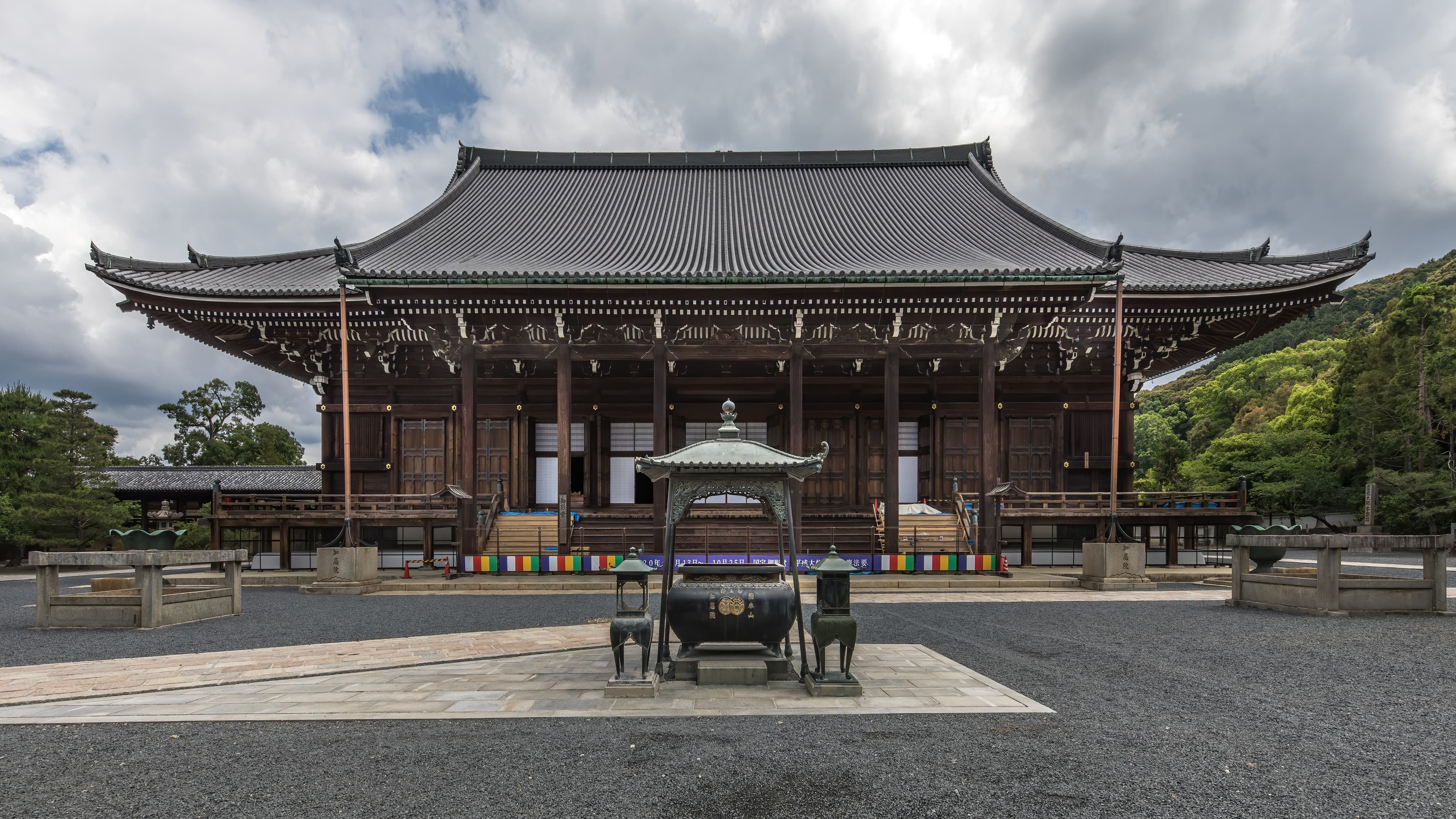
Chion-in Temple
知恩院 · Kyoto, Kyoto
Kyoto's Jōdo-shū headquarters, where a free visit to Hōnen's hall, a separate garden ticket and an exact Nembutsu practice form one useful route.
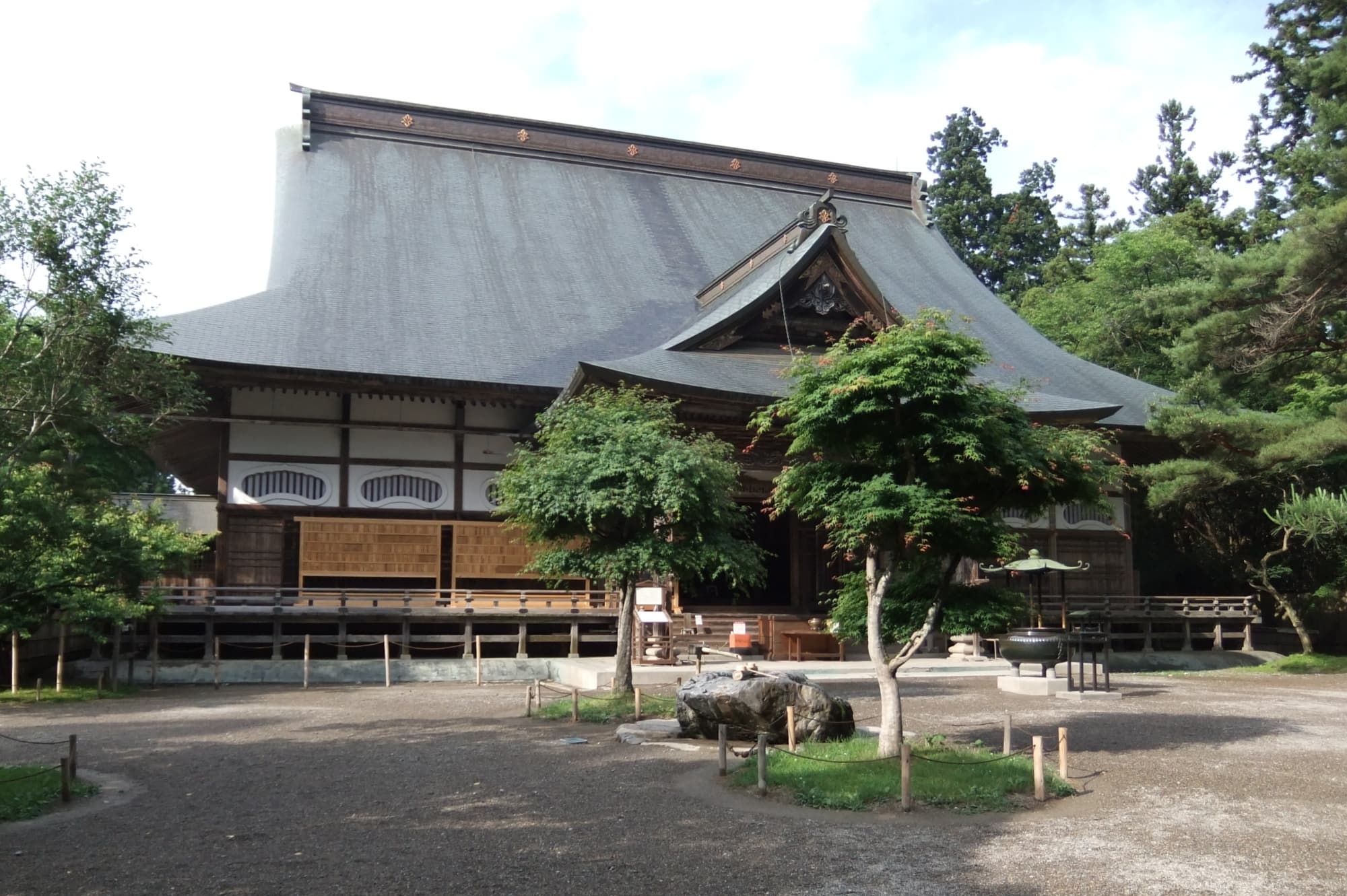
Chuson-ji
中尊寺 · Hiraizumi, Iwate
A World Heritage Tendai temple whose golden hall was raised in 1124 as a vow for the repose of the dead of both sides in a war — and it is a temple, so do not clap.
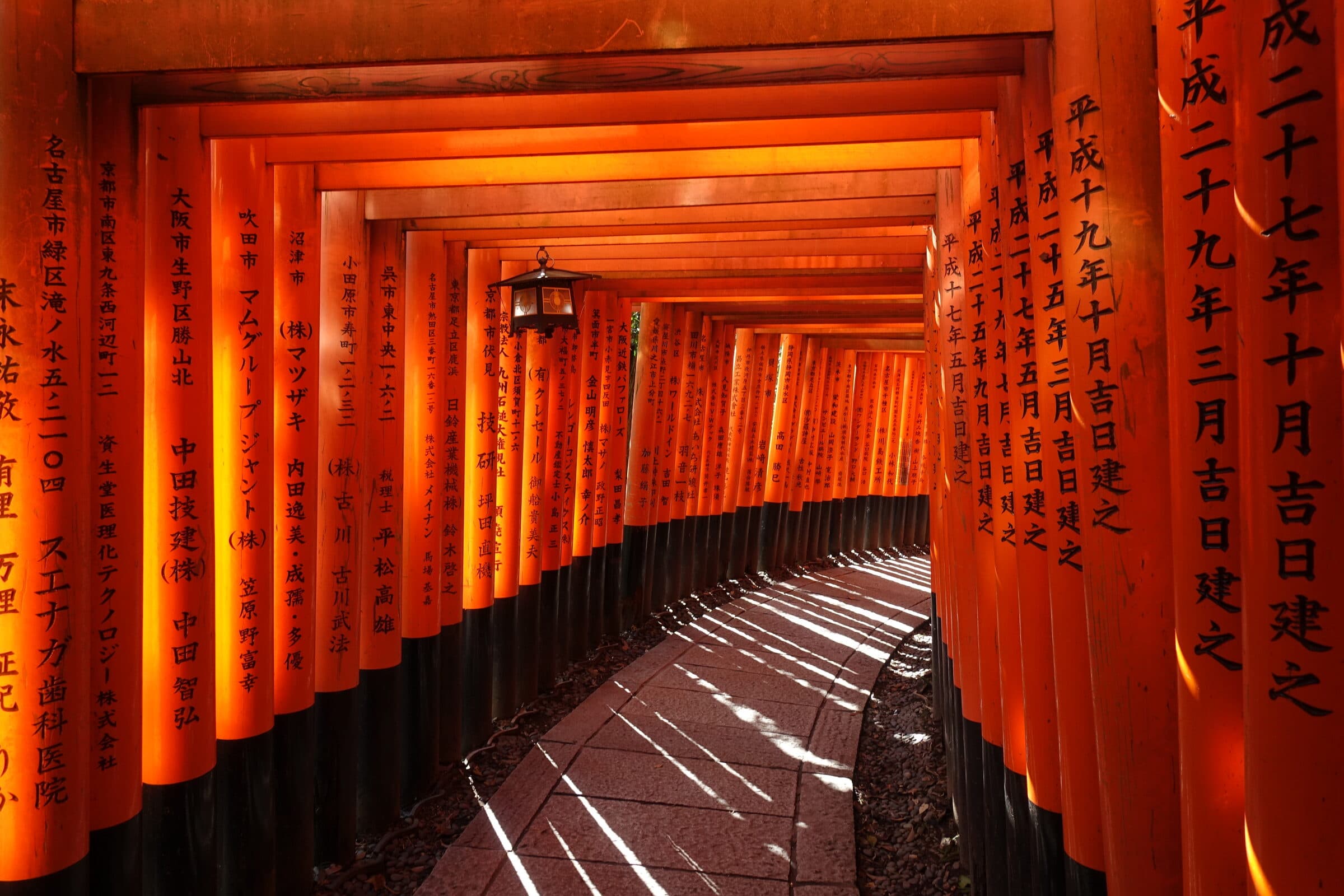
Fushimi Inari Taisha
伏見稲荷大社 · Fushimi, Kyoto
Ten thousand vermilion gates, and every one of them is a receipt — somebody paid for it because something they asked for came true.
Heian Jingu Shrine
平安神宮 · Kyoto, Kyoto
A 5:8-scale reconstruction of Kyoto's ancient State Hall, where the shrine courtyard is free and the four landscape gardens are a separate visit.