JinjaDB

京都

Shrines and temples in Kyoto

Two of the busiest religious sites in Japan are here, twenty minutes apart, and both of them reward the same thing: going early.

Kyoto is where most English-speaking visitors have their first real encounter with a shrine, and it is also where the crowds are worst. Those two facts fight each other, and almost everything below is about winning that fight.

The city's two headline sites — Fushimi Inari and Kiyomizu-dera — are on the same side of town, roughly twenty minutes apart by train. Both open early: Fushimi Inari's mountain is walkable at any hour and Kiyomizu-dera opens its gate at six in the morning, every day of the year. Neither charges much, and one charges nothing.

What Kyoto does not give you is a quiet shrine at two in the afternoon.

Receiving a goshuin? Compare reception hours and book rules in Kyoto

The 12 we have written up

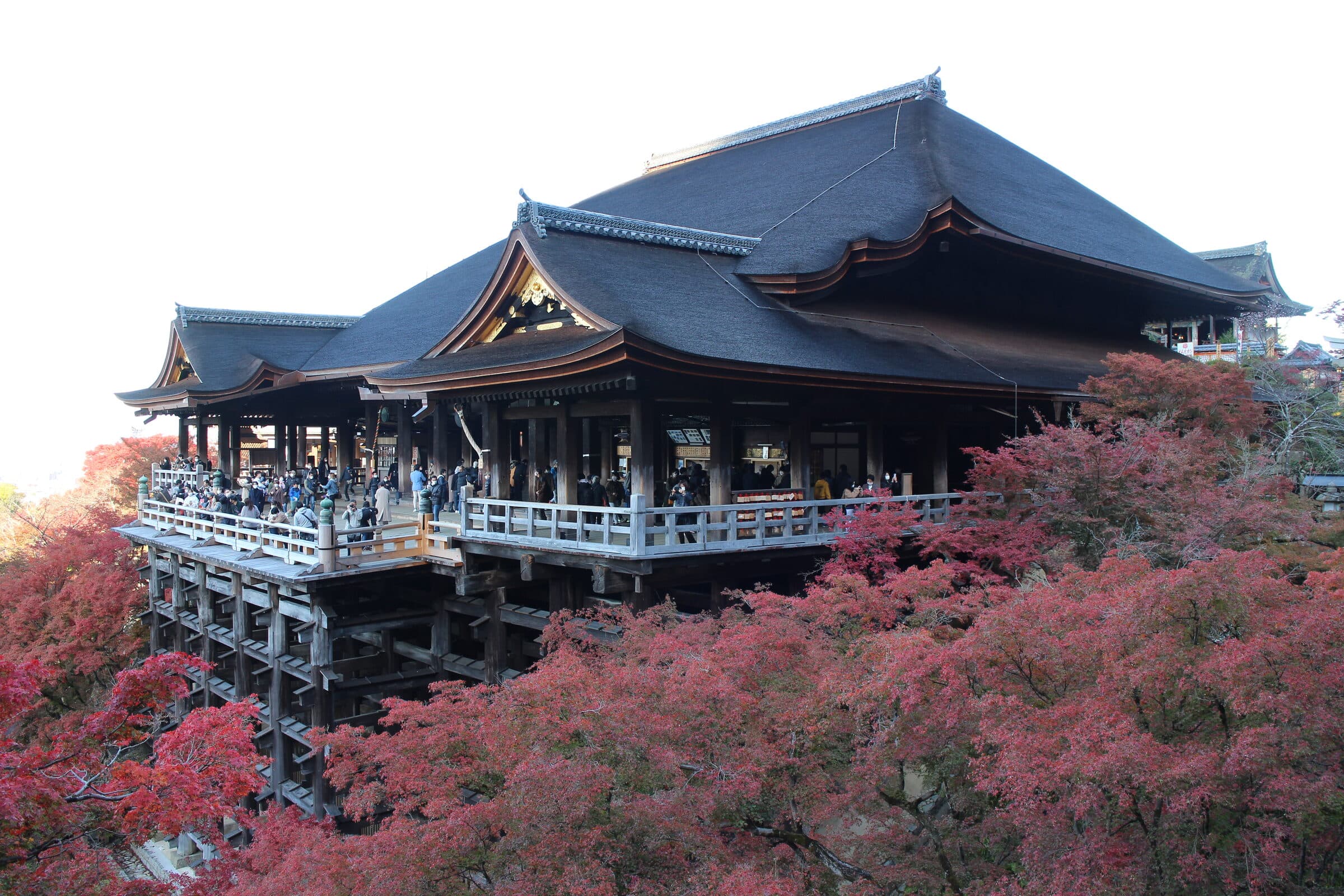
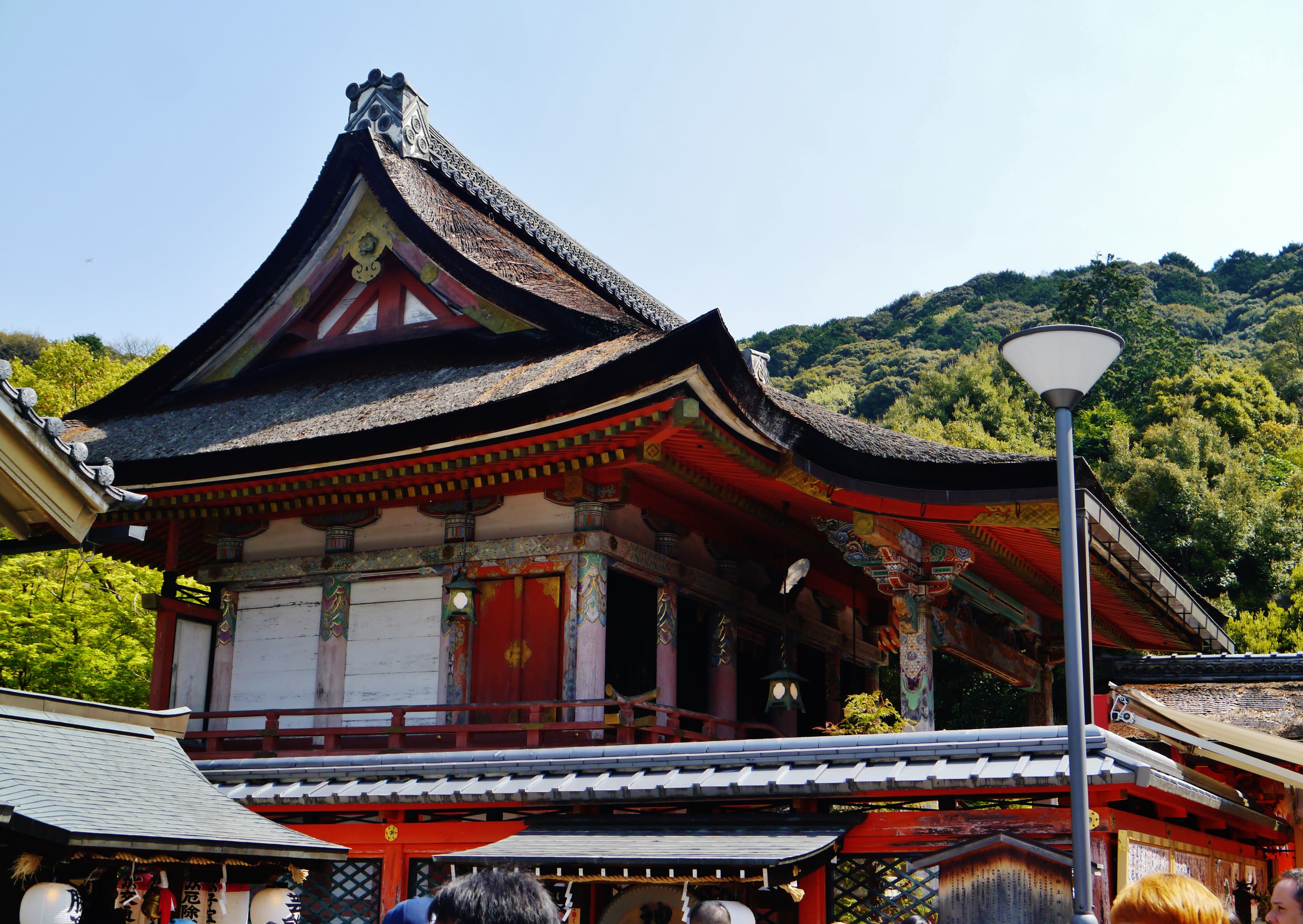
Kiyomizu-dera

Kiyomizu-dera

partial

清水寺 · Higashiyama, Kyoto

The stage is uncovered again, the love stones inside have been shut since 2022, and the queue at the waterfall is arguing about something the temple has answered in two different places.

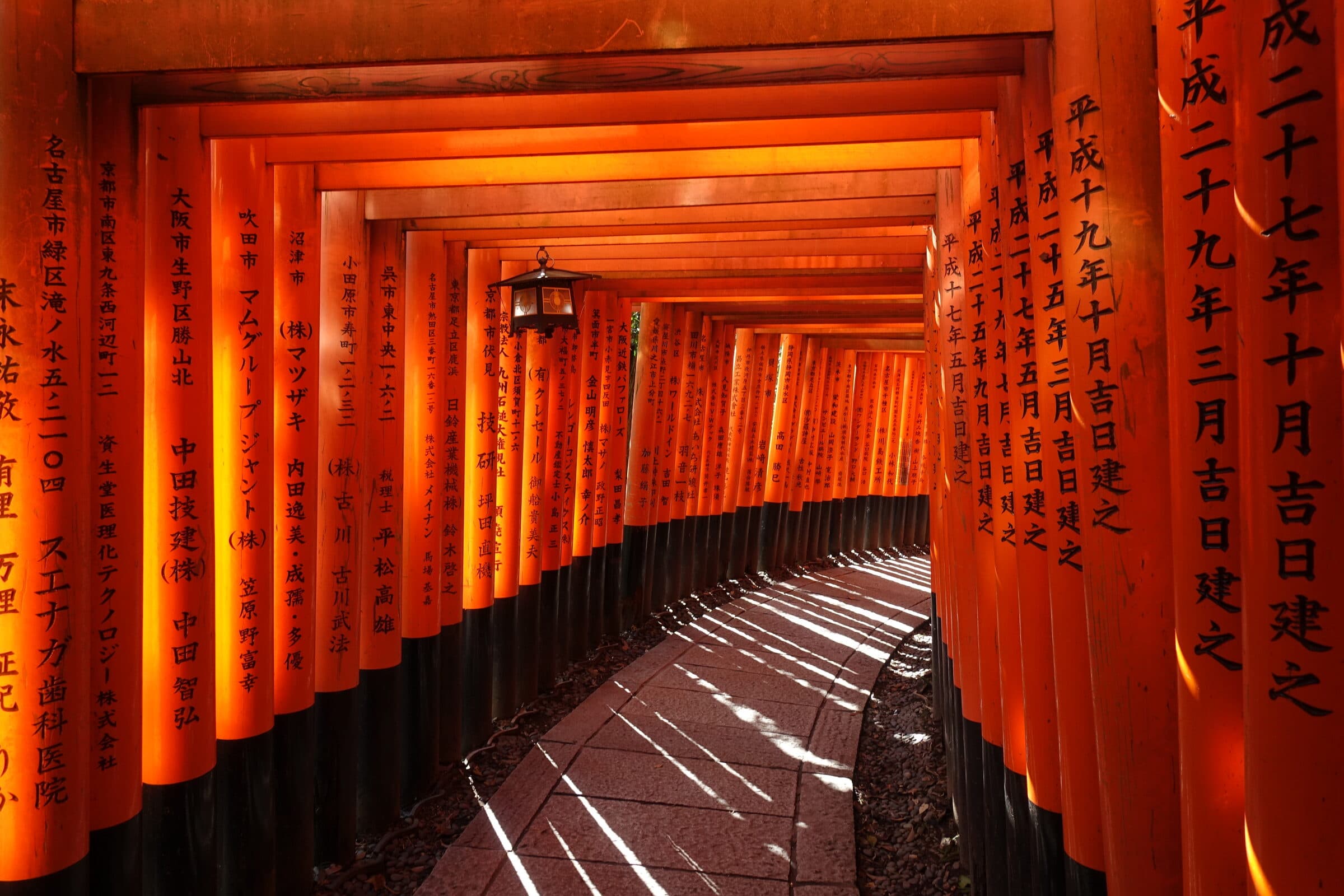
Fushimi Inari Taisha

Fushimi Inari Taisha

伏見稲荷大社 · Fushimi, Kyoto

Ten thousand vermilion gates, and every one of them is a receipt — somebody paid for it because something they asked for came true.

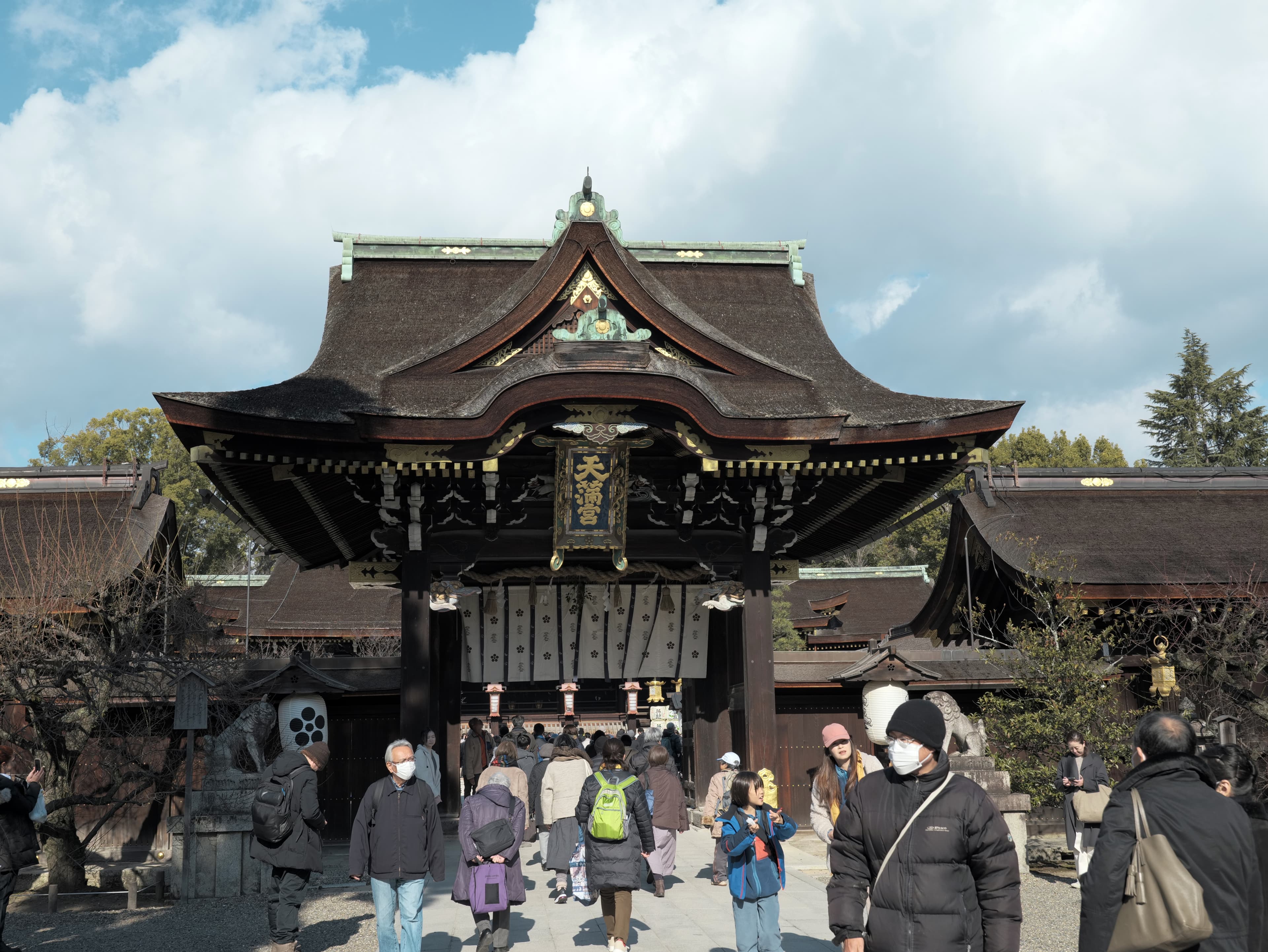
Kitano Tenmangu

Kitano Tenmangu

北野天満宮 · Kyoto, Kyoto

Kyoto's Tenjin shrine, where an academic prayer, a touchable ox and a large monthly market all occupy the same grounds.

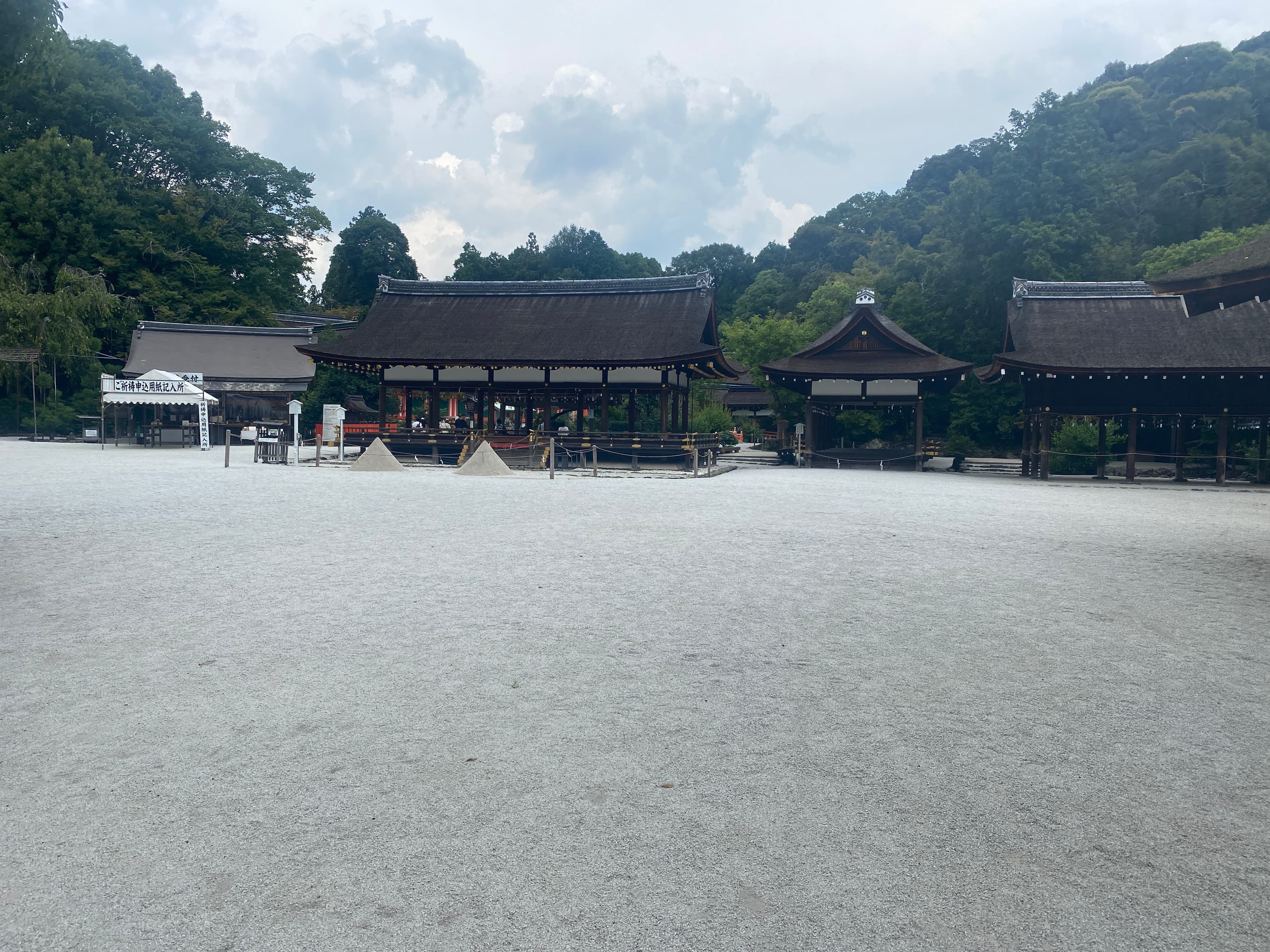
Kamigamo Shrine

Kamigamo Shrine

賀茂別雷神社(上賀茂神社) · Kyoto, Kyoto

Kyoto's upper Kamo shrine, where two sand cones mark the mountain's presence and a paid inner-court visit changes what you can actually see.

To-ji Temple

To-ji Temple

東寺(教王護国寺) · Kyoto, Kyoto

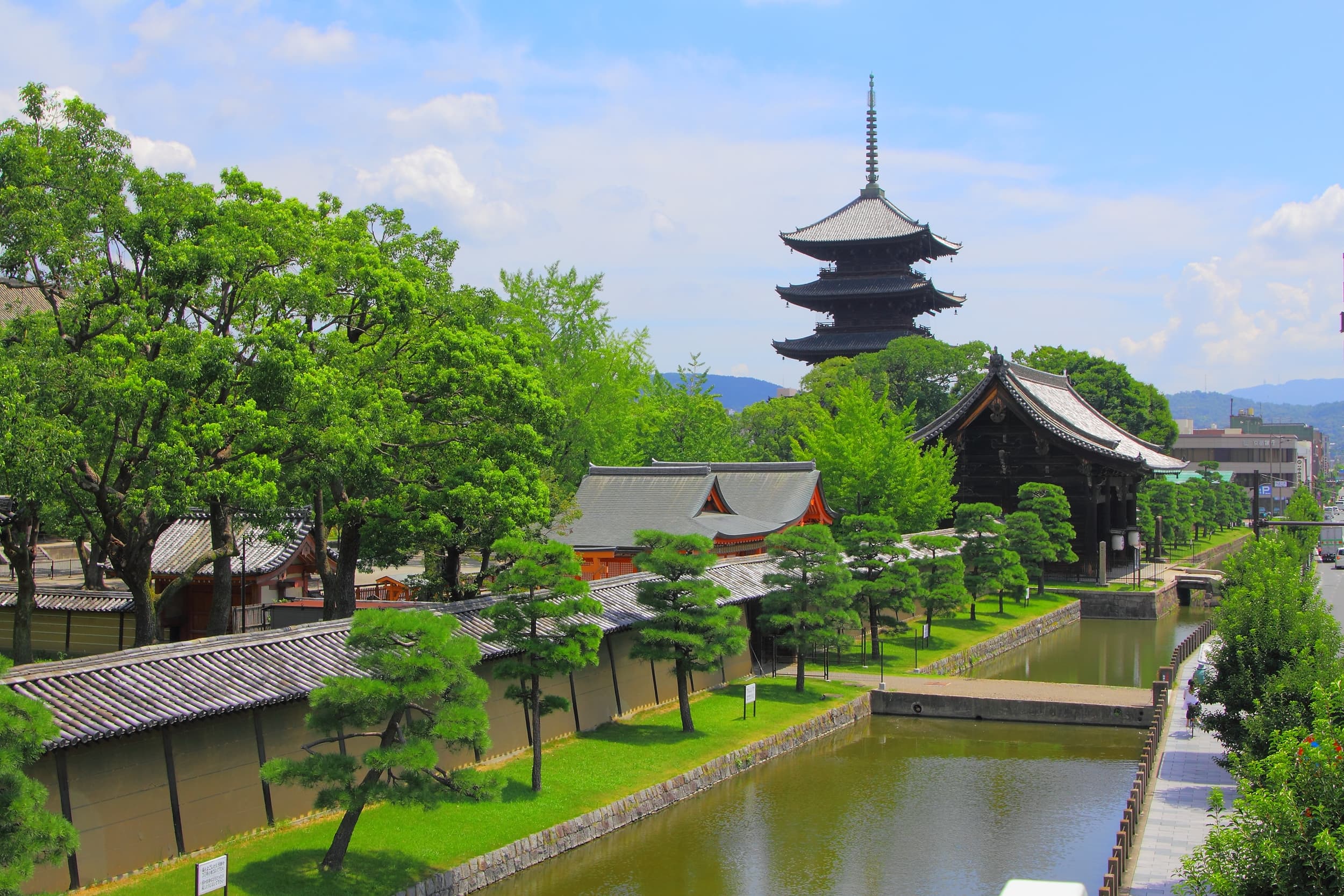
Kyoto's last surviving trace of Heian-kyō, where a free visit to Kūkai's home and a paid three-dimensional mandala are two different experiences.

Chion-in Temple

Chion-in Temple

知恩院 · Kyoto, Kyoto

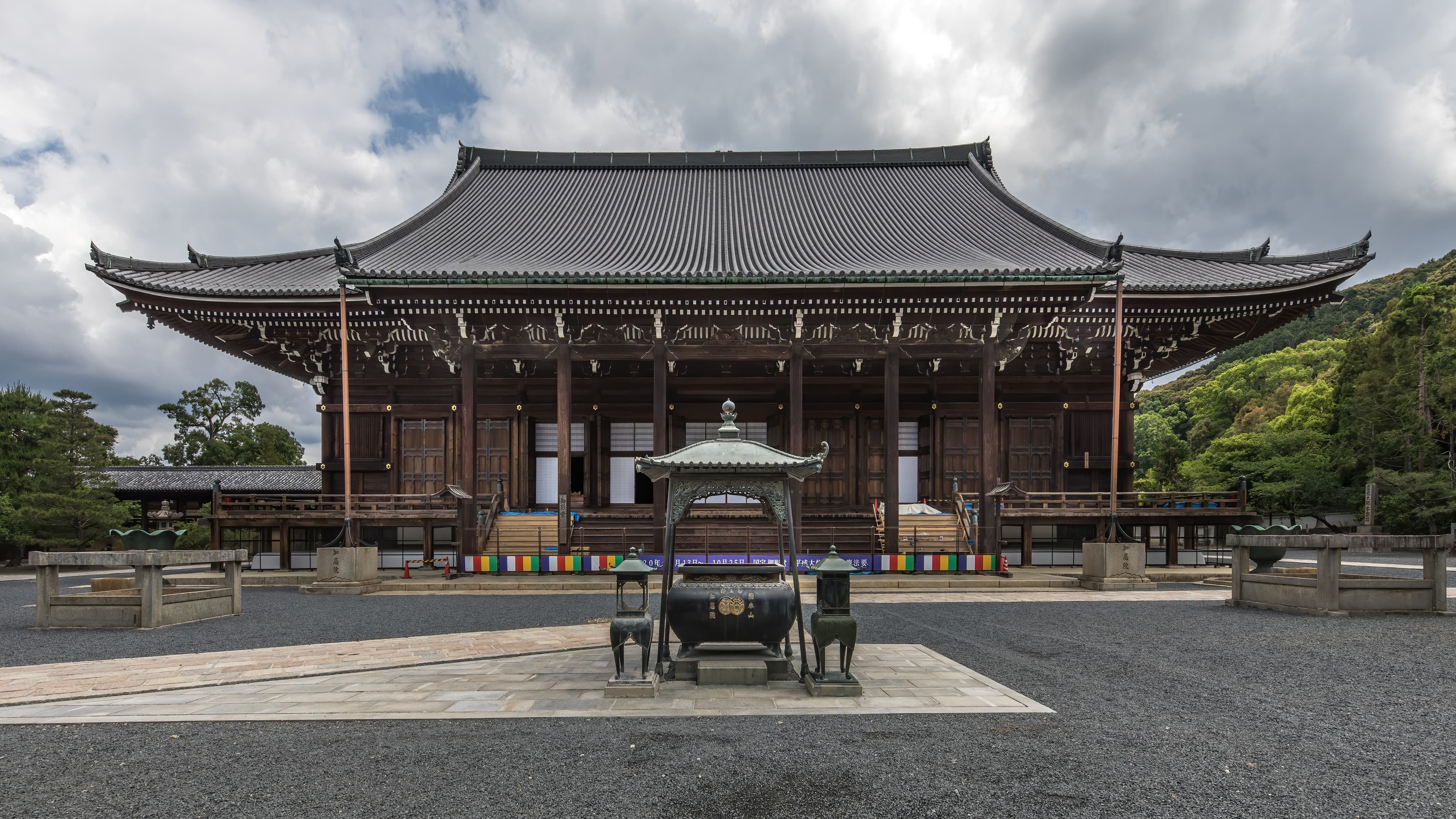
Kyoto's Jōdo-shū headquarters, where a free visit to Hōnen's hall, a separate garden ticket and an exact Nembutsu practice form one useful route.

Tenryu-ji Temple

Tenryu-ji Temple

天龍寺 · Kyoto, Kyoto

Arashiyama's Rinzai Zen head temple, where the garden, halls and Cloud Dragon each have a different ticket—and the one meditation gathering open to beginners is free.

Heian Jingu Shrine

Heian Jingu Shrine

平安神宮 · Kyoto, Kyoto

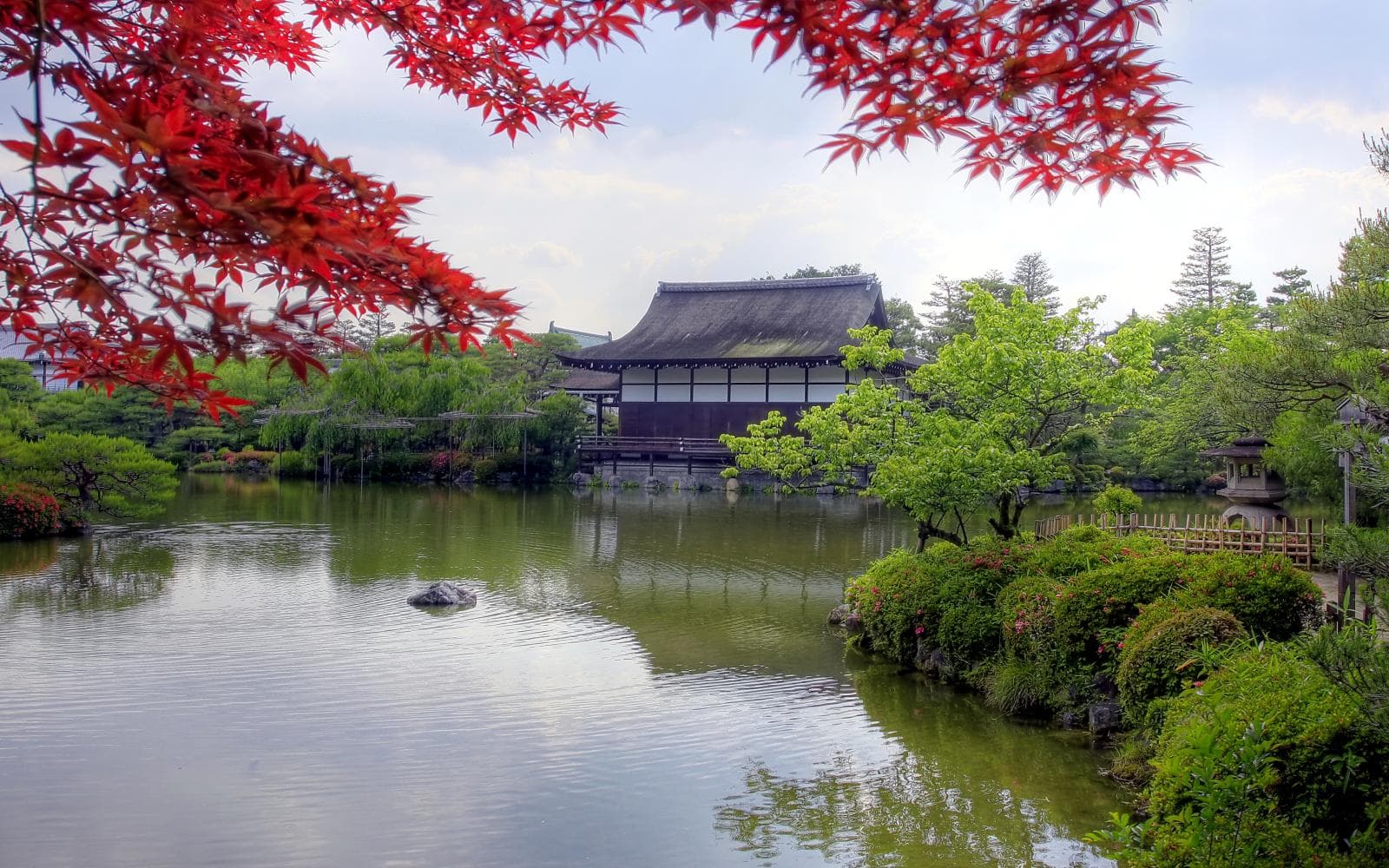
A 5:8-scale reconstruction of Kyoto's ancient State Hall, where the shrine courtyard is free and the four landscape gardens are a separate visit.

Nonomiya Shrine

Nonomiya Shrine

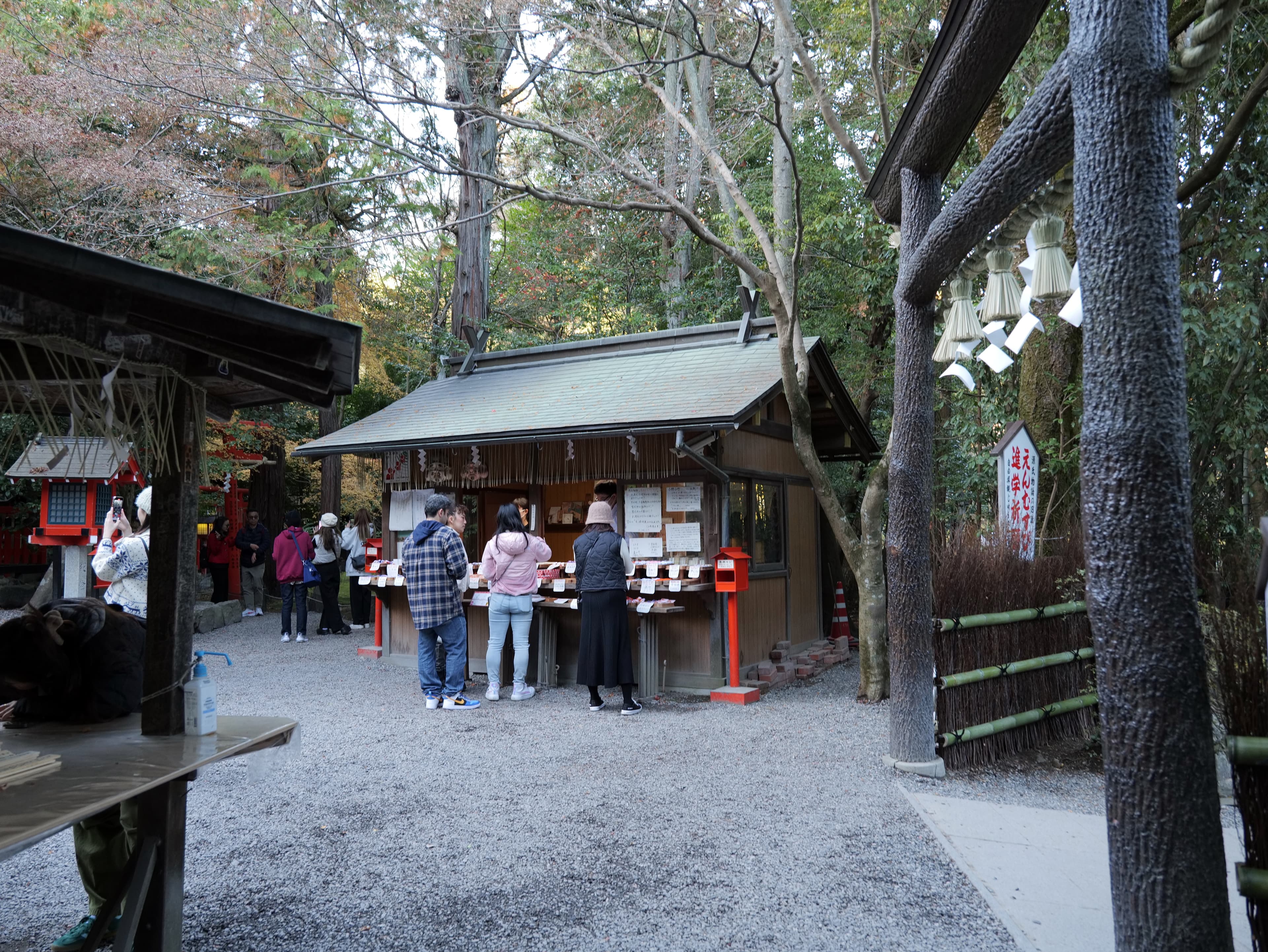
野宮神社 · Kyoto, Kyoto

A black-wood torii at the start of Sagano, where the shrine's own route ends at a turtle stone after separate prayers to each local deity.

Mikane Jinja

Mikane Jinja

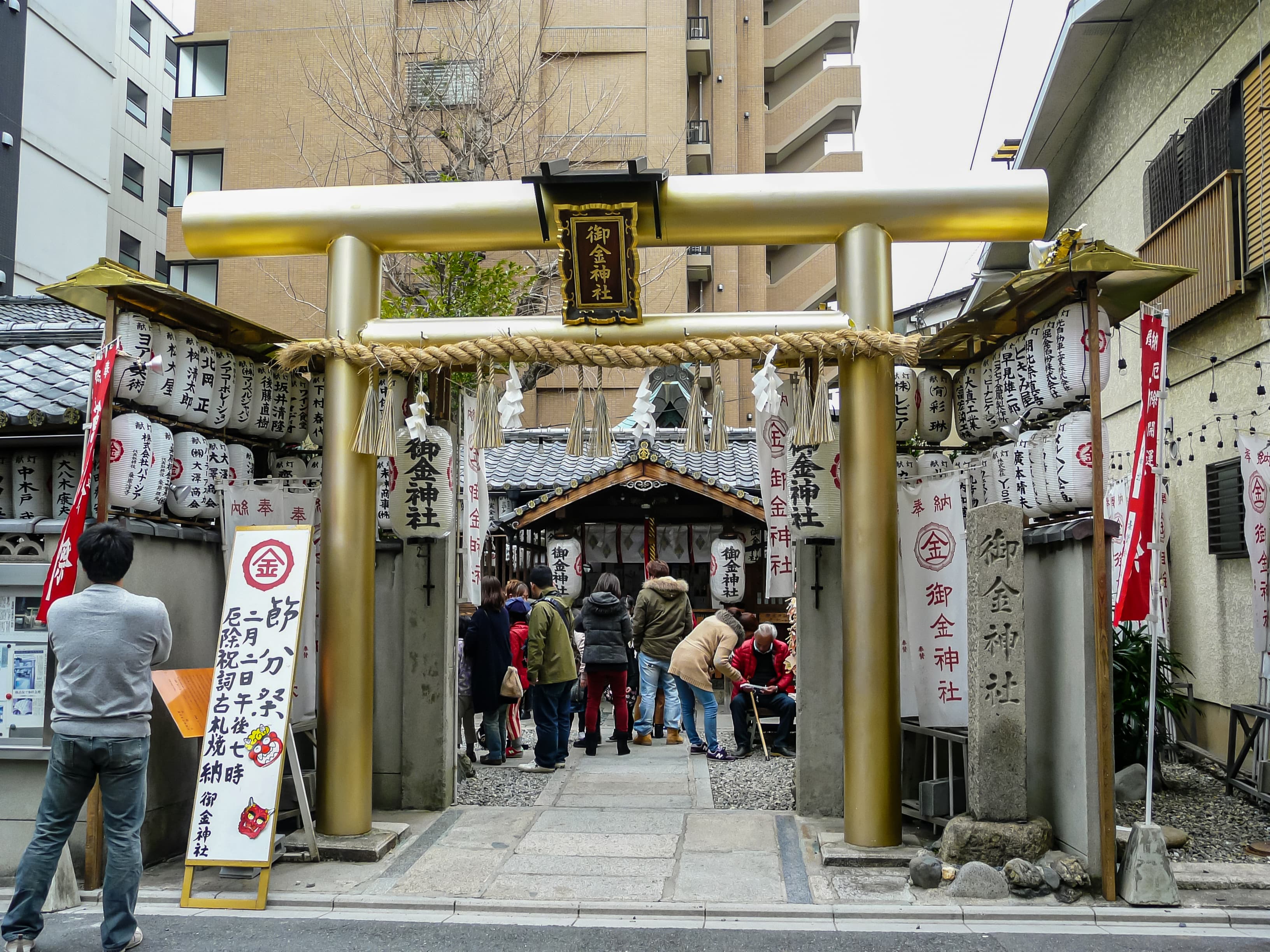
御金神社 · Nakagyo, Kyoto, Kyoto

A tiny shrine to the deity of metals with a gold-leafed torii, wedged into a Kyoto residential street — and the coin-washing ritual the internet sends you here to perform is not one it actually endorses.

Kurumazaki Jinja

Kurumazaki Jinja

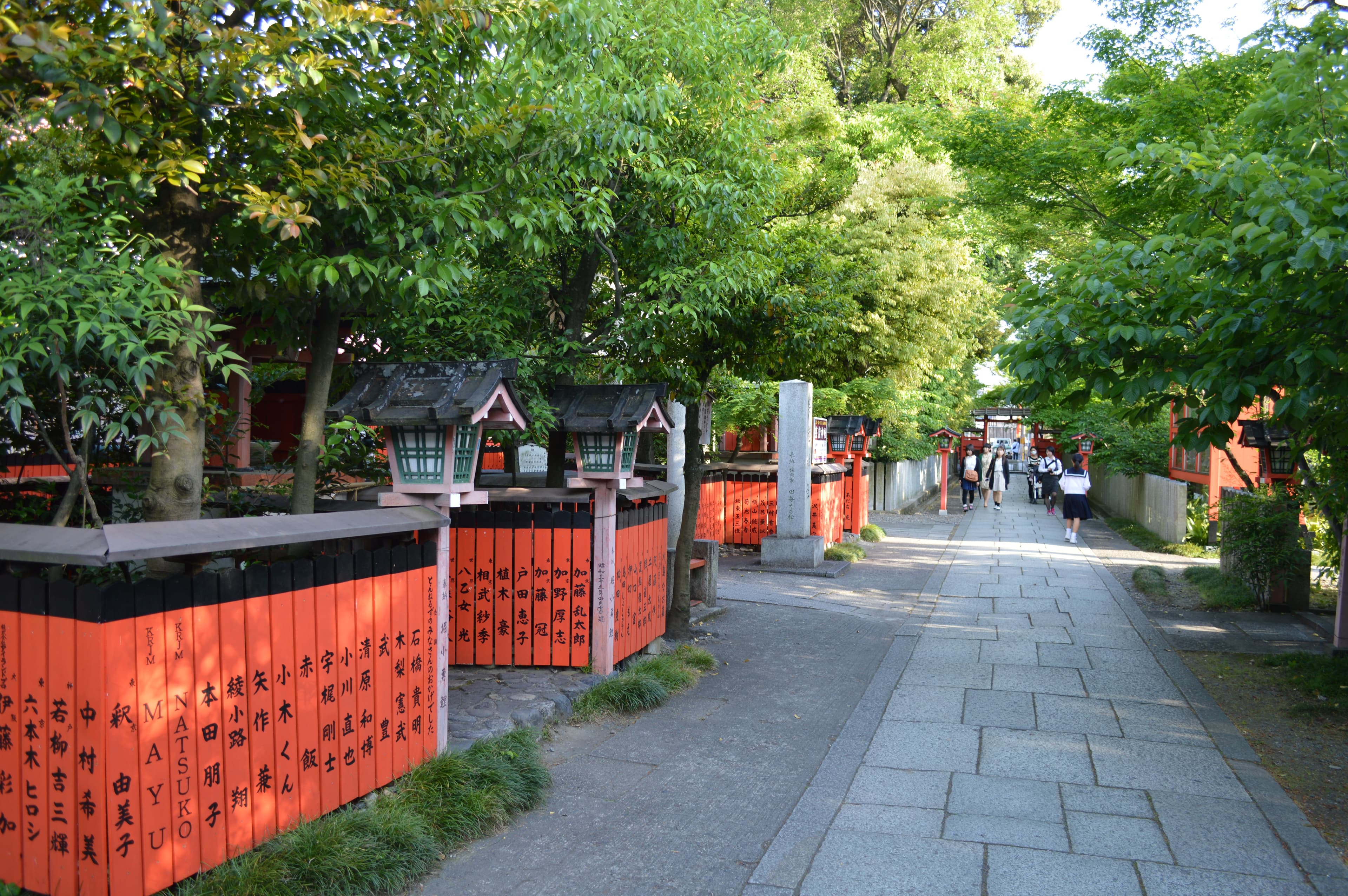
車折神社 · Ukyo, Kyoto, Kyoto

The Arashiyama shrine where promises are kept — and where four thousand vermilion plaques carry the names of Japanese performers, dedicated by the performers themselves.

Jishu Jinja

Jishu Jinja

closed

地主神社 · Higashiyama, Kyoto, Kyoto

Kyoto's famous love-stone shrine inside Kiyomizu-dera — closed since 2022, with no reopening date, and still listed as open almost everywhere in English.

The half-day that actually works

This is the sequence we give friends, and it is built around light and crowds rather than around a map.

  • Start at Kiyomizu-dera at opening, 6:00. The gate is open two hours before the approach streets wake up. You will share the stage with a handful of people instead of a thousand. The goshuin desk does not open until around 8:00, so if you want the seal, this is a trade — worship first and come back, or accept the crowd.
  • Walk down through Higashiyama while the shops are still shuttered. The approach streets are the point, and they are unwalkable by mid-morning.
  • Then Fushimi Inari, mid-morning. It is a 233-metre mountain, not a photo stop, and the shrine itself never publishes a walking time. Allow a couple of hours if you intend to go past the Yotsutsuji viewpoint. Two stops from Kyoto Station on the JR Nara Line, and the shrine is directly outside Inari Station.
  • Keep the afternoon for something small. Mikane Jinja is open all day and takes ten minutes; Kurumazaki is out in Arashiyama and needs a separate half-day of its own.

What is specific to Kyoto

Eating. Both major sites prohibit eating in the grounds, including while walking — and both are ringed by streets that exist to sell you food. Kiyomizu-dera's grounds extend to the plaza in front of the gate, so "just outside" is often still inside.

The one that is shut. Jishu Jinja, Kyoto's famous love-stone shrine, sits inside Kiyomizu-dera and has been closed since 2022 with no reopening date. Guidebooks and map apps still send people to it. You would pay Kiyomizu-dera's admission and find a locked gate.

Cash. Nothing here takes a card for a goshuin, and Kyoto's smaller shrines are unstaffed outside office hours. Mikane Jinja is open all night and has nobody there before ten in the morning.

The mountain is real. Fushimi Inari is the one people underestimate. Japanese sources note wild boar on the upper slopes, and the shrine publishes no night-safety guidance at all.

If you have not read the worship sequence yet, start there →