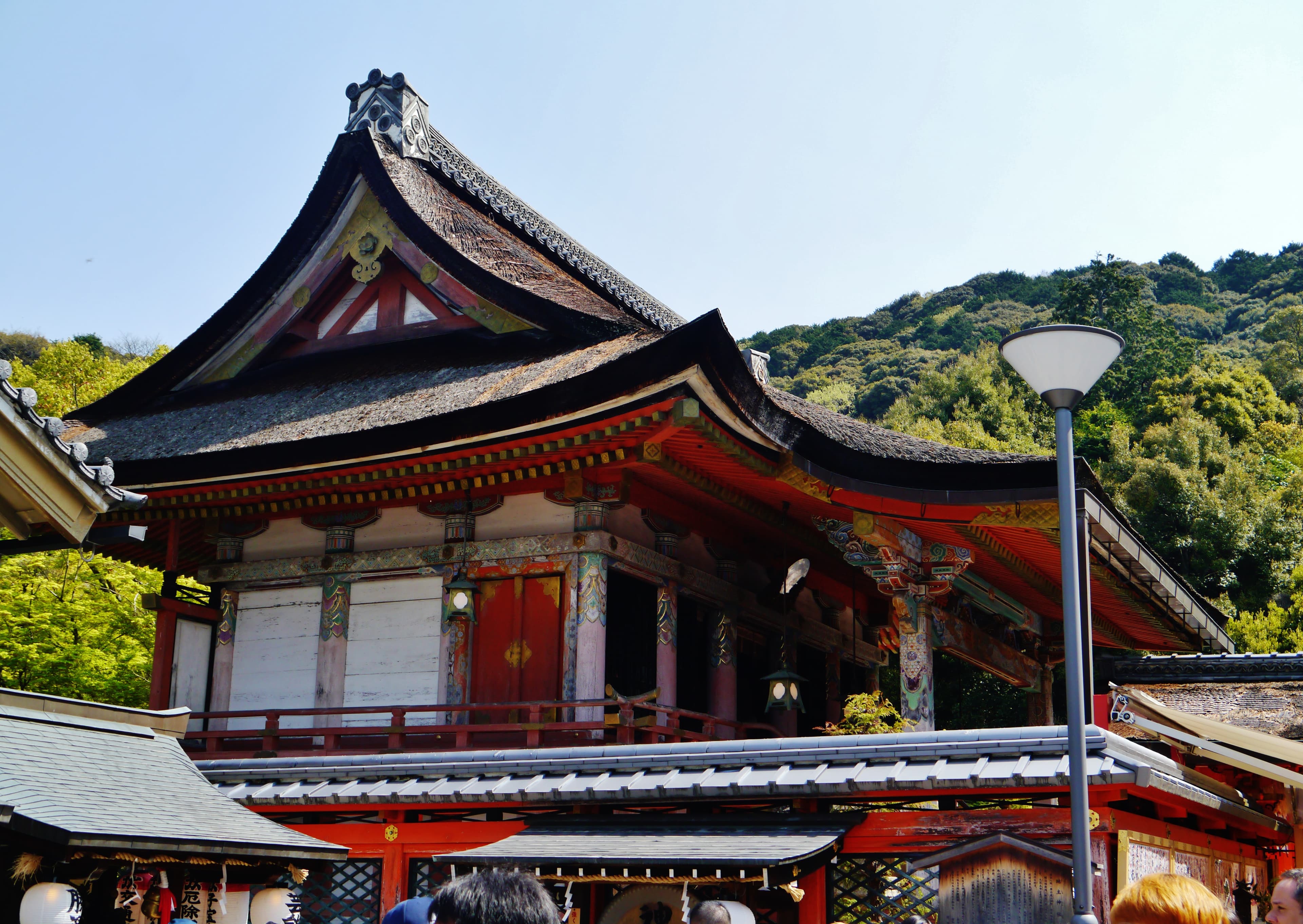
Jishu Jinja
地主神社
Higashiyama, Kyoto · Shinto shrine
Kyoto's famous love-stone shrine inside Kiyomizu-dera — closed since 2022, with no reopening date, and still listed as open almost everywhere in English.
closed — Closed to visitors at the time of our last check — see the caution below before you plan around it.
Read this before you plan anything around Jishu Jinja: it is closed, and you cannot visit it.
The shrine sits inside the grounds of Kiyomizu-dera — a Shinto shrine physically within a Buddhist temple, which is itself worth understanding as a survival of how the two religions coexisted before the Meiji separation. It enshrines Okuninushi, venerated here specifically as a deity of love and matchmaking, and it is famous for a pair of stones you walk between with your eyes closed.
It has been shut for building and precinct repair work since August 2022. The shrine's own homepage now states that the construction period is undetermined and the reopening date is undetermined. The Kyoto Prefecture Tourism Federation carries the closure in the title of its listing. Japanese Wikipedia gives an estimated completion around 2028; the shrine itself announces nothing.
We are keeping this entry published rather than hiding it, because the failure mode is specific and expensive: visitors pay Kiyomizu-dera's admission expecting to reach Jishu, and find a closed gate.
Which kami is enshrined here
- Okuninushi-no-Mikoto 大国主命
- The principal kami; a nation-building deity venerated at this shrine specifically as the god of love and matchmaking.
- Susanoo-no-Mikoto 素戔嗚命
- The storm deity, enshrined here in the ancestral line above Okuninushi.
- Kushinadahime-no-Mikoto 奇稲田姫命
- Consort of Susanoo, enshrined as the mother deity.
- Ashinazuchi and Tenazuchi-no-Mikoto 足摩乳命・手摩乳命
- Parents of Kushinadahime; ancestral and household deities.
Take part
What you can actually do here
Not currently possible. For the record, the practice the shrine is known for is the koi-uranai no ishi, the love fortune-telling stones: two guardian stones about ten metres apart, which you attempt to walk between with your eyes closed. Making it is said to mean the love will be fulfilled. The stones are believed to be Jomon-period ritual objects.
The shrine does still run an en-musubi special prayer by post during the closure, which a priest performs daily. Note before you get your hopes up: its own prayer page states, in English, that it cannot accept requests for prayers from overseas.
Goshuin
Getting the seal here
Not available. The precinct is closed and the shrine makes no mention of goshuin during the closure.
Before you go
Do not build a Kyoto itinerary around this. It is still listed as an open attraction by most guidebooks, English travel blogs and map applications. There is no announced reopening date, and the original estimate of roughly three years from 2022 has already been overrun.
If matchmaking is what you came to Kyoto for, choose a different shrine and check its status before you go.
Map
Sources
This entry was compiled from the following, most of them in Japanese.
Others people visit for the same reasons
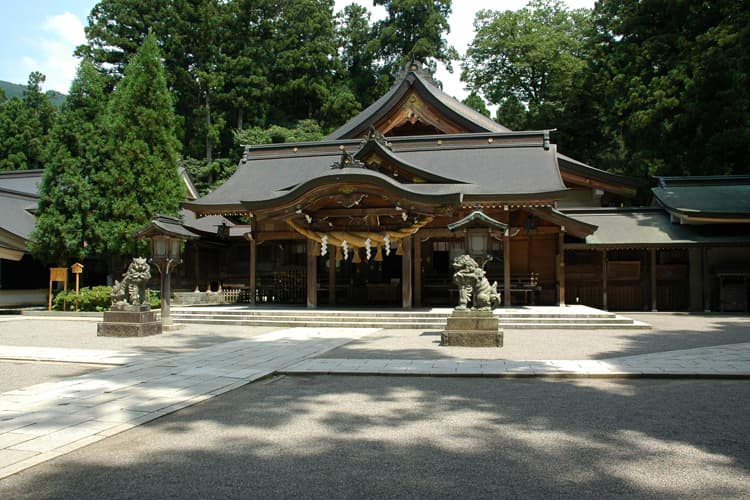
Shirayama Hime Jinja
白山比咩神社 · Hakusan, Ishikawa
Head shrine of some three thousand Hakusan shrines, at the foot of a sacred mountain — and one of the few places that still offers misogi, cold-water ablution, as a standing rite.
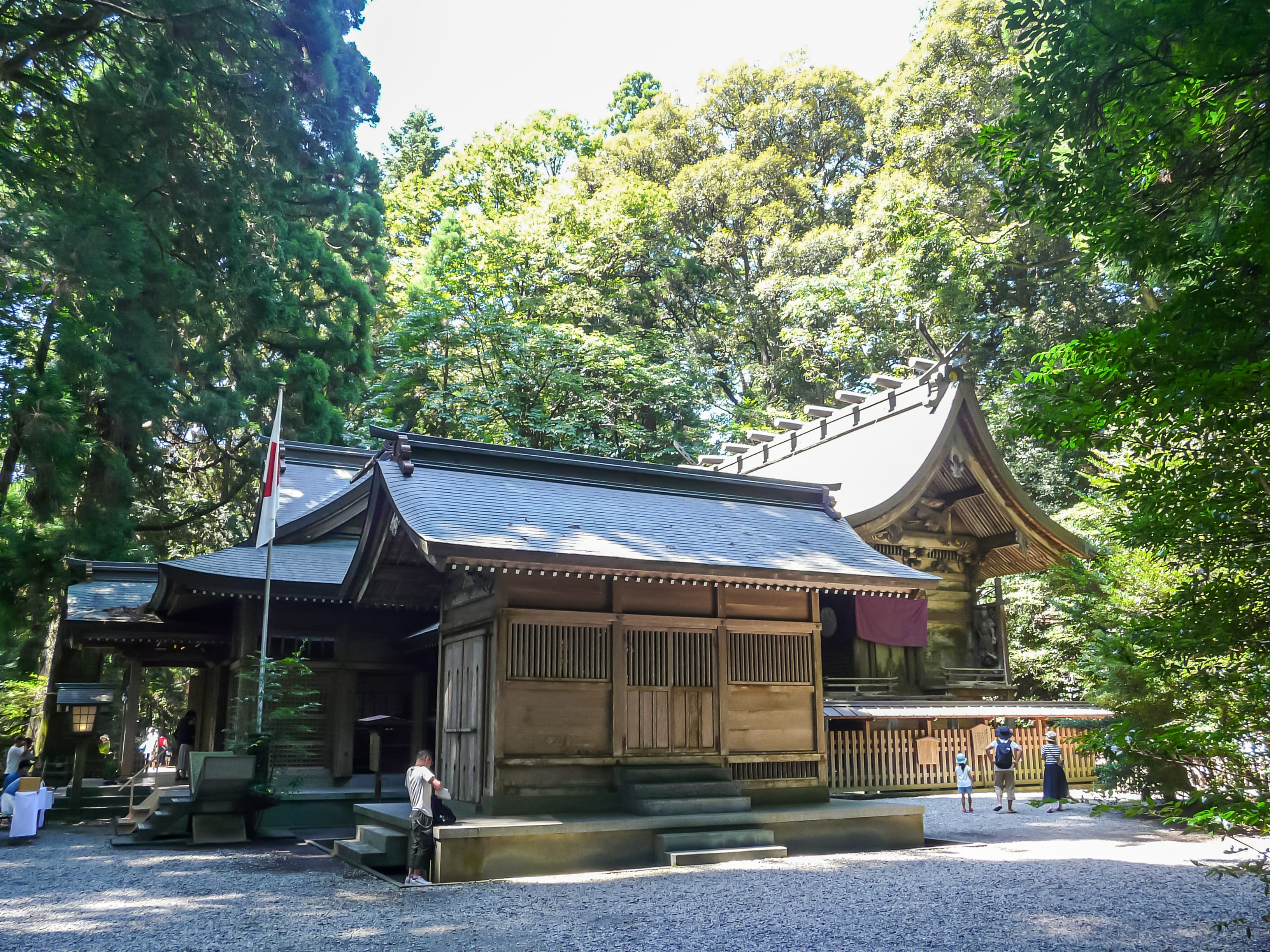
Takachiho Jinja
高千穂神社 · Takachiho, Miyazaki
The head shrine of Takachiho's eighty-eight shrines, where four kagura dances are performed for visitors every night of the year at eight o'clock.
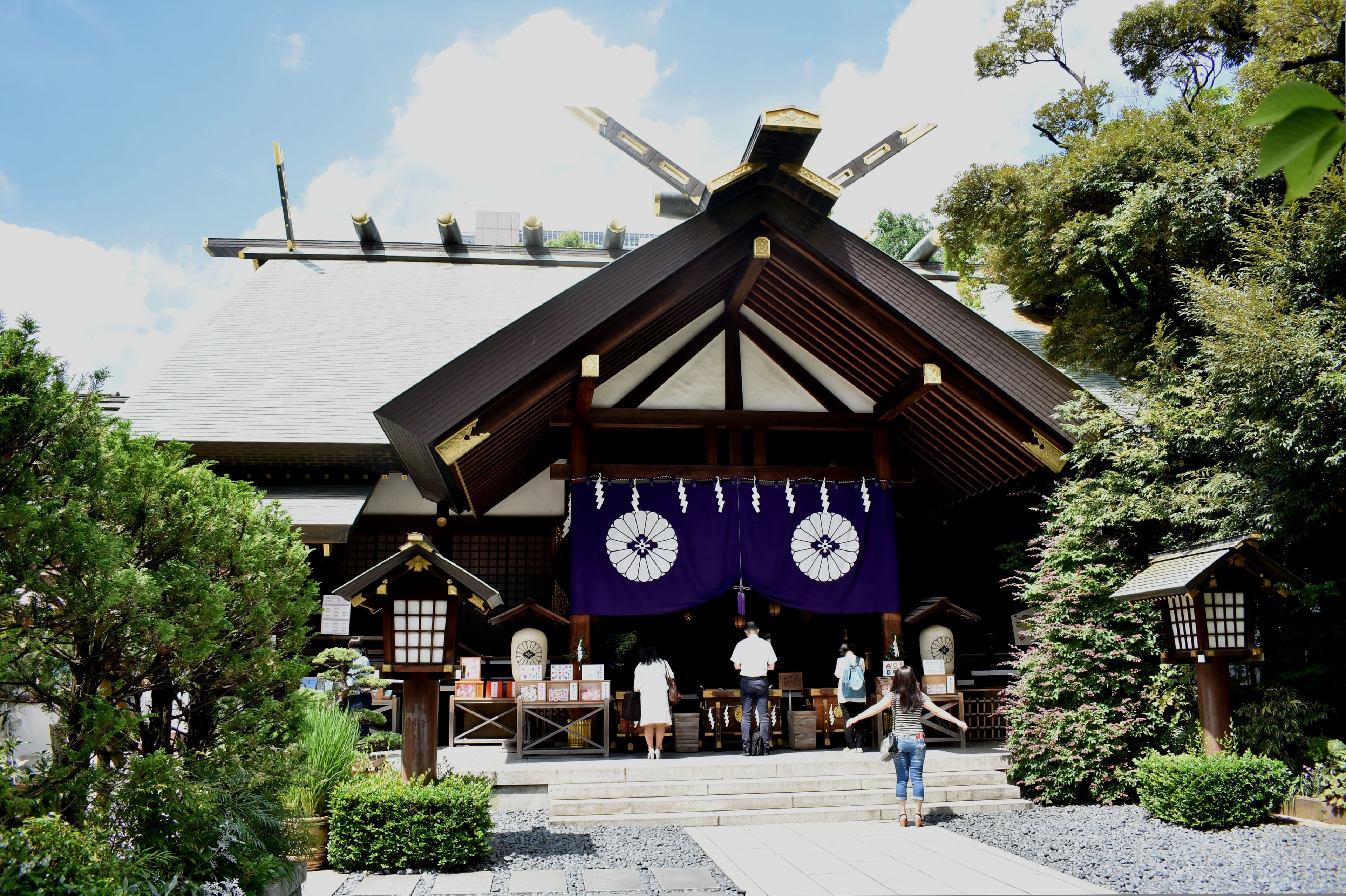
Tokyo Daijingu
東京大神宮 · Chiyoda, Tokyo
Tokyo's stand-in for Ise, and the shrine that invented the modern Shinto wedding — now the busiest place in the city to ask for a partner.
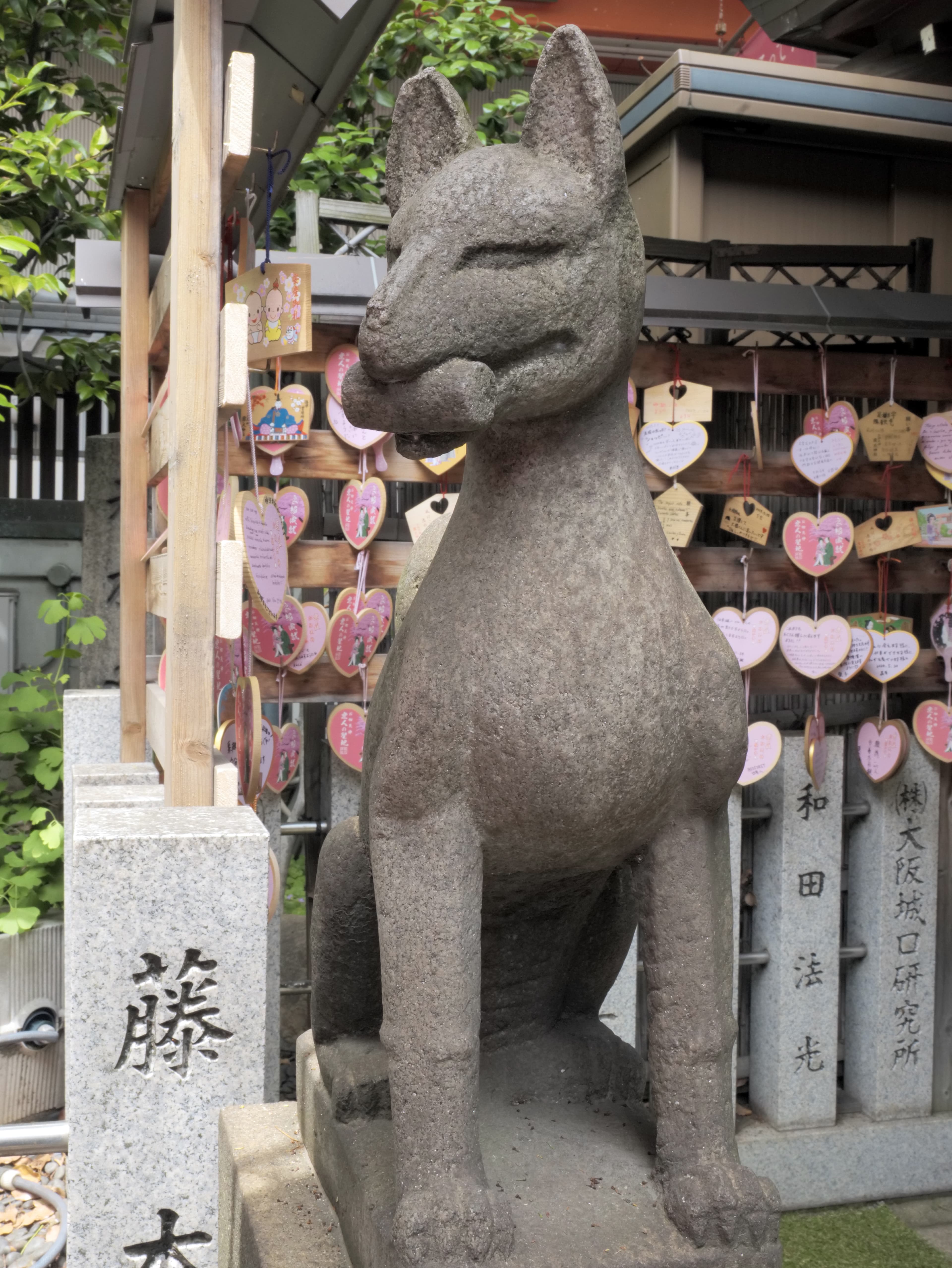
Tsuyu no Tenjinsha (Ohatsu Tenjin)
露天神社(お初天神) · Kita, Osaka
A small Osaka shrine hemmed in by izakaya, known for love — because two people really did die here in 1703, and Japan's greatest playwright wrote it down.