Hie Shrine
日枝神社
Tokyo, Tokyo · Shinto shrine
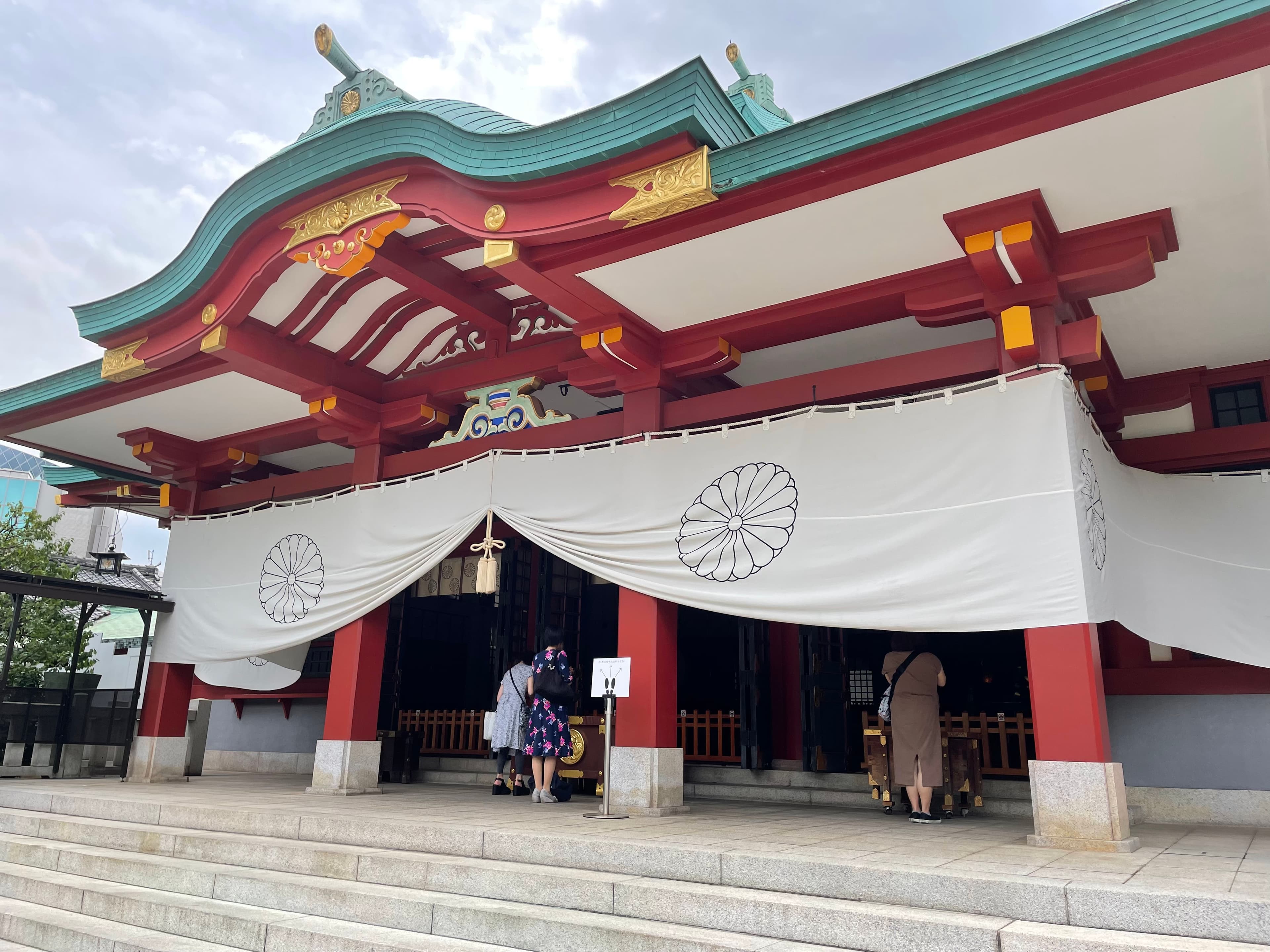
A hilltop shrine in Nagatacho where the stairs, the escalator and the paired sacred monkeys are all part of the visit.
Hie Shrine stands on a hill between Akasaka and Nagatacho. Its official history traces the shrine's roots through the Edo clan's Sanno worship and Ota Dokan's 1478 invitation of a Kawagoe Sanno shrine into Edo Castle. When Tokugawa Ieyasu moved to Edo in 1590, the shrine was revered as a guardian of the castle and as a tutelary deity of the city.
After the Edo Castle was expanded, the shrine moved outside the castle and then, following the Great Fire of Meireki in 1657, Tokugawa Ietsuna established the present site overlooking the former Tameike in 1659. The buildings were destroyed in the 1945 air raids except for the Sanno Inari subsidiary shrine, and the main shrine was rebuilt in 1958. The hill therefore carries layers of history, but today's worship hall is a postwar reconstruction rather than an untouched Edo building.
The shrine enshrines Oyamakui-no-Kami as its principal deity, with Kunitokotachi-no-Kami, Izanami-no-Kami and Tarashinakatatsuhiko-no-Mikoto in the accompanying sanctuary. Hie Shrine describes Oyamakui as a deity of mountains, water, land, growth and industry, and associates the shrine in recent practice with warding off misfortune, safe birth, good relationships, business prosperity and the prosperity of an organisation.
The monkeys are not another name for the enshrined deity. Hie Shrine describes them as the kami's messengers. The main hall, the white Sanno torii and the red Inari approach each offer a different way into the same working shrine.
Which kami is enshrined here
- Oyamakui-no-Kami 大山咋神
- The principal deity of Hie Shrine. The shrine describes him as a mountain and land deity who governs mountains, water, growth and industry.
- Kunitokotachi-no-Kami 国常立神
- One of the three deities whom Hie Shrine lists in the accompanying sanctuary.
- Izanami-no-Kami 伊弉冉神
- One of the three deities whom Hie Shrine lists in the accompanying sanctuary.
- Tarashinakatatsuhiko-no-Mikoto 足仲彦尊
- One of the three deities whom Hie Shrine lists in the accompanying sanctuary.
Take part
What you can actually do here
Choose how to reach the hill
The white Sanno torii is the landmark at the foot of the hill. The shrine's visitor guide describes an escalator route from the Akasaka, Tameike-Sanno and Kokkai-gijidomae stations. The alternative is the shrine's stone approach: Chiyoda City's official description calls the direct Otokozaka a flight of 53 steps, while the Onnazaka curves up more gently to the side.
The escalator is not a separate entrance to a different shrine. It and the two slopes lead into the same grounds, and the choice changes the physical effort of the visit. Check the current signs if an escalator is being inspected or if a shrine event changes the route.
Meet the kami's messengers
Hie Shrine calls the monkey shinzaru, a messenger of its kami. Its childbearing and safe-birth guidance says that visitors often pray before and stroke the paired monkey statues beside the main hall when making that particular request. That is a local practice described by the shrine, not an obligatory touch for every visitor and not a promise of a result.
If you want a priest-led prayer, the shrine accepts individual requests on the day at its prayer counter. The service takes about twenty minutes and is separate from an ordinary visit to the offering box or from looking at the monkey statues.
Etiquette
Where this place differs
This is a Shinto shrine. The official pages checked describe the priest-led prayer process and the local monkey practice, but do not publish a separate ordinary-visitor worship sequence. Follow the signs and the shrine staff at the current sanctuary rather than importing a rule from a Buddhist temple or another shrine.
The shrine asks photographers not to interfere with passage or worship. Its FAQ says photography inside the prayer hall is not permitted during the service, and the current photographer notice is aimed at keeping commercial and publication shoots from taking over the grounds. Keep the stairs, escalator landings and Inari approach open for people who are actually visiting.
The paired monkeys are sacred messengers, not a general attraction to climb or handle. Pray or observe according to the shrine's own guidance, and do not turn a prayer space into a photo set.
New to this? Read the full worship sequence first.
Goshuin
Getting the seal here
The current official homepage lists a 朱印所 (seal office) together with the授与所, open 8:00–16:00. The official amulet and talisman page lists several Hie-branded goshuincho, but the current pages checked do not state the regular goshuin fee, whether the ordinary seal is written directly into a book, or when a paper seal is used.
The seal office is distinct from the prayer counter and the treasure hall. Ask at the current counter after worship rather than carrying over an old seasonal or emergency arrangement. Goshuin details checked: 13 September 2026.
Before you go
The treasure hall's closure information conflicts within the shrine's own pages. The About page lists no regular holidays, while the FAQ says Tuesdays and Fridays are closed; both allow for closures caused by shrine events or exhibition changes. The current official notice says a sword exhibition is being held in August and September 2026, so check the day before treating the 9:00–16:00 museum hours as guaranteed.
The 2026 annual schedule lists the Autumnal Equinox observances on 23 September. The shrine's separate current notice says the Mid-Autumn Music Festival is cancelled in 2026, with a related announcement livestream at 18:00 on 25 September. Do not present the cancelled festival as an on-site performance; check the shrine's current notice for any access or viewing details.
The stone stairs and escalator are both public approaches to the same hilltop grounds. A temporary inspection or event arrangement can change which route is usable. The shrine's photography guidance asks visitors to keep passageways clear and to avoid photographing inside a prayer service.
Map
Sources
This page draws on the following sources, most of them in Japanese.
- 日枝神社 — 日枝神社について
- 日枝神社 — 公式トップページ
- 日枝神社 — ご祈祷について
- 日枝神社 — 安産祈願について
- 日枝神社 — 子授祈願について
- 日枝神社 — 縁結び祈願について
- 日枝神社 — お守り・お札
- 日枝神社 — よくある質問
- 日枝神社 — アクセスマップ
- 日枝神社 — 宝物殿特別展示について
- 日枝神社 — カメラマンの方へのお願いについて
- 日枝神社 — 庚申祭
- 日枝神社 — 中秋管絃祭
- 日枝神社 — お知らせ一覧
- 千代田区 — 千代田区内の坂
- 千代田ミュージアムネットワーク — 日枝神社宝物殿
- JNTO — Hie-jinja Shrine
- Wikimedia Commons — Hie-jinja (Chiyoda, Tokyo) 10.jpg
- Wikidata — Hie Shrine (Q702042)
Others people visit for the same reasons
Chion-in Temple
知恩院 · Kyoto, Kyoto
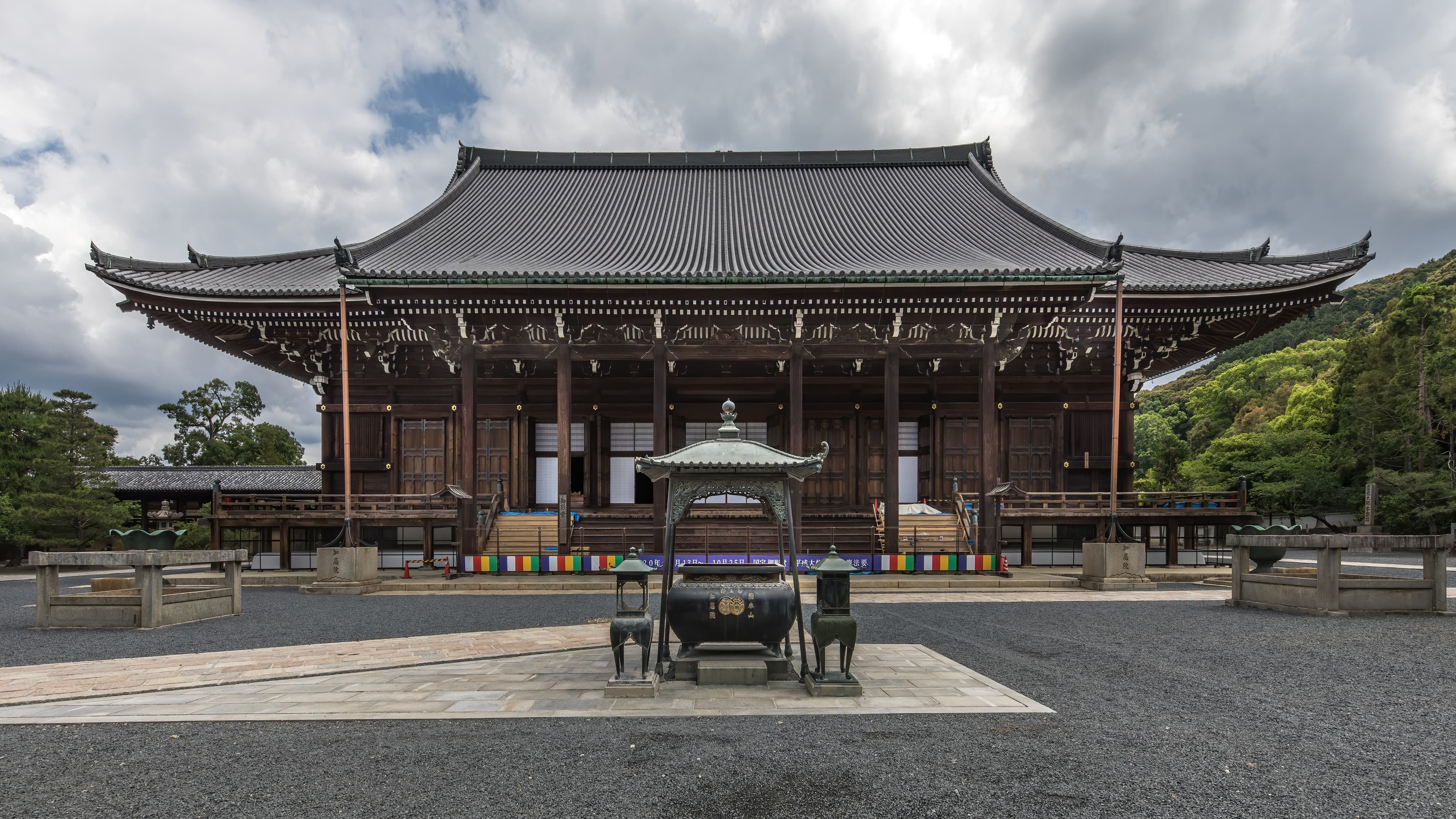
Kyoto's Jōdo-shū headquarters, where a free visit to Hōnen's hall, a separate garden ticket and an exact Nembutsu practice form one useful route.
Chuson-ji
中尊寺 · Hiraizumi, Iwate
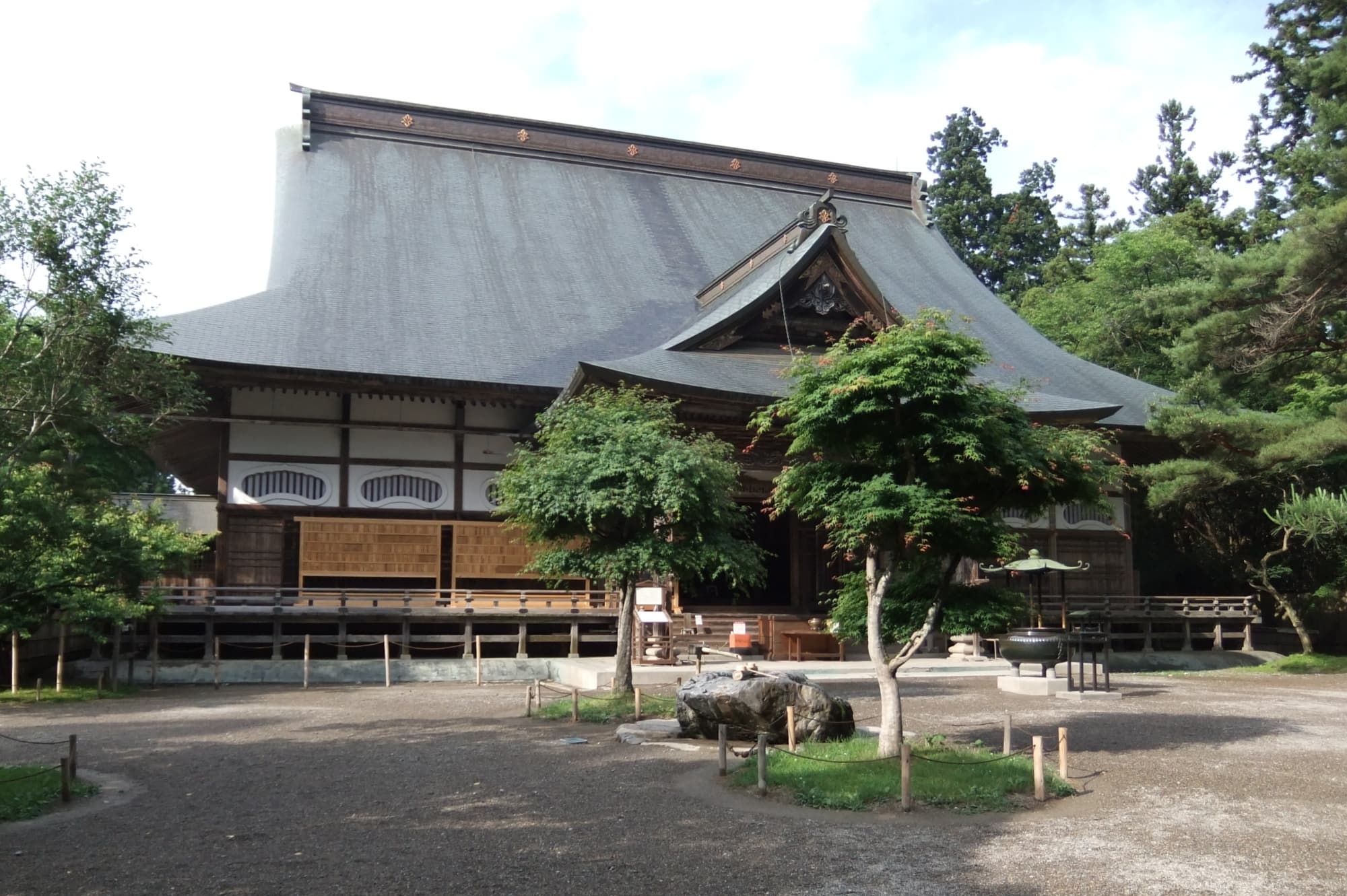
A World Heritage Tendai temple whose golden hall was raised in 1124 as a vow for the repose of the dead of both sides in a war — and it is a temple, so do not clap.
Fushimi Inari Taisha
伏見稲荷大社 · Fushimi, Kyoto
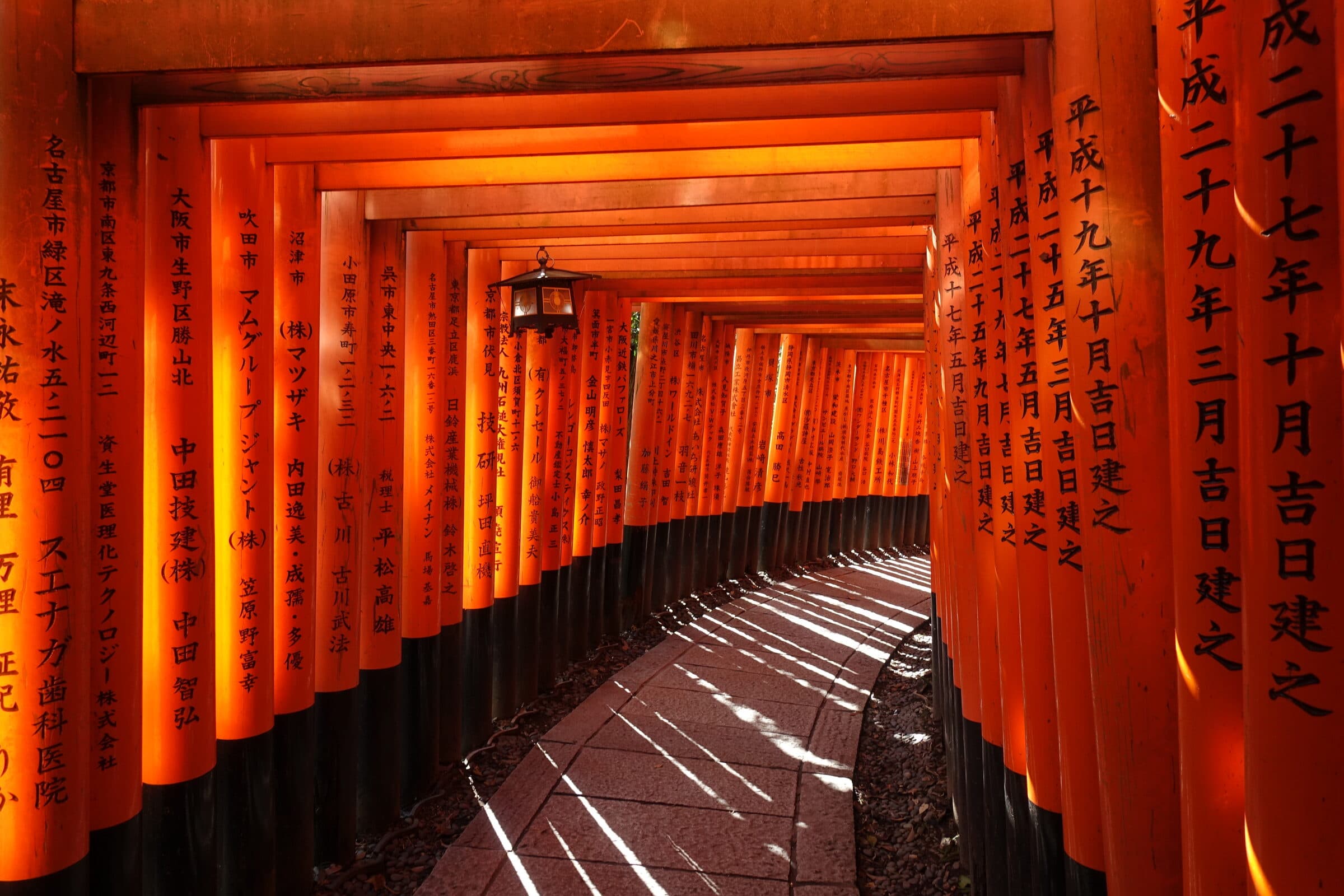
Ten thousand vermilion gates, and every one of them is a receipt — somebody paid for it because something they asked for came true.
Heian Jingu Shrine
平安神宮 · Kyoto, Kyoto
A 5:8-scale reconstruction of Kyoto's ancient State Hall, where the shrine courtyard is free and the four landscape gardens are a separate visit.