Asking about money without embarrassment
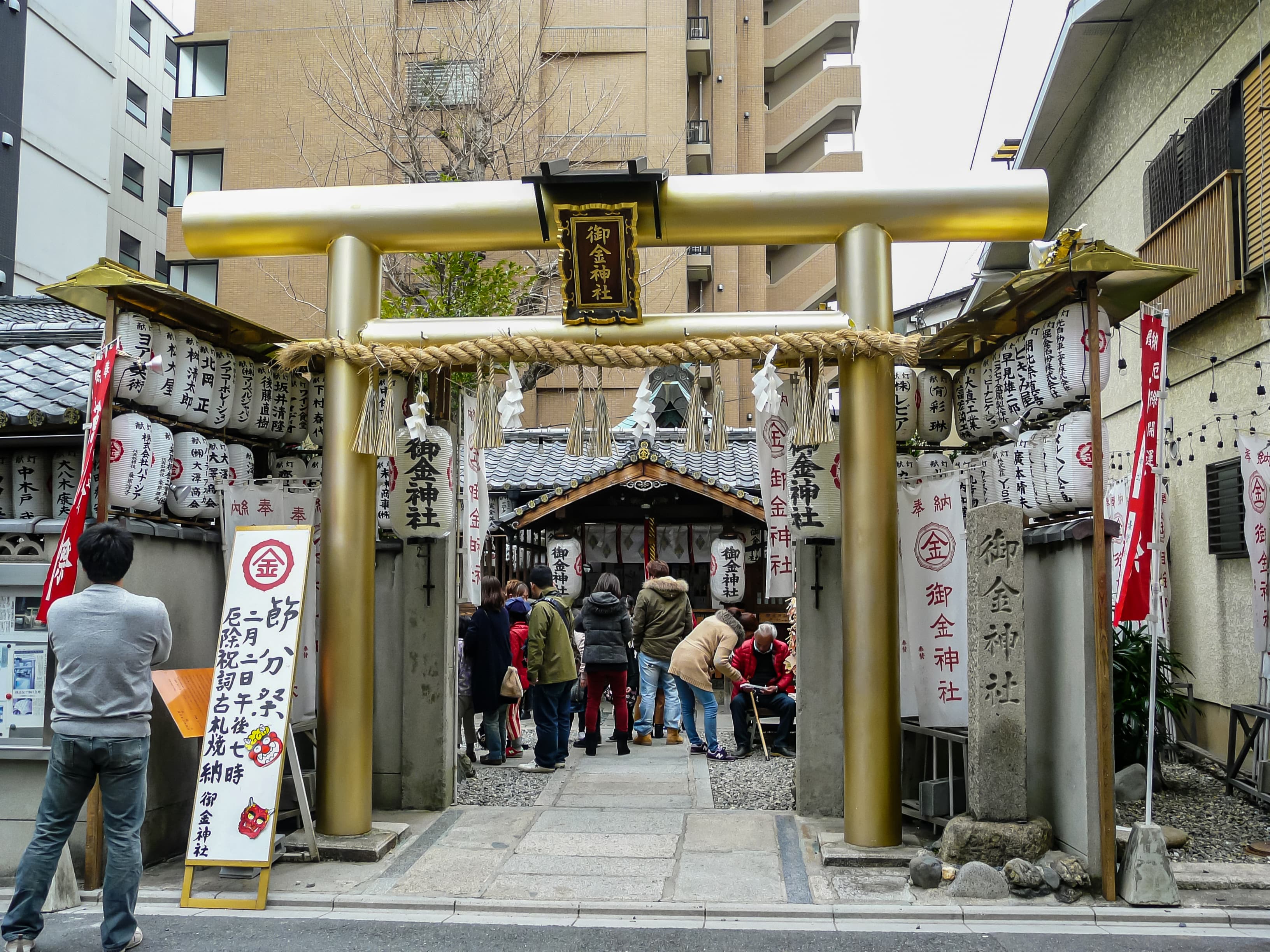
English-speaking visitors often hesitate here, because asking a deity for money feels crass in a way that asking for health does not. That hesitation is not shared. Money requests are an ordinary, unembarrassed part of Japanese shrine practice, and the shrines say so in plain language on their own websites — Mikane Jinja lists finance, securities and investment, and does not blush about lottery wins.
The framing is usually less about windfall than about continuity: a business that keeps going, receivables that get collected, a household that balances. Kurumazaki Jinja is the clearest case — its deity is one who ensures promises are kept, so money luck there is specifically about the money you are owed actually arriving.
Where the association comes from
Three different roots, and they behave differently.
Metal. Mikane Jinja enshrines the guardian of metals and minerals. Gold and silver were the original concern; currency followed.
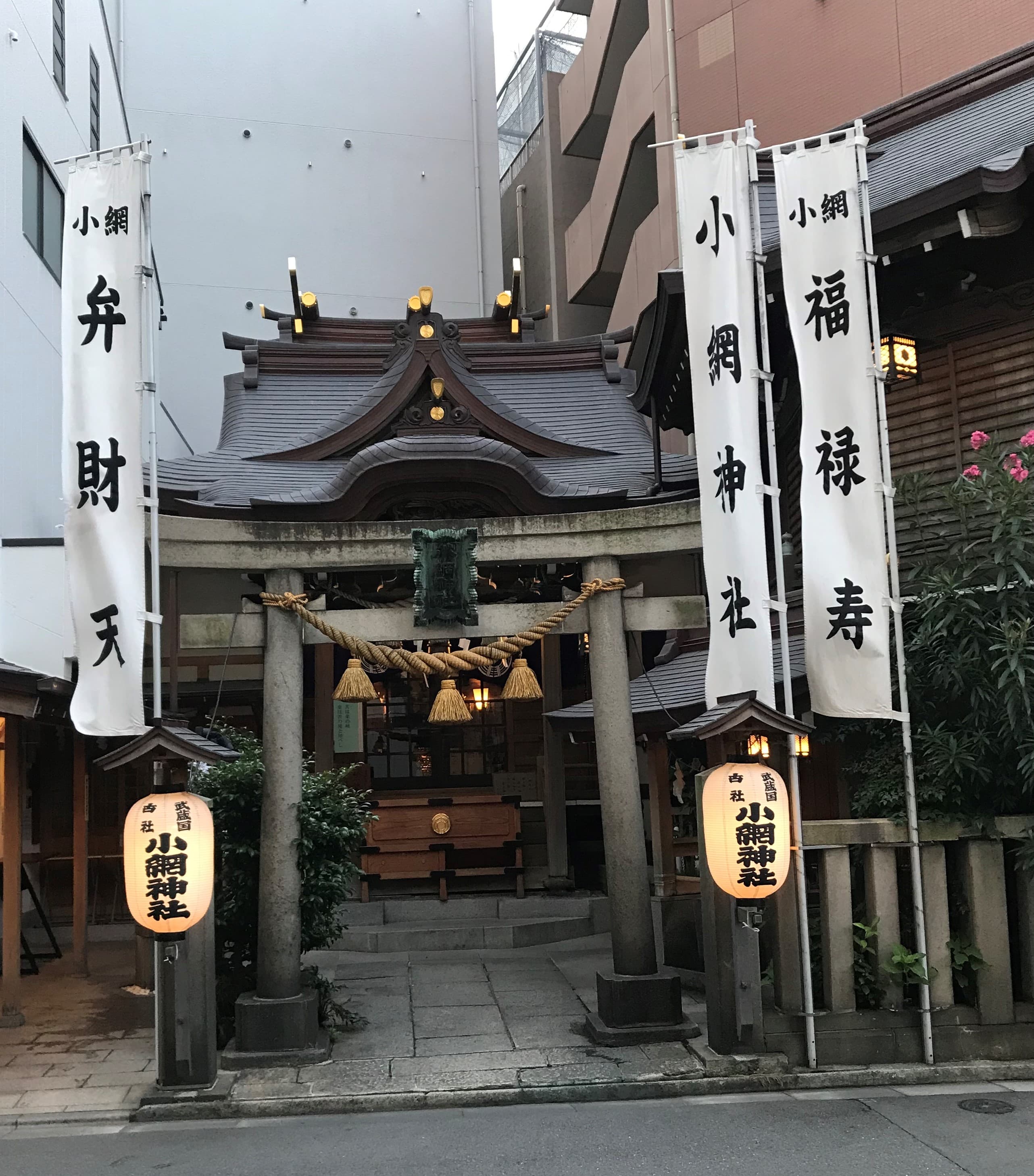
Water and the sea. Benzaiten, identified with Ichikishimahime at Koami Jinja, brings the coin-washing wells you find at money shrines.
A person who kept their word. Kurumazaki Jinja's Kiyohara no Yorinari was a Confucian scholar-official, and the shrine's promise-keeping association is why merchants went there.
A warning specific to this category
Money shrines attract more invented ritual than any other kind, because the payoff is imaginable and the internet rewards a photogenic gimmick. Mikane Jinja has had to state on its own website that washing coins in its purification basin is not a practice it endorses, and to ask visitors to stop — while blogs and videos continue to teach exactly that.
The rule that follows: at a money shrine, do what that shrine documents, not what a video showed you. If it is not on their own pages, it is not their practice.