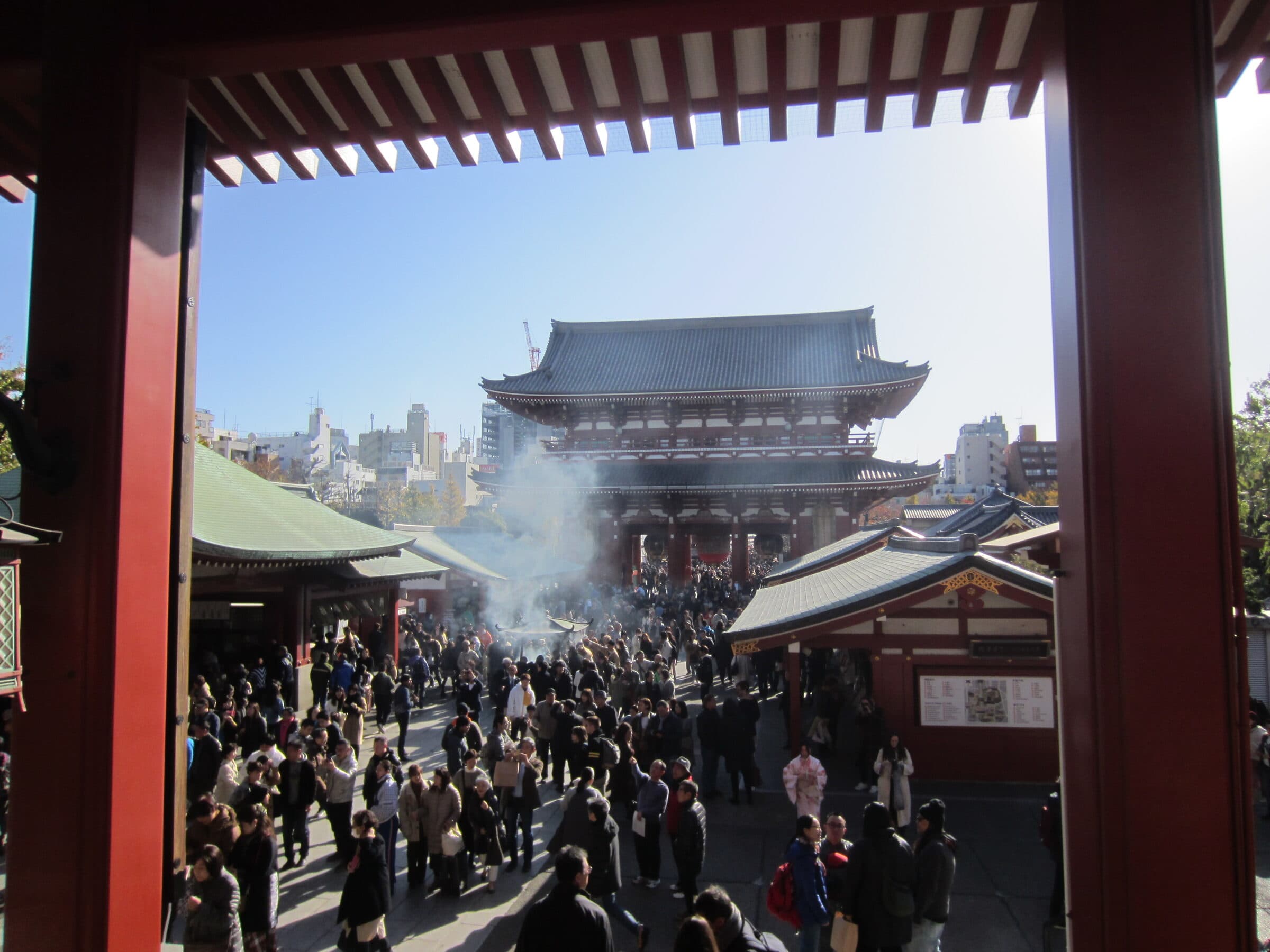
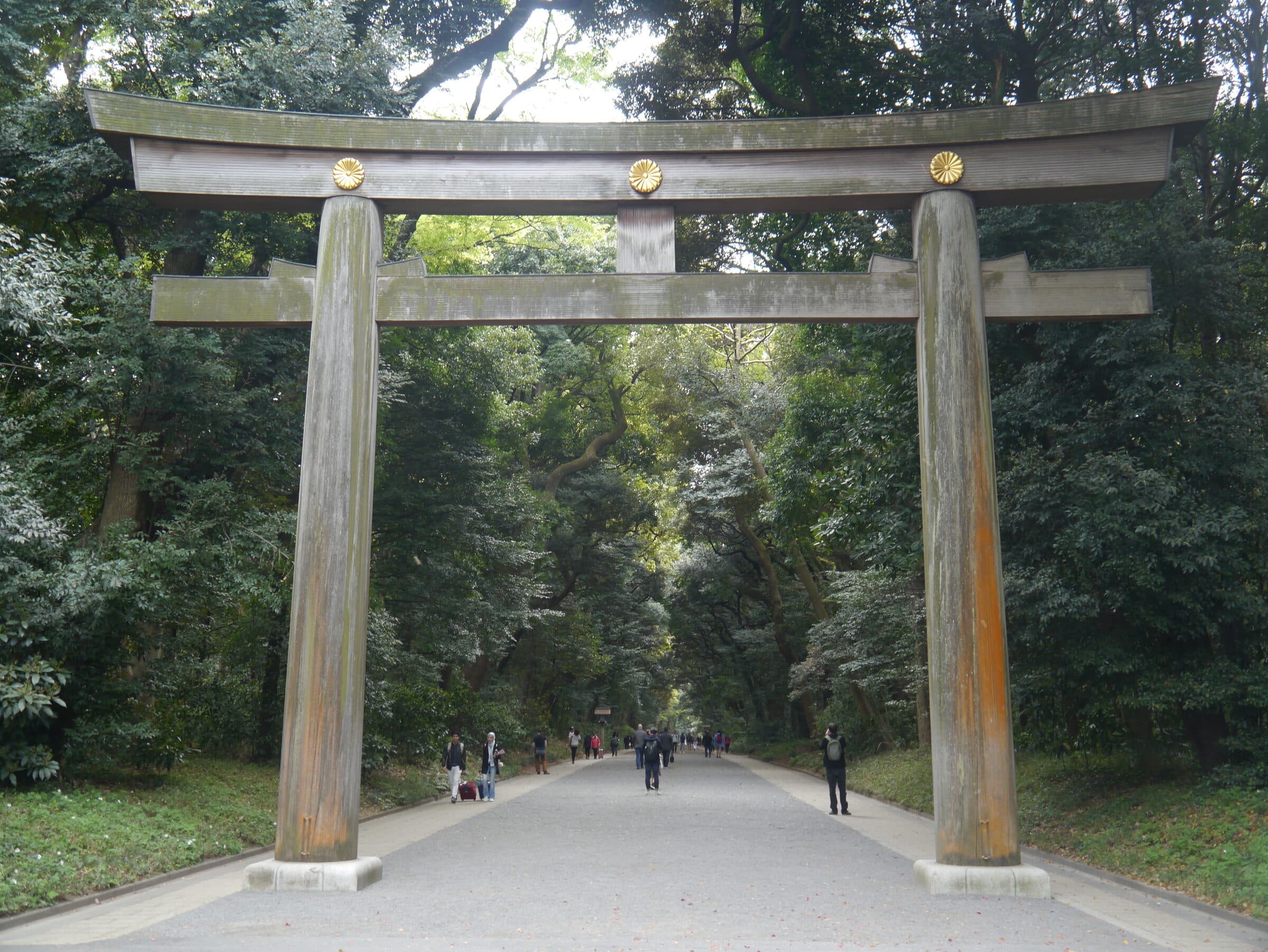
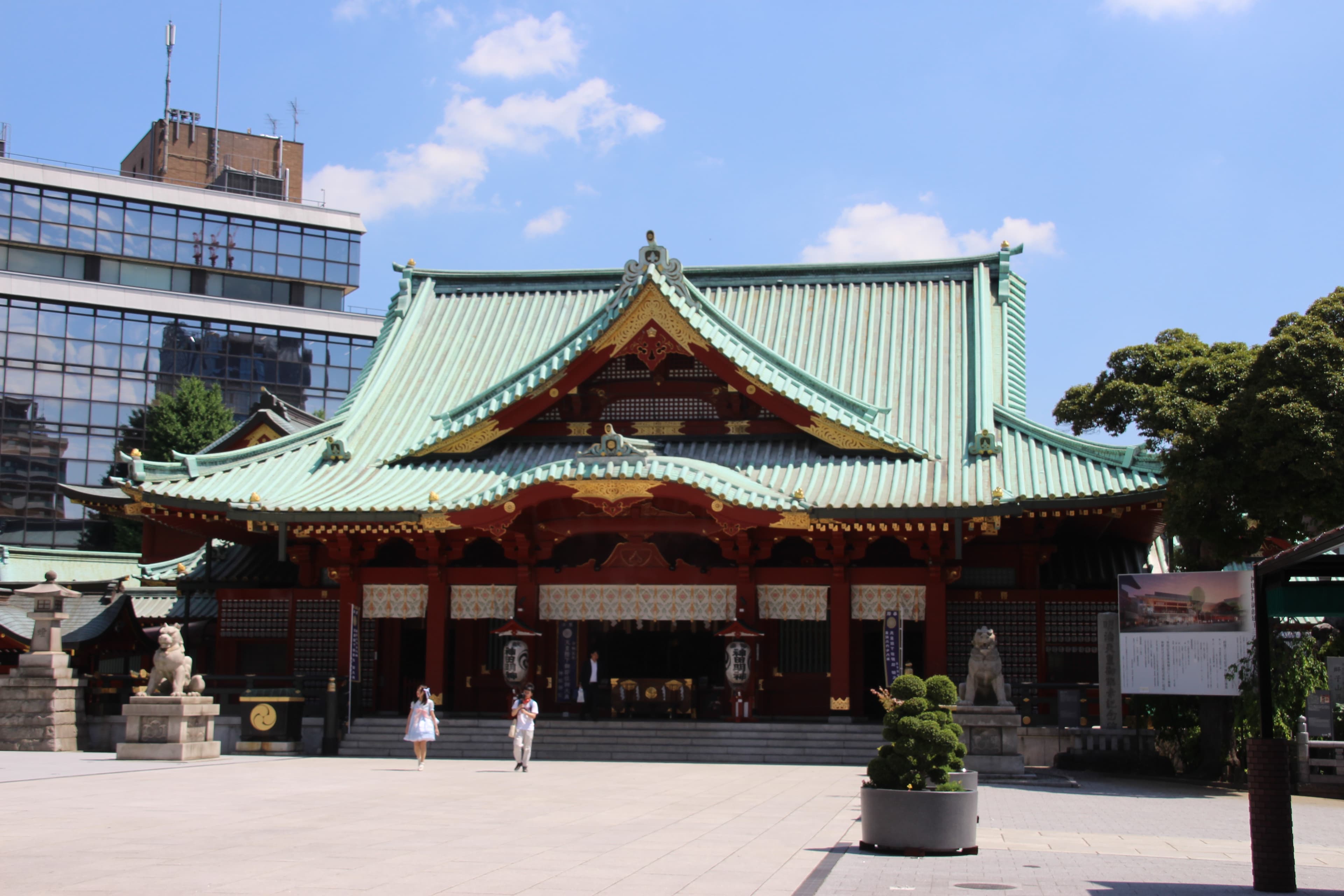
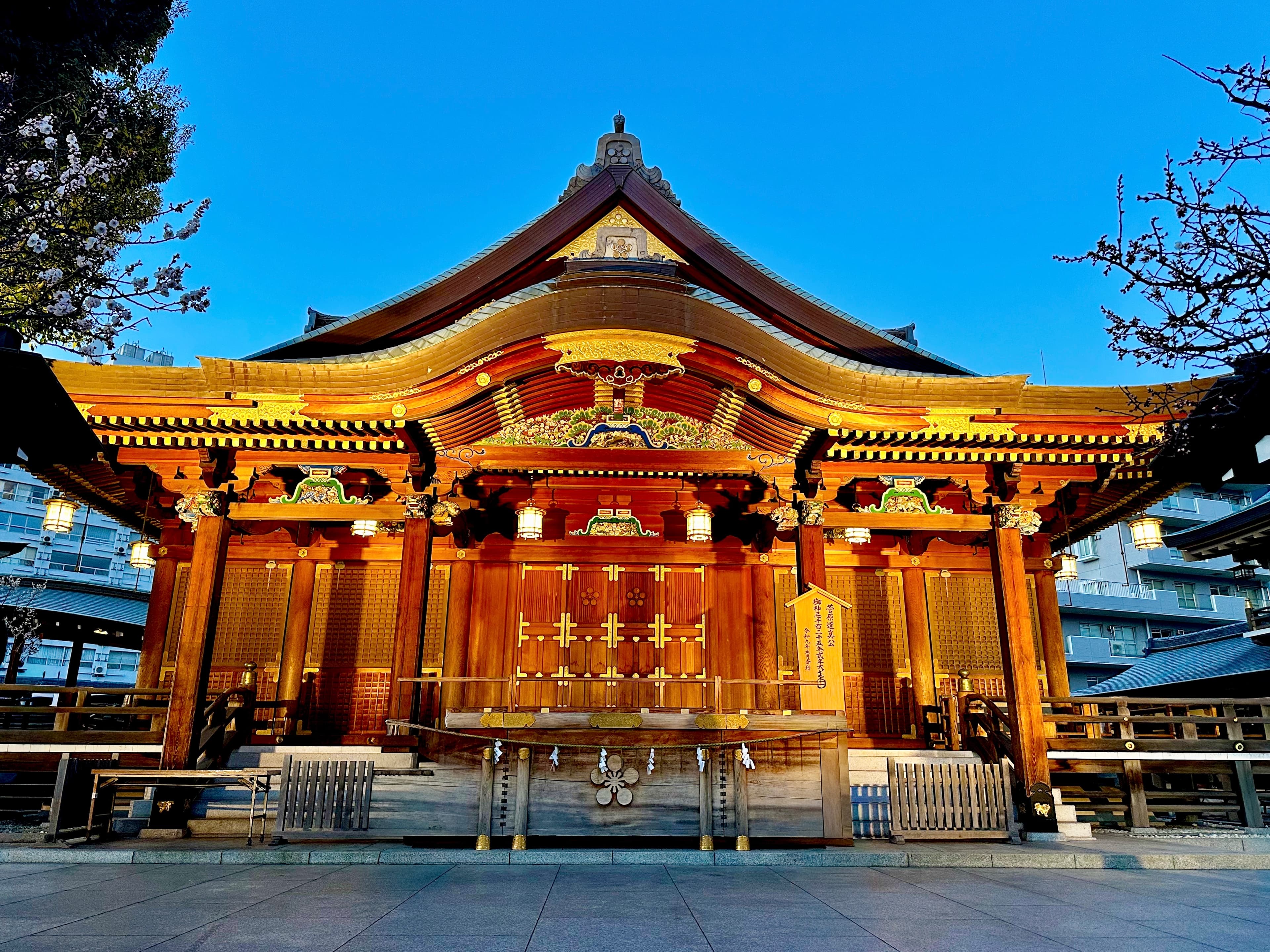
Do not clap at Senso-ji
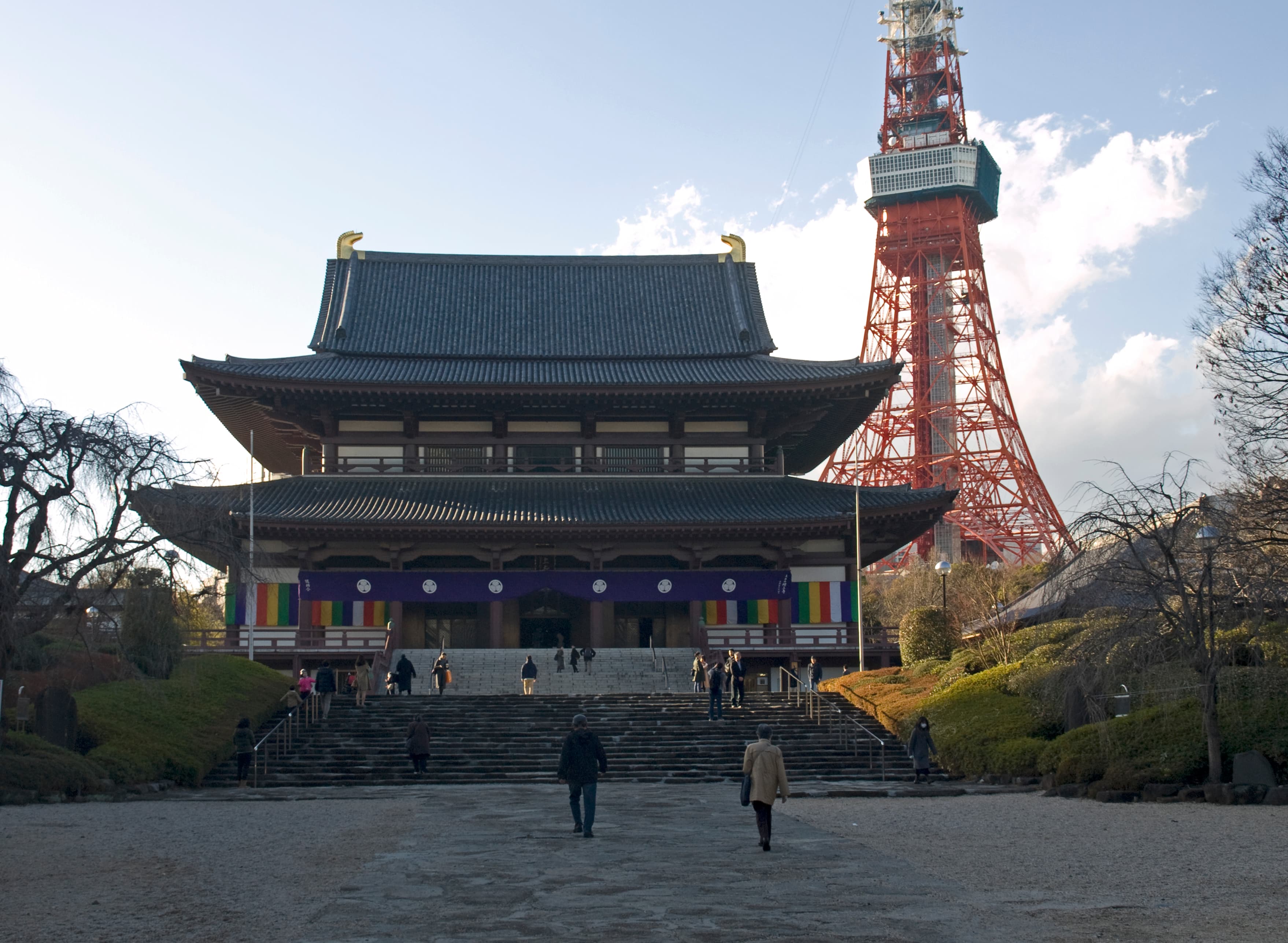
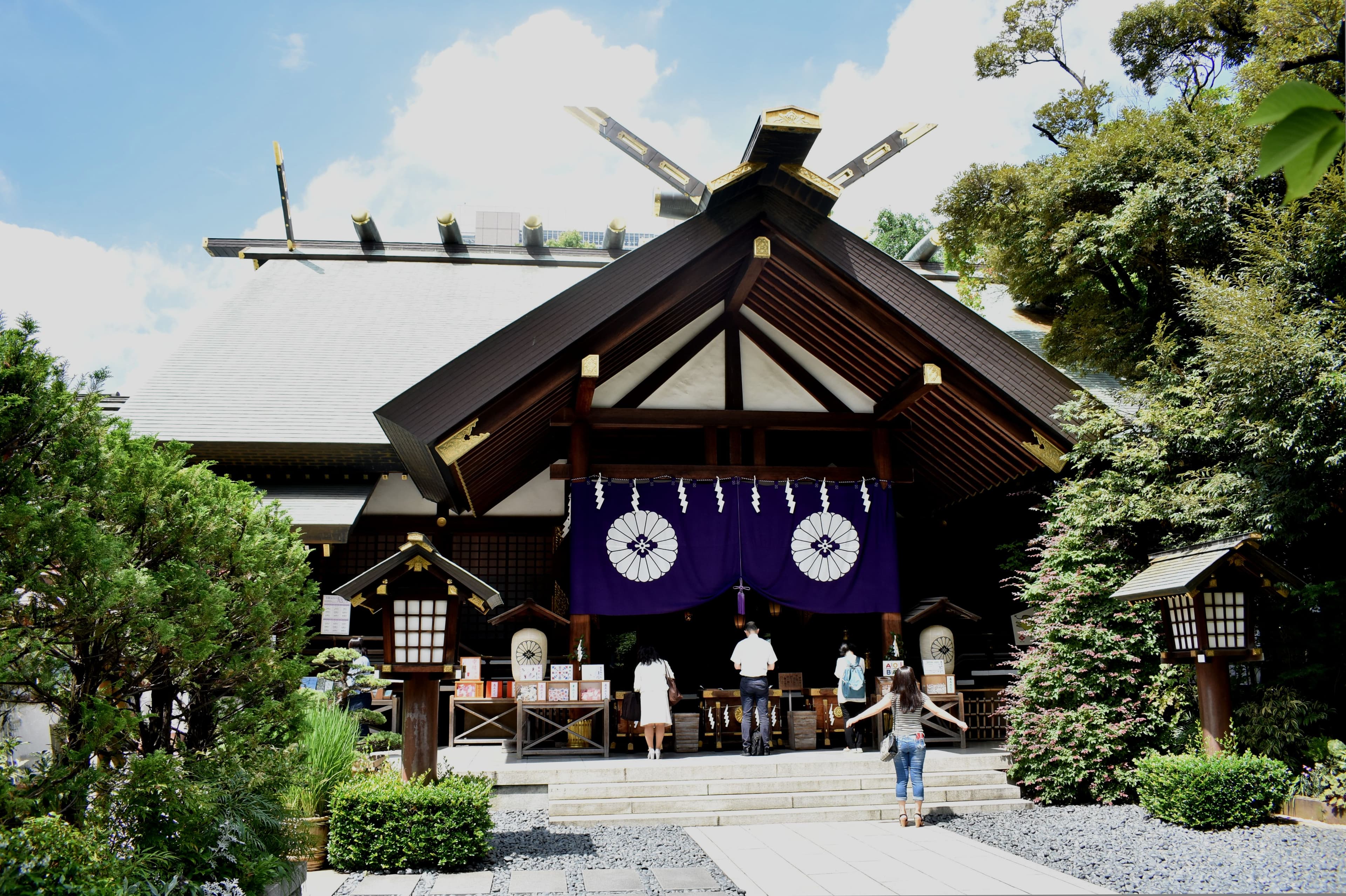
This is the thing to fix before you go. Meiji Jingu is a Shinto shrine: two bows, two claps, one bow. Senso-ji is a Buddhist temple: palms together, held, bow — no clapping. People do both on the same day and carry the reflex from one to the other, and it is audible.
There is a second, smaller trap in the same block: Asakusa Jinja stands inside Senso-ji's precinct and is a separate Shinto shrine with its own priests. You do clap there.
The half-day that actually works
- Senso-ji at 6:00, when the main hall opens. Nakamise's shutters are still down and the coaches have not arrived. And do the thing almost nobody does: take your shoes off and step up into the inner sanctuary.
- Meiji Jingu after that. It opens at sunrise and closes at sunset, so the hours move every month — in December it shuts at 16:00. Allow ten minutes from any entrance just to reach the sanctuary; the walk through the forest is the visit, not the approach to it.
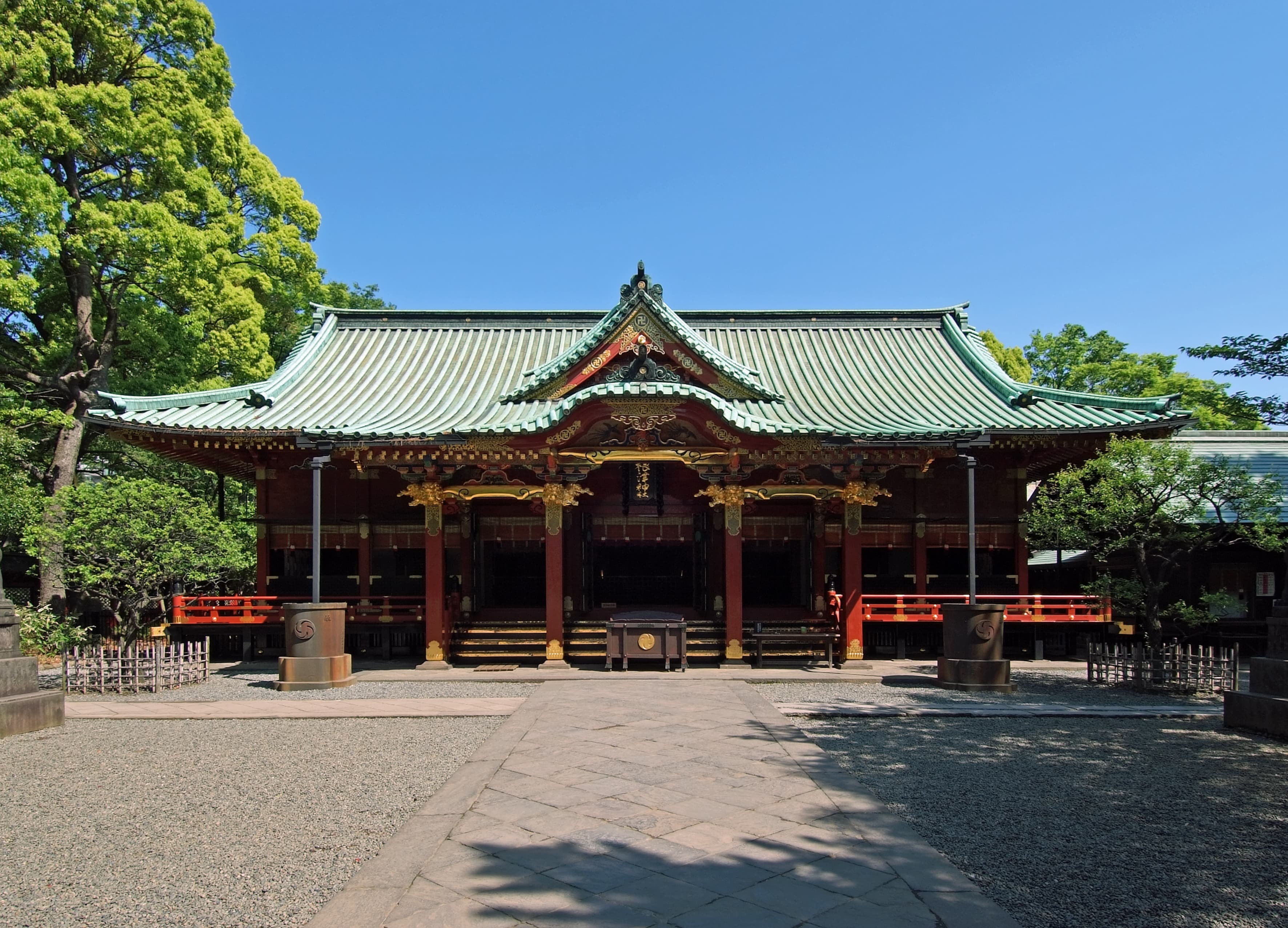
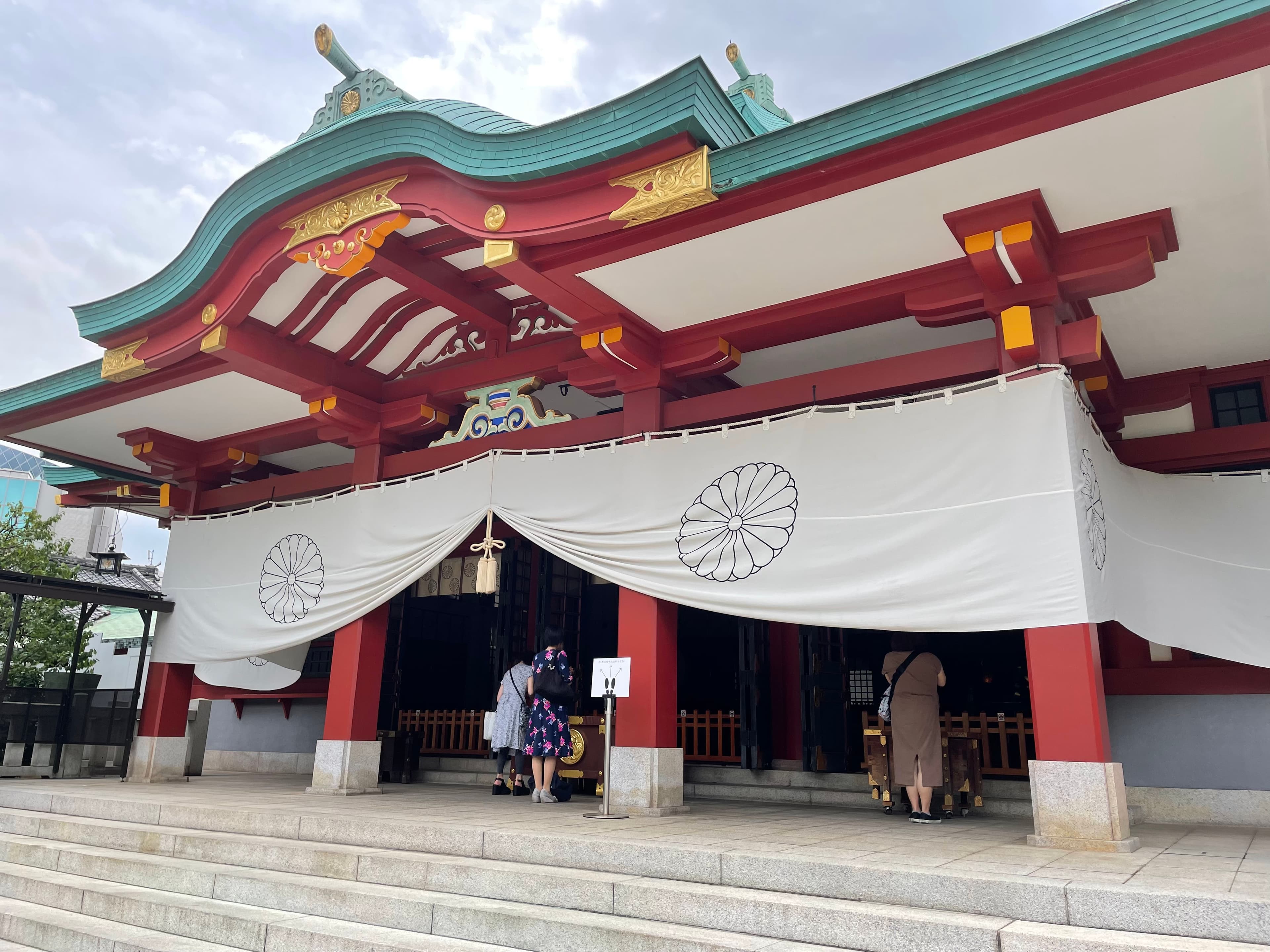
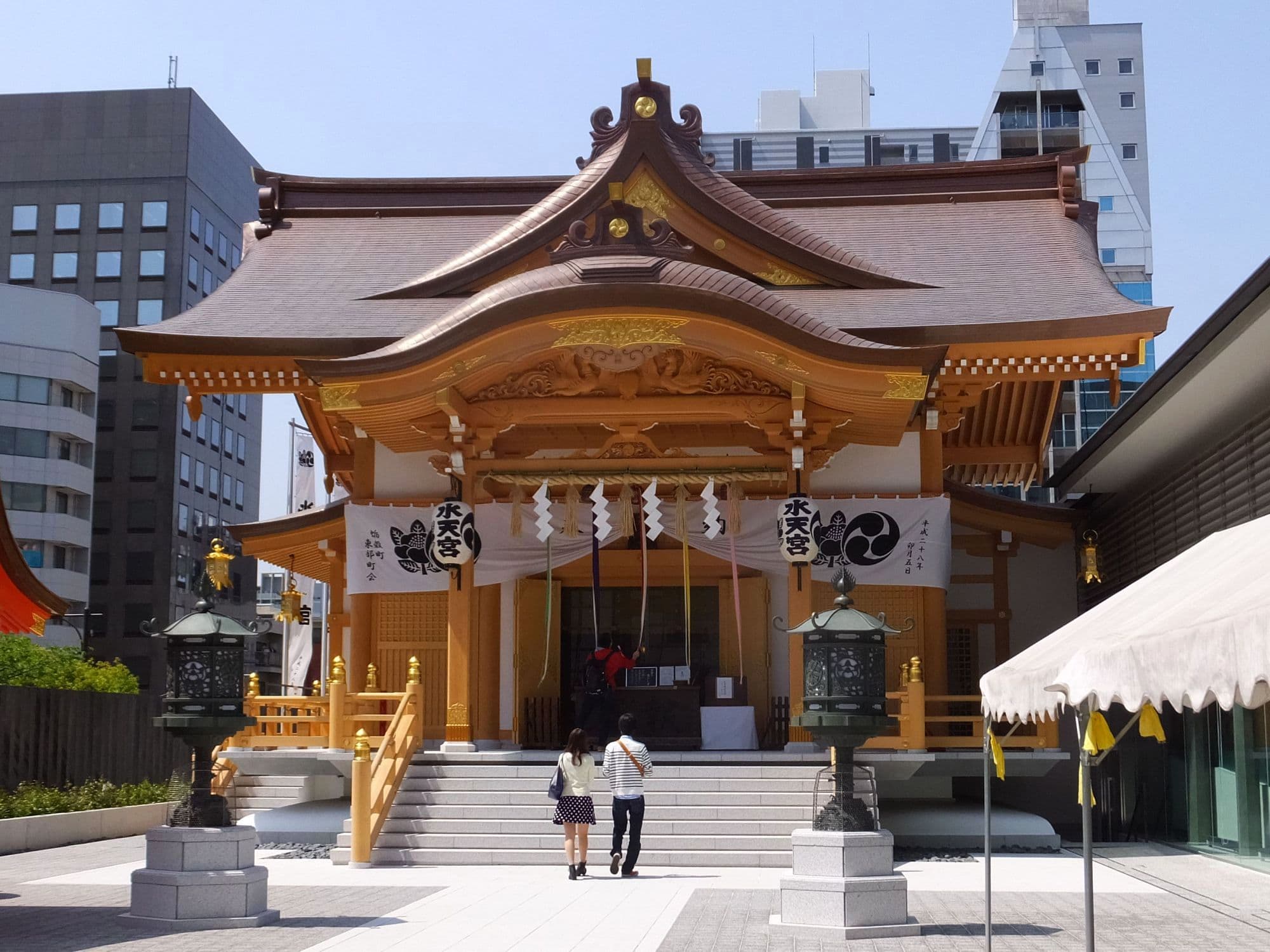
- Then pick by what you are actually asking for. Kanda Myojin for work, Suitengu for a pregnancy, Yushima for an exam, Tokyo Daijingu or Koami for the small-shrine experience.
What is specific to Tokyo
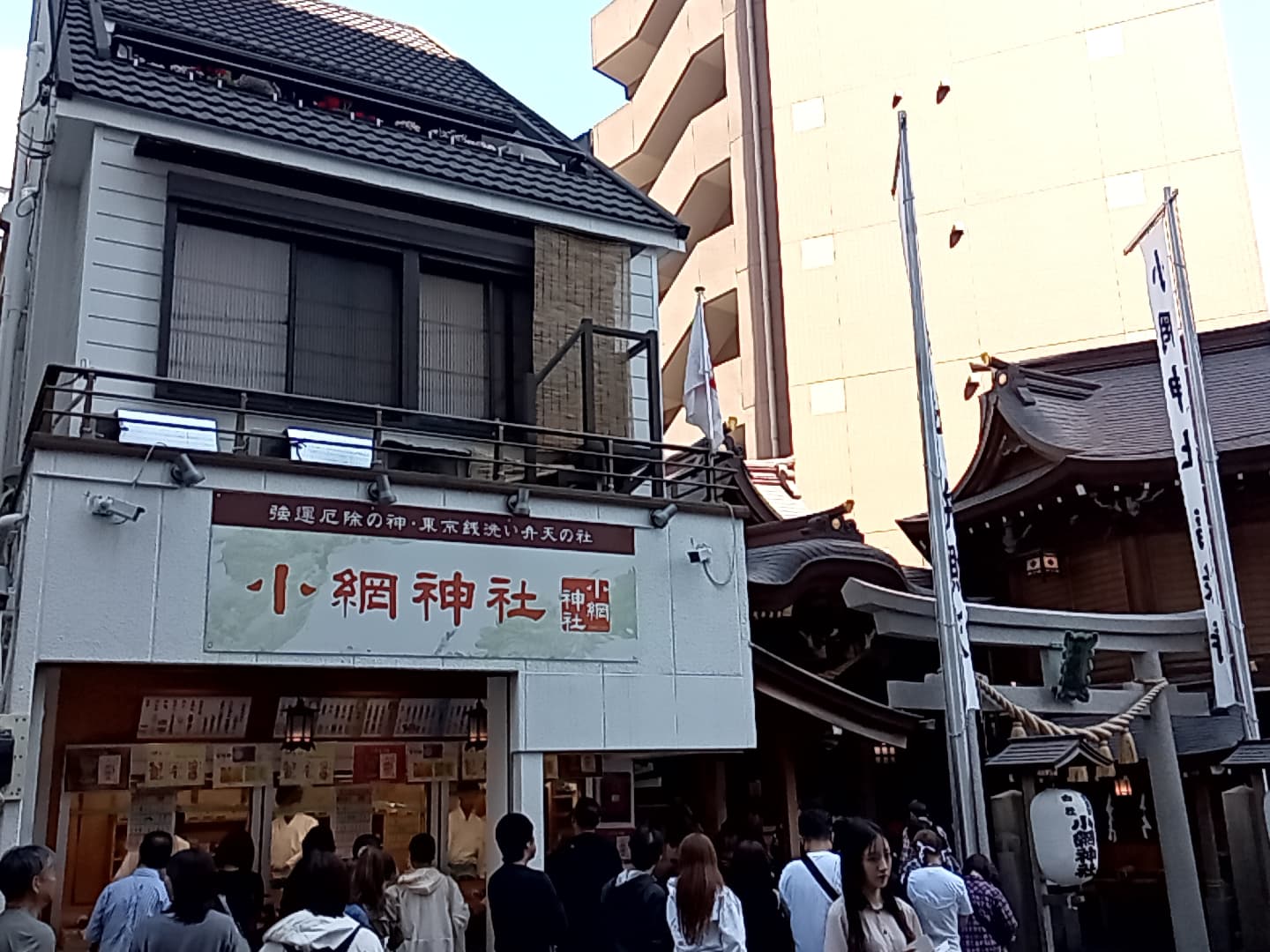
The small shrines close early. Tokyo Daijingu's grounds stay open until 21:00 but its seal office shuts at 17:00 and its amulet counter at 19:00. Turn up in the evening and you can pray and do nothing else. Koami is open at all hours with a counter that runs 9:00–17:00.
Koami asks you to stay away at certain times. Not a crowding tip — the shrine itself requests that visitors avoid the first half of January and winter weekends, because the queue overflows into a public street too narrow to hold it.
Meiji Jingu has one hard photography rule that catches people: no photos or video at the main sanctuary, which is exactly where phones go up.
Nothing here is far from a station, but check which one — four different operators run an "Asakusa" station and they are not one interchange.
If you have not read the worship sequence yet, start there →