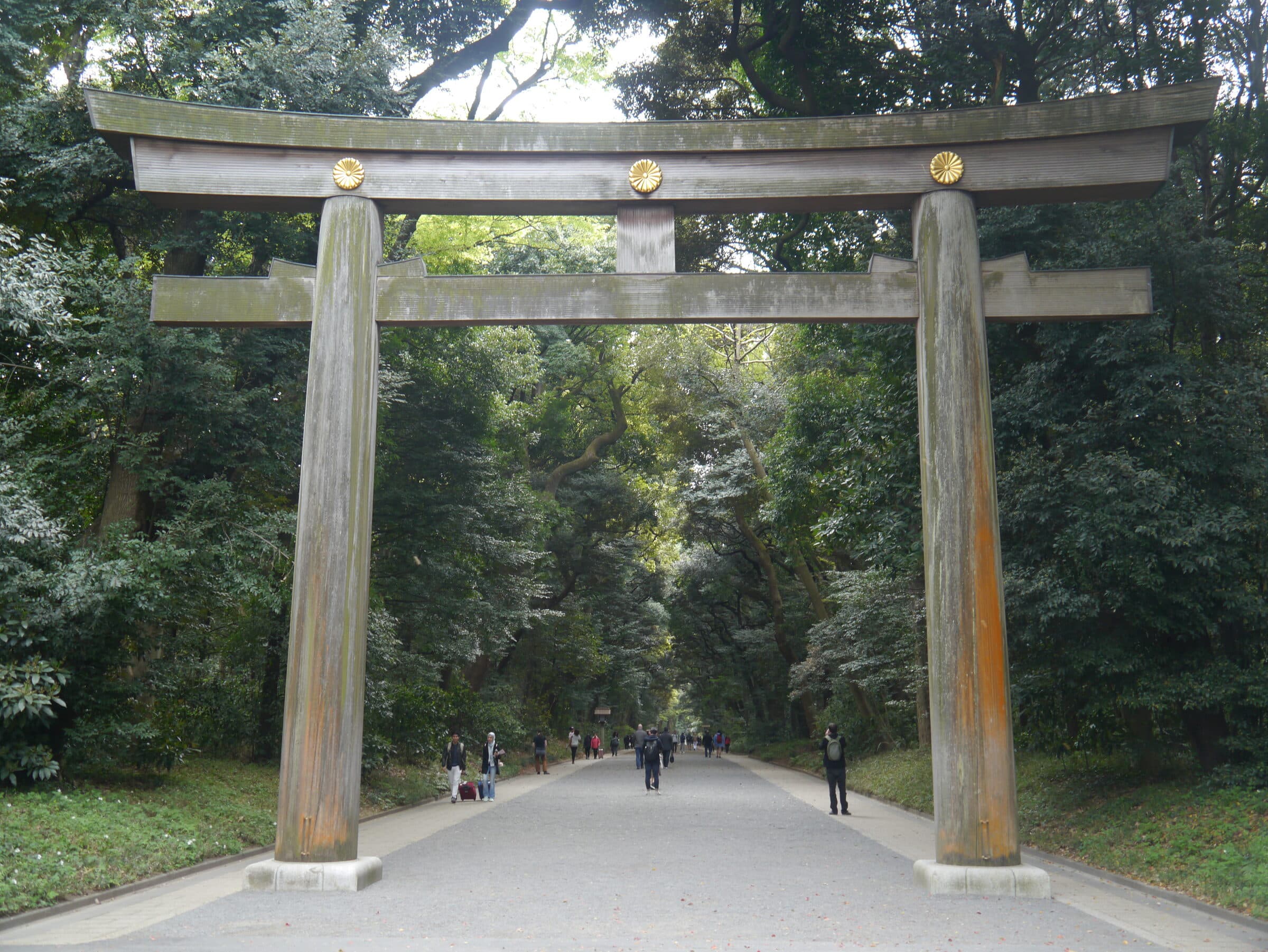
Meiji Jingu
明治神宮
Shibuya, Tokyo · Shinto shrine
A forest of a hundred thousand donated trees, planted from scratch in 1920 and designed to outlive everyone who planted it — with a shrine in the middle.
The thing to understand about Meiji Jingu before you go is that the forest is not old and it is not natural. In 1920 this was largely bare ground. Around a hundred thousand trees were donated from across what was then the empire — the shrine's own account names Sakhalin in the north and Taiwan in the south, and Manchuria and Korea besides — and volunteers planted them.
What makes it remarkable is the design. Rather than plant fast-growing conifers for a quick effect, the planners chose evergreen broadleaf species so the wood would eventually reach a self-sustaining climax state and need no replanting. They were designing a forest for a century after their own deaths, and it worked: 365 species and about 120,000 trees at planting have thinned by natural succession to 234 species and roughly 36,000 larger ones, supporting some 3,000 species of plants and animals in the middle of Tokyo. The shrine calls it the eternal forest.
The shrine enshrines Emperor Meiji, who died in 1912, and Empress Shoken. They are venerated for what they did — the shrine's own pages are largely about his reign — rather than for any mythic function.
Which means the walk is the visit. The main sanctuary sits near the centre of the grounds and the shrine states it is about ten minutes from any of the three entrances. That approach through the trees is not a preamble to the shrine; it is the part the founders built.
Which kami is enshrined here
- Emperor Meiji 明治天皇
- Japan's 122nd emperor (d. 1912), under whom the country transformed within a single reign. The shrine's framing is that after his death the nation's wish to enshrine his spirit and honour his virtues welled up on its own.
- Empress Shoken 昭憲皇太后
- His consort (d. 1914), enshrined alongside him. Yoyogi was chosen for the site because of the couple's long association with the place.
Take part
What you can actually do here
Omikuji here are not fortunes, and this surprises people. Meiji Jingu's Omigokoro has no ranking at all — no great blessing, no curse. The shrine states plainly that it is not a divination. Instead you draw one of thirty poems: fifteen from among Emperor Meiji's 93,032 verses and fifteen from the Empress's 27,825, with a commentary — and an English translation. It is one of the very few devotional objects in Japan you can actually read on the spot.
The reason is documented too: at the founding the shrine wanted something other than the ordinary fortune slip, and a Kokugakuin professor advising them proposed using the deities' own poems.
Ema, ¥500, written and hung by the camphor tree beside the main sanctuary. Worth knowing that the shrine's own wording invites not only requests but gratitude and pledges — an ema here need not be a wish.
Kiganbun. Less known and more interesting: you can write a personal letter of petition or thanks, seal it in an envelope with any offering, and put it in the offertory box at the main sanctuary. Staff collect them and present them at the morning ritual. Almost no foreign visitor learns this exists.
Kiyomasa's Well, inside the Gyoen garden — around 60 litres a minute at a steady 15°C, never dry. Read the caution below before planning around it.
Etiquette
Where this place differs
Standard shrine sequence: two bows, two claps, one bow. You worship from outside the sanctuary; entering for a formal prayer service is arranged at the Kaguraden and is open to anyone who applies.
The gravel underfoot on the approach is not decoration — the shrine explains it as serving purification.
The two large camphor trees joined by a rope near the sanctuary are the Meoto Kusu, the husband-and-wife camphors. The shrine names them on its own English map and describes them as a symbol of a solid marriage and a popular spot for people looking for a partner. It is also where you hang your ema. Do not touch the trunks or the rope.
New to this? Read the full worship sequence first.
Goshuin
Getting the seal here
Offered at the Nagadono, the counter in front of the Kaguraden. ¥500, and an original Meiji Jingu goshuincho is ¥1,000 — both figures are on the shrine's own English page, which is unusual and welcome.
Hours are 9:00 until closing, and since closing moves with the sunset, so does this. The shrine also warns that the reception point can change from day to day, so treat "the Nagadono" as where to start looking rather than a fixed address.
Before you go
December closes at 16:00 — the earliest of the year. Arrive at four on a winter afternoon and you have missed it entirely.
The garden shuts before the shrine does. Kiyomasa's Well is behind the ¥500 Gyoen gate, which closes at 16:00–16:30 in most months while the shrine stays open later. Worship first and go looking for the well afterwards and you will find it locked. Do the garden first.
What the shrine asks you not to do, and it is unusually explicit: stray from the path into the forest, or take any living thing, flower, branch or nut into or out of it; and eat, drink or smoke outside the designated areas. That last one catches a lot of people who carry a Harajuku crepe onto the approach.
Photography has one hard limit, and it is the one people walk into. The shrine's English etiquette page says plainly: do not take photos or videos at the main sanctuary, where people make prayers. That is the spot everyone raises a phone. Elsewhere in the grounds ordinary personal photography is fine. Drones are prohibited outright, and filming or promotional photography needs permission.
Requiring permission rather than banned: running or sports, selling anything, assemblies and banners. Hired professional photo sessions the shrine asks you to refrain from — its own wording there is a request.
Hatsumode here draws the largest New Year crowd in Japan, on a completely different schedule.
Map
Sources
This entry was compiled from the following, most of them in Japanese.
Others people visit for the same reasons
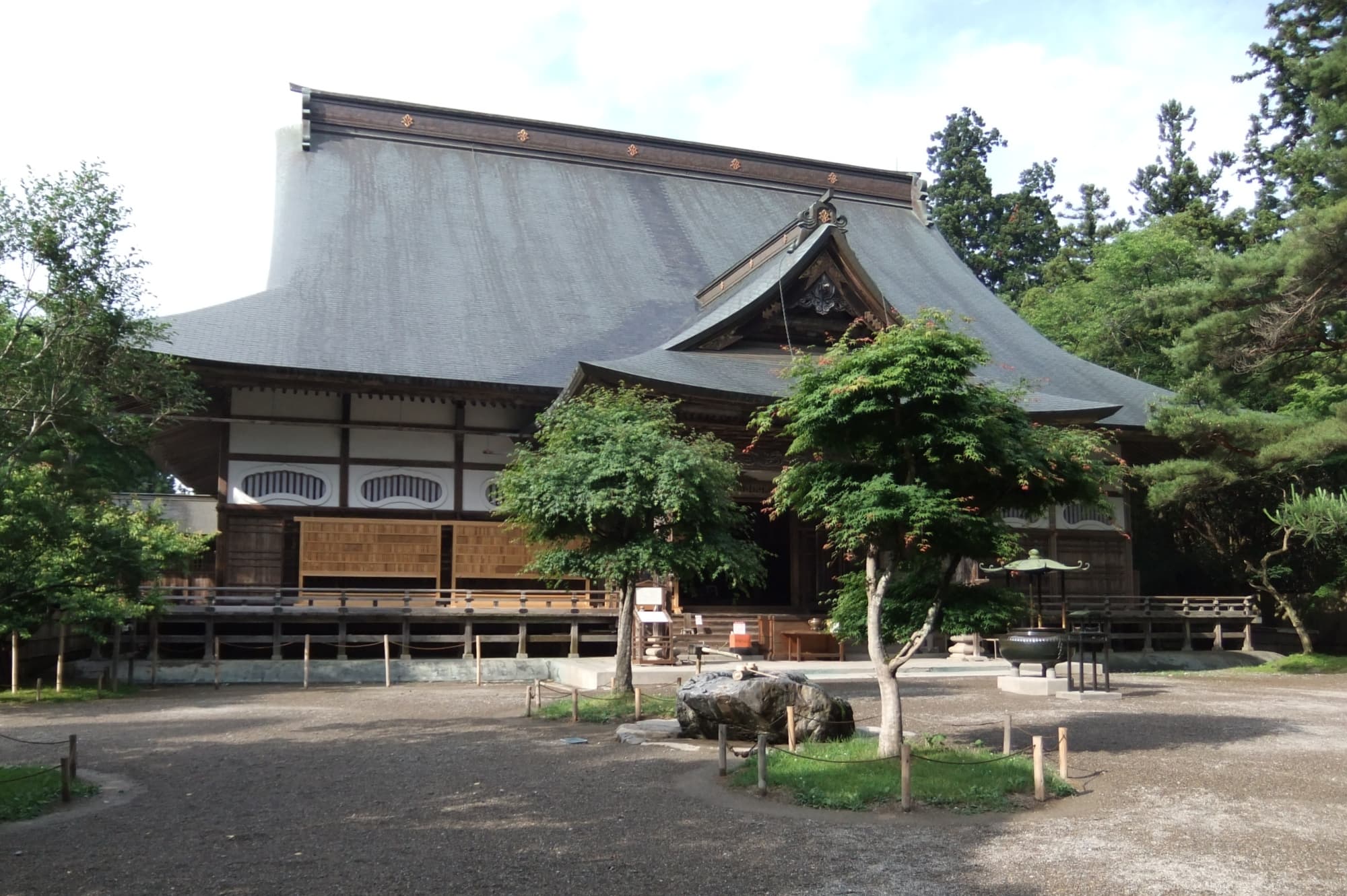
Chuson-ji
中尊寺 · Hiraizumi, Iwate
A World Heritage Tendai temple whose golden hall was raised in 1124 as a vow for the repose of the dead of both sides in a war — and it is a temple, so do not clap.
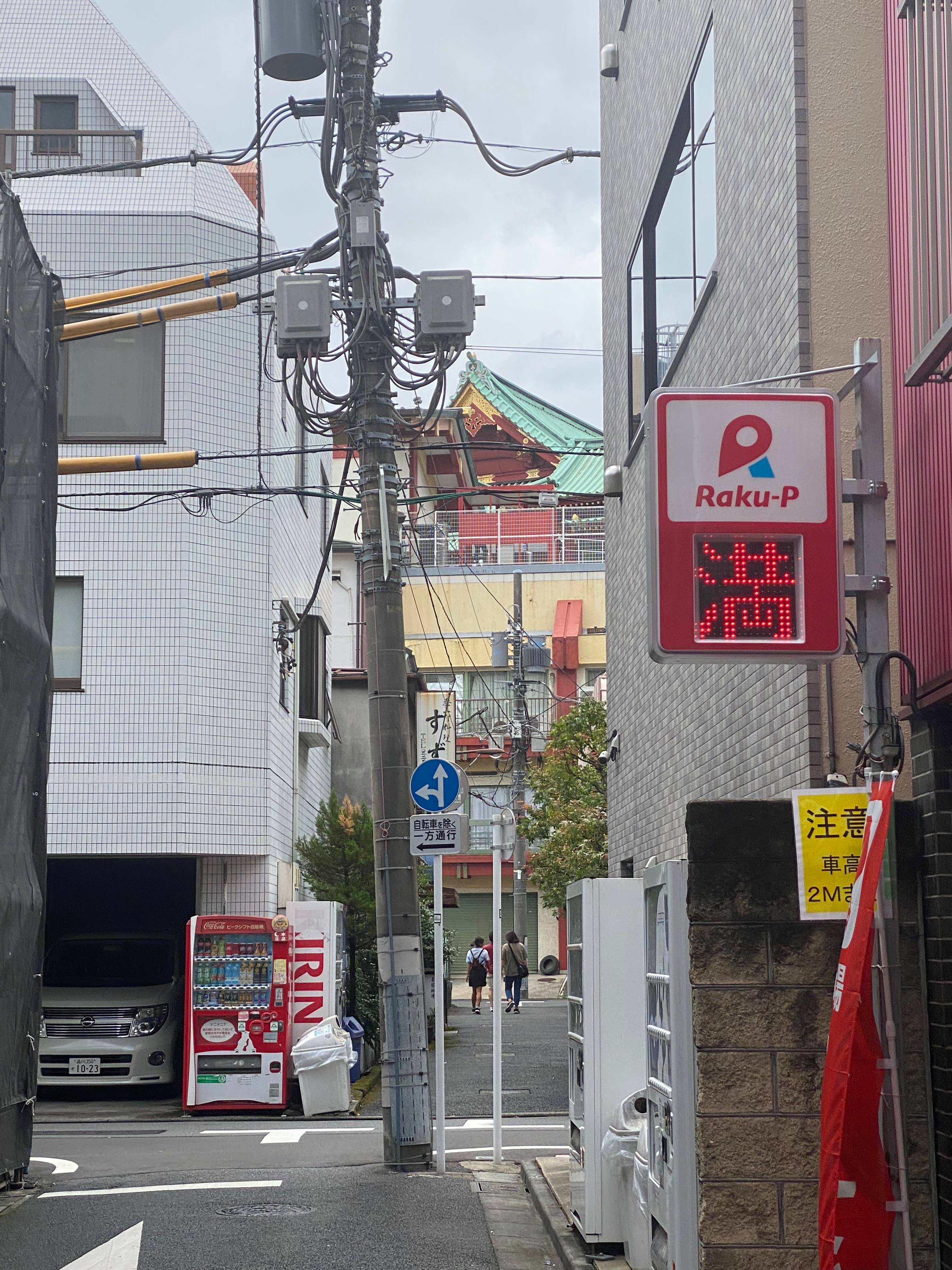
Kanda Myojin
神田明神 · Chiyoda, Tokyo
The tutelary shrine of Edo's merchant districts, next door to Akihabara — and the most relaxed major shrine in Tokyo about how you approach it.
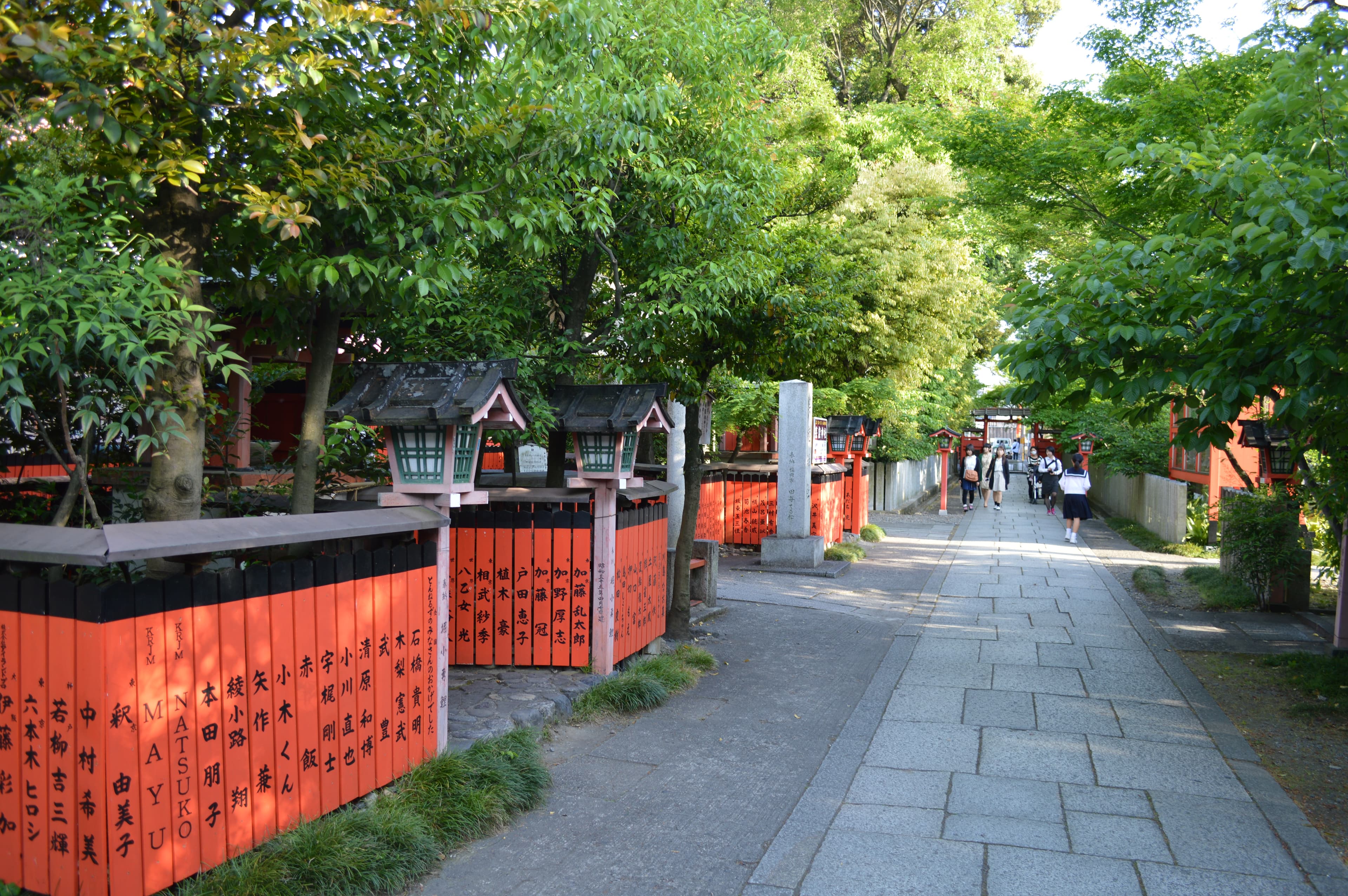
Kurumazaki Jinja
車折神社 · Ukyo, Kyoto
The Arashiyama shrine where promises are kept — and where four thousand vermilion plaques carry the names of Japanese performers, dedicated by the performers themselves.
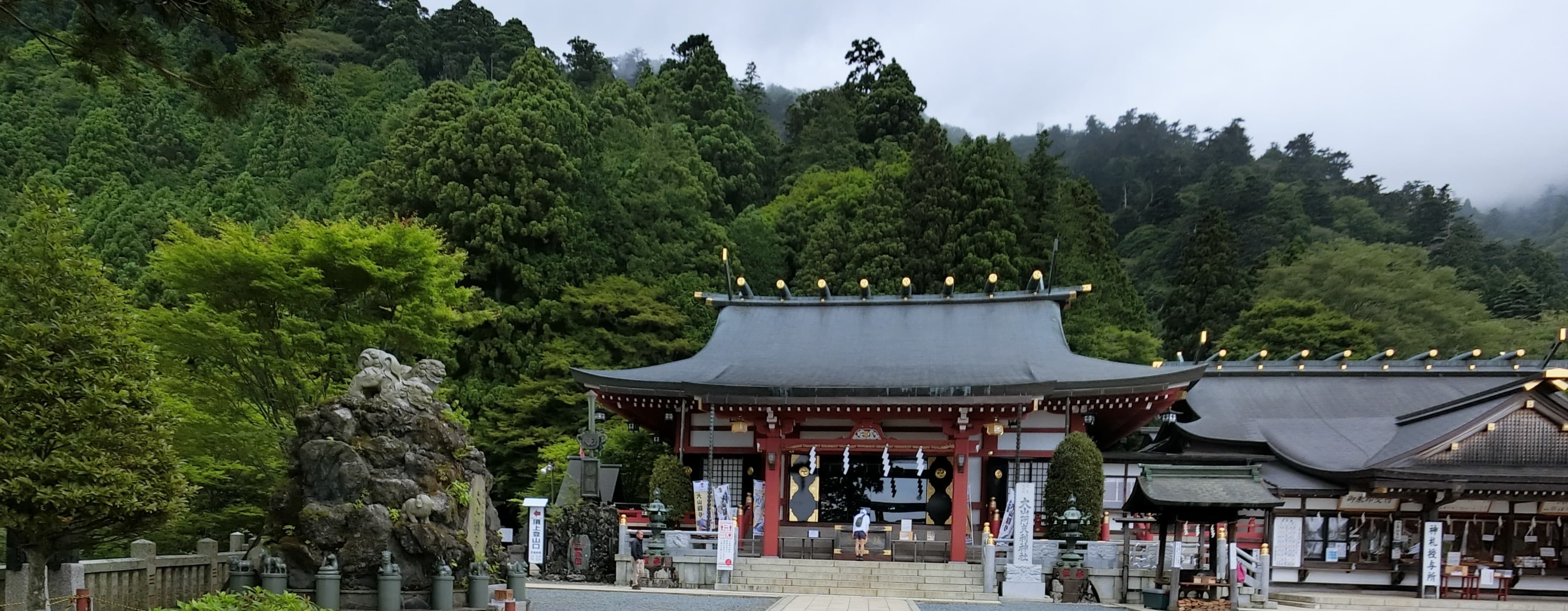
Oyama Afuri Jinja
大山阿夫利神社 · Isehara, Kanagawa
A mountain shrine ninety minutes from Tokyo where the lower hall is a cable-car ride and the upper hall is a two-hour climb — and the difference matters.