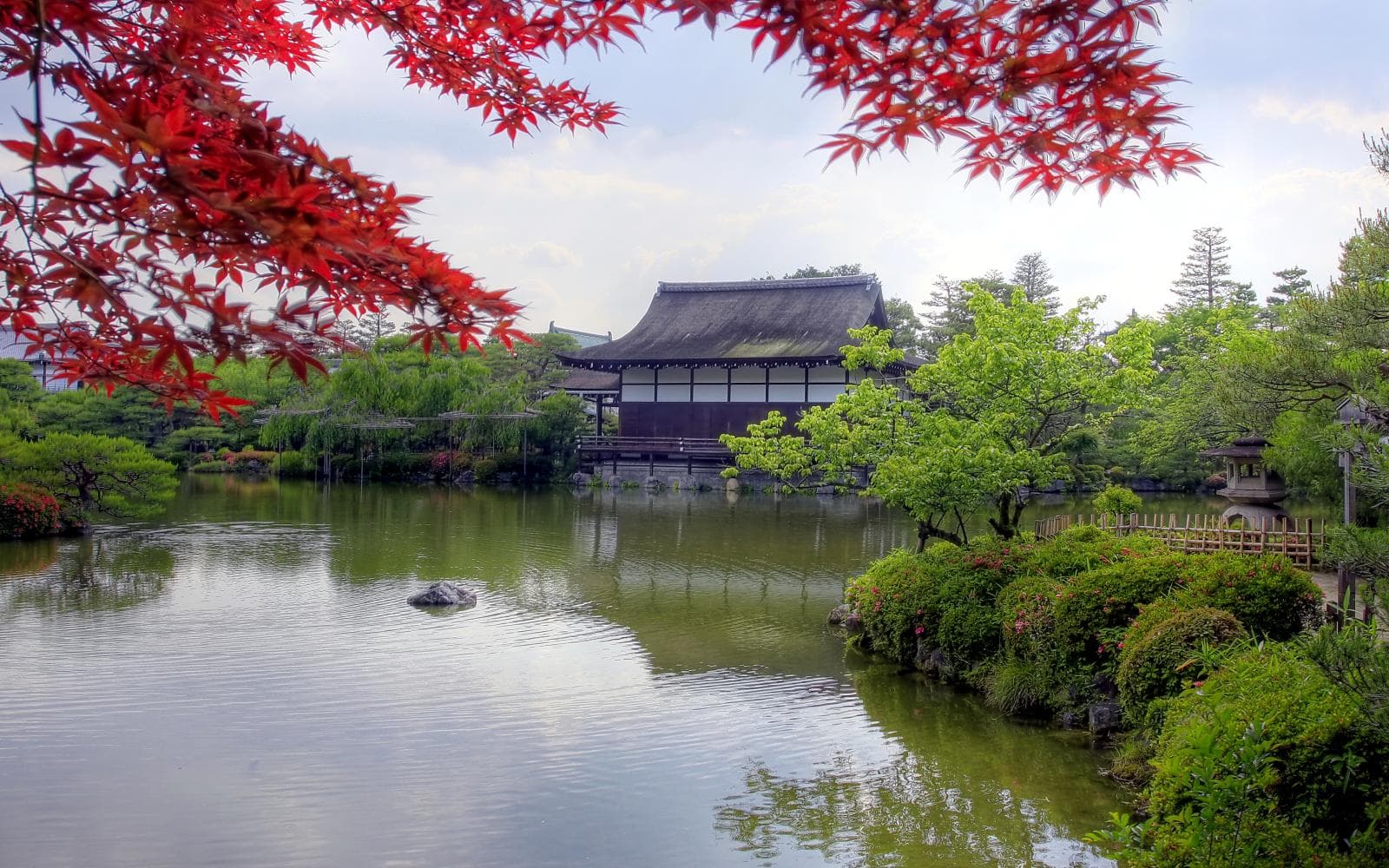
Heian Jingu Shrine
平安神宮
Kyoto, Kyoto · Shinto shrine
A 5:8-scale reconstruction of Kyoto's ancient State Hall, where the shrine courtyard is free and the four landscape gardens are a separate visit.
Heian Jingu was built in 1895 to mark the 1,100th anniversary of Heian-kyō. It enshrines Emperor Kanmu, who established the capital, and Emperor Kōmei, the last emperor to rule from Kyoto. The buildings reproduce the Chōdōin complex of the ancient imperial palace at five-eighths scale; they are a modern reconstruction designed to preserve the memory of the old capital, not surviving Heian-period structures.
The first-time visitor needs to separate the free shrine visit from the paid Shin'en. The vermilion Otenmon gate, Daigokuden outer worship hall and the main shrine courtyard form the ordinary worship route. The four gardens behind the shrine — East, Middle, West and South — are a National Site of Scenic Beauty and require a separate ticket. The garden entrance is inside the shrine courtyard, so a garden ticket does not replace worship at the main sanctuary.
The shrine's current prayer and amulet pages list warding off misfortune, health, money and business, bonds, study, road safety, childbirth and work among its offerings. Those are categories of prayers and amulets available at the shrine, not guarantees of an outcome.
Which kami is enshrined here
- Emperor Kanmu 桓武天皇
- The first enshrined emperor, who established Heian-kyō as the capital in 794. Heian Jingu was founded in 1895 to commemorate the capital's history.
- Emperor Kōmei 孝明天皇
- The second enshrined emperor, added in 1940 and described by the shrine's English guide as the last emperor to rule from Heian-kyō.
Take part
What you can actually do here
Worship the shrine before entering the gardens
Heian Jingu's official worship guide gives the route and the sequence. Cleanse yourself at the temizuya, keep to the side rather than walking along the centre of the approach, and stand before the main sanctuary. Remove your hat, settle your posture, then make two bows, two claps and one bow. The shrine gives the sequence as a quiet act of prayer, not as a performance for the camera.
The Shin'en begins behind the courtyard. It is a four-garden landscape by Ogawa Jihei VII and other gardeners, with each garden carrying a different period's style. Entry is paid separately and is normally open 8:30–18:00 in the current March–September season, with admission until 17:30.
Use the 19 September opening if that is your day
The shrine has announced a one-day free Shin'en opening on 19 September 2026, from 8:30–16:30, with a date-limited goshuin prepared for the occasion. That is an event-day exception to the ordinary garden ticket, not a permanent change in admission.
See the Jidai Matsuri as a procession
The Jidai Matsuri is held on 22 October each year, with the procession beginning around noon. The shrine's 2026 procession-participant recruitment reached its planned number and closed on 27 August; do not present the old recruitment notice as an open visitor application. For a visitor, the meaningful part is watching the historical procession and checking the shrine's notice for rain postponement and access changes.
Etiquette
Where this place differs
Heian Jingu publishes its own Shinto worship sequence: cleanse at the temizuya, avoid the centre of the approach, remove your hat and make two bows, two claps and one bow at the main sanctuary. The centre line is treated as the route of the kami, so use the side of the approach.
The shrine's current visitor guidance says there is no parking on the grounds and asks visitors to use nearby paid lots or public transport. It also prohibits unapproved drones, restricts commercial use of the shrine's name and buildings, and asks visitors not to photograph toward the main sanctuary from the Daigokuden.
New to this? Read the full worship sequence first.
Goshuin
Getting the seal here
The shrine's current FAQ states that a Heian Jingu goshuin is ¥500 and that a paper seal is available. The FAQ does not identify a separate goshuin counter, daily reception hours or a direct-writing rule. The shrine separately identifies amulet counters at the Daigokuden and Otenmon, but that does not establish the goshuin desk location. Ask at the current授与所 after worship.
The 19 September 2026 free-garden notice also announces a date-limited goshuin for that day. Treat that design as an event offering rather than the regular seal, and confirm whether it is paper-only at the shrine on the day.
Before you go
The garden and the courtyard are not the same ticket. The Shin'en is a paid landscape garden entered from inside the shrine courtyard; the courtyard and ordinary worship are free. On 19 September 2026, the shrine has announced a one-day free Shin'en opening and a date-limited goshuin, with hours of 8:30–16:30.
The 2026 Jidai Matsuri procession recruitment is closed. The shrine's 27 August notice says the planned number of procession participants was reached; its earlier notice also included a separate brochure-sales role. Do not treat either notice as a general visitor sign-up or assume an English-language application exists.
On 22 October, festival operations can change the gate, sanctuary and garden route. Check the shrine's latest notice for the rain-postponement date and access restrictions. The shrine has no on-site parking, and its guidance asks visitors not to use drones or conduct unapproved commercial photography.
Map
Sources
This page draws on the following sources, most of them in Japanese.
- 平安神宮 — 公式サイト
- Heian Jingu Shrine — official English guide
- 平安神宮 — ご参拝の方へ(作法・参拝時間)
- 平安神宮 — ご来宮の皆様へ(注意・FAQ)
- 平安神宮 — ご祈祷のご案内
- 平安神宮 — 授与品(お神札・お守り)
- 平安神宮 — 神苑
- 平安神宮 — 社殿・境内案内
- 平安神宮 — 時代祭
- 平安神宮 — 年間行事
- 平安神宮 — 2026年時代祭行列参加募集(募集終了の根拠)
- 平安神宮 — 2026年秋の神苑無料公開・限定朱印
- 平安神宮 — 公式紹介PDF
- 平安神宮 — 公式Instagram
- 平安神宮 — 公式X
- 京都市公式 京都観光Navi — 平安神宮
- 京都市 — 平安神宮の文化景観
- 平安神宮 — Wikidata(座標・別名照合)
Others people visit for the same reasons
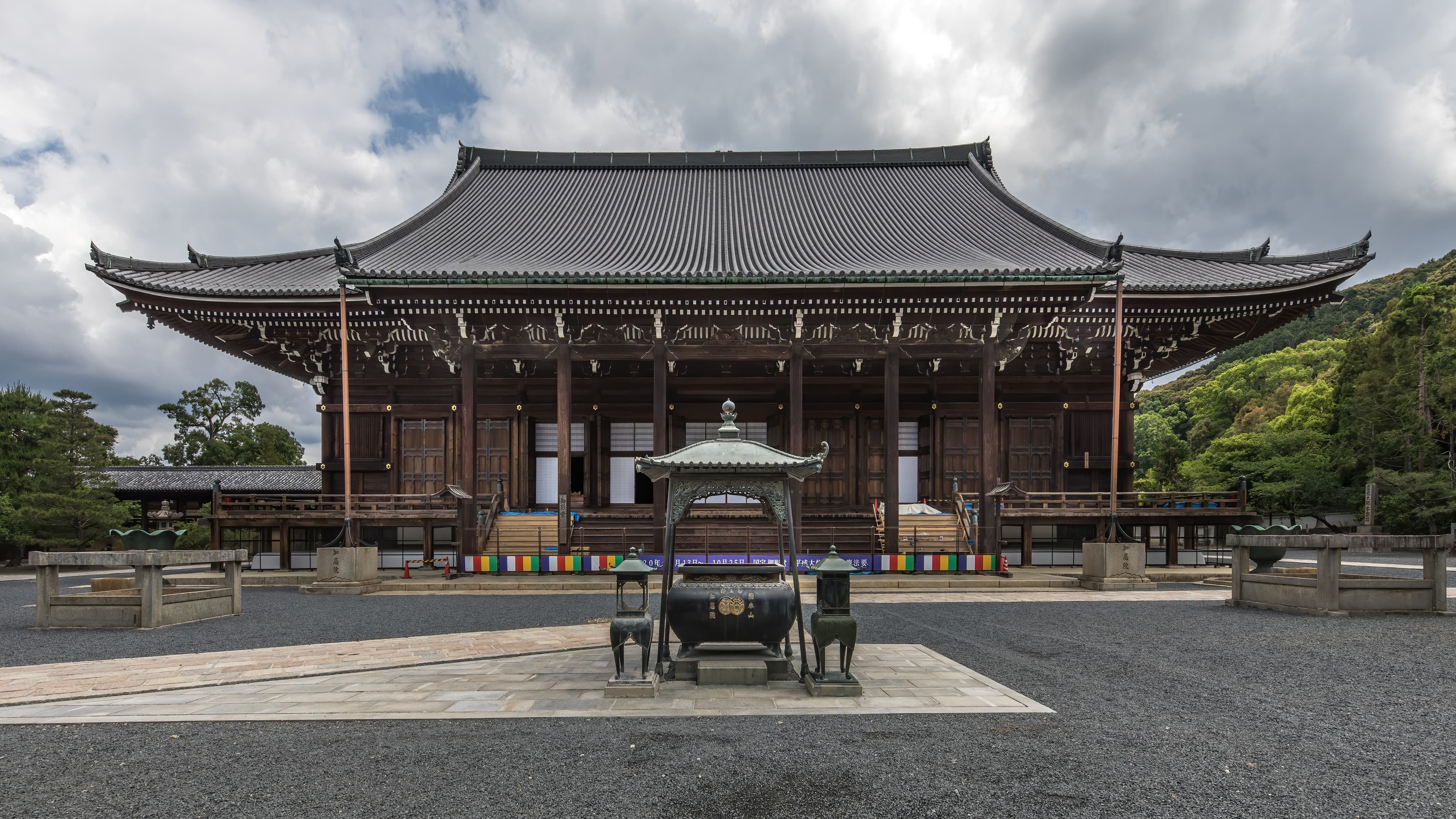
Chion-in Temple
知恩院 · Kyoto, Kyoto
Kyoto's Jōdo-shū headquarters, where a free visit to Hōnen's hall, a separate garden ticket and an exact Nembutsu practice form one useful route.
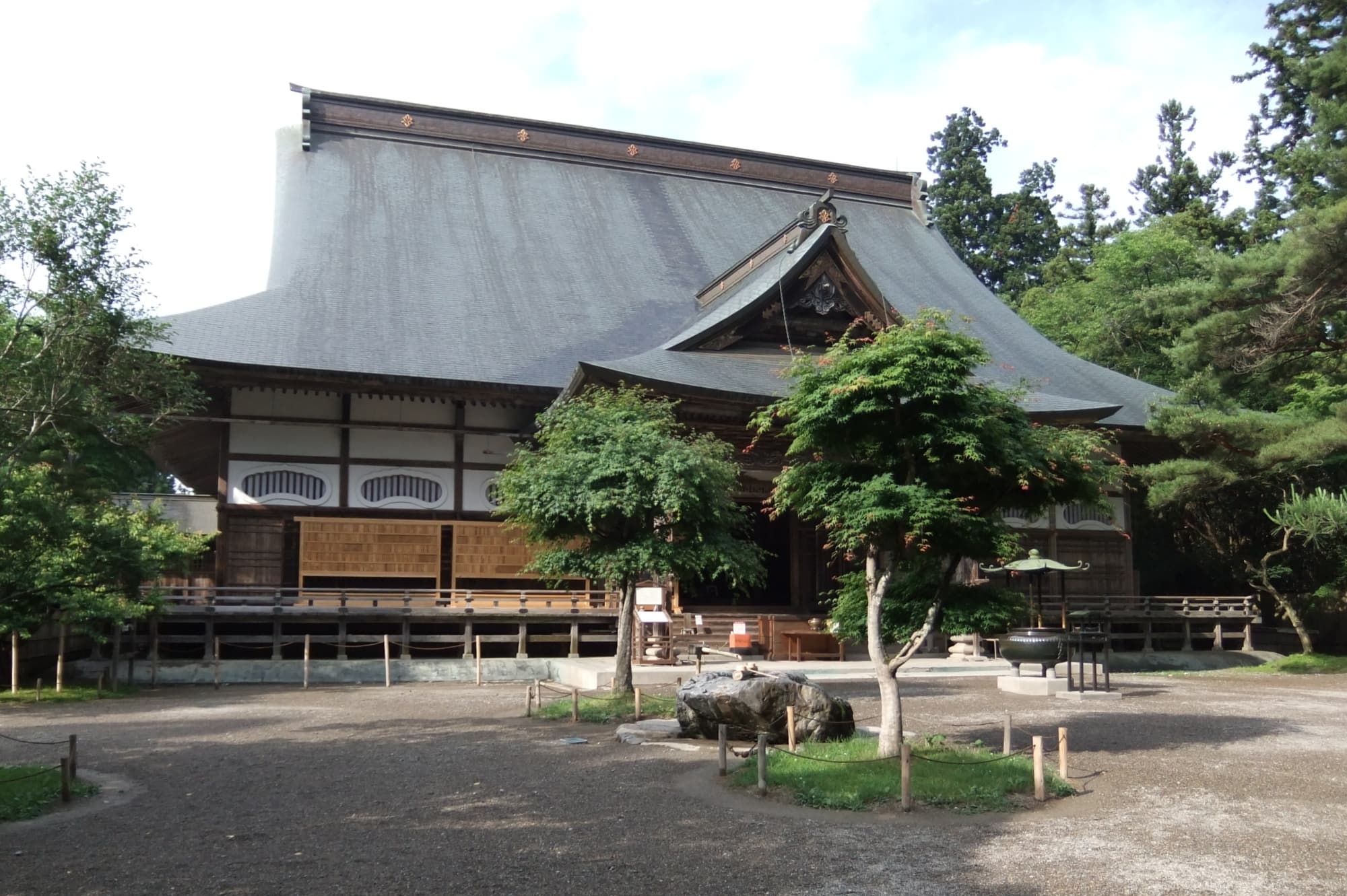
Chuson-ji
中尊寺 · Hiraizumi, Iwate
A World Heritage Tendai temple whose golden hall was raised in 1124 as a vow for the repose of the dead of both sides in a war — and it is a temple, so do not clap.
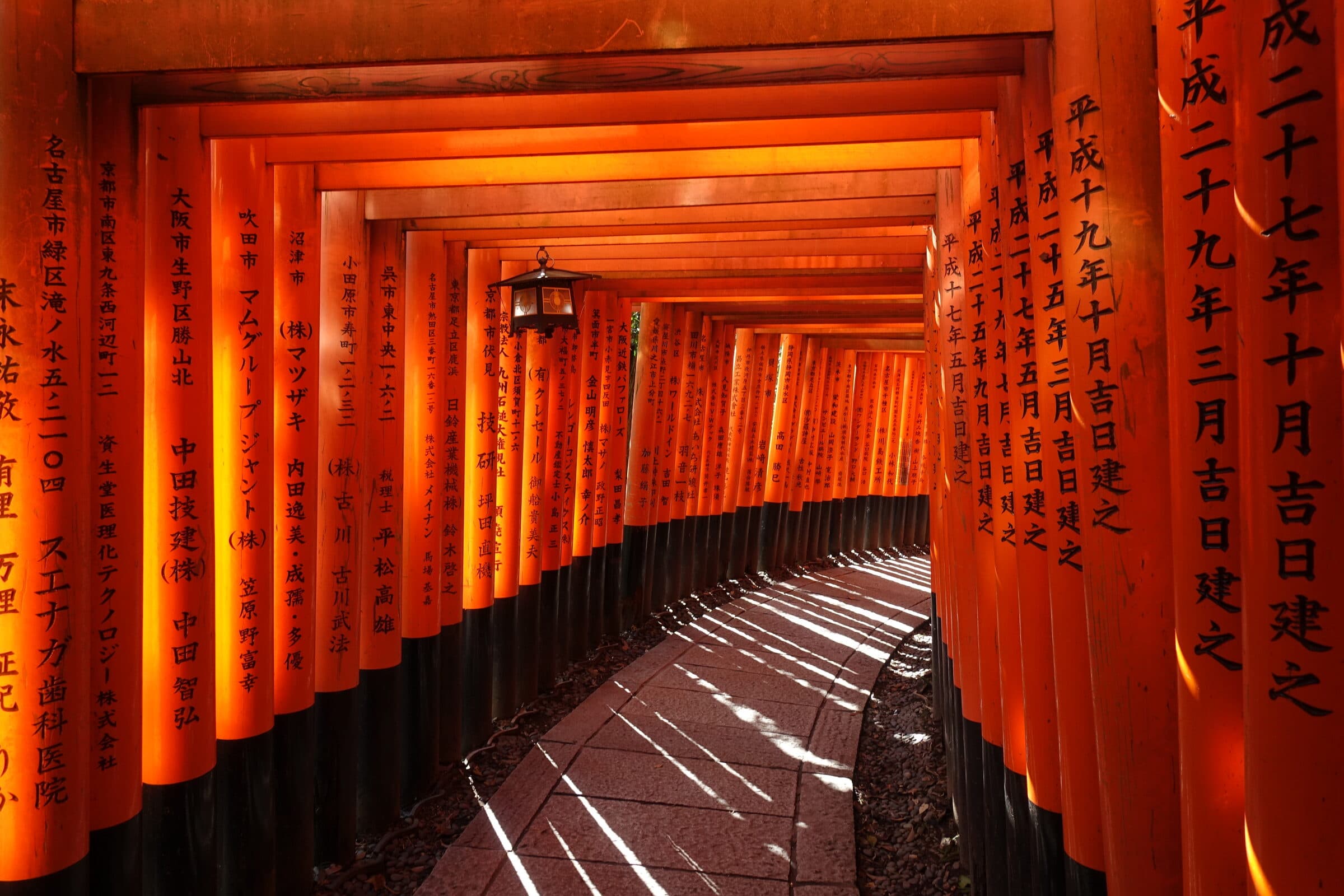
Fushimi Inari Taisha
伏見稲荷大社 · Fushimi, Kyoto
Ten thousand vermilion gates, and every one of them is a receipt — somebody paid for it because something they asked for came true.
Hie Shrine
日枝神社 · Tokyo, Tokyo
A hilltop shrine in Nagatacho where the stairs, the escalator and the paired sacred monkeys are all part of the visit.