What *en* actually means
The word translated as "matchmaking" is en (縁) — a tie between people. English coverage collapses it into romance, and that is a real narrowing. En covers the friend you happen to meet, the colleague who changes your career, the teacher you needed at the time. Japanese has a phrase, go-en ga aru, for the sense that a connection was not accidental. When people ask an en-musubi shrine for something, they are as often asking for a connection to hold as for one to begin.
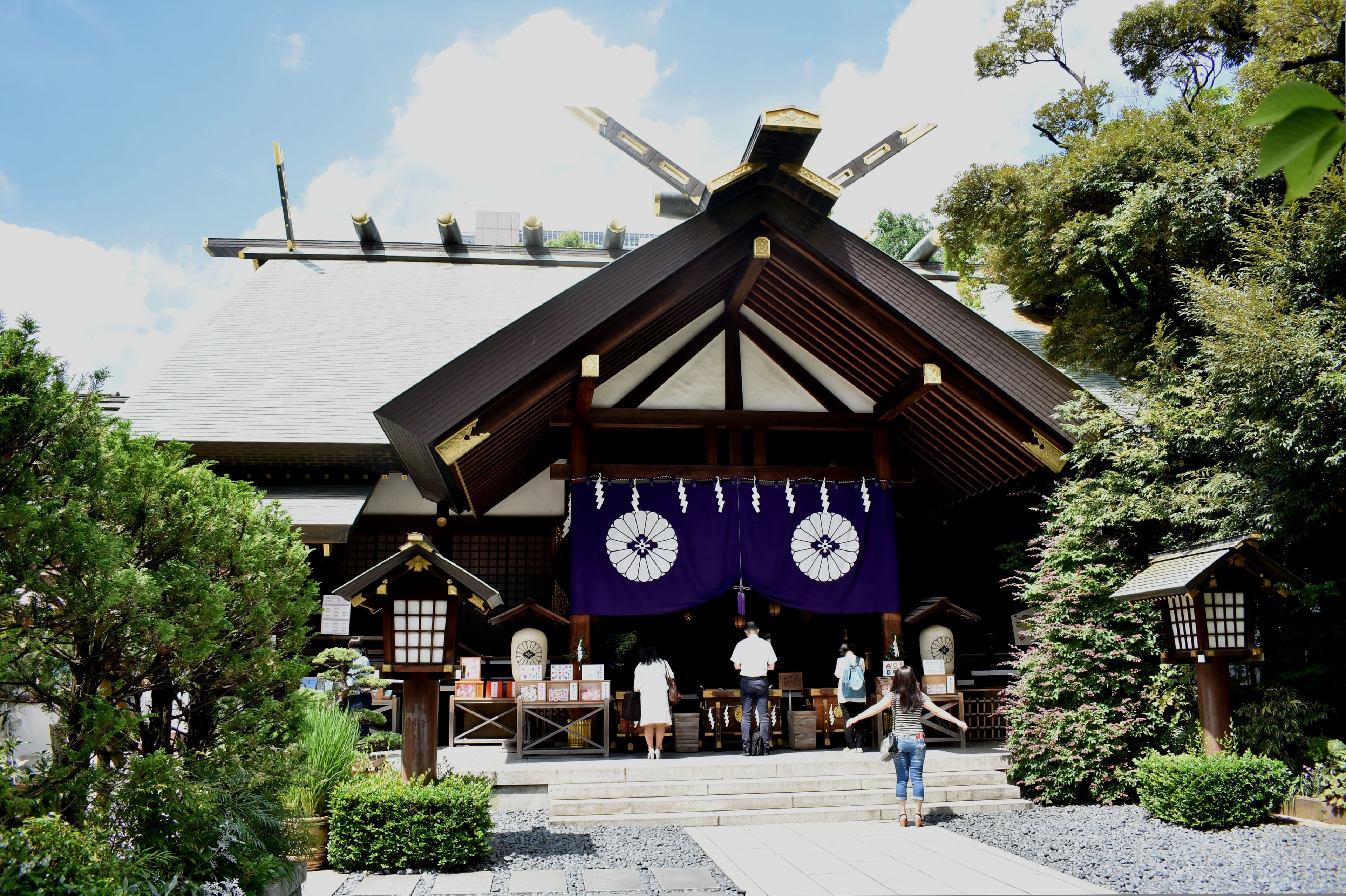
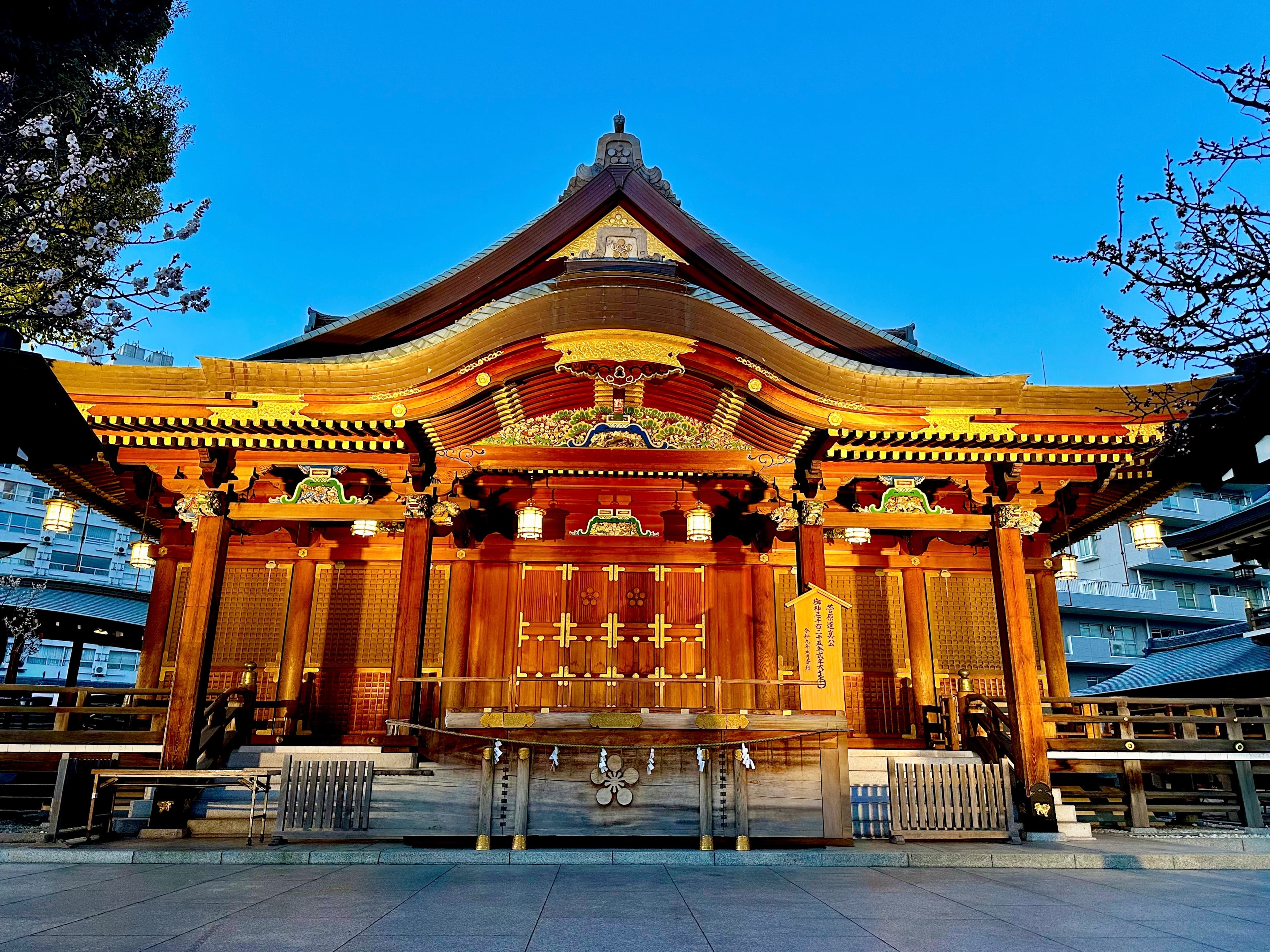
That said, the shrines themselves know what fills their forecourts. Tokyo Daijingu's own amulet range is built around romantic partnership, and the queue there on a weekend is not ambiguous.
Why these shrines and not others
Two different logics put a shrine in this category, and it is worth knowing which you are dealing with.
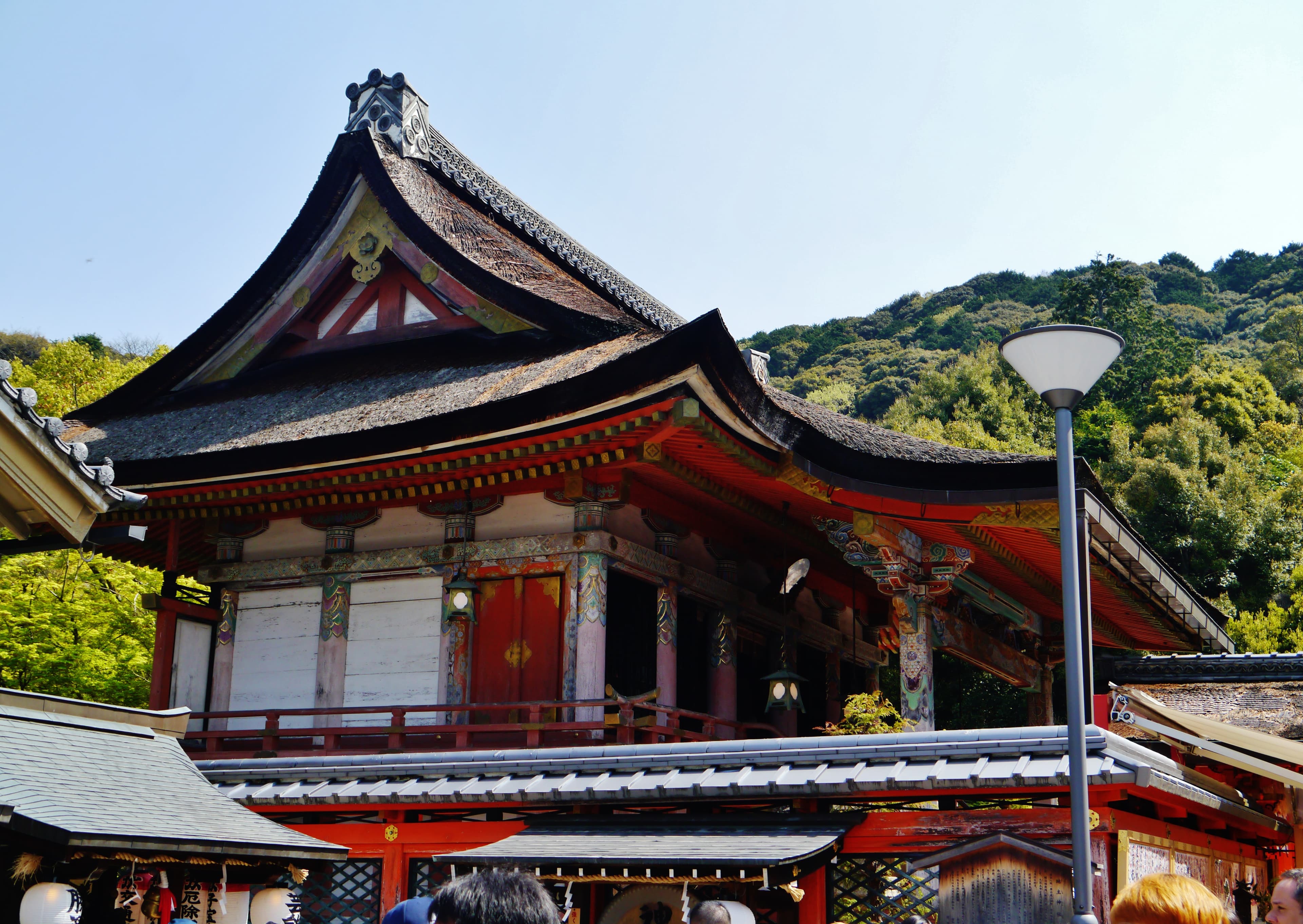
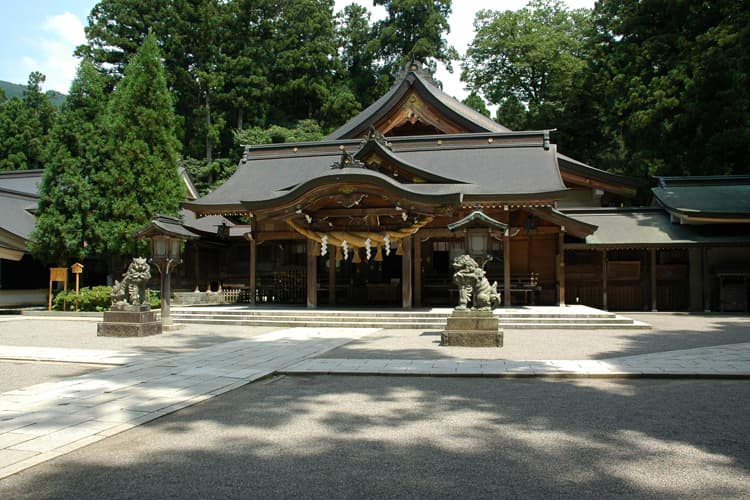
Some enshrine a kami whose myth is about binding. Okuninushi, at Jishu Jinja and Kanda Myojin, is the deity of the kuniyuzuri negotiation and of marital harmony. Kukurihime at Shirayama Hime Jinja is the kami who mediated between Izanagi and Izanami when their relationship broke — which is why that shrine is as much about repair as beginnings, a distinction almost never made in English.
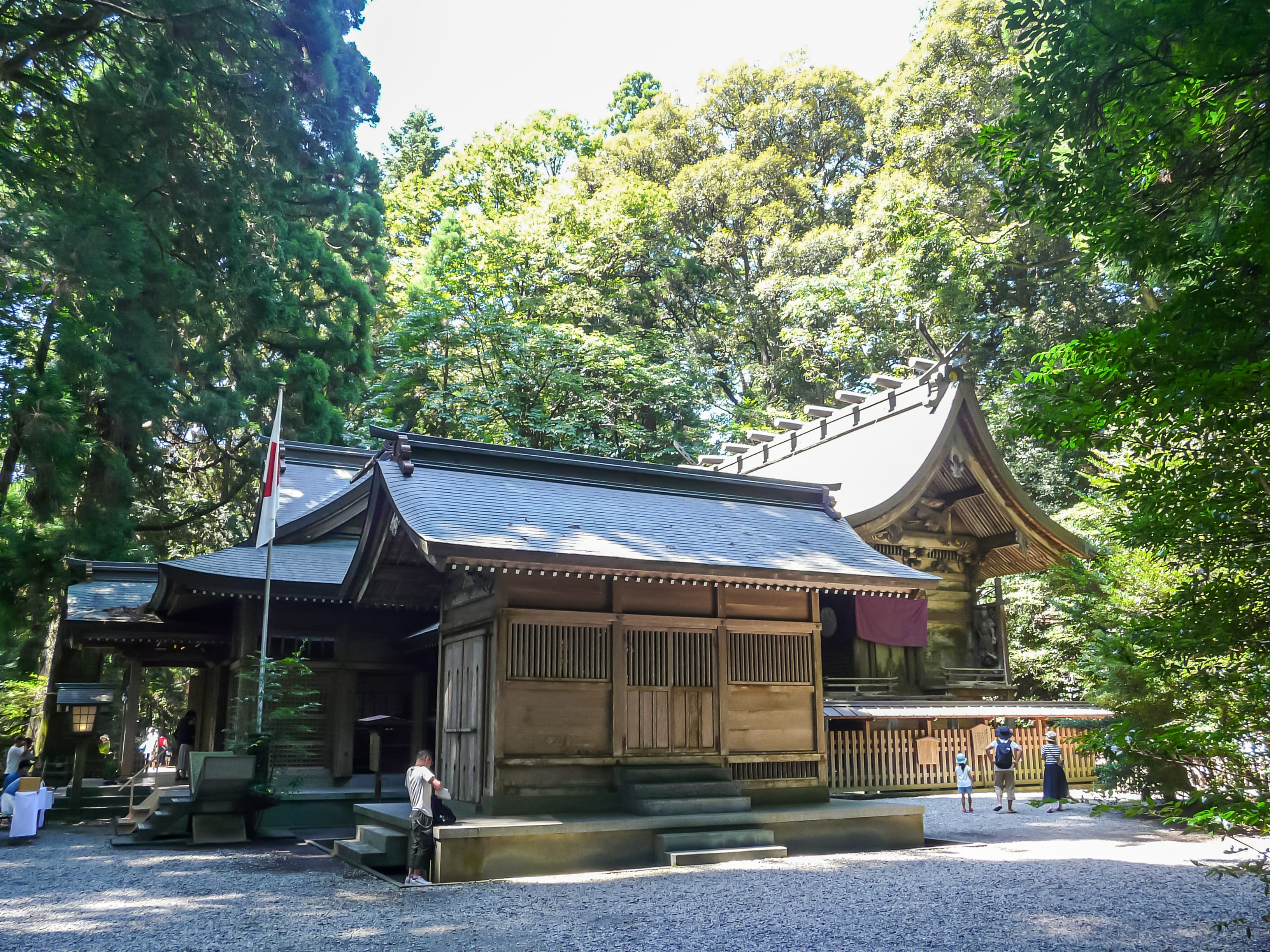
Others acquired the association through story. Tsuyu no Tenjinsha is a matchmaking shrine because two real people died together there in 1703 and Chikamatsu wrote a play about it. Tokyo Daijingu because it staged Japan's first modern Shinto wedding in 1901.
How to ask
There is no special sequence. It is the ordinary two bows, two claps, one bow, and the request is made silently while your palms are together.
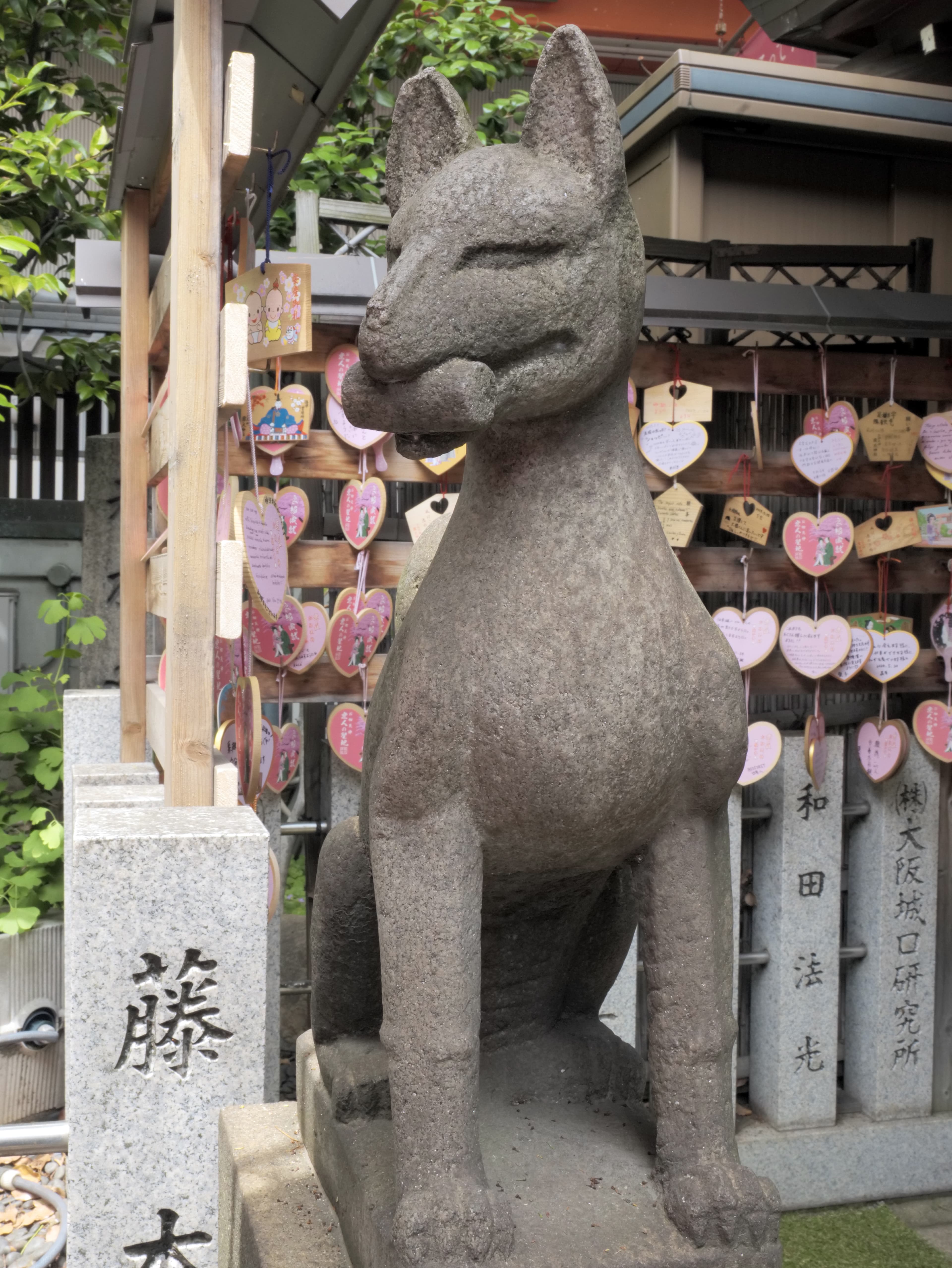
What people do add here is an ema, the wooden plaque you write on and hang. If you are going to do that, write it as a specific request rather than a general wish — and remember it hangs in public where anyone can read it, so shrines ask you not to put personal identifying details on it.