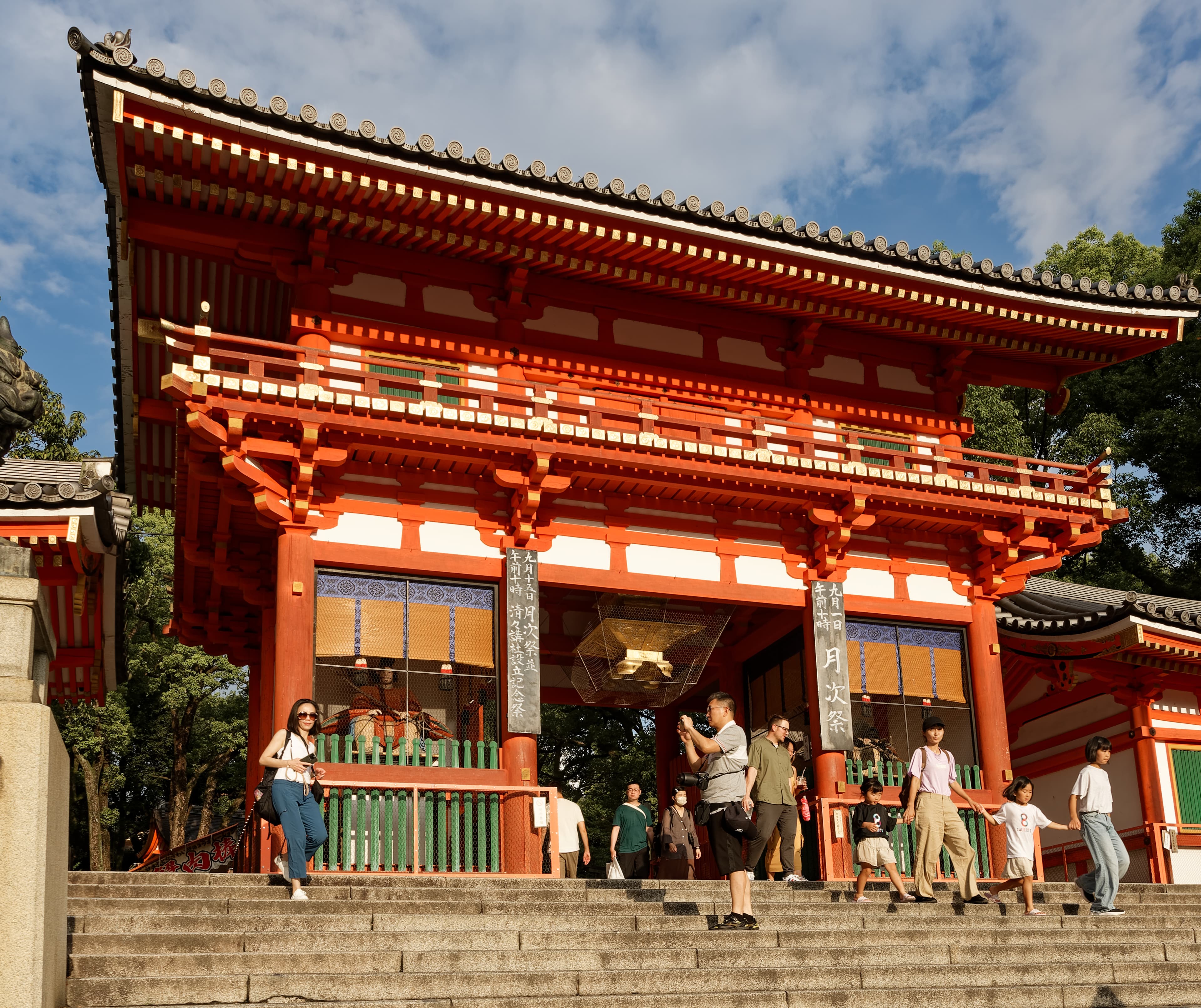
Yasaka Shrine
八坂神社
Kyoto, Kyoto · Shinto shrine
Gion's open-all-night shrine, where the gate, the prayer office and the seal desk each keep a different clock.
Yasaka Shrine is the shrine at the east end of Shijo Street, but it is not simply a gate to Gion. Its formal tradition centres on Susanoo-no-Mikoto, his consort Kushinada-hime-no-Mikoto and their eight children, the Yahashira-no-Mikogami. Kyoto's official guide describes the shrine as the root shrine of the nationwide Gion tradition.
The first practical fact is easy to miss: the precinct is open 24 hours, but the people and counters are not. The shrine office is a daytime service, formal prayer has a shorter window, and goshuin changes from direct writing to paper before the office closes. That separation matters more here than an impressive gate photograph.
Inside the grounds, the shrine's own model routes lead to different subsidiary shrines. Daikoku-sha is the place for a bond-making request, while Utsukushigozen-sha is associated with beauty and has its own small act involving water. These are the traditions of particular shrines within Yasaka, not promises that a wish will come true.
Which kami is enshrined here
- Susanoo-no-Mikoto 素戔嗚尊
- The main deity in the centre of the honden. Yasaka's account presents him as the deity who defeated the eight-headed serpent and as a figure associated with protection from calamity.
- Kushinada-hime-no-Mikoto 櫛稲田姫命
- Susanoo's consort, enshrined in the east seat of the honden alongside other family deities.
- Yahashira-no-Mikogami 八柱御子神
- The eight child deities of Susanoo and Kushinada-hime, enshrined in the west seat of the honden. Yasaka's official pages connect the main shrine with requests including safe childbirth and family safety.
Take part
What you can actually do here
A short route through the grounds
The shrine's own model routes begin at a gate, continue through the hand-water pavilion to the main sanctuary, then branch toward the smaller shrines. At the main sanctuary, place your offering, make two bows, two claps and one bow, and make the request in the middle. The shrine says to receive a goshuin or other item after worship.
Daikoku-sha: a bond-making request
Yasaka's official bond guide places Daikoku-sha beside an image of the hare from the Inaba no White Hare story and identifies Okuninushi-no-Kami as the enshrined deity associated with bonds.
The guide offers two concrete ways to make a request:
- A heart-shaped bond ema is written and hung beside Daikoku-sha. The published offering fee is ¥1,000.
- For the Gankake Rabbit, name the rabbit and write on its dedicated wish paper; put the paper inside the rabbit and seal it. Pray with the rabbit at Daikoku-sha, then place it at the prayer spot in front of the shrine. The published offering fee is ¥800.
The procedure gives you something to do with a request; it does not guarantee a relationship or any other result.
Utsukushigozen-sha: the beauty water
The subsidiary Utsukushigozen-sha enshrines the three Munakata goddesses. Yasaka's instructions are specific: worship at the small shrine first, receive a little of the water in your palm, and put two or three drops on your skin. The shrine says this water is not for drinking; do not drink it.
Etiquette
Where this place differs
Bow once at the torii when entering and again after leaving, and walk along the side of the approach rather than the centre. Yasaka's own worship page gives hand-water instructions followed by two bows, two claps, a prayer and one bow.
The main precinct being open all night does not mean that every service is available. The shrine's formal prayer counter is separate from ordinary worship, and the goshuin desk should be treated as a post-worship stop. The subsidiary-shrine procedures above are local instructions; do not turn them into a rule for other shrines.
The shrine prohibits drones and other remotely operated flying objects throughout the grounds and during its rituals. It also asks commercial photographers other than its partner studio not to shoot in the precinct; a school-group photograph requires advance contact.
New to this? Read the full worship sequence first.
Goshuin
Getting the seal here
The official catalogue says that goshuin and other offerings are received at the offering counter. It lists the main shrine seal written into a goshuincho at ¥500, the paper version at ¥300, and other seals such as the Blue Dragon and Divine Bond seals at ¥500. Seals for subsidiary shrines are listed at ¥300.
The shrine states that the main shrine seal is written directly into your book from 9:00 to 16:00. After 16:00 it is supplied on paper only. The shrine office itself is open 9:00–17:00, but the catalogue does not give a separate goshuin closing time; arrive before the direct-writing window if that format matters to you. Receive the seal after worship.
Before you go
Open all night is not the same as staffed all night. After the counters close, you may still worship in the precinct, but you cannot assume that a goshuin, amulet or formal prayer is available.
Formal prayer is not available by reservation, and the shrine may be unable to perform it while a festival is underway. If you know your visit date in advance, call the shrine to confirm.
The famous Nishiromon is the west gate facing Gion; the shrine identifies the south gate as the main entrance. The gates are part of one shrine precinct, not separate attractions. During festivals and rituals, routes and service arrangements can change, so check the shrine's latest notice before travelling.
Map
Sources
This page draws on the following sources, most of them in Japanese.
Others people visit for the same reasons
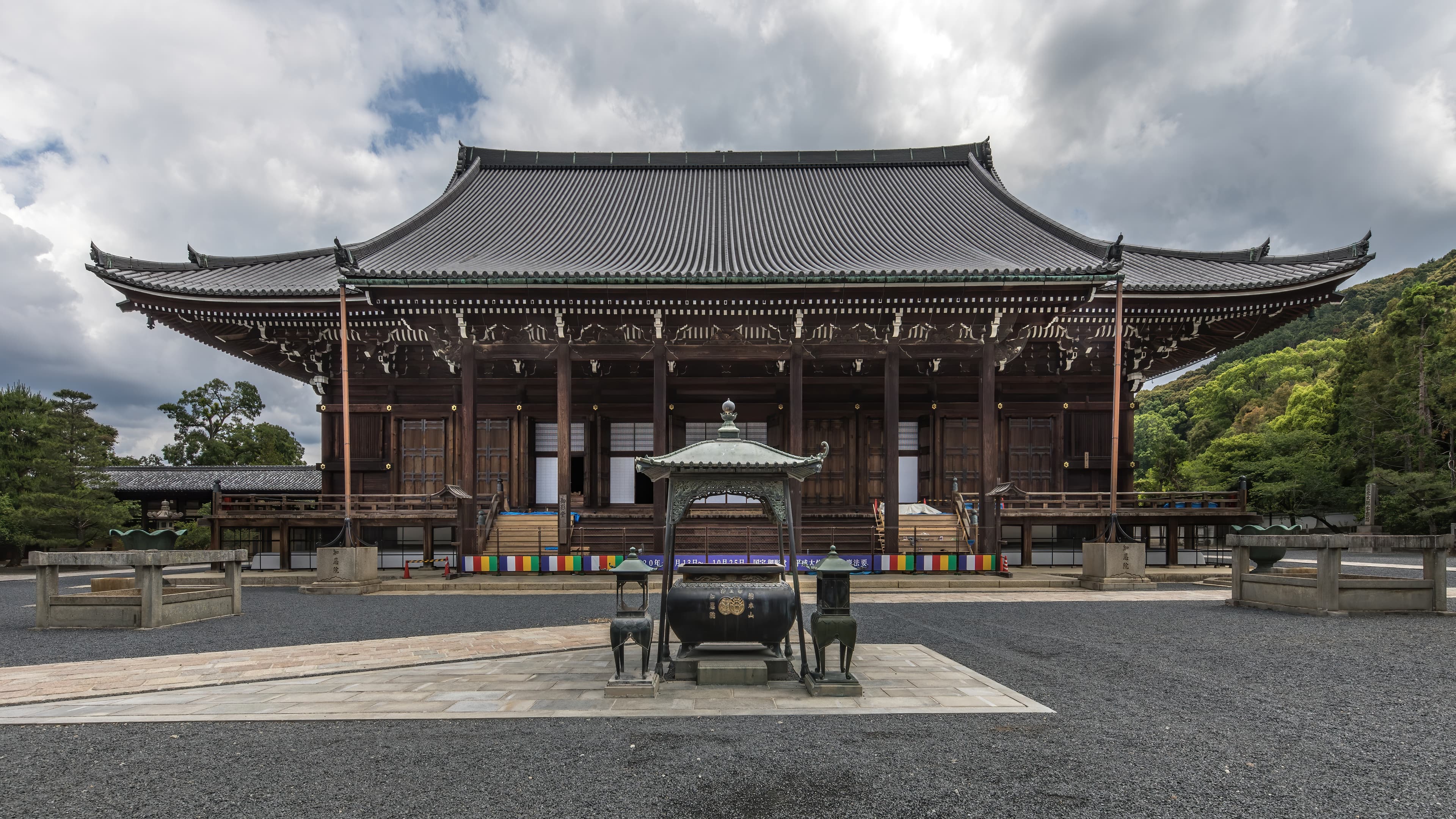
Chion-in Temple
知恩院 · Kyoto, Kyoto
Kyoto's Jōdo-shū headquarters, where a free visit to Hōnen's hall, a separate garden ticket and an exact Nembutsu practice form one useful route.
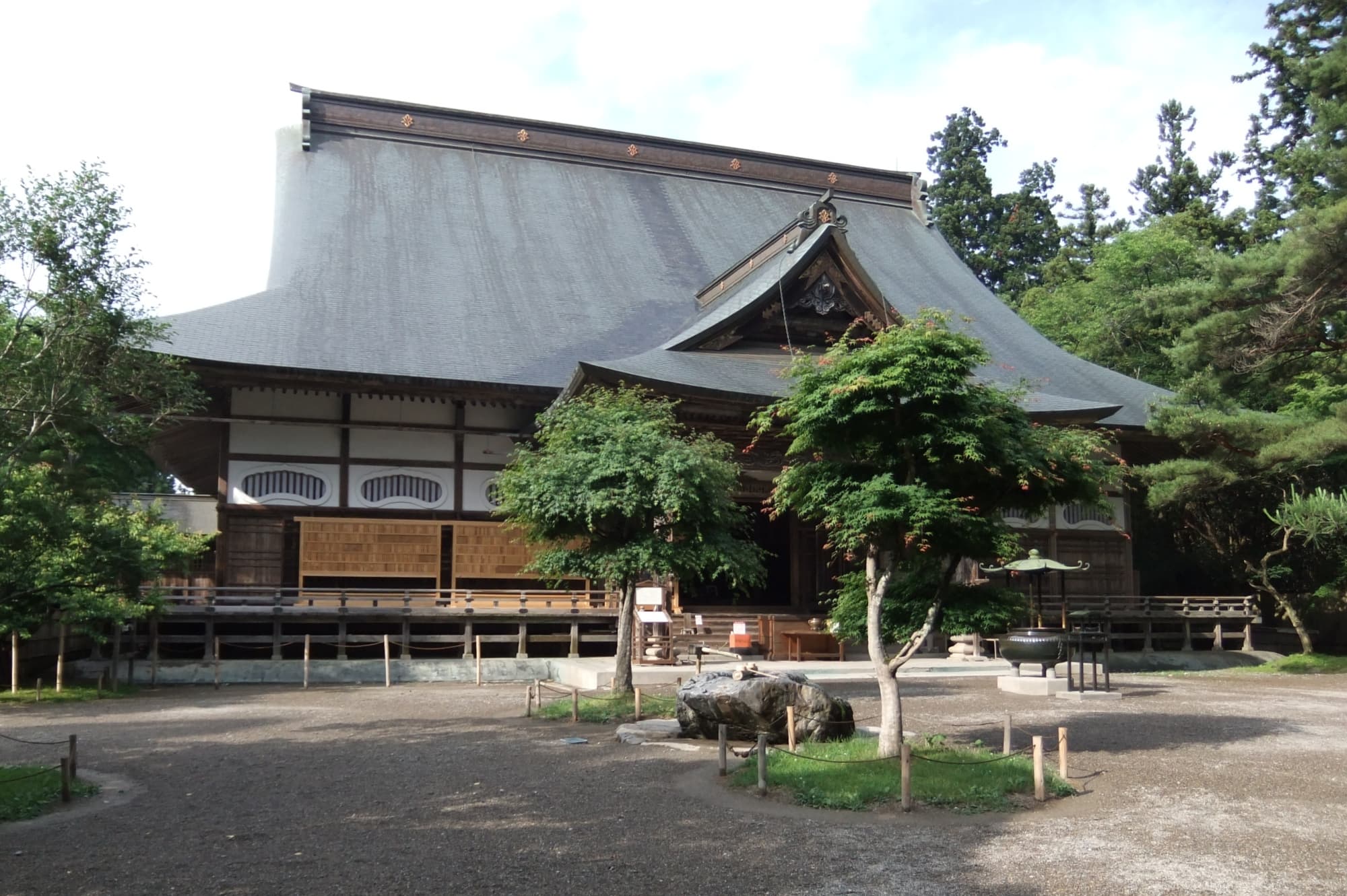
Chuson-ji
中尊寺 · Hiraizumi, Iwate
A World Heritage Tendai temple whose golden hall was raised in 1124 as a vow for the repose of the dead of both sides in a war — and it is a temple, so do not clap.
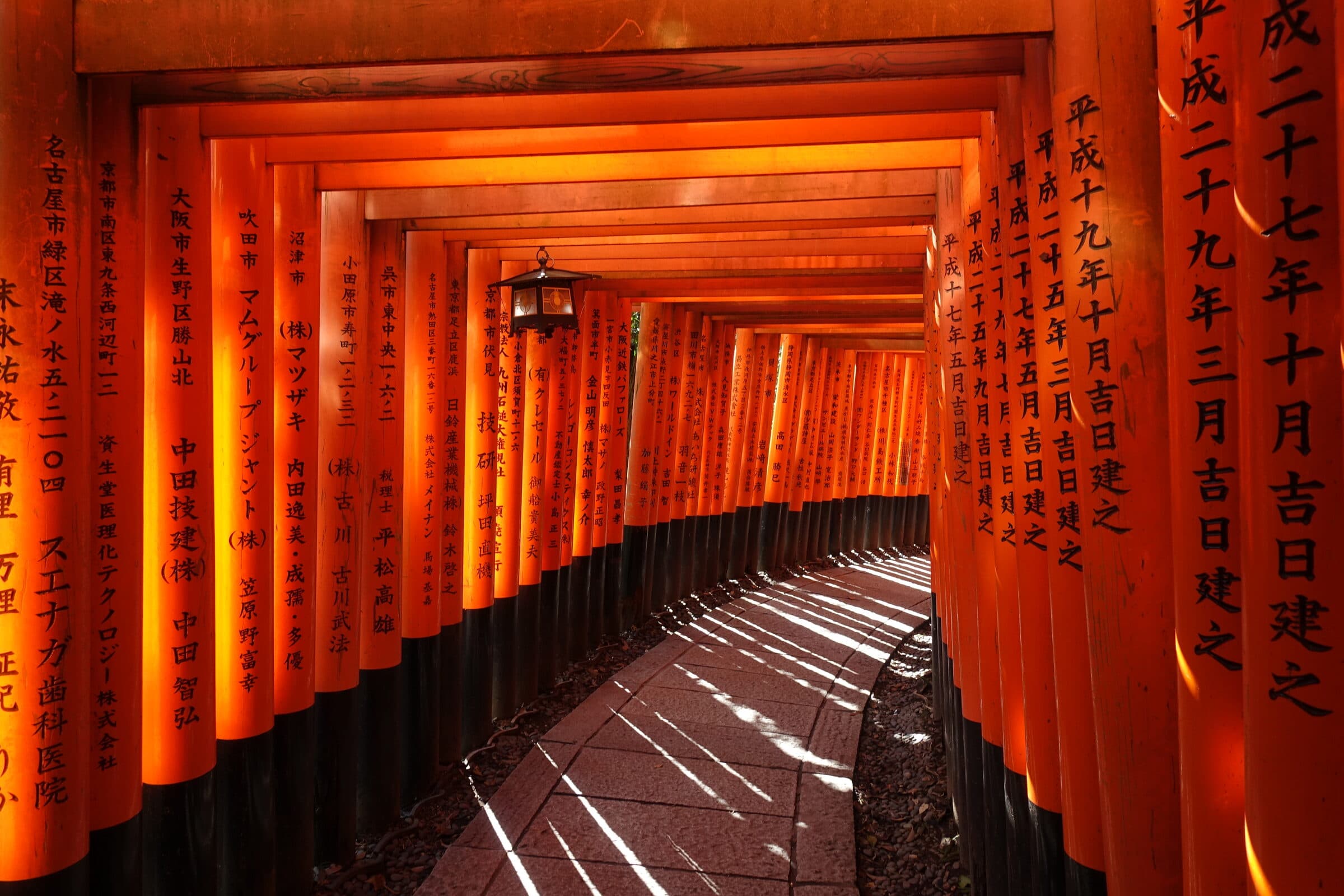
Fushimi Inari Taisha
伏見稲荷大社 · Fushimi, Kyoto
About ten thousand vermilion gates trace a tradition of dedication and gratitude to Inari.
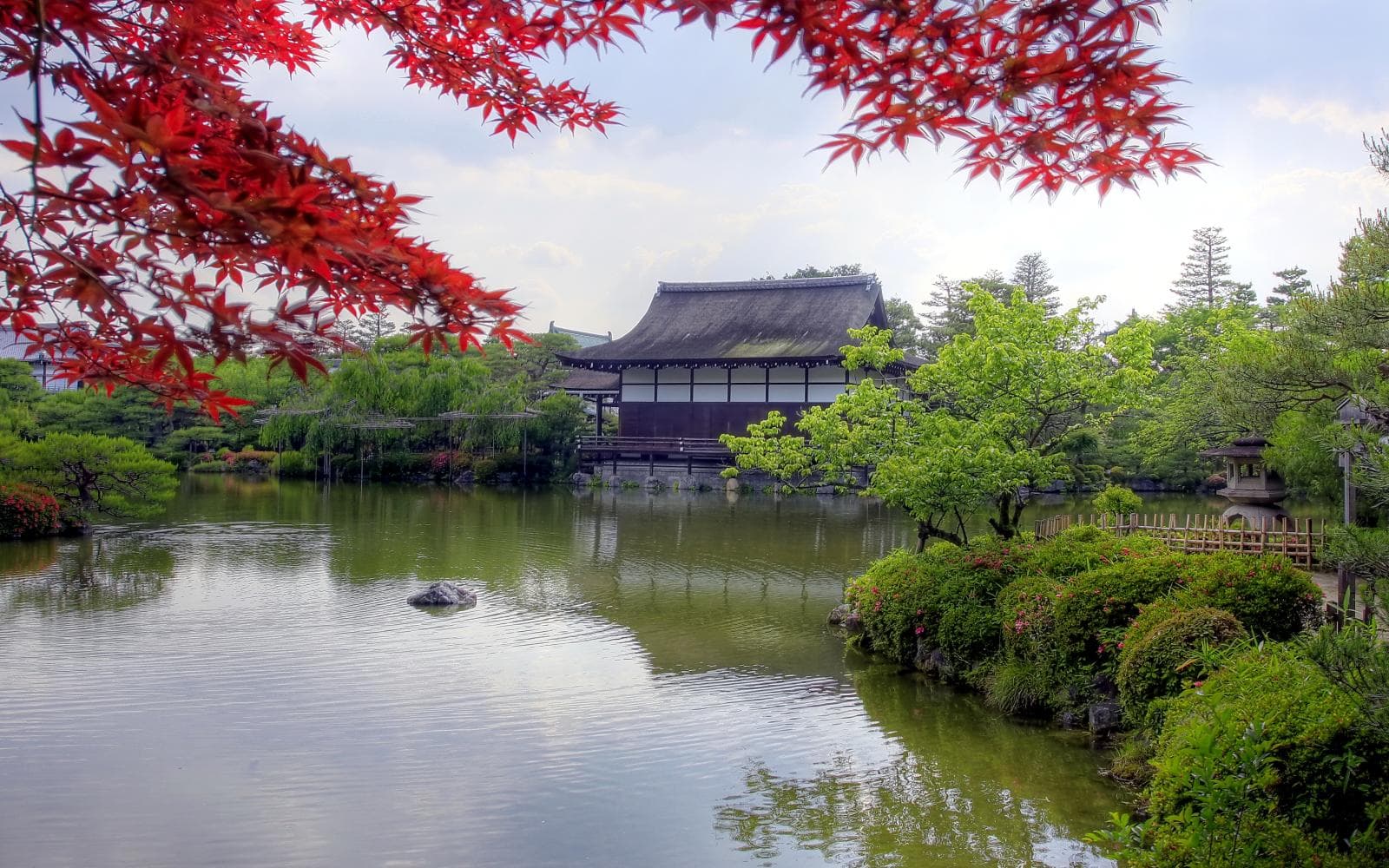
Heian Jingu Shrine
平安神宮 · Kyoto, Kyoto
A 5:8-scale reconstruction of Kyoto's ancient State Hall, where the shrine courtyard is free and the four landscape gardens are a separate visit.