Choose a place and a day
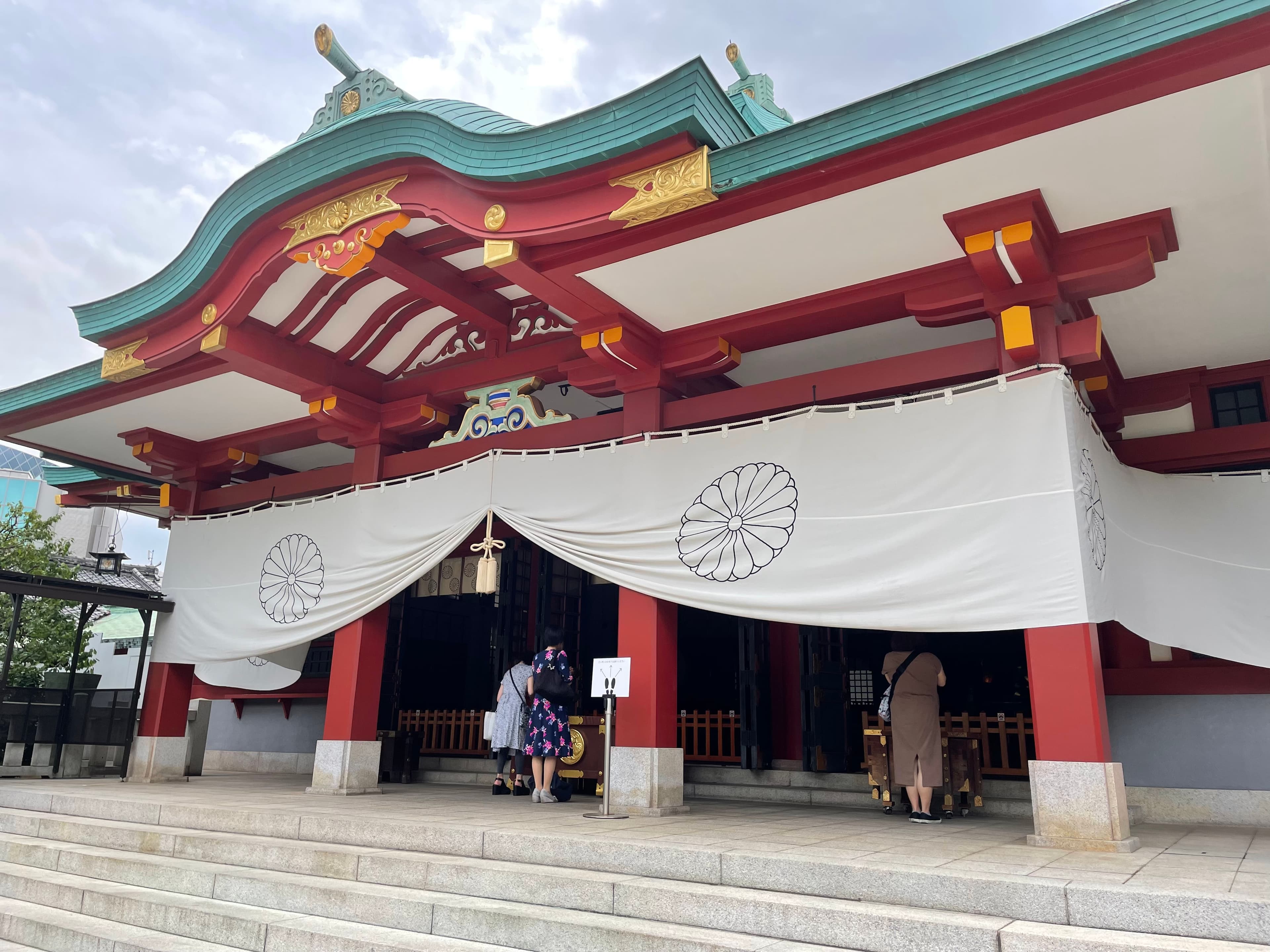
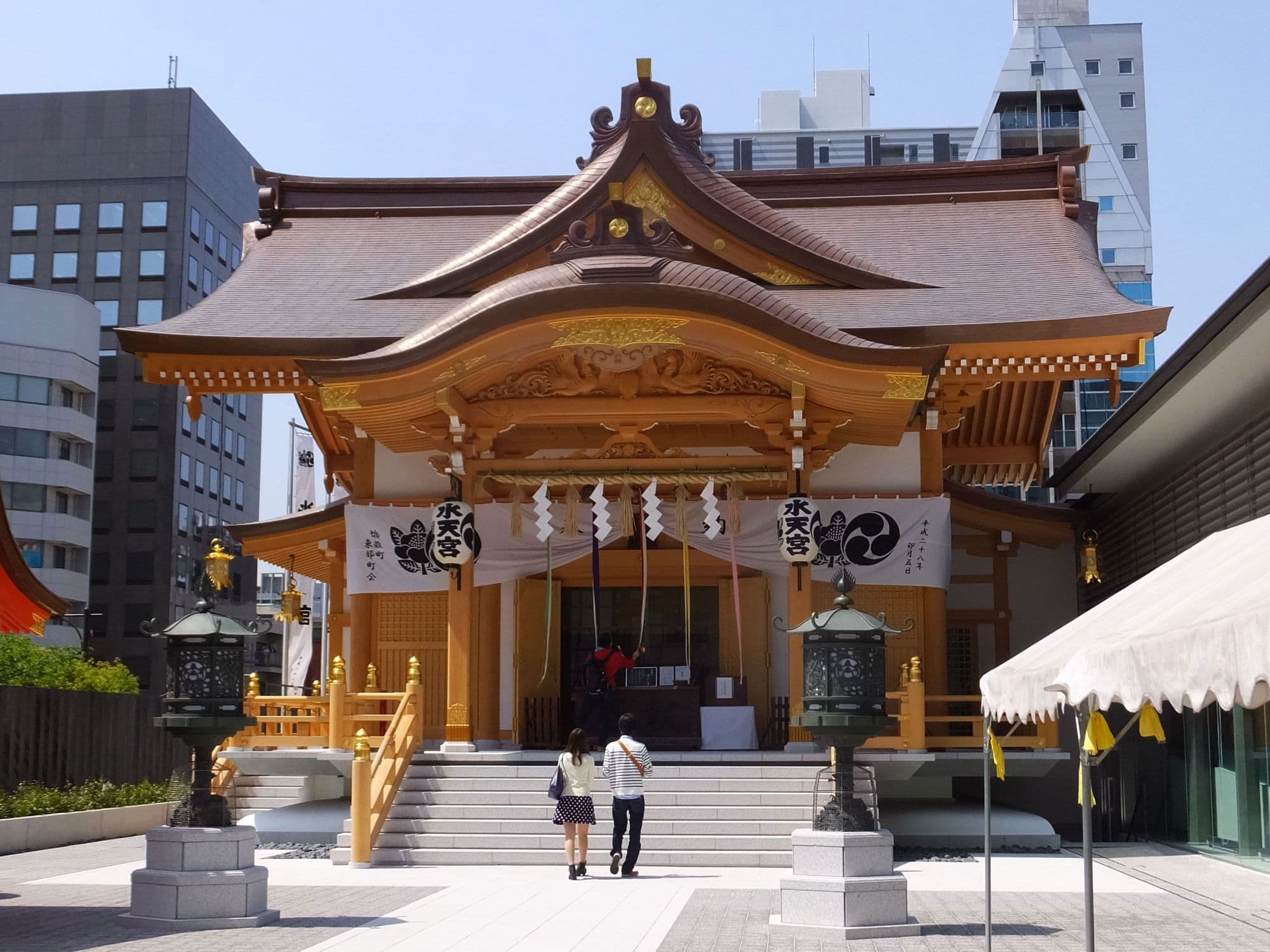
Suitengu in Tokyo centres its worship on pregnancy and childbirth. Its traditional reference point is an inu no hi, a Day of the Dog, in the fifth month of pregnancy. This zodiac day recurs every twelve days. The association with easy births is a belief behind the custom, not a promise about an individual pregnancy.
The shrine explicitly welcomes choosing another day to suit how the expectant mother feels and the family's plans. Some families receive the prayer beforehand and mark the Day of the Dog with the maternity sash at home. Use Suitengu's official calendar below; you do not need to rearrange a journey around a supposedly compulsory date.
Suitengu: who can enter the prayer hall?
Safe-birth prayers are accepted on the day, without advance reservations. Reception is 8:00–15:00; the first service starts at 9:15, or 8:30 on a Day of the Dog. Reception time and ceremony time are different.
- Weekday Day of the Dog: the expectant mother and one accompanying adult.
- Weekend or public-holiday Day of the Dog: the expectant mother only among adults.
- Other days: up to six adults.
Children may accompany the group. Seat provision is limited, and the shrine may change arrangements with crowding. Read the current official notice before setting out; being in the grounds does not mean every family member can enter the hall.
At the dog statue
The kodakara-inu depicts a mother dog and puppy surrounded by zodiac symbols. Suitengu's precinct guide describes stroking your own birth-year symbol in connection with prayers for childbirth, conception and children's growth. Its Day of the Dog page also describes stroking the dog itself while praying. Both appear in the shrine's guidance. Follow the instructions at the statue.
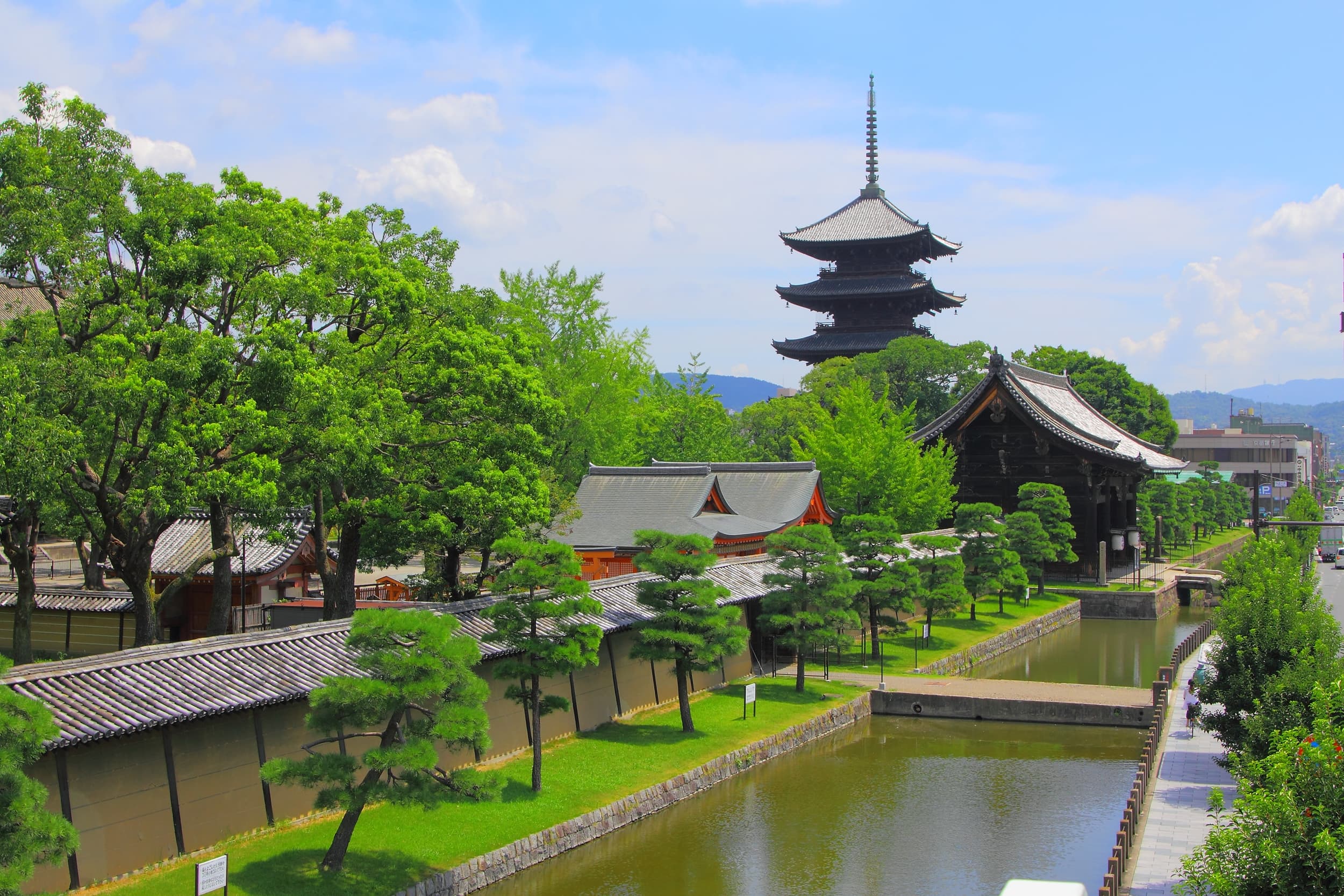
Kyoto: a Buddhist place of prayer
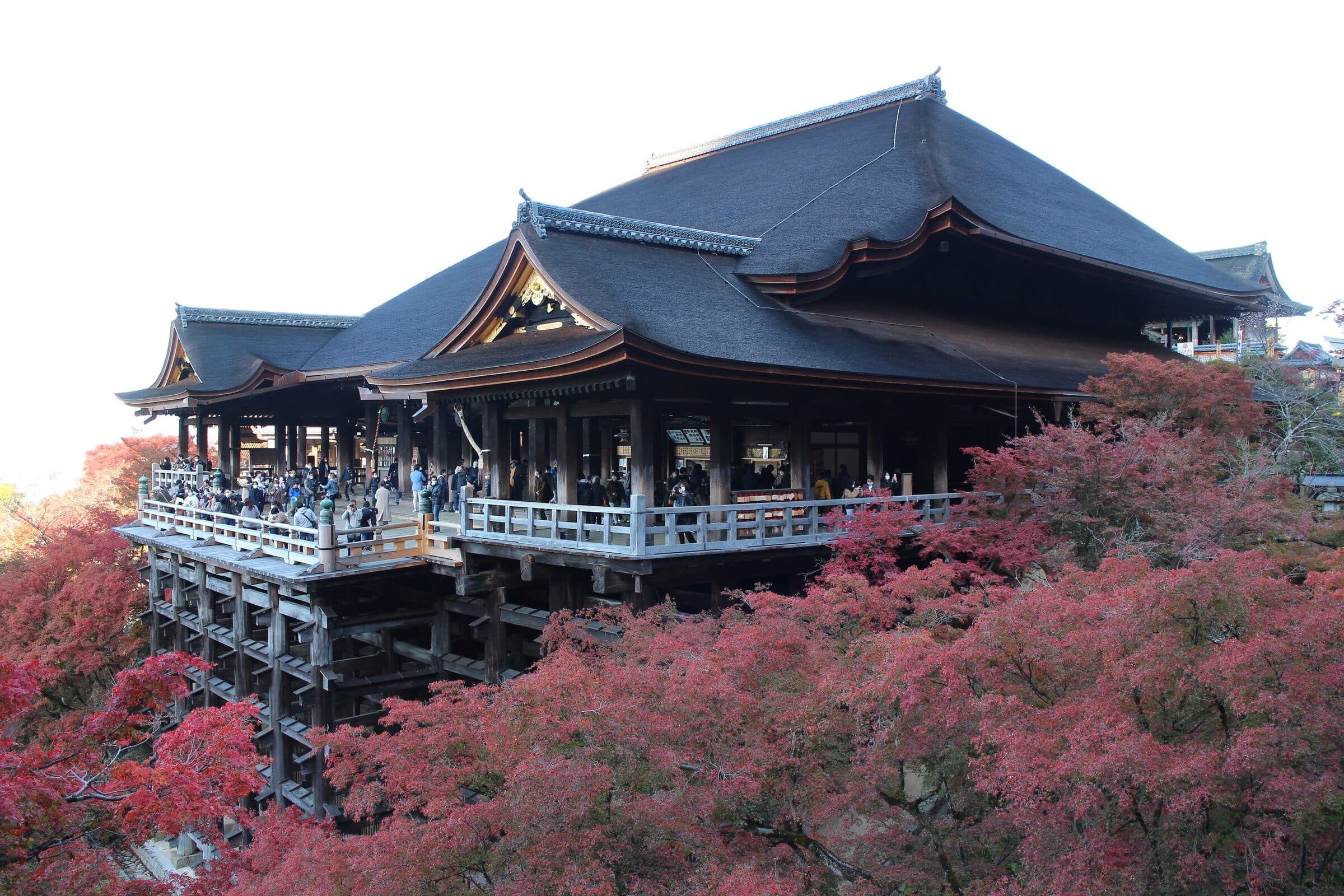
Kiyomizu-dera's official precinct guide identifies Taisan-ji, beside the Koyasu Pagoda, as a place for conception and safe-birth prayers. For worship of Kannon in Kiyomizu-dera's Main Hall, the temple shows a bow, an offering and quietly joined palms. Use the temple's guidance rather than transferring a shrine's clapping sequence. The Kiyomizu-dera entry below covers access and current visiting arrangements.
Sources
This page draws on the following sources, most of them in Japanese. Details checked: .