Suitengu
水天宮
Chuo, Tokyo · Shinto shrine
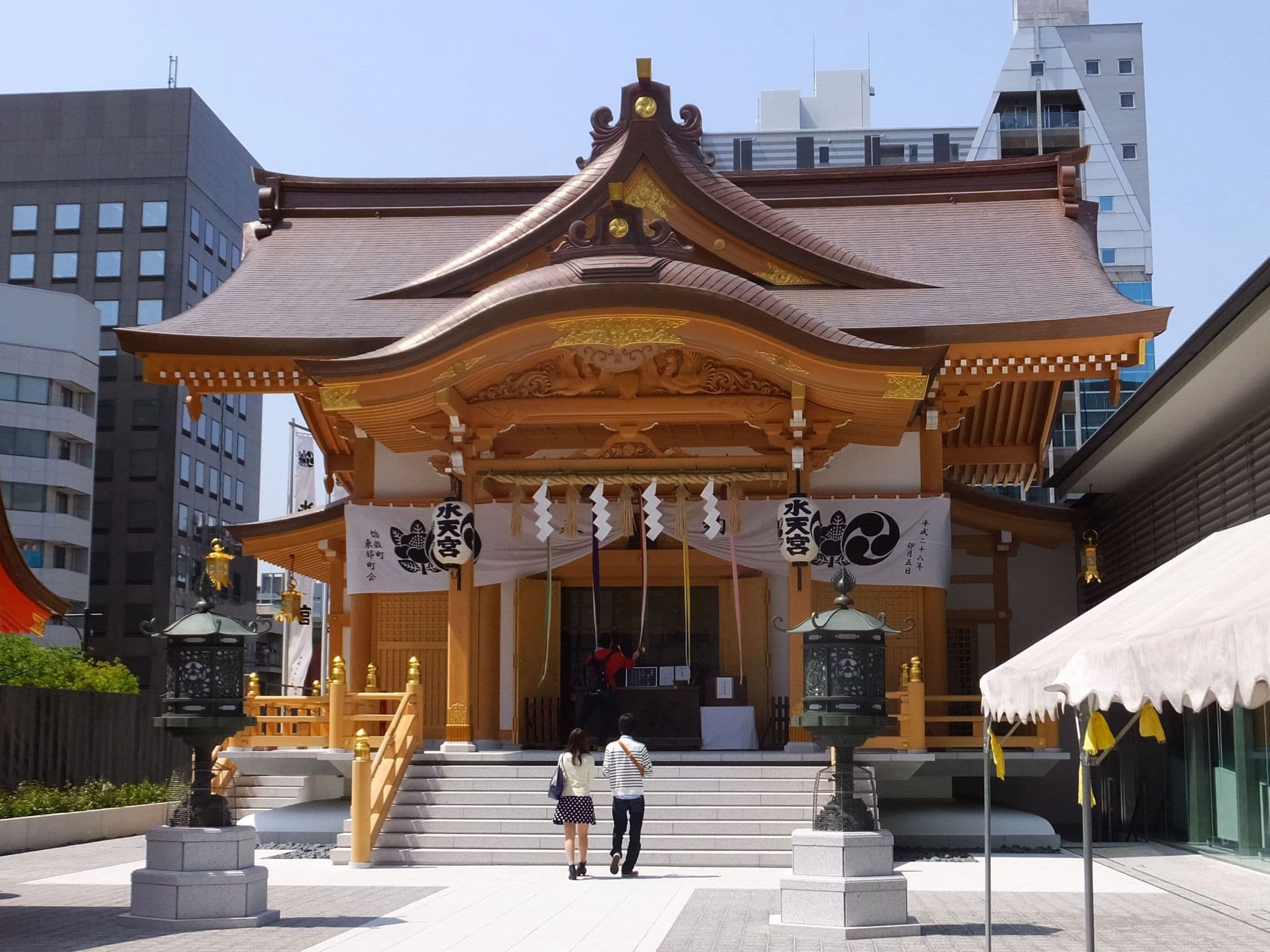
Tokyo's shrine for safe childbirth, rebuilt in 2016 as a base-isolated modern structure raised above a car park — nothing about it looks the way visitors expect.
Suitengu is where people in Tokyo go about pregnancy. It is addressed affectionately as O-Suitengu-sama, and safe delivery and conceiving a child are what it is for — not as one association among many, but as the thing itself.
The origin is a water deity: the shrine branches from the Suitengu in Kurume, Kyushu, brought to the Arima family's Edo residence in 1818 and moved to Nihonbashi in 1872. Alongside the primordial deity Ame-no-Minakanushi it enshrines three figures from the Taira clan's end at Dan-no-ura in 1185 — the child emperor Antoku, who drowned at eight, his mother, and his grandmother, who carried him into the sea. Protection from water accidents is still part of its portfolio.
Then there is the building, which is worth preparing for. Suitengu was completely rebuilt between 2013 and 2016 as a seismically base-isolated structure, with the worship hall raised on a podium above a car park. It won a Good Design Award. Visitors expecting weathered wood find a contemporary building they have to climb to reach, and are often thrown by it.
Which kami is enshrined here
- Ame-no-Minakanushi-no-Okami 天御中主大神
- The first deity to appear at the beginning of the universe. The shrine names him as the source of its blessings for childbirth and fertility.
- Emperor Antoku 安徳天皇
- The 81st emperor (1178–1185), enthroned at three and drowned at eight at the battle of Dan-no-ura.
- Kenreimon-in 建礼門院
- Taira no Tokuko, Antoku's mother, who spent her later life praying for the Taira dead.
- Nii-no-Ama 二位の尼
- Taira no Tokiko, Antoku's grandmother, who held the child emperor as she entered the sea.
Take part
What you can actually do here
Kodakara-inu — and the mistake nearly every visitor makes. The statue is a mother dog with a puppy, and it is ringed by the twelve zodiac animals. The instruction, in the shrine's own words, is to stroke the zodiac animal of your own birth year while holding your wish in mind. Not the dog. People stroke the dog constantly; it is the wrong animal.
The kappa. A second statue: a parent kappa with babies clinging to its feet, chest and shoulder, for safe birth and the raising of children.
Mikomori-obi. The classic item here — a five-metre maternity sash, ¥4,000, or a cloth square of about fifteen centimetres at the same price, each including a pouch amulet and a small dog figure. Traditionally worn from the Day of the Dog in the fifth month of pregnancy. If you receive an amulet without booking a prayer service, the shrine reads your name before the altar the following morning.
Etiquette
Where this place differs
Standard sequence. Note that you reach the hall by climbing to a raised podium — the approach is vertical rather than along a path.
New to this? Read the full worship sequence first.
Goshuin
Getting the seal here
Offered. The shrine's FAQ confirms both goshuin and goshuincho are available at the shinsatsujo, the amulet office, which is open 8:00–18:00.
No goshuin-specific hours or price are published. Collectors report ¥500; unverified.
Before you go
Prayer services cannot be booked. The shrine states this explicitly: same-day reception only, and once the cut-off passes they will not take you. There is no way to arrange it in advance from abroad.
The Day of the Dog recurs every twelve days, and it is the traditional day for the fifth-month sash rite. The shrine is packed, the number of people admitted to the hall is capped, and accompanying family may be turned away. If you want a quiet visit, check the shrine's calendar and pick a different day; if you want to see the rite, that is the day to come and you should expect a crowd.
Parking exists — forty spaces across the ground floor and basement — with no discount for worshippers.
Map
Sources
This entry was compiled from the following, most of them in Japanese.
Others people visit for the same reasons
Chuson-ji
中尊寺 · Hiraizumi, Iwate
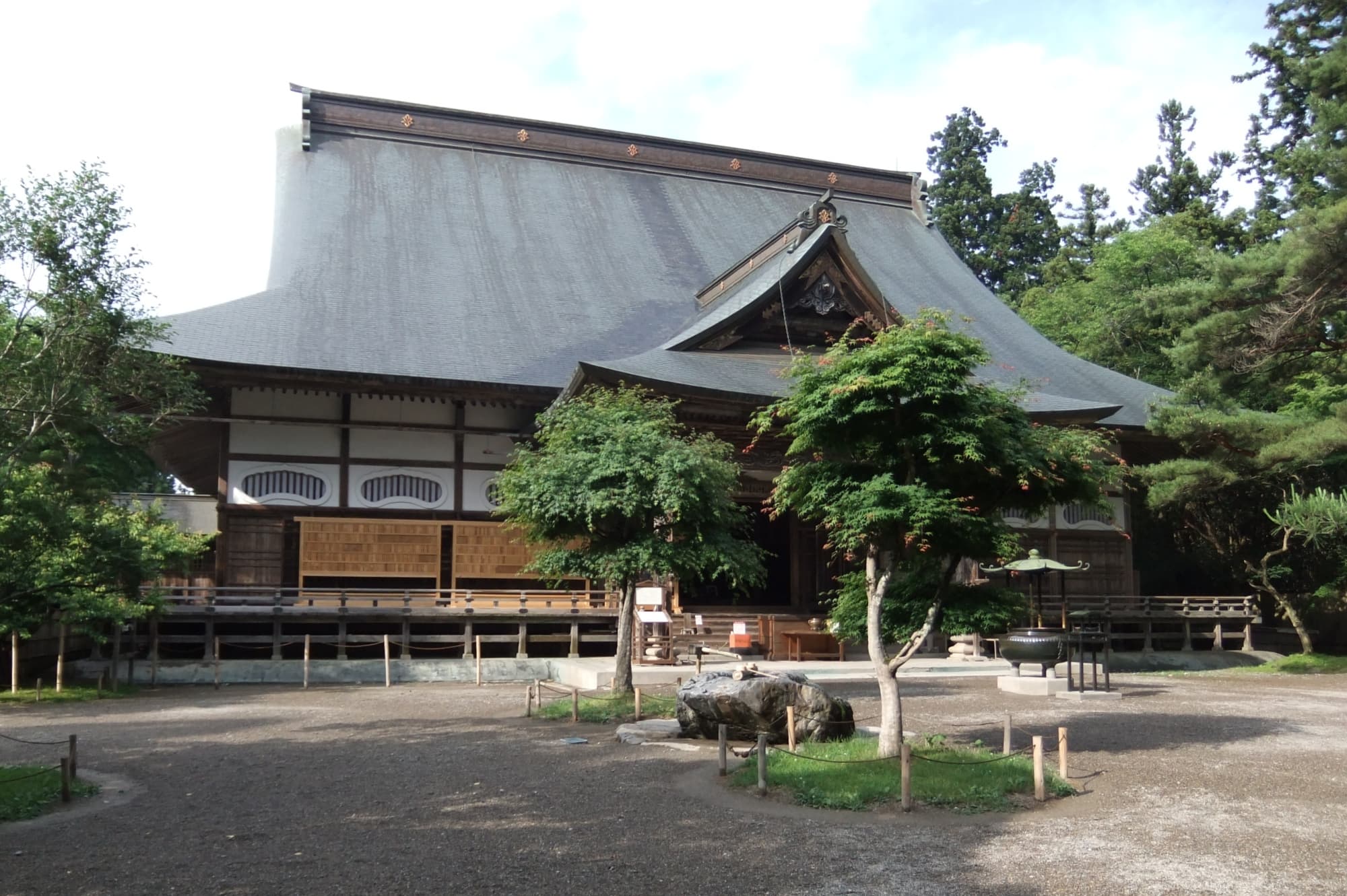
A World Heritage Tendai temple whose golden hall was raised in 1124 as a vow for the repose of the dead of both sides in a war — and it is a temple, so do not clap.
Dazaifu Tenmangu
partial太宰府天満宮 · Dazaifu, Fukuoka
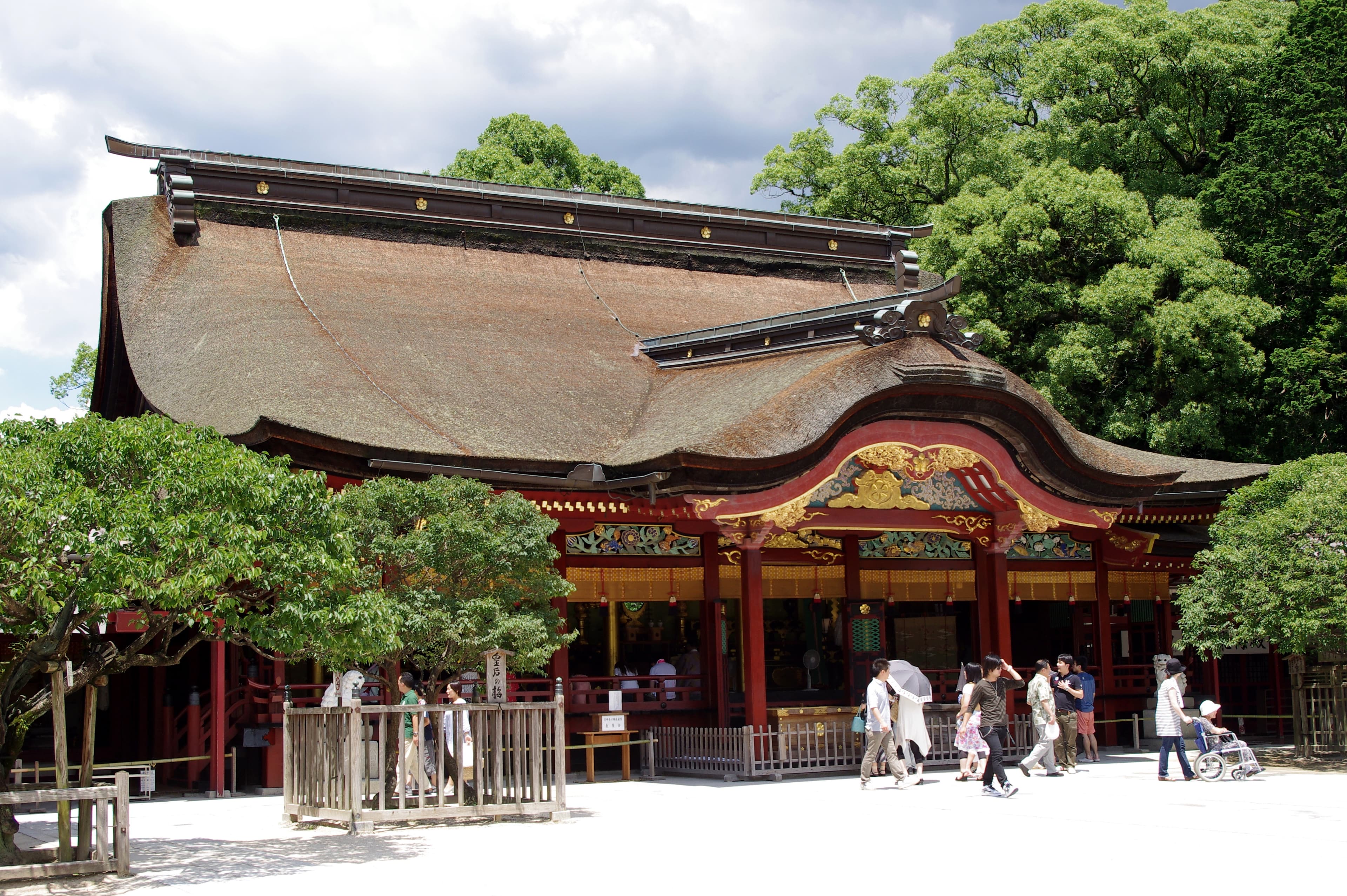
The head shrine of every Tenmangu in Japan, built over the grave of an exiled scholar — and currently mid-way through the end of a 124-year restoration.
Kanda Myojin
神田明神 · Chiyoda, Tokyo
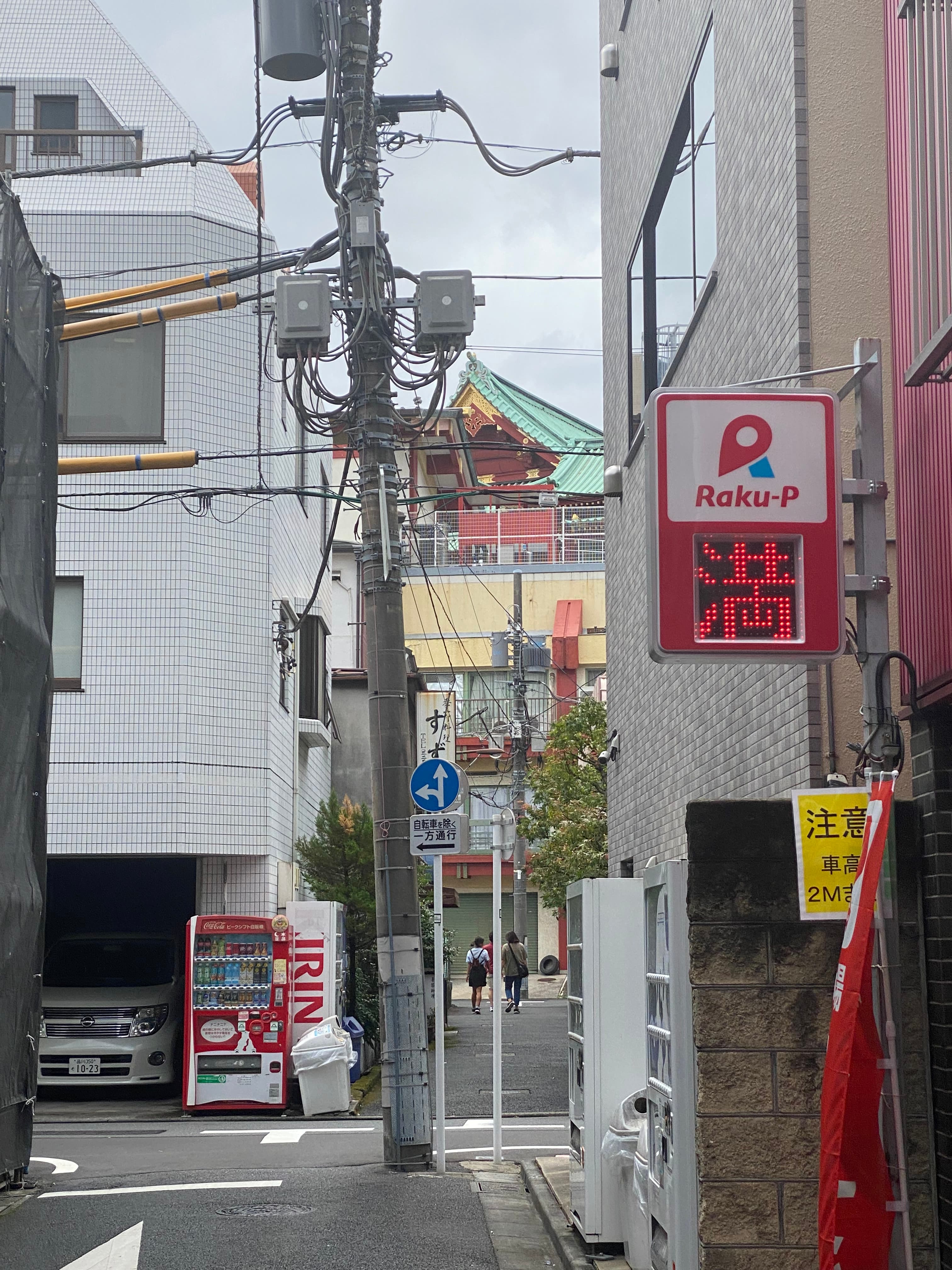
The tutelary shrine of Edo's merchant districts, next door to Akihabara — and the most relaxed major shrine in Tokyo about how you approach it.
Kashima Jingu
partial鹿島神宮 · Kashima, Ibaraki
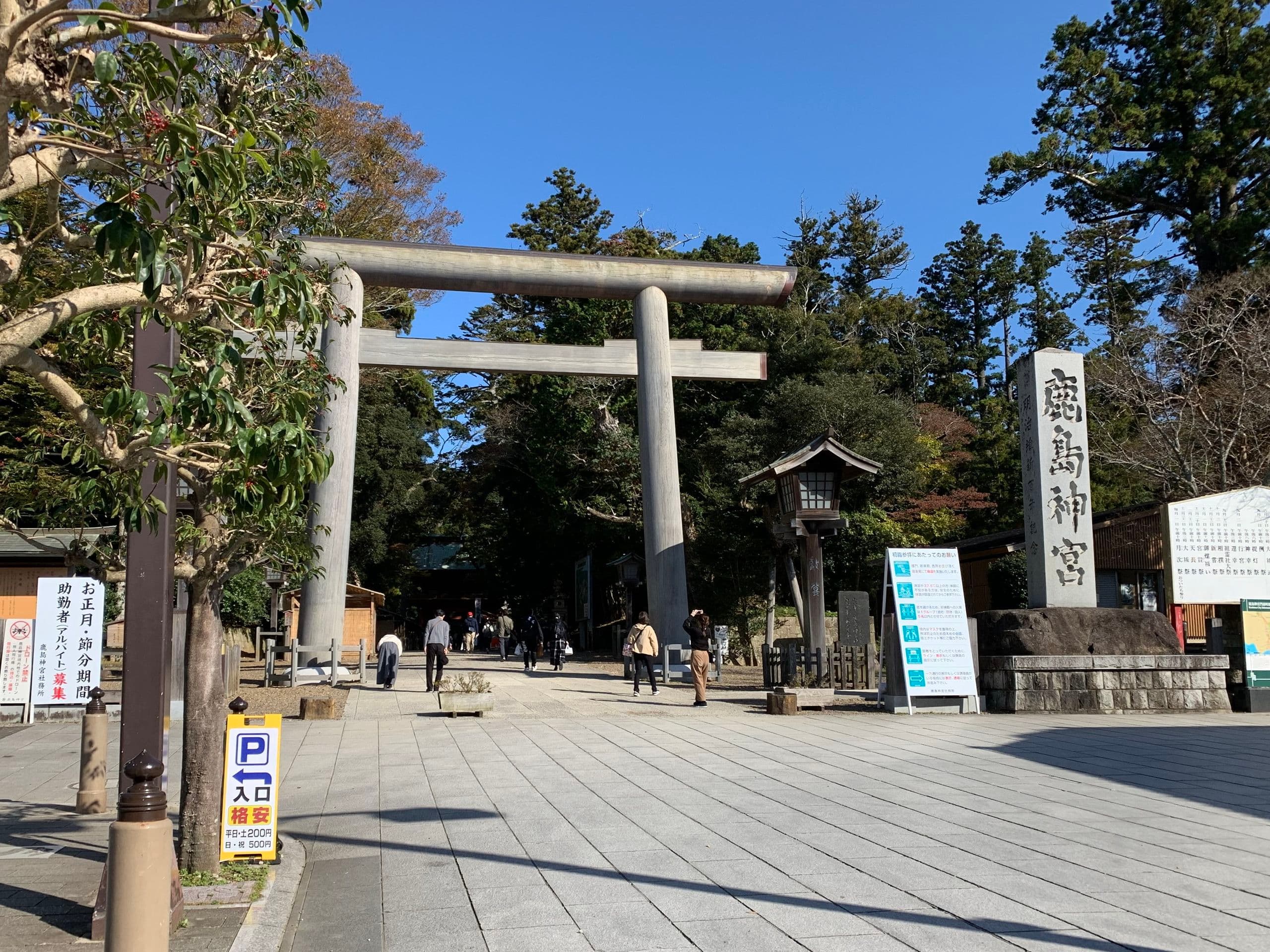
A vast forest shrine to the sword-and-thunder kami, where a stone said to pin down the earthquake catfish sits at the end of a 700-metre cedar path.