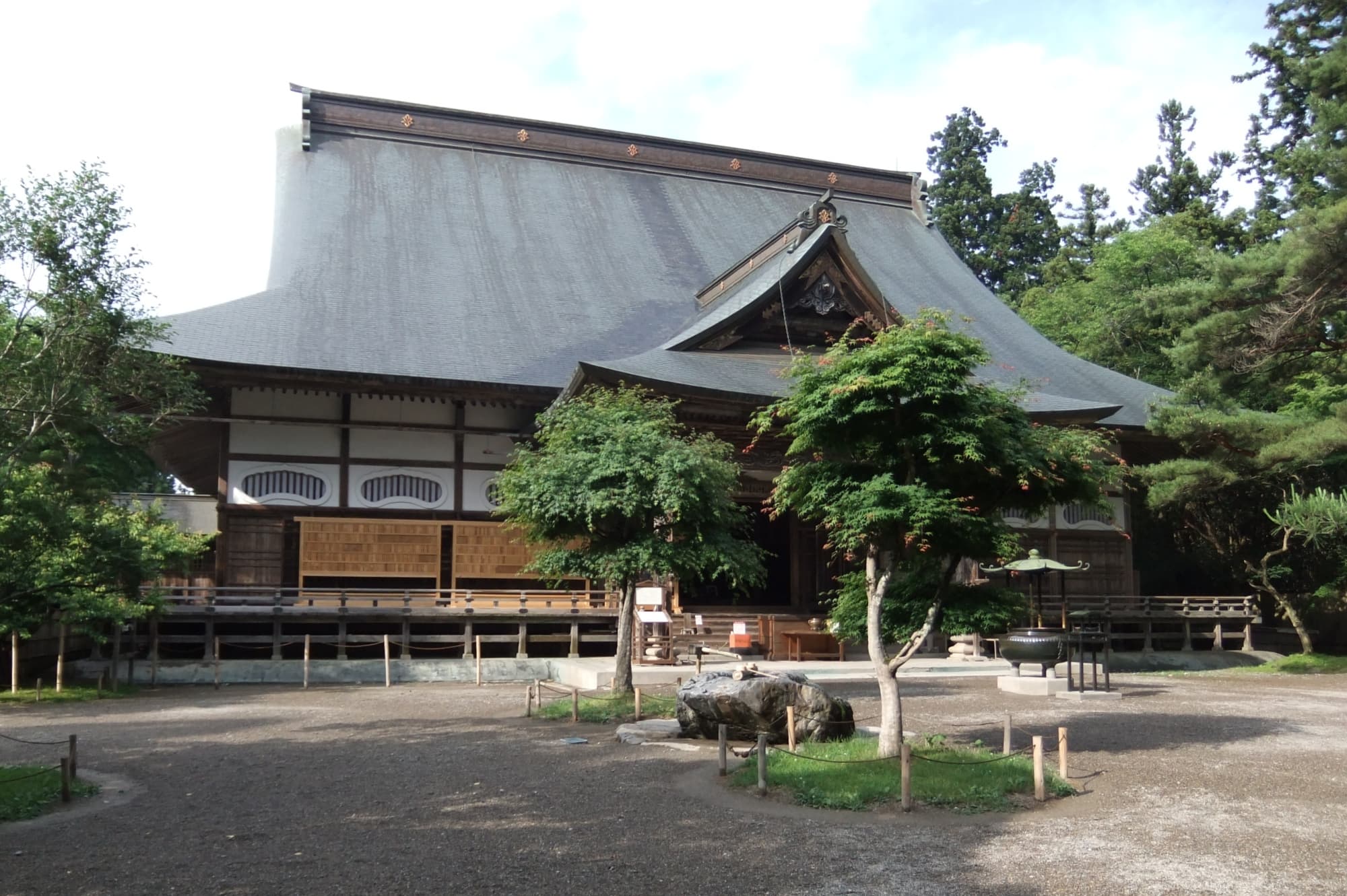
Chuson-ji
中尊寺
Hiraizumi, Iwate · Buddhist temple
A World Heritage Tendai temple whose golden hall was raised in 1124 as a vow for the repose of the dead of both sides in a war — and it is a temple, so do not clap.
Chuson-ji is a Tendai temple in Hiraizumi, and the reason it exists is worth knowing before you look at the gold. Fujiwara no Kiyohira had lived through decades of warfare in the north, losing family on both sides of it. What he built here was dedicated to the repose of the dead of both sides, enemy and ally alike, and to peace. That vow is the founding document of the place.
The Konjikido, raised in 1124, is National Treasure Building Number One — the first structure on Japan's register. Gold leaf covers it inside and out, the roof excepted, and it was Kiyohira's own mortuary hall; he and his descendants lie inside its altar platforms. It now stands inside a reinforced concrete shelter, and you view it through glass.
The Sankozo museum holds more than three thousand objects from the Fujiwara period, including the National Treasure Chusonji sutras and the grave goods found with the Fujiwara mummies.
This is a Buddhist temple, and that changes how you behave at the altar — see below.
Who is enshrined here
- Shaka Nyorai 釈迦如来
- Shakyamuni Buddha, the temple's principal image in the main hall; a figure of about 2.7 metres consecrated in 2013. The lanterns flanking it hold a dharma lamp said never to have been extinguished.
- Amida Nyorai 阿弥陀如来
- The Buddha of the Pure Land, on the central altar of the Konjikido, flanked by the bodhisattvas Kannon and Seishi, six Jizo, and two guardian kings.
- Ichiji Kinrin 一字金輪
- A late-Heian hidden image (hibutsu) normally kept from view — and **on public display right now**, in the Sankozo, during the current hibutsu kaicho.
Take part
What you can actually do here
Viewing the Konjikido. You see it through glass from inside its protective shelter; there is no entering the hall. Allow one to two hours for the whole site — the approach path, Tsukimizaka, is a long uphill slope through cedars.
Sutra copying and seated meditation can be booked — the temple's experience page carries live application forms for both. If you want to do something here rather than look at something, this is the way.
Etiquette
Where this place differs
This is a temple, and the shrine sequence is wrong here. Do not clap. Two bows, two claps and a bow is Shinto; performing it at a Buddhist altar is the single most common mistake foreign visitors make after a few days of shrine-visiting.
At a temple: put your palms together and hold them — gassho — bow, and be quiet. If there is a large standing incense burner, waft the smoke over yourself; the practice of directing it onto a part of the body that hurts is documented by major temples as the received custom.
Bow once at the mountain gate on the way in, and again on the way out.
New to this? Read the full worship sequence first.
Goshuin
Getting the seal here
Offered at three places year-round — the main hall, the Sankozo, and the Konjikido. Counting the subsidiary temples on the mountain, eleven places issue them in total.
Hours and price are not published. Note the temple's own logic, which is a good illustration of what a goshuin is: each hall's seal is given as proof that you visited that hall. You cannot collect them all from one desk.
Before you go
Expect a photography ban inside the Konjikido and the Sankozo. Every visitor account reports one; the temple does not state it on its own pages, so we will not assert it as fact — but assume it applies and follow the posted signs.
The golden hall is inside a plain concrete building. Visitors looking for a gold structure from the outside walk straight past it.
Ticket sales stop 10 minutes before closing, and arriving that late can leave you with the Konjikido only. The temple suggests allowing one to two hours.
Travelling alone with a dog is a problem here. Pets may walk the grounds but cannot enter the Konjikido, the Sankozo or any building, and the temple's own FAQ points out you would need a second person to take turns.
The approach slope is not trivial in winter ice.
Map
Sources
This entry was compiled from the following, most of them in Japanese.
Others people visit for the same reasons
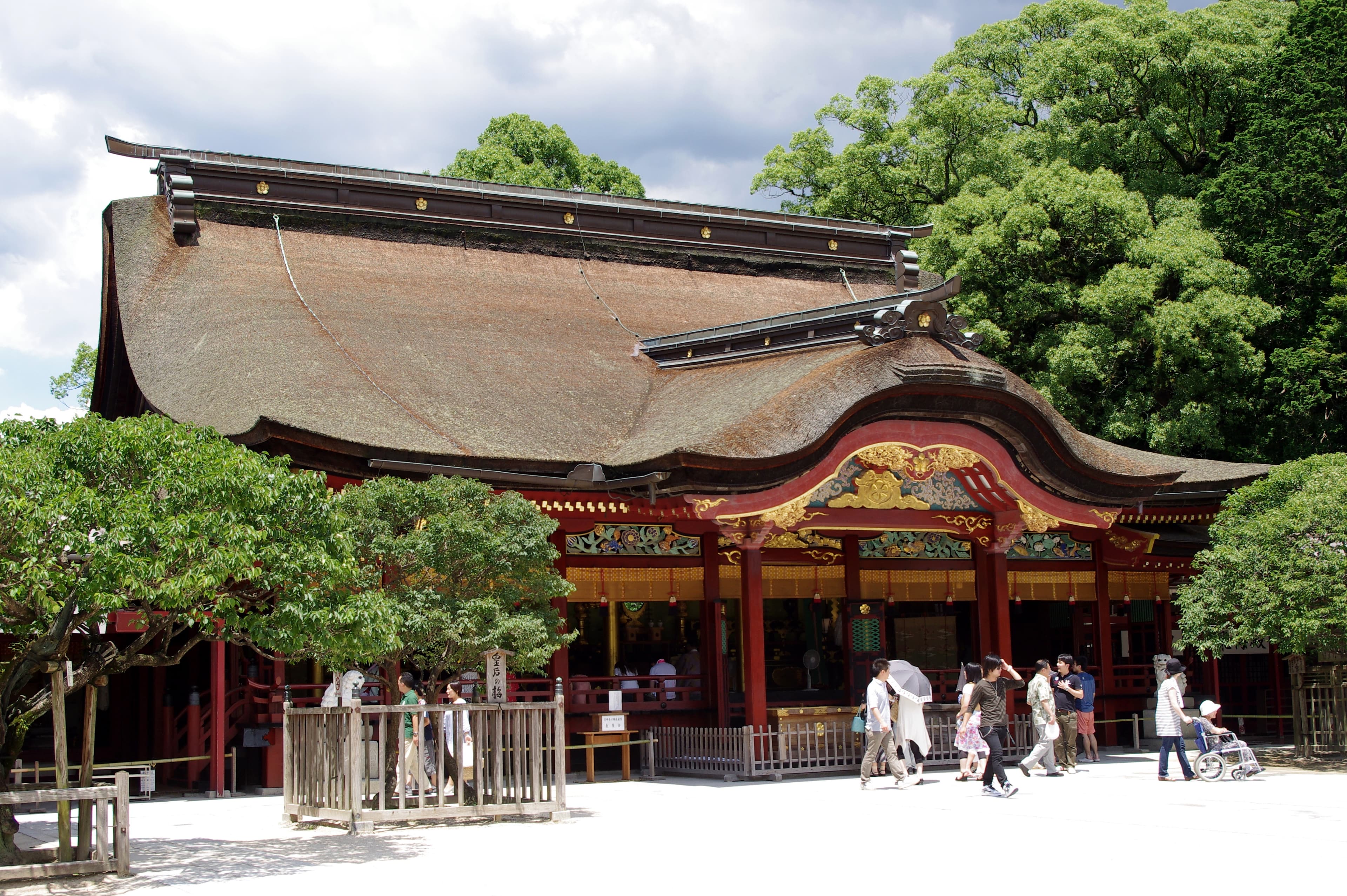
Dazaifu Tenmangu
partial太宰府天満宮 · Dazaifu, Fukuoka
The head shrine of every Tenmangu in Japan, built over the grave of an exiled scholar — and currently mid-way through the end of a 124-year restoration.
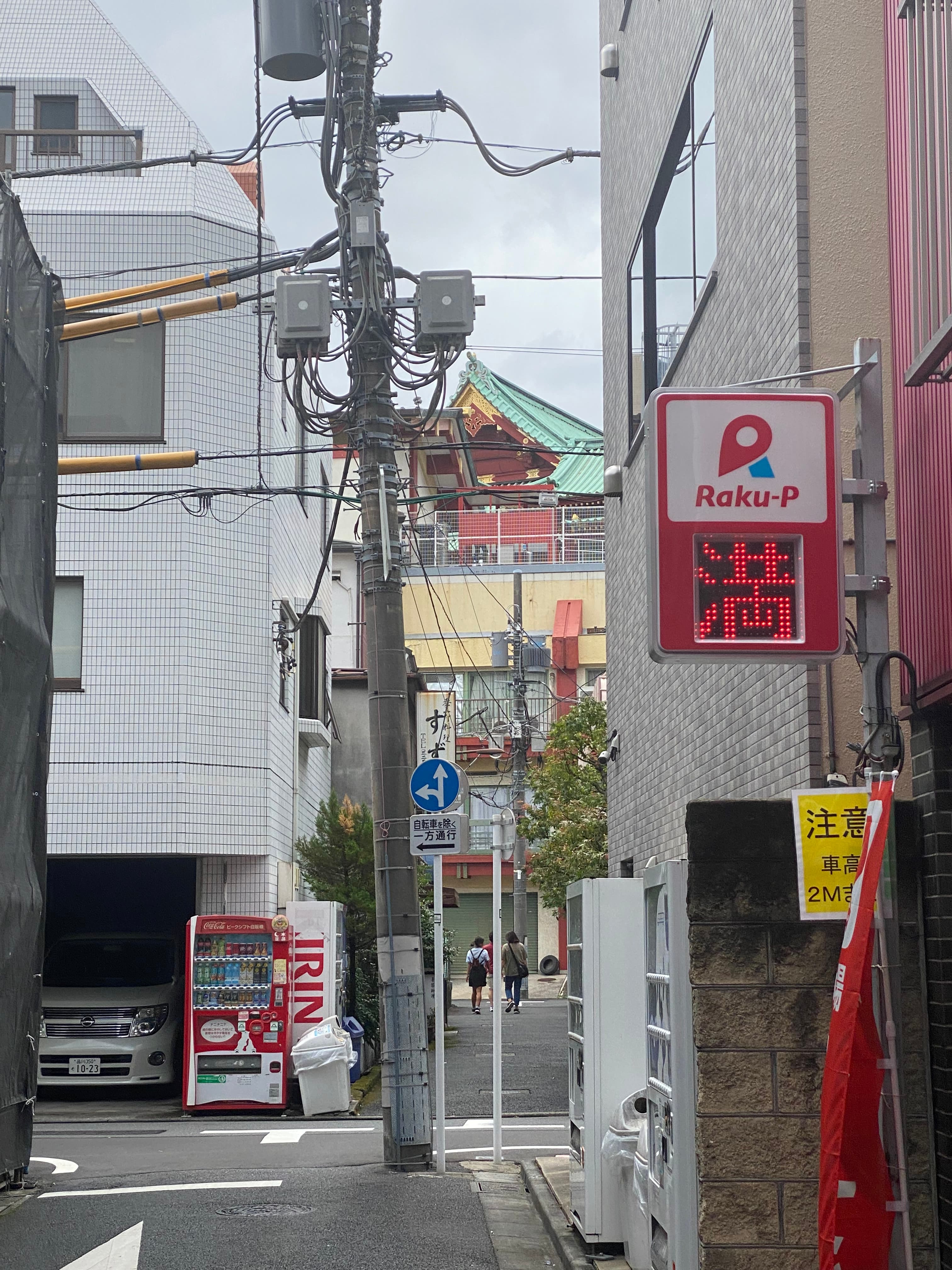
Kanda Myojin
神田明神 · Chiyoda, Tokyo
The tutelary shrine of Edo's merchant districts, next door to Akihabara — and the most relaxed major shrine in Tokyo about how you approach it.
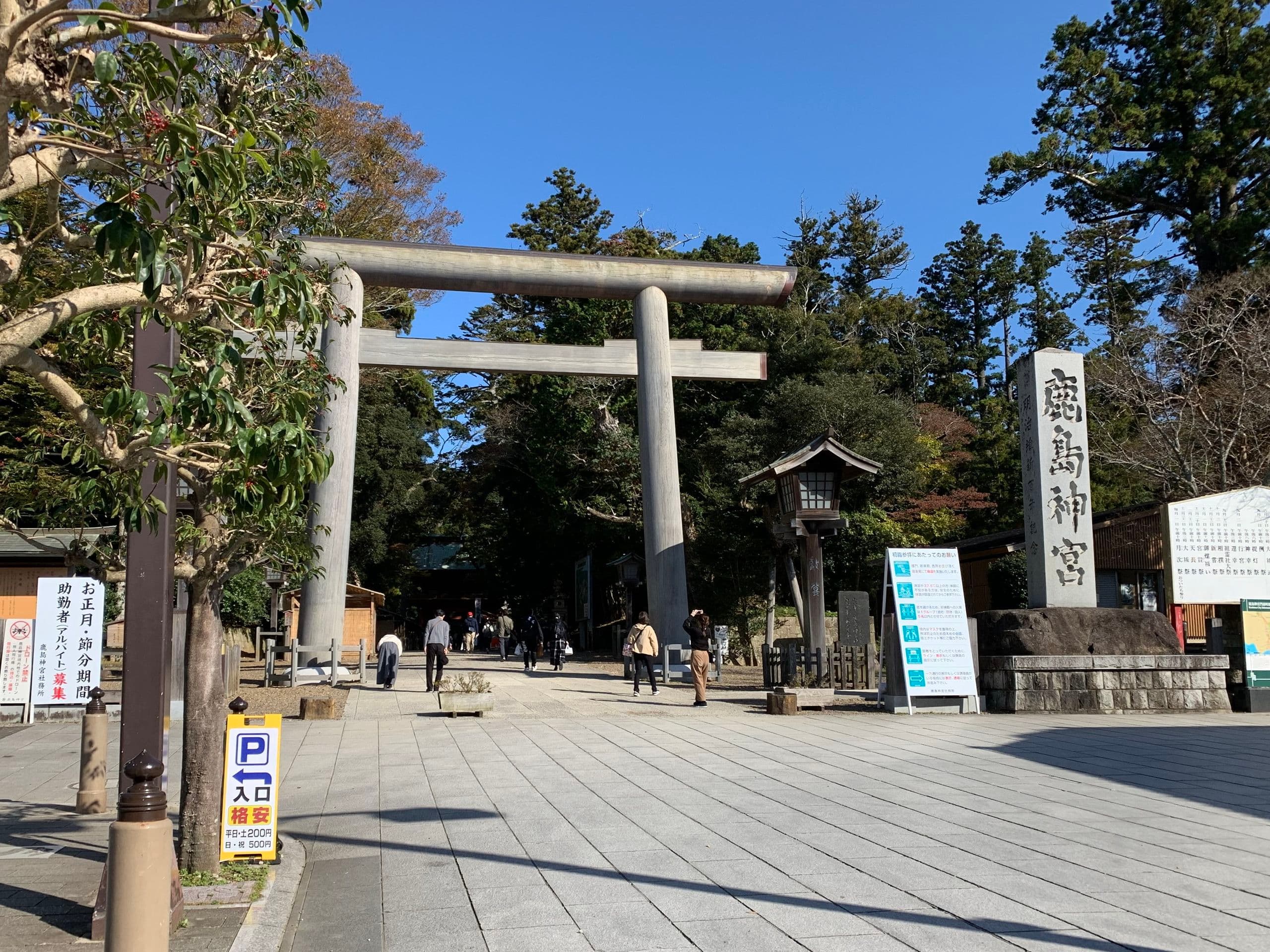
Kashima Jingu
partial鹿島神宮 · Kashima, Ibaraki
A vast forest shrine to the sword-and-thunder kami, where a stone said to pin down the earthquake catfish sits at the end of a 700-metre cedar path.
Kurumazaki Jinja
車折神社 · Ukyo, Kyoto
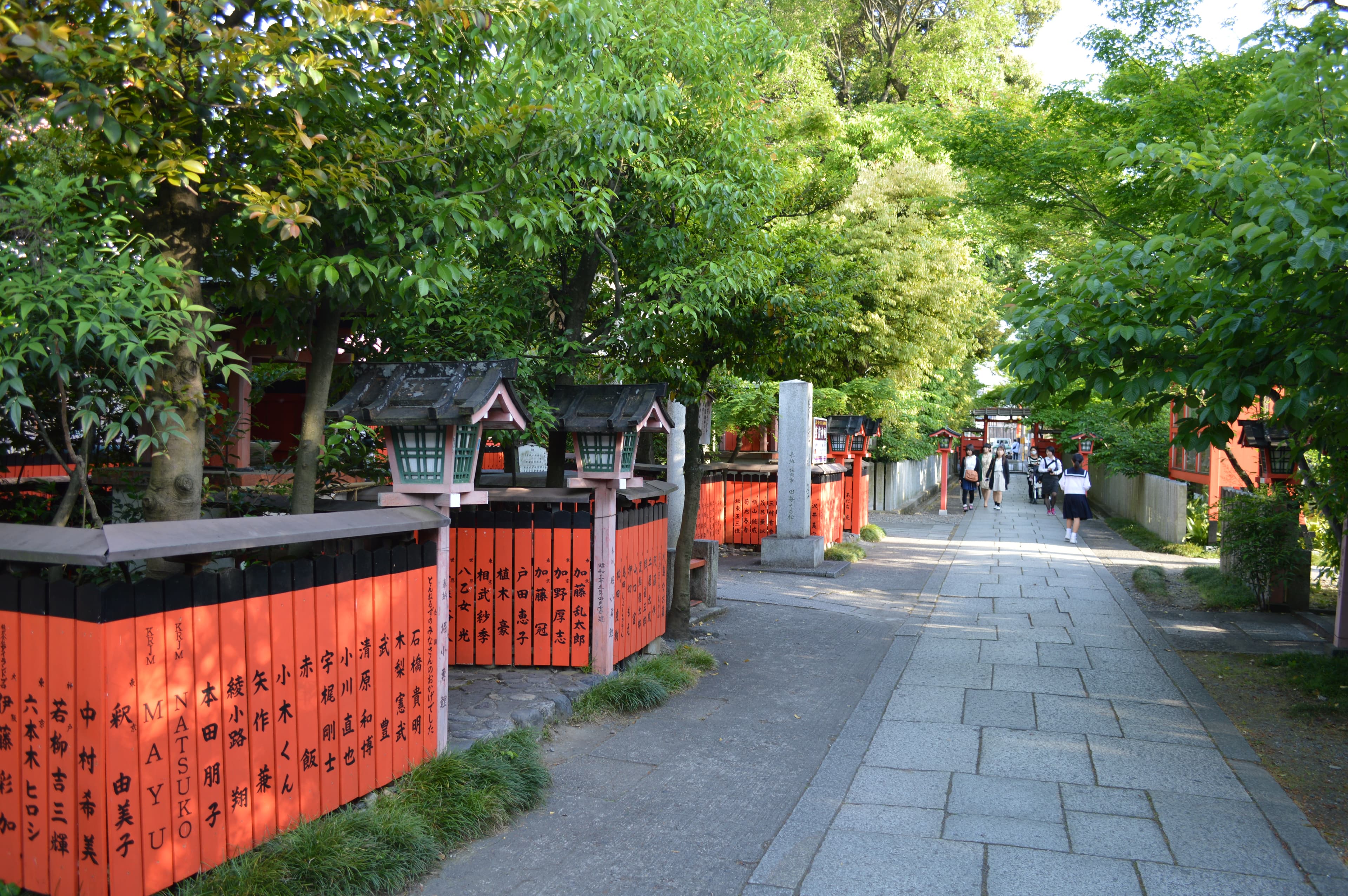
The Arashiyama shrine where promises are kept — and where four thousand vermilion plaques carry the names of Japanese performers, dedicated by the performers themselves.