The most visible devotion in Japan
If you want to see what popular religious practice actually looks like in a country that describes itself as secular, come to a Tenjin shrine in February. The ema racks stand several plaques deep, each carrying the name of a school or university, written by a teenager or by a parent. Nothing else in Japanese religious life is quite so concentrated or so legible.
The deity is a real person. Sugawara no Michizane was the outstanding scholar-official of his generation, was pushed out of the capital by a rival faction in 901, and died in exile in Kyushu two years later. The disasters that followed in Kyoto — deaths, fires, a lightning strike on the imperial palace — were read as his anger, and he was deified to placate it. The transformation from a spirit to be appeased into a patron of study took centuries, and the exam association is the late, specific end of it.
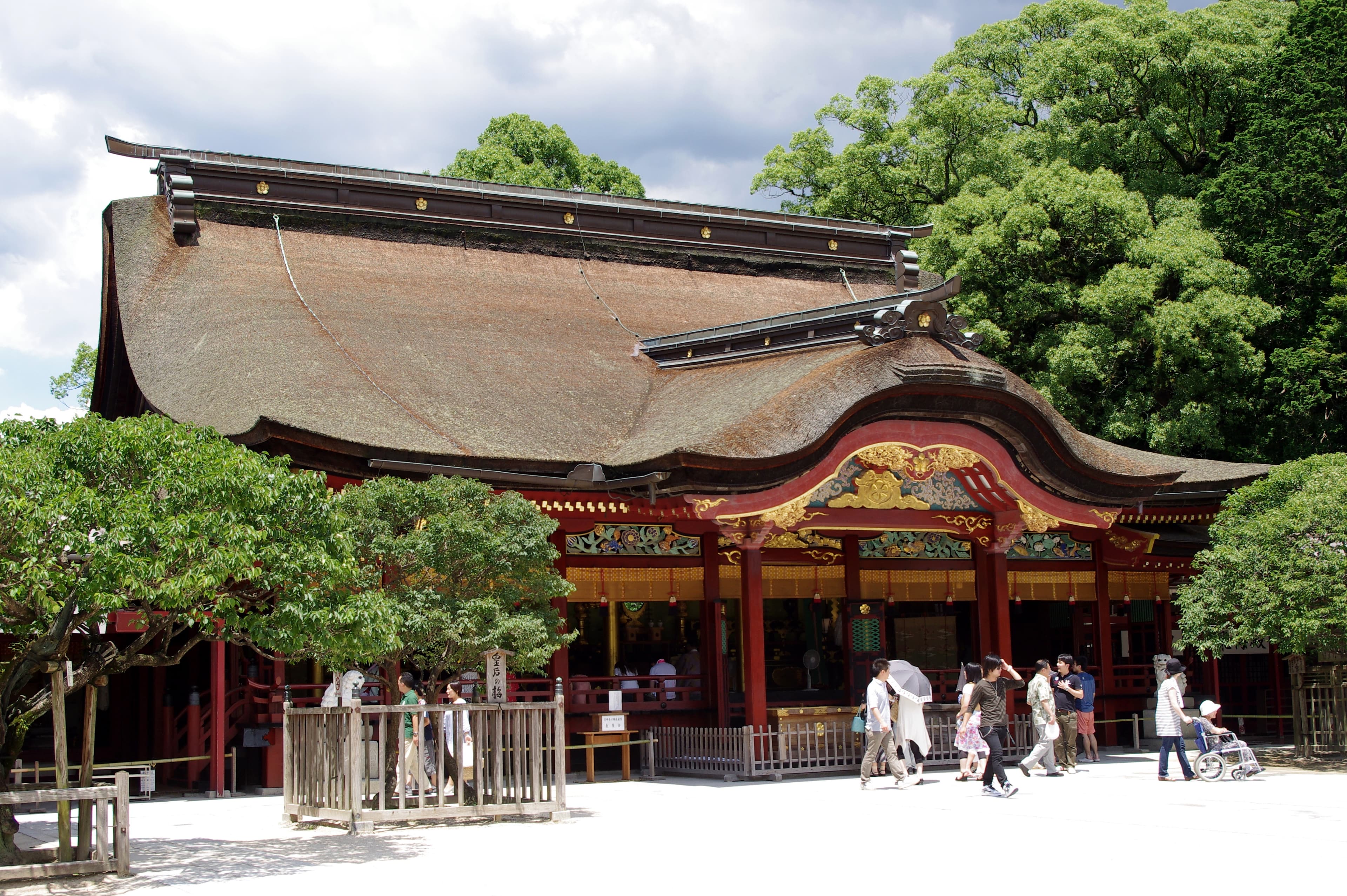
There are about twelve thousand Tenmangu and Tenjin shrines in Japan. Dazaifu Tenmangu, built over his grave, is the head shrine.
What to look for
The ox. Michizane was born on a day of the Ox and died on a day of the Ox, and his testament asked that the ox drawing his body choose the burial place. Every Tenjin shrine has one.
The plum. His emblem, and the reason these shrines are plum-blossom destinations. The legend is that a plum tree uprooted itself from his Kyoto garden and flew to Kyushu to follow him — the tobiume at Dazaifu.
If you are here to ask
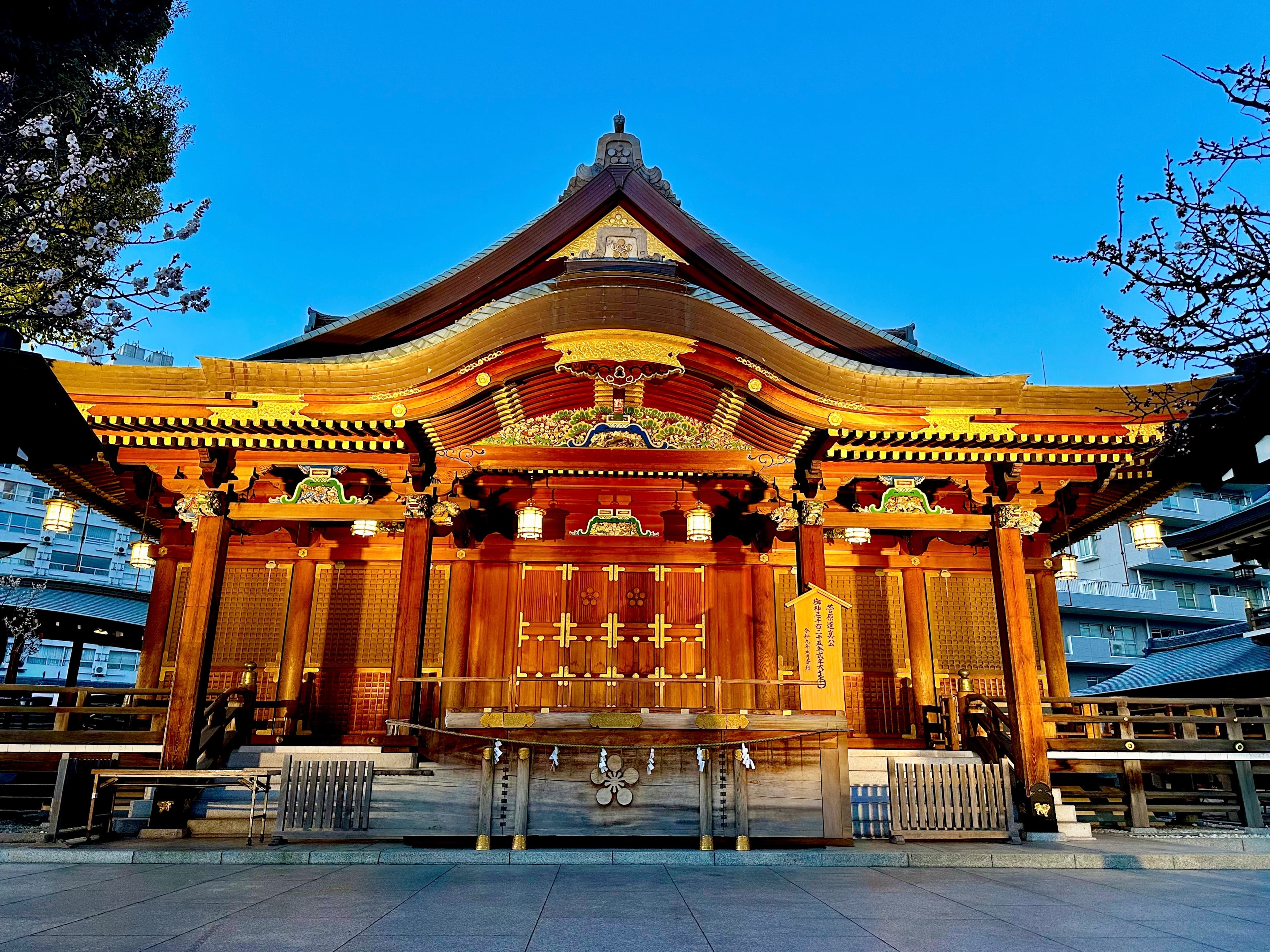
Write an ema. It is the form this category takes, and unlike an amulet it stays at the shrine. Be specific about the exam. And note that Yushima Tenmangu's amulet office closes at 19:00 while its grounds are open until 20:00 — the gap catches people out.