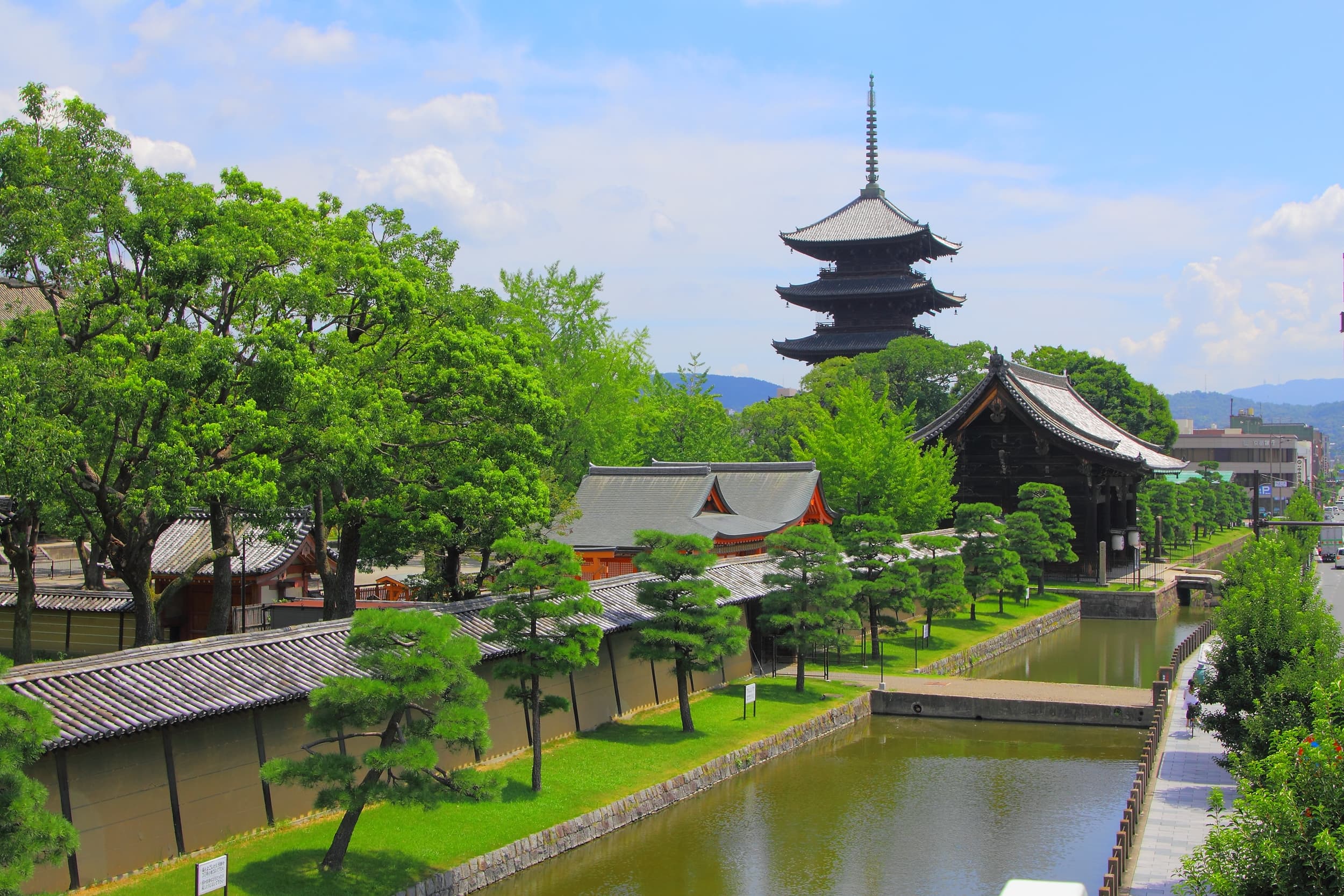
To-ji Temple
東寺(教王護国寺)
Kyoto, Kyoto · Buddhist temple
Kyoto's last surviving trace of Heian-kyō, where a free visit to Kūkai's home and a paid three-dimensional mandala are two different experiences.
To-ji, formally Kyo-o-gokoku-ji, is the head temple of the Toji Shingon school of Buddhism. Kyoto City describes it as a state temple founded in 796, east of the old Rashomon gate, and transferred to Kūkai in 823. The temple's own account calls it the only surviving trace of Heian-kyō and dates its World Heritage registration to 1994.
The grounds make a distinction that matters to a first-time visitor. The Kondō is the main hall and houses the Yakushi triad. The Kōdō is the lecture hall, where Kūkai's teaching is presented through a three-dimensional mandala of twenty-one Buddhist figures. The Miedō is Kūkai's former residence and can be visited without the paid hall ticket. The Five-Story Pagoda and the Treasure Hall have their own special-public-opening rules, so seeing the pagoda from the grounds is not the same as entering it.
The temple is also a living place of practice. The morning shōjinku serves food and tea to Kūkai at 6:00, the seal office is in the Shokudō, and the 21st of each month brings both the Mieku rite and the Kōbō-ichi market. Those are distinct ways to visit, with different timings and crowds.
Who is enshrined here
- Yakushi Nyorai 薬師如来
- The principal image in the Kondō, accompanied by Nikko and Gakko Bodhisattvas. To-ji's official account describes the triad as the hall's protection from illness.
- Dainichi Nyorai 大日如来
- The central figure of the Kōdō's three-dimensional mandala and the esoteric Buddhist principal figure that Kūkai placed at the centre of To-ji's conception.
- Kobo Daishi Kūkai 弘法大師空海
- The founder associated with To-ji's Shingon teaching. His statue is enshrined in the Miedō, the residence where he lived and directed the temple's work.
Take part
What you can actually do here
Begin with the residence, not the ticket gate
To-ji's own introduction says: come to the Miedō first. This is Kūkai's former residence, and it is open for free worship from 6:00 until the gate closes. You are visiting a working Buddhist temple, so enter the hall only where the current signs and attendants allow.
The most distinctive early-morning practice is shōjinku. Arrive at the Miedō's Karamon or West Gate area around 5:50 for the daily 6:00 rite, when a meal and tea are offered to Kūkai. The temple's ritual page describes the end of the rite and the osharisan around 6:20. Kyoto City's listing still carries a note that physical contact with the relic offering was suspended during infection-control measures; ask at the entrance about the current arrangement rather than assuming contact will take place.
Then choose the paid Buddhist art
The Kondō and Kōdō ticket is the paid centre of the ordinary visit. In the Kōdō, look for the three-dimensional mandala: Dainichi Nyorai at the centre, with the surrounding Buddhas, bodhisattvas, wisdom kings and guardian figures. This is not a shrine's outdoor worship sequence; it is a visual expression of Shingon teaching inside a hall.
If your date is the 21st, the temple offers a different kind of visit. The Mieku rite begins at the Miedō at 10:00, and the Kōbō-ichi market fills the grounds on the same day. The market is monthly, not daily, and the temple's access page says its car park cannot be used on that date.
The seal desk is inside the Shokudō
For listed pilgrimage seals, go to the Noukyosho inside the Shokudō after worship. The temple identifies the Shikoku pilgrimage, Rakuyō Thirty-Three Kannon and Kyoto Thirteen Buddhas routes there. The regular fee, writing method and a separate daily reception window are not published on the official pages checked, so ask at the counter rather than carrying over a number from another temple.
Etiquette
Where this place differs
To-ji is a Buddhist temple, not a Shinto shrine. The official pages checked do not publish a general visitor worship sequence. Follow the current signs and attendants at each hall rather than importing a formula from another site. The Miedō, Kōdō and special rites have different access boundaries, so do not cross a rope or step into a hall outside the route being offered.
The 6:00 shōjinku is a real daily service, not a staged performance. Arrive quietly before the stated time, join the people already waiting and follow the temple's direction about where to stand and whether the relic offering is available that day.
New to this? Read the full worship sequence first.
Goshuin
Getting the seal here
The temple's official Noukyosho page puts the Noukyosho (seal office) inside the Shokudō. The counter handles seals connected with the Shikoku pilgrimage, the Rakuyō Thirty-Three Kannon pilgrimage and the Kyoto Thirteen Buddhas pilgrimage.
The official pages checked do not publish the regular individual goshuin fee, whether it is written directly into a book or supplied on paper, or a separate daily reception window. Ask inside the Shokudō after worship. The general opening times below are for the grounds and paid halls; they are not a confirmed goshuin timetable.
Before you go
The admission schedule changes on 20 September 2026. At the time of this check, the regular 5/26–9/19 schedule is current; the Treasure Hall opens for the autumn special period from 9/20, and the Five-Story Pagoda interior is added from 10/31. Check the temple's current admission page before relying on a price or assuming an interior is open.
Do not plan the Kōbō-ichi as a daily market. It is held on the 21st of each month, together with the Mieku rite, and the official access page says parking is unavailable that day. The 2026 Kyoto City event listing gives the market's current date list and hours, but individual stall times can vary.
The pagoda is visible from the grounds, while its first-floor interior is a limited special opening. The Miedō and Shokudō being free does not make the Kondō, Kōdō, Kanchi-in or Treasure Hall free.
Map
Sources
This page draws on the following sources, most of them in Japanese.
- 東寺 — 公式サイト
- 東寺 — 東寺とは
- 東寺 — 金堂
- 東寺 — 講堂
- 東寺 — 立体曼荼羅
- 東寺 — 御影堂(大師堂)
- 東寺 — 食堂内納経所
- 東寺 — 法要のご案内
- 東寺 — 御影供と弘法市
- 東寺 — 拝観のご案内
- 東寺 — 2026年拝観年間スケジュール(公式PDF)
- 東寺 — 2026年拝観年間スケジュール(公式画像)
- 東寺 — 交通のご案内
- 東寺 — よくあるご質問
- 東寺 拝観 — 公式Instagram
- 京都市公式 京都観光Navi — 教王護国寺(東寺)
- 京都市公式 京都観光Navi — 弘法市(東寺)
- 京都市 — 世界遺産 教王護国寺
- 京都府公式 — 世界遺産 教王護国寺(東寺)
- Kyoto Travel — To-ji Temple
- 教王護国寺(東寺)の位置 — 京都市公式石標データ
- 東寺 — Wikidata(座標・別名照合)
Others people visit for the same reasons
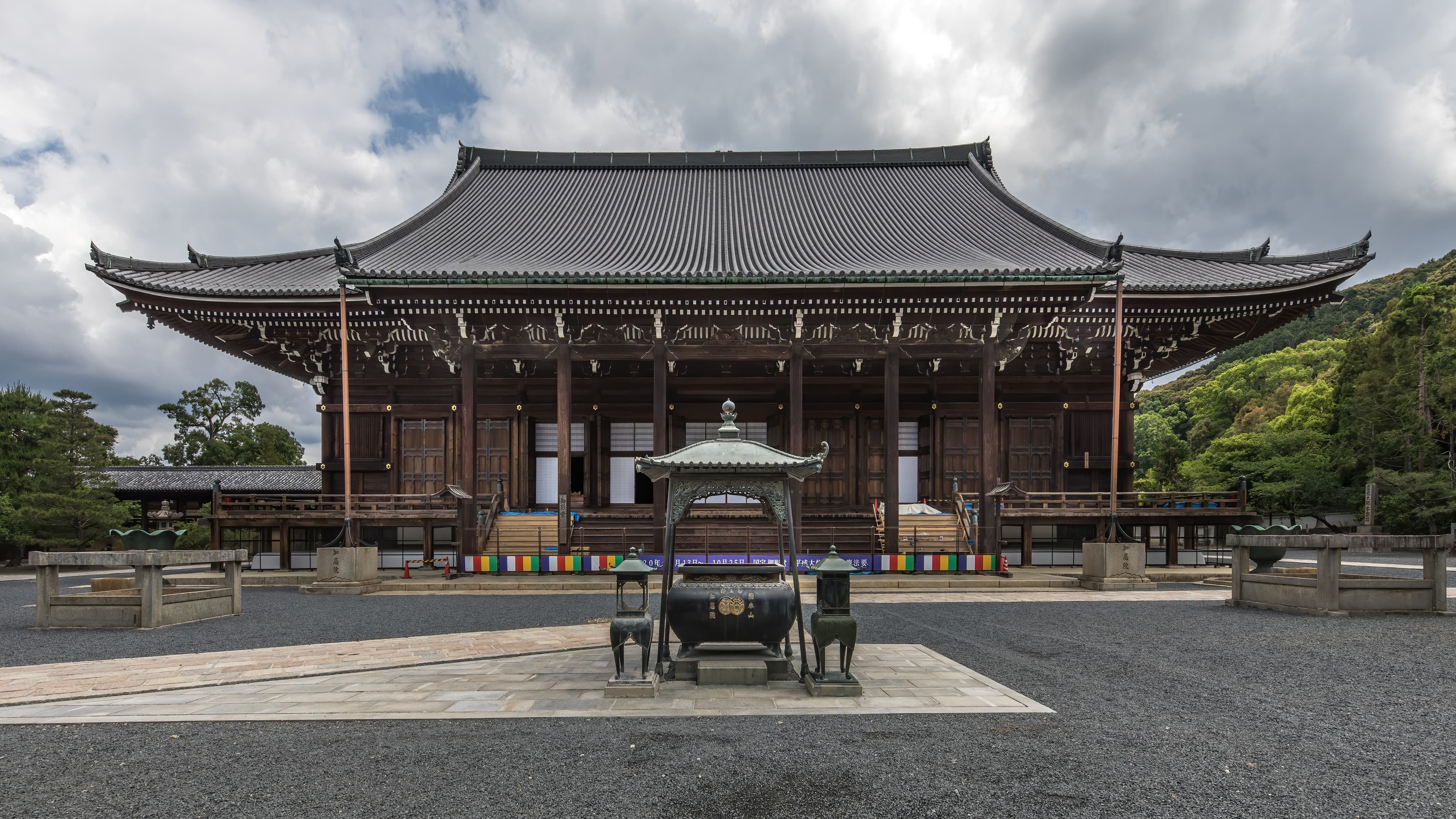
Chion-in Temple
知恩院 · Kyoto, Kyoto
Kyoto's Jōdo-shū headquarters, where a free visit to Hōnen's hall, a separate garden ticket and an exact Nembutsu practice form one useful route.
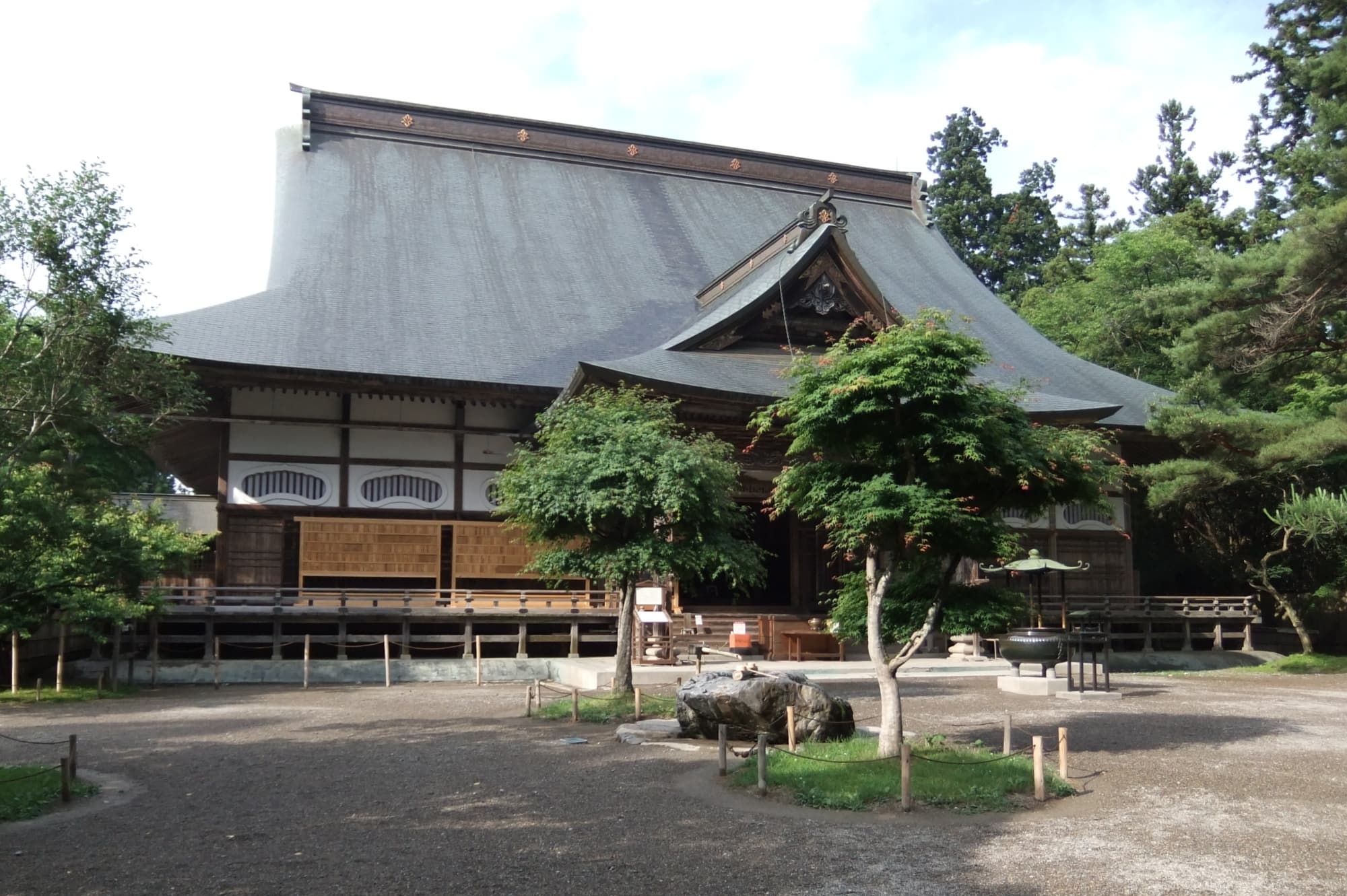
Chuson-ji
中尊寺 · Hiraizumi, Iwate
A World Heritage Tendai temple whose golden hall was raised in 1124 as a vow for the repose of the dead of both sides in a war — and it is a temple, so do not clap.
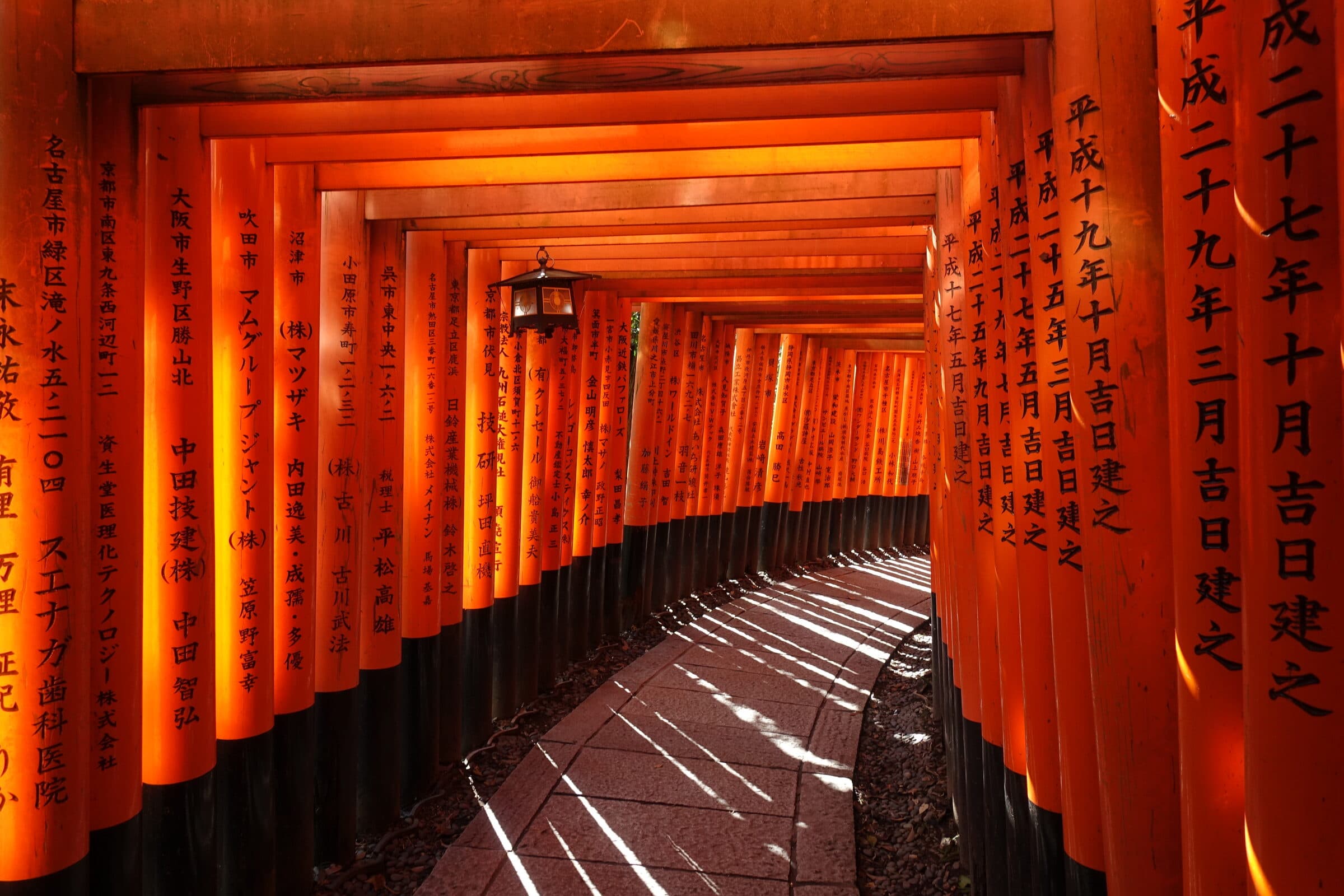
Fushimi Inari Taisha
伏見稲荷大社 · Fushimi, Kyoto
Ten thousand vermilion gates, and every one of them is a receipt — somebody paid for it because something they asked for came true.
Heian Jingu Shrine
平安神宮 · Kyoto, Kyoto
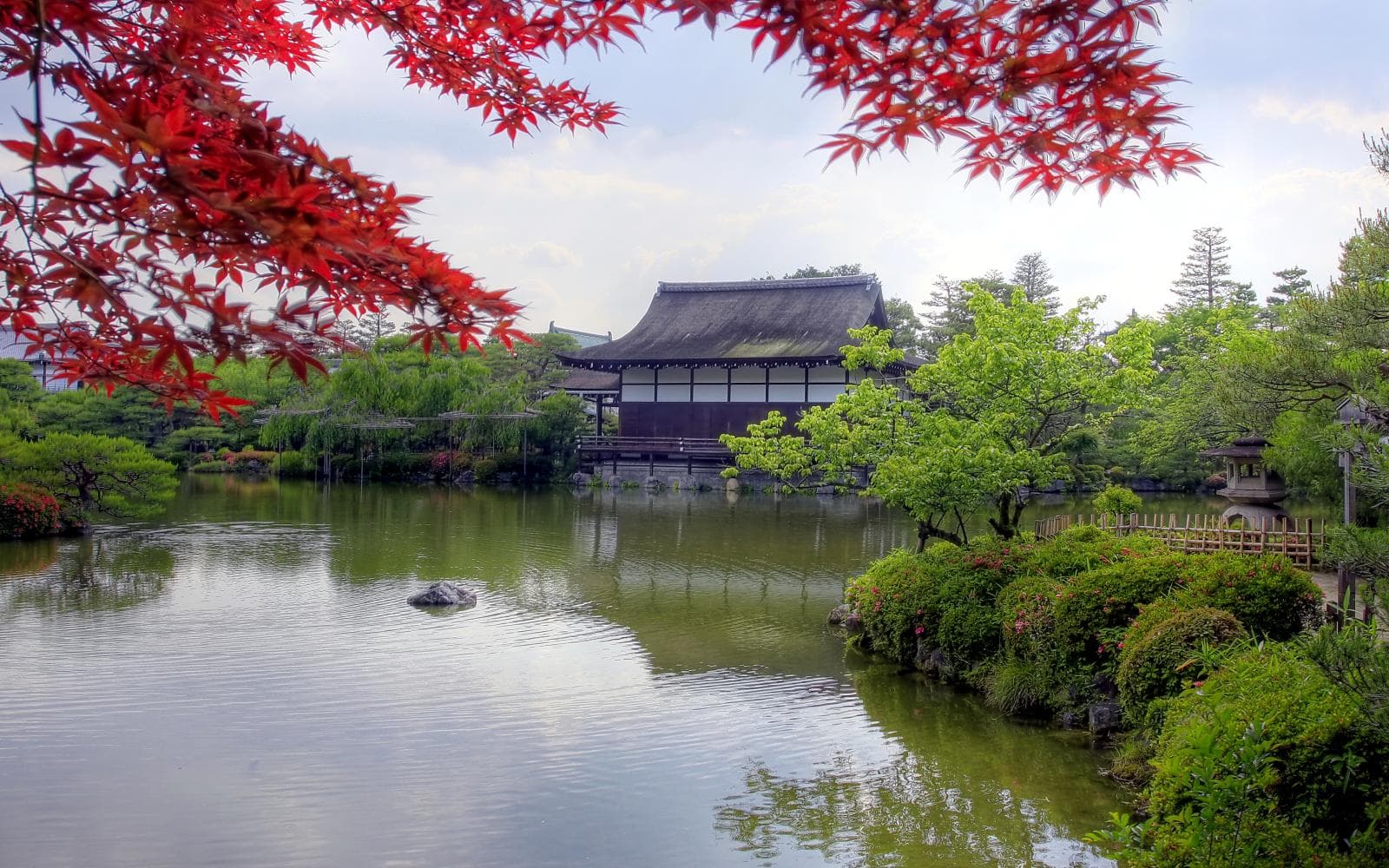
A 5:8-scale reconstruction of Kyoto's ancient State Hall, where the shrine courtyard is free and the four landscape gardens are a separate visit.