JinjaDB

開運

Turning Fortune

The broadest category: a general request that things start going better. Where you go when the problem is not one specific thing.

These are places where this concern is part of the site’s own tradition, not a generic recommendation. Whichever you pick, the worship sequence is the same.

Where you go when it is not one thing

Kaiun is the broadest category on the site, and it is the honest place to put a request that does not decompose neatly. Not a specific illness, not a specific exam — a general sense that things have been going badly and you would like them to start going better. The characters mean something like "opening fortune," and the image is of a way opening up rather than a prize arriving.

Most shrines carry this association in addition to whatever they are known for, which is why the list here overlaps heavily with the other categories. That is not padding; it reflects how the shrines describe themselves.

Two things worth knowing before you use this category

It is where the invented practices cluster. Because the request is vague and the payoff imaginable, general good-fortune shrines attract more folk ritual and more internet-invented gimmickry than any specific category. Izumo Taisha has had to state on its own site that touching its bronze torii for money luck is not an old practice there, and that throwing coins to lodge in its great straw rope is disrespectful and not auspicious. Treat unfamiliar rituals with the same caution you would apply anywhere: if the shrine does not document it, it is not the shrine's.

The offering does not need to be large or clever. Both Jinja Honcho and Izumo Taisha explicitly disclaim the five-yen coin pun. Izumo calls the whole family of coin puns baseless wordplay invented to make a tour more entertaining, and says the sincerity of a prayer is not affected by the denomination of a coin.

If you are going to do this properly

Choose one thing to say. The point of the specific categories is that a request with an edge on it is easier to hold in mind at the hall than a general hope — and holding it is the entire content of the act.
Where to go

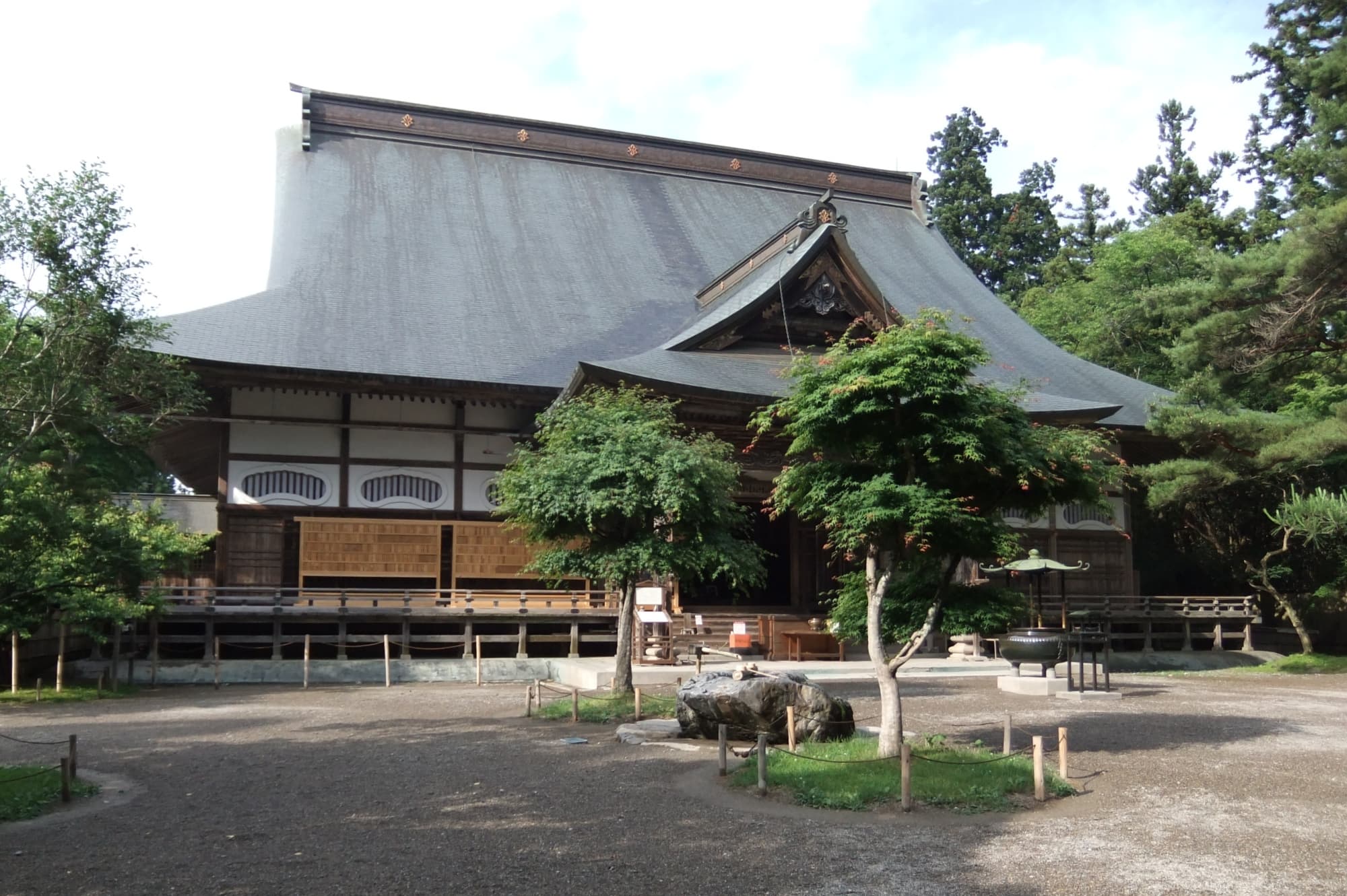
Chuson-ji

Chuson-ji

中尊寺 · Hiraizumi, Iwate

A World Heritage Tendai temple whose golden hall was raised in 1124 as a vow for the repose of the dead of both sides in a war — and it is a temple, so do not clap.

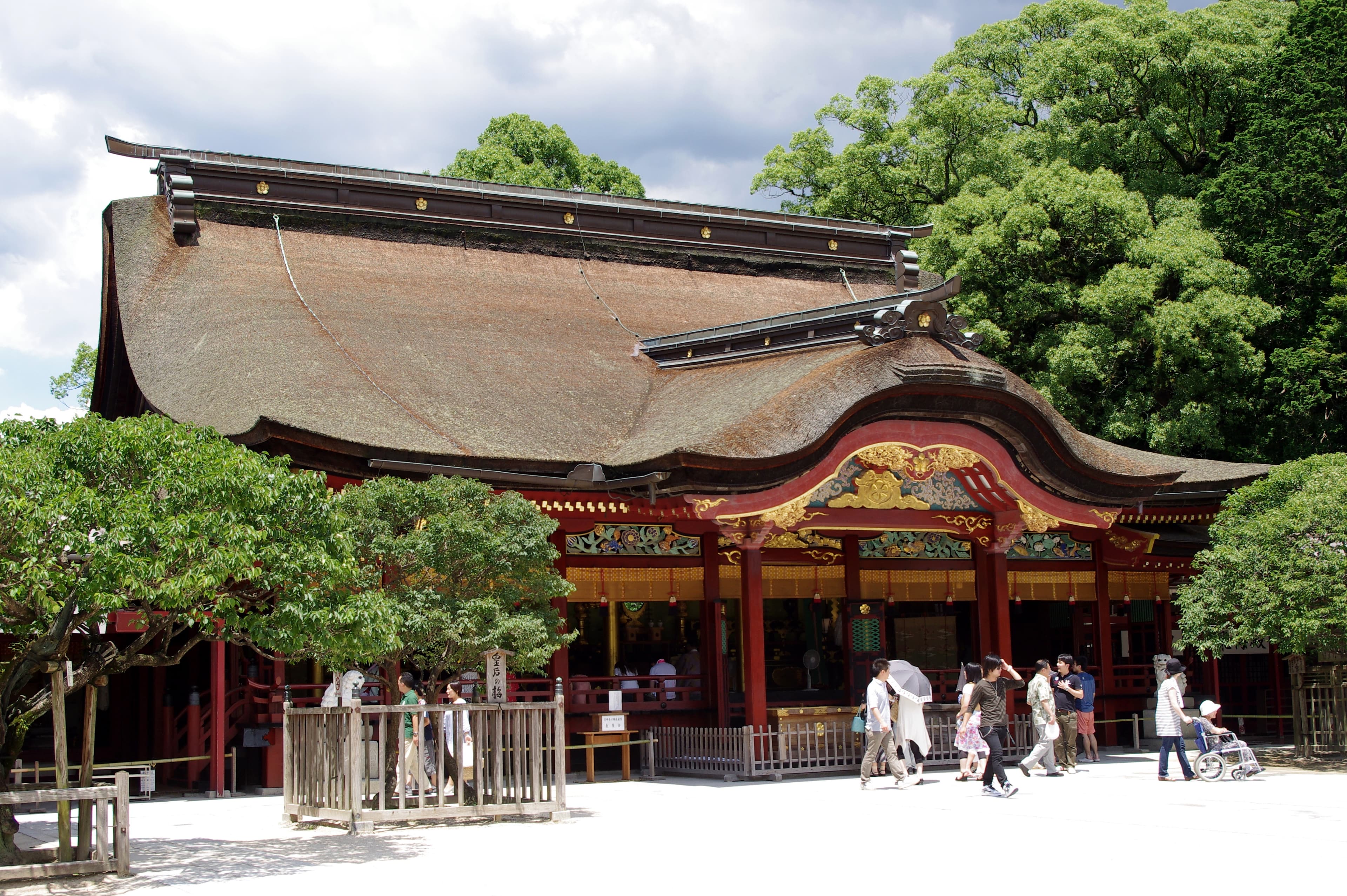
Dazaifu Tenmangu

Dazaifu Tenmangu

partial

太宰府天満宮 · Dazaifu, Fukuoka

The head shrine of every Tenmangu in Japan, built over the grave of an exiled scholar — and currently mid-way through the end of a 124-year restoration.

Kanda Myojin

Kanda Myojin

神田明神 · Chiyoda, Tokyo

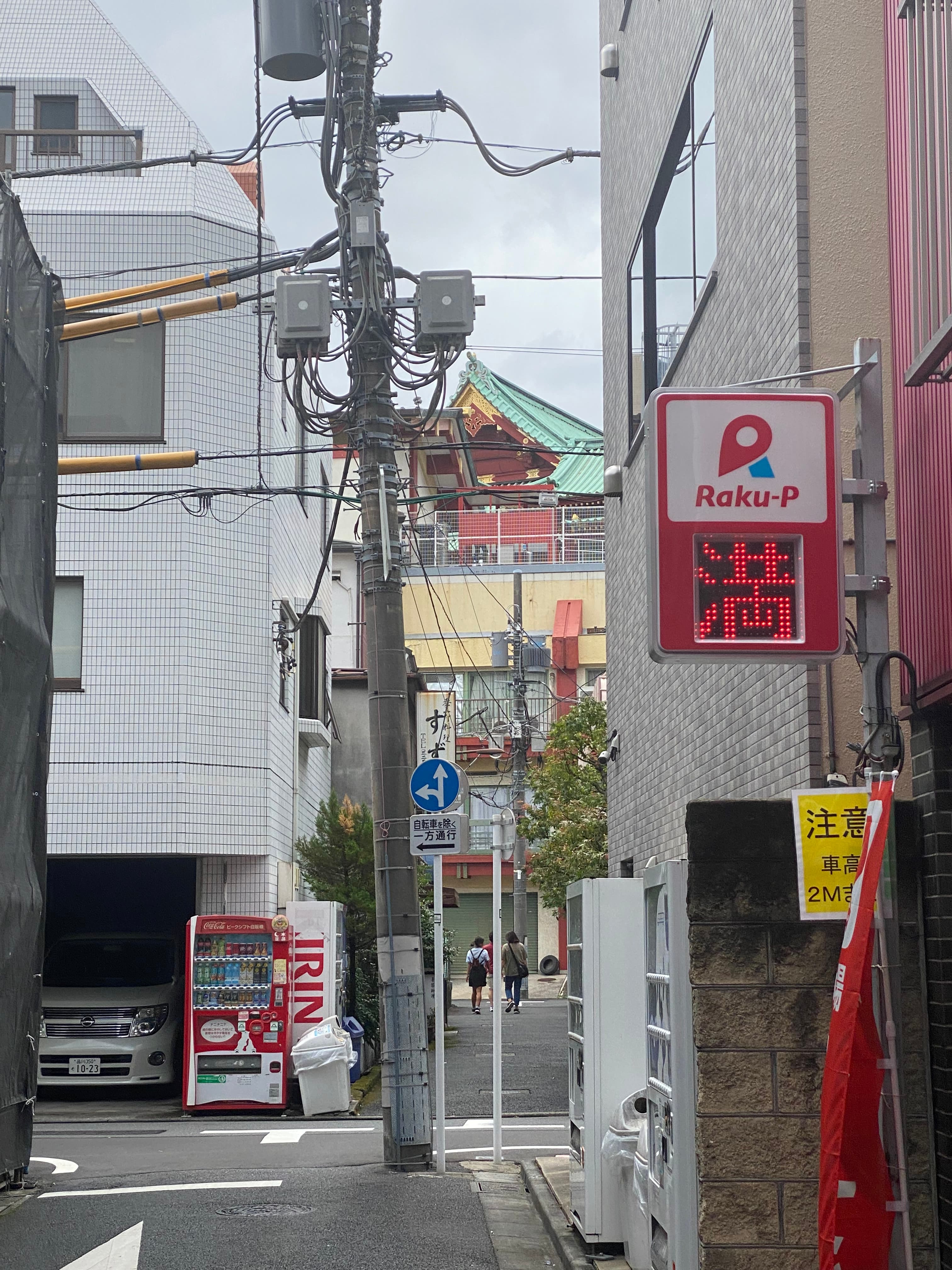
The tutelary shrine of Edo's merchant districts, next door to Akihabara — and the most relaxed major shrine in Tokyo about how you approach it.

Kashima Jingu

Kashima Jingu

partial

鹿島神宮 · Kashima, Ibaraki

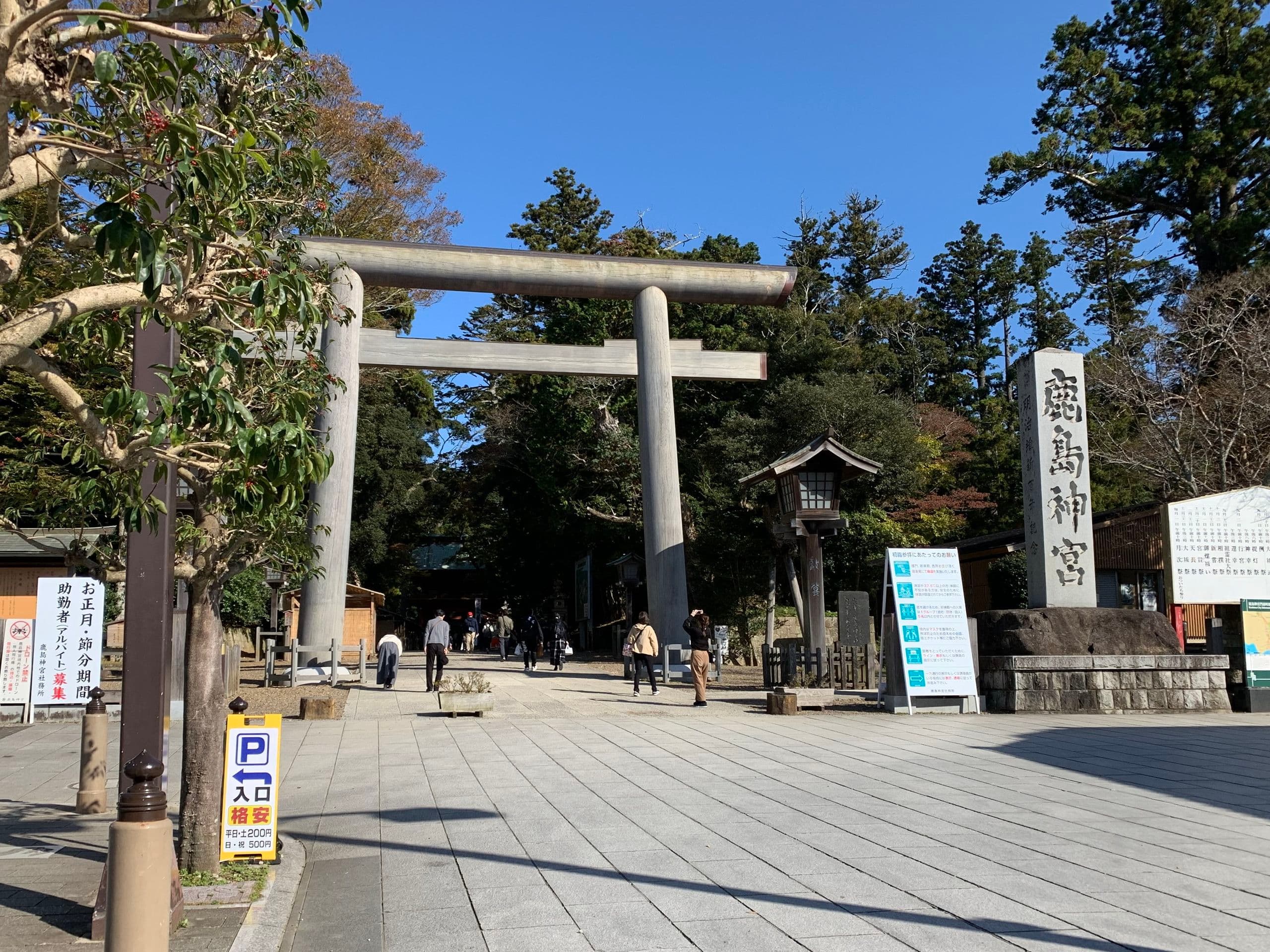
A vast forest shrine to the sword-and-thunder kami, where a stone said to pin down the earthquake catfish sits at the end of a 700-metre cedar path.

Kurumazaki Jinja

Kurumazaki Jinja

車折神社 · Ukyo, Kyoto

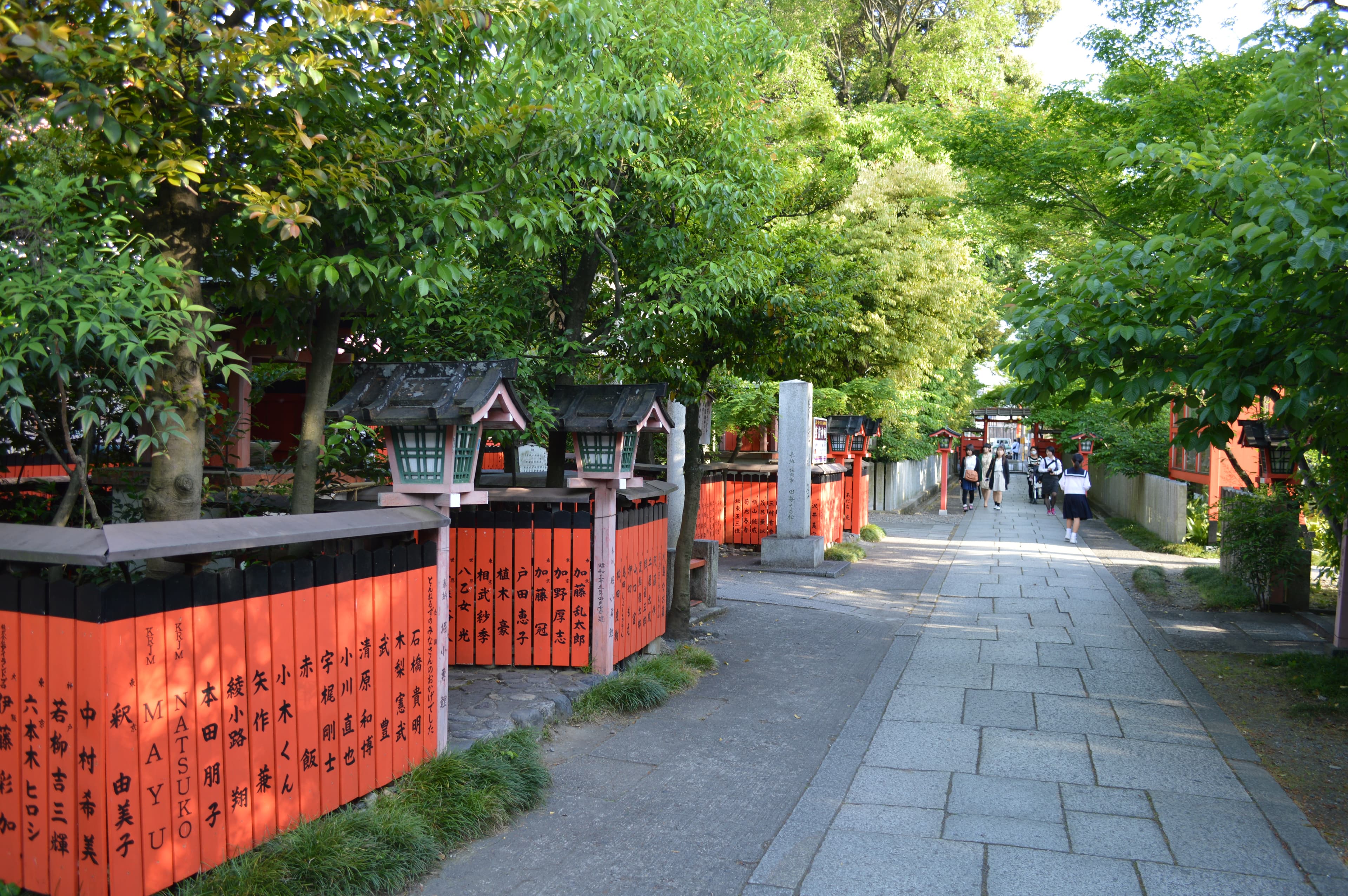
The Arashiyama shrine where promises are kept — and where four thousand vermilion plaques carry the names of Japanese performers, dedicated by the performers themselves.

Oyama Afuri Jinja

Oyama Afuri Jinja

大山阿夫利神社 · Isehara, Kanagawa

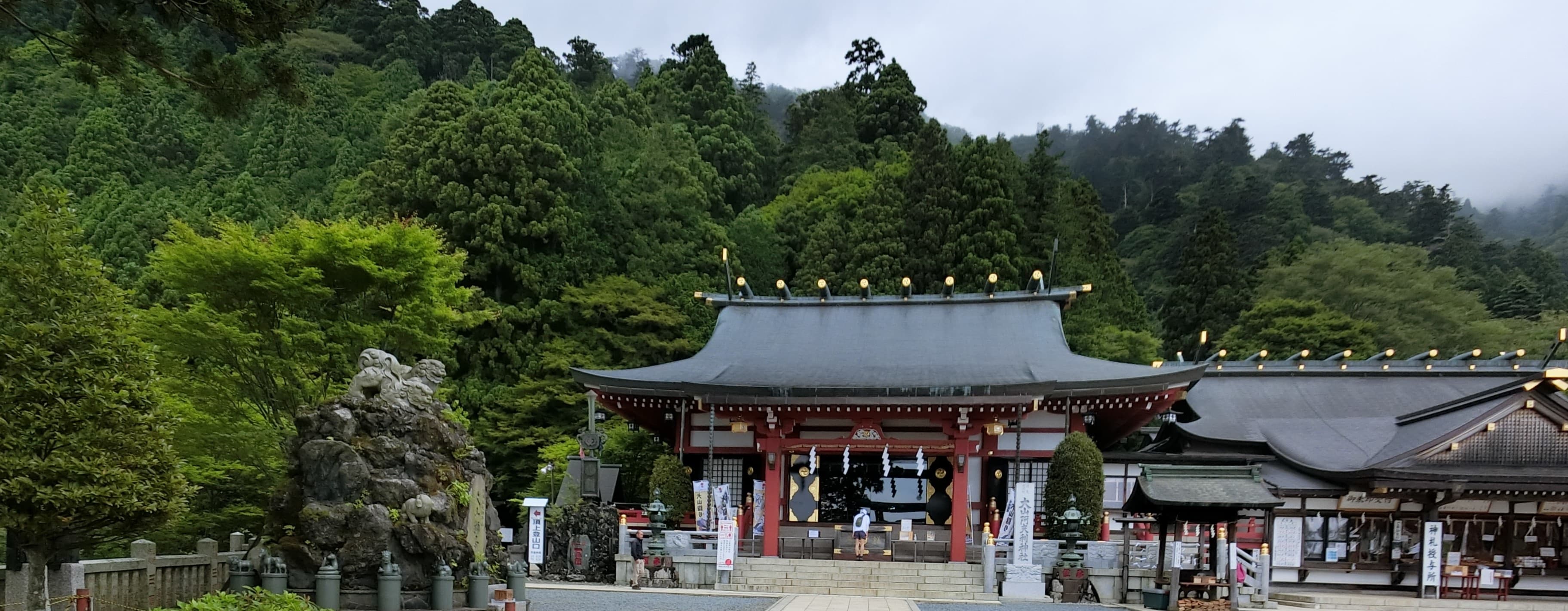
A mountain shrine ninety minutes from Tokyo where the lower hall is a cable-car ride and the upper hall is a two-hour climb — and the difference matters.

Suitengu

Suitengu

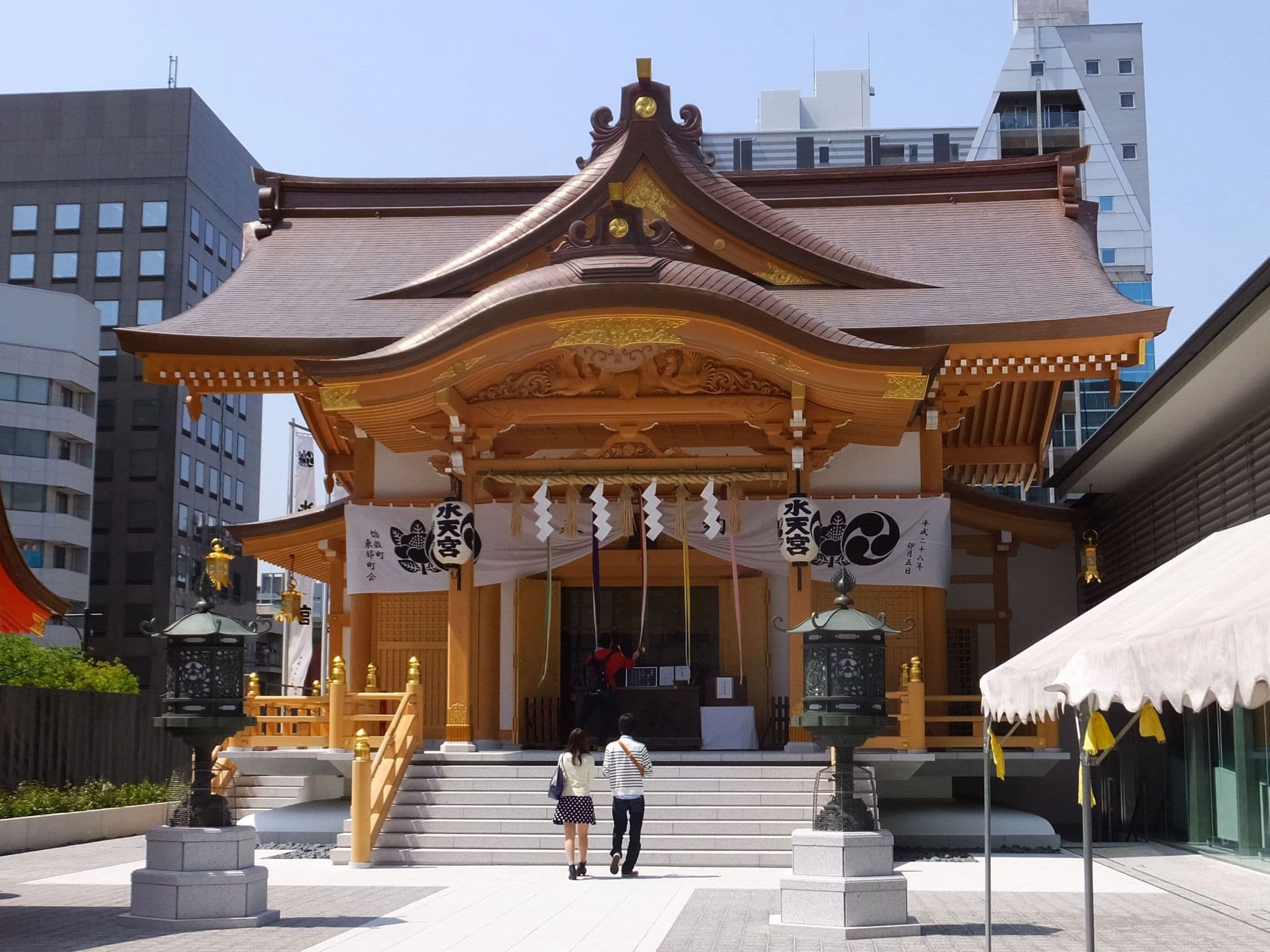
水天宮 · Chuo, Tokyo

Tokyo's shrine for safe childbirth, rebuilt in 2016 as a base-isolated modern structure raised above a car park — nothing about it looks the way visitors expect.

Takachiho Jinja

Takachiho Jinja

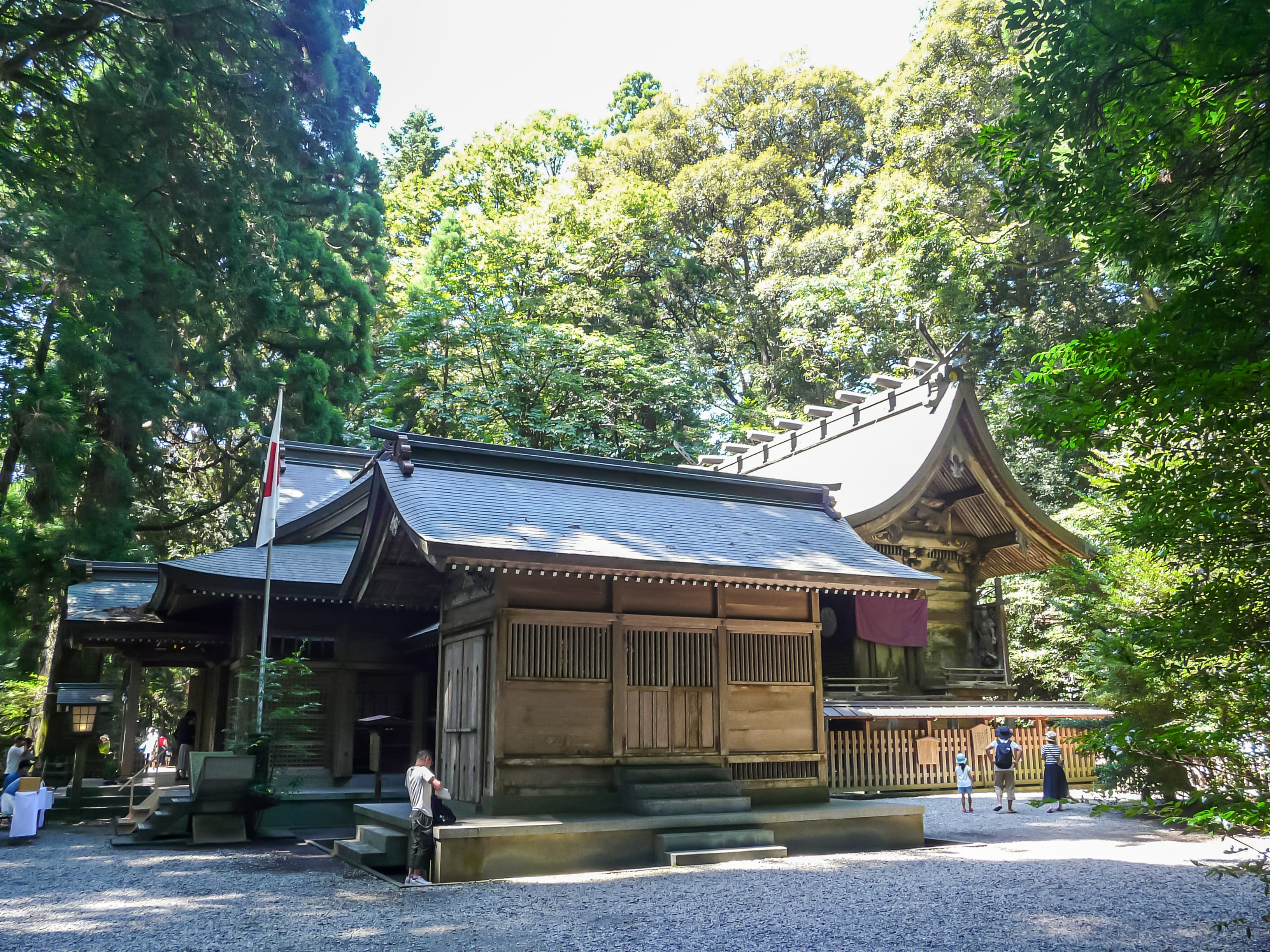
高千穂神社 · Takachiho, Miyazaki

The head shrine of Takachiho's eighty-eight shrines, where four kagura dances are performed for visitors every night of the year at eight o'clock.