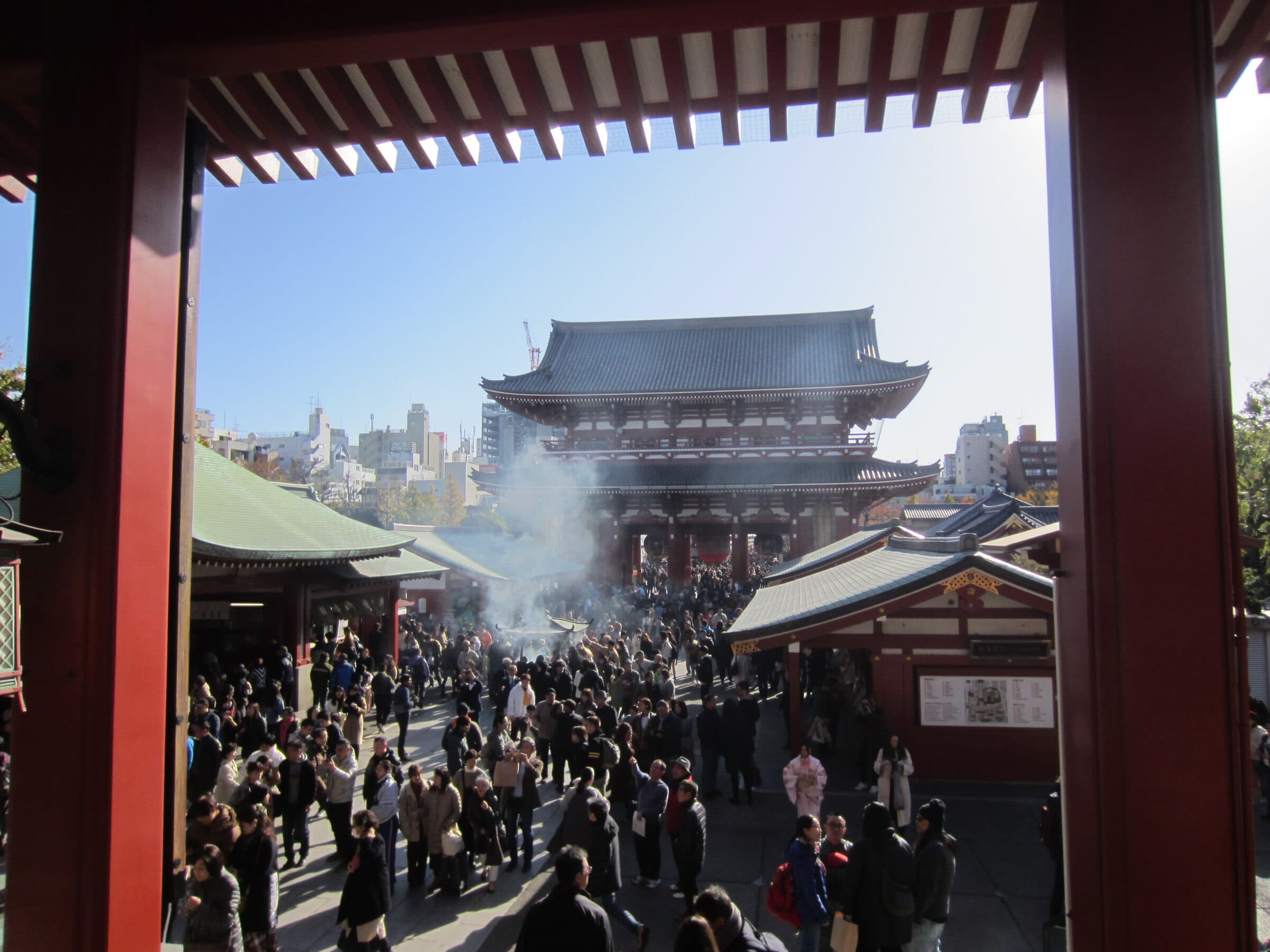
Senso-ji
浅草寺
Taito, Tokyo · Buddhist temple
Tokyo's oldest temple, thirty million visitors a year — and almost all of them stop at the offering box without realising they are allowed to go inside.
Senso-ji is about fourteen hundred years old by its own account: in 628 two fisherman brothers pulled an image of Kannon from the Sumida River, and a temple grew around it. (The famous detail that it is barely two inches tall is one the temple itself calls a popular story of Edo origin rather than a fact.) It is the oldest temple in Tokyo and it receives something like thirty million visitors a year.
A point of fact that most English sources get wrong: Senso-ji has not been a Tendai temple since 1950. It became independent that year as the head temple of the Sho-Kannon sect, a lineage defined by its Kannon rather than by a founder. The temple states this plainly on its own FAQ.
The image itself you will never see. It is an absolute hibutsu: the temple's account is that in 645 the monk Shokai Shonin received the instruction not to look upon it carelessly, and it has been concealed ever since. Even the substitute image standing in for it is shown publicly only once a year, on 13 December at two in the afternoon. English write-ups often imply the Kannon is on display. It is not, and it never will be.
None of which is a reason to treat the place as scenery. See below: there is something here you are permitted to do that nearly every visitor walks past.
Who is enshrined here
- Sho Kannon Bosatsu 聖観世音菩薩
- The 'true' or base form of Avalokiteshvara, bodhisattva of compassion — as distinct from the eleven-headed or thousand-armed variants. An absolute hidden image, never shown.
Take part
What you can actually do here
Take your shoes off and go in. This is the single most useful thing on this page. Visitors photograph the hall from behind the offertory box and leave; the temple permits you to step up out of your shoes onto the tatami of the inner sanctuary. That is where the atmosphere is, and where people are actually praying.
Say the words. The temple's own FAQ names what to recite: Namu Kanzeon Bosatsu — 南無観世音菩薩, "I take refuge in Kanzeon Bodhisattva." Palms together, bow, say it, bow. If you want the Sho-Kannon mantra it is On Arorikya Sowaka.
Draw an omikuji, and expect a bad one. Senso-ji is famous for its high rate of kyo, and its FAQ addresses the reputation directly: what it issues is the hundred-slip Kannon oracle exactly as handed down, unaltered. Around 30% are kyo — that figure comes from the temple via press interviews rather than from its website, and the comparison with places that have softened their own odds is ours, not the temple's.
And a kyo is not a curse. The temple's own instruction is that living sincerely and patiently turns it to good fortune, and that you should tie the slip at the designated racks in the precinct — praying for Kannon's protection and, in the temple's phrase, forging a bond. Tie it at the racks, not on a tree or a railing, and do not bin it.
The incense cauldron stands between the Hozomon and the main hall. Light your sticks from the flame provided — not from someone else's — place them, and draw the smoke over yourself. Wafting it onto a part of the body that troubles you is a widely practised custom rather than a temple instruction.
Nakamise is part of the approach, not a detour from it. The street exists because in about 1685 the temple let local residents open stalls along the way in exchange for maintaining the grounds. It is a functioning part of the temple economy, which is a better frame than "tourist trap".
Etiquette
Where this place differs
Do not clap. This is the mistake to avoid here, and it happens constantly to people who visited Meiji Jingu the same morning. Clapping belongs to shrines. At a temple: palms together and held, bow, recite, bow.
Asakusa Jinja, in the same block, is a different institution — a Shinto shrine with its own priests and its own goshuin. You do clap there. Do not treat the two as one site.
New to this? Read the full worship sequence first.
Goshuin
Getting the seal here
Offered at the Yogo-do, on the west side of the precinct, and there are two: one for the honzon and one for Daikoku-ten. Senso-ji is also the first stop of the Edo thirty-three Kannon pilgrimage and the thirteenth of the Bando circuit, so pilgrimage seals are issued here too.
Hours are 8:00–16:30, published by the temple, with special hours at New Year and on Shimanrokusennichi. The price is not published; collectors report ¥500 and direct writing into your book.
Note that 8:00 is two hours after the main hall opens, and 16:30 is half an hour before it closes — arrive at dawn or late afternoon and you can worship but not collect.
Before you go
Right now the Hozomon has no lantern. The great Kobunacho lantern was lowered on 21 May 2026 for its roughly ten-yearly renewal, and the temple's notice says the gate will be bare until late October 2026; press reports the new one going up on 25 October. Every photograph you have seen shows something you will not find there. Nothing is closed and worship is entirely unaffected — this is a rare sight rather than a loss. The Kaminarimon lantern is untouched; English sources mix the two up constantly.
Come early. The main hall opens at 6:00 — hours before Nakamise's shutters go up and the coaches arrive. Midday the street is barely passable.
The 18th of each month is Kannon's day and the hall fills with people who are there to worship. A good day to watch quietly; a bad day to take up space.
Map
Sources
This entry was compiled from the following, most of them in Japanese.
Others people visit for the same reasons
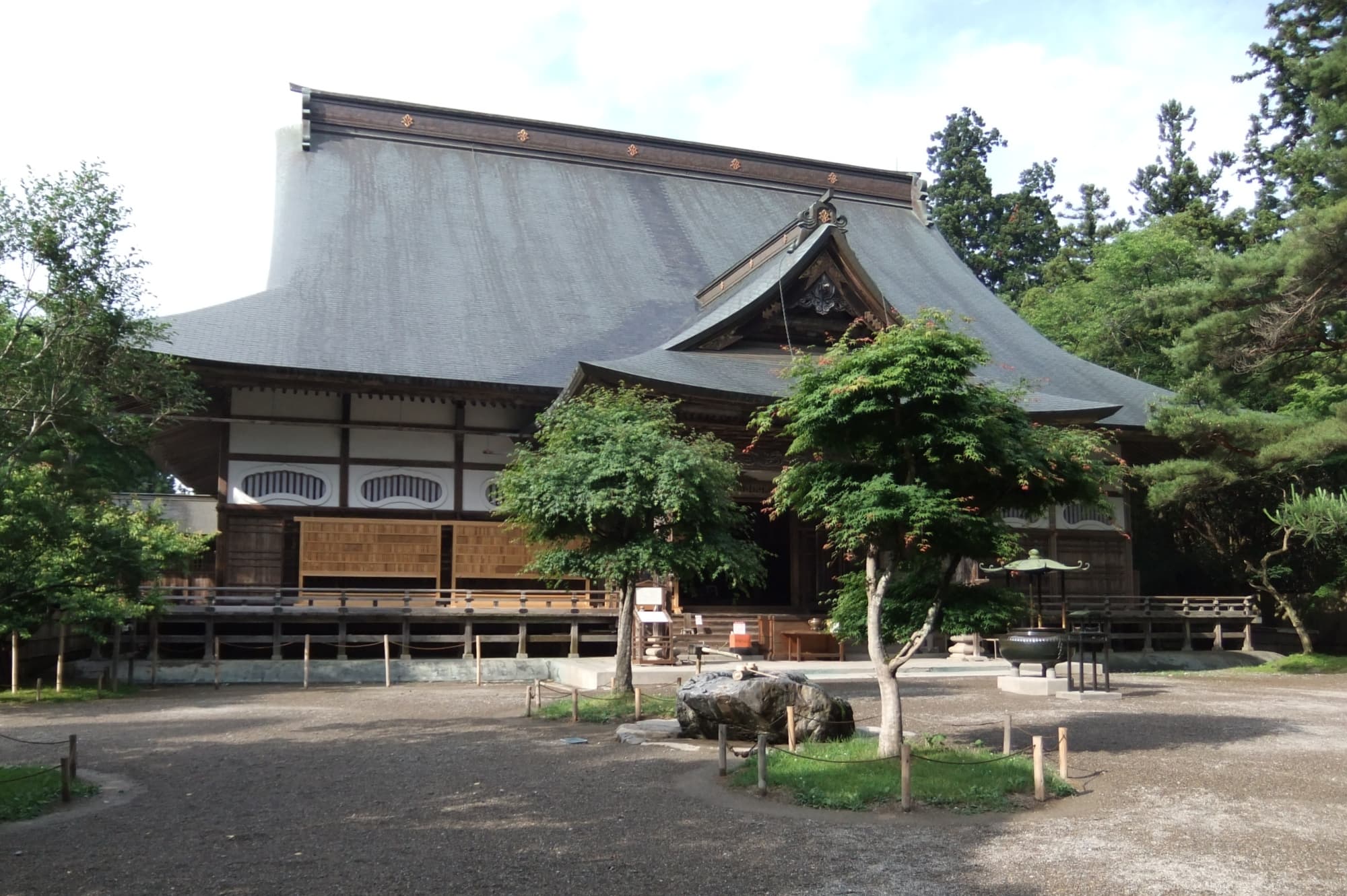
Chuson-ji
中尊寺 · Hiraizumi, Iwate
A World Heritage Tendai temple whose golden hall was raised in 1124 as a vow for the repose of the dead of both sides in a war — and it is a temple, so do not clap.
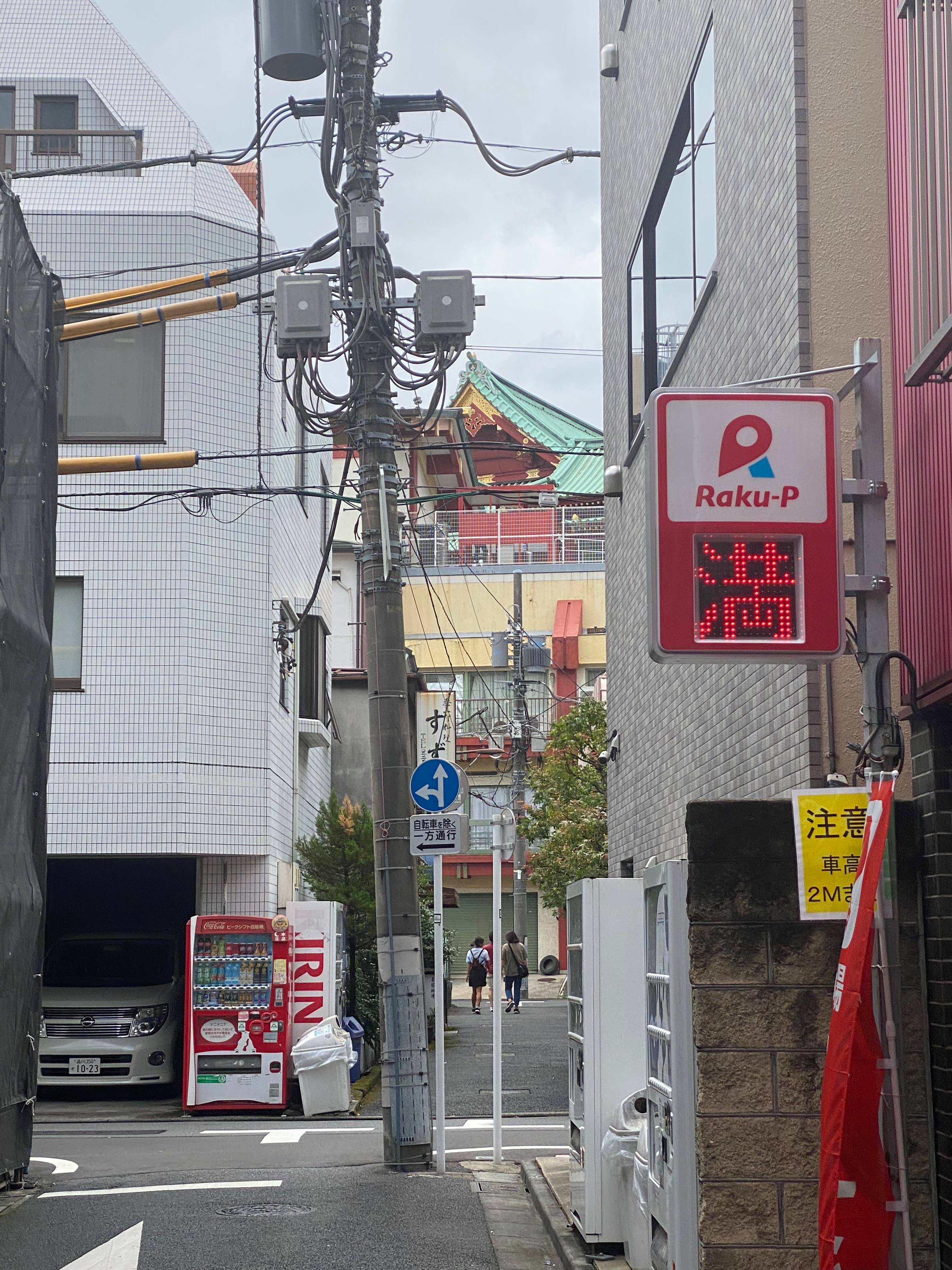
Kanda Myojin
神田明神 · Chiyoda, Tokyo
The tutelary shrine of Edo's merchant districts, next door to Akihabara — and the most relaxed major shrine in Tokyo about how you approach it.
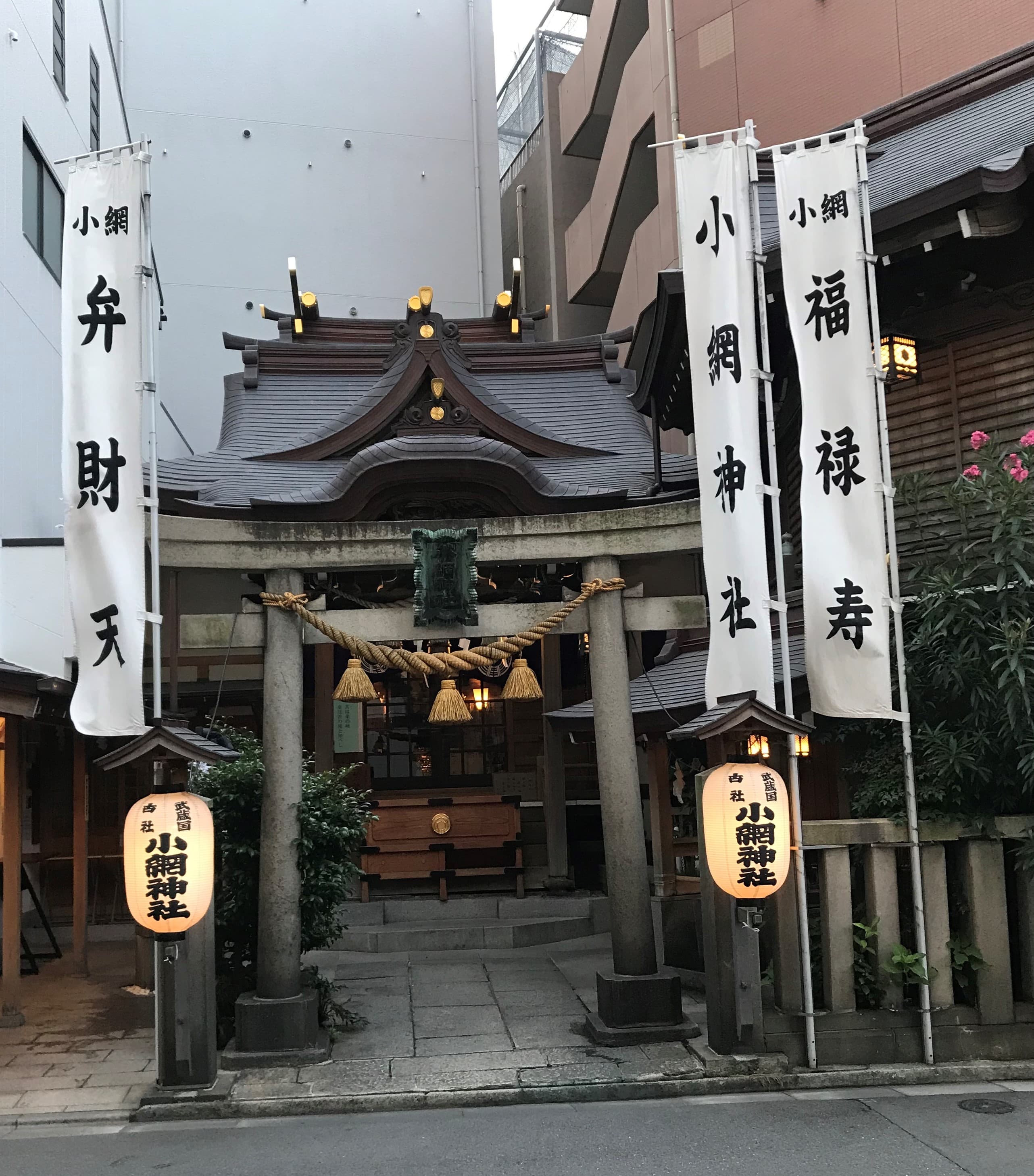
Koami Jinja
小網神社 · Chuo, Tokyo
A tiny Nihonbashi shrine with a reputation for strong luck built on two documented survivals — and a coin-washing well that is the reason most people come.
Kurumazaki Jinja
車折神社 · Ukyo, Kyoto
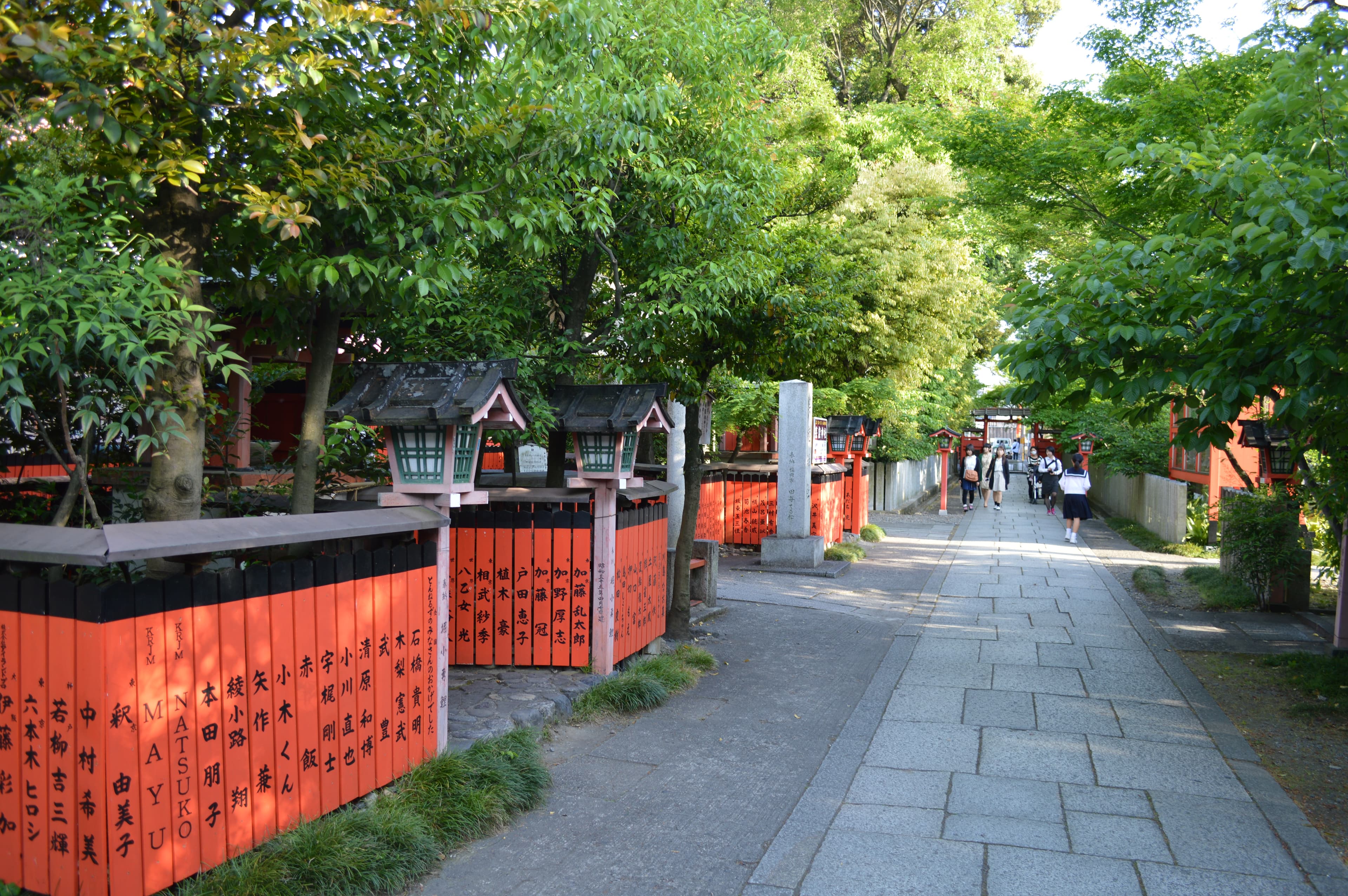
The Arashiyama shrine where promises are kept — and where four thousand vermilion plaques carry the names of Japanese performers, dedicated by the performers themselves.