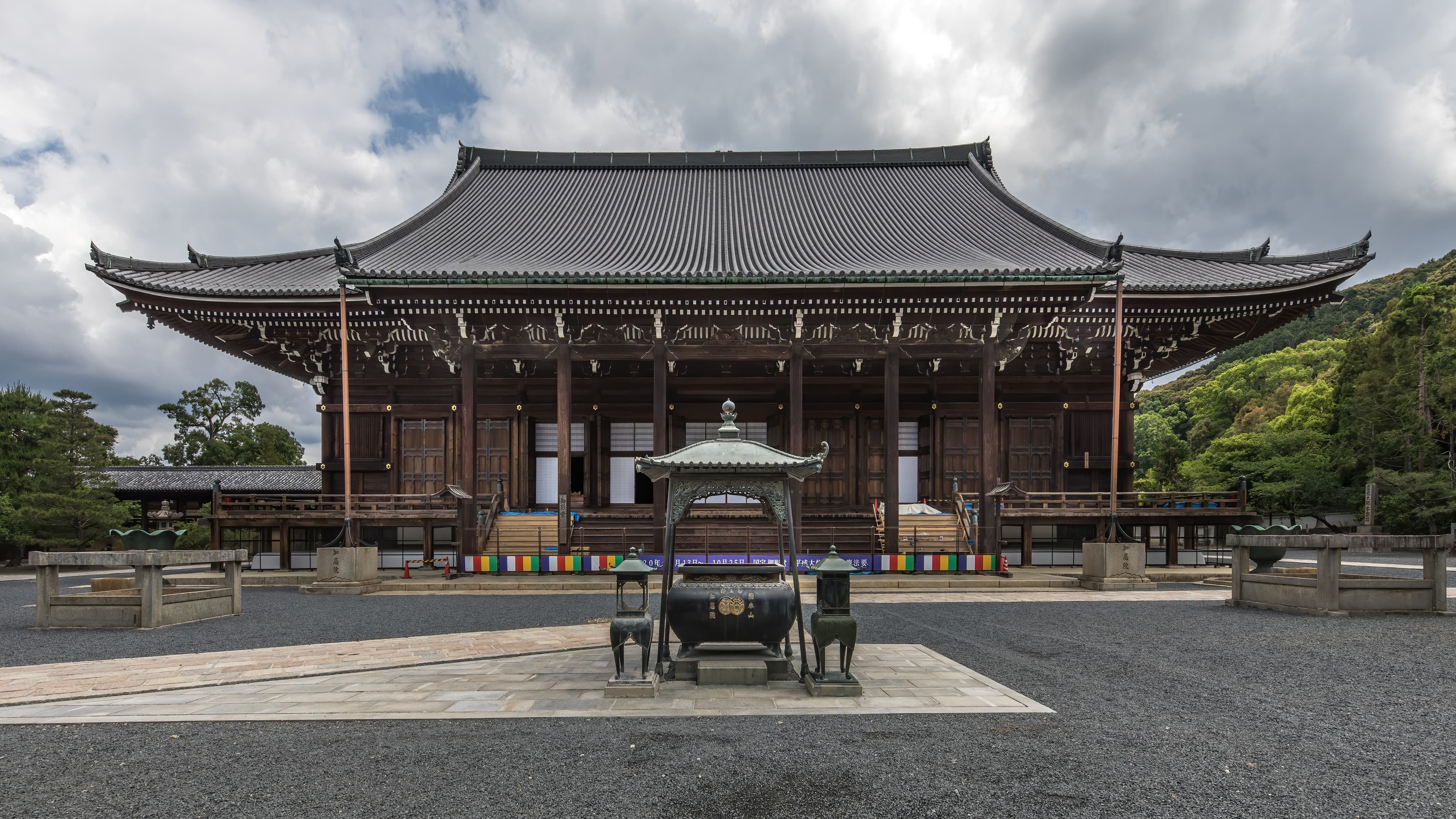
Chion-in Temple
知恩院
Kyoto, Kyoto · Buddhist temple
Kyoto's Jōdo-shū headquarters, where a free visit to Hōnen's hall, a separate garden ticket and an exact Nembutsu practice form one useful route.
Chion-in is the head temple of Jōdo-shū (the Pure Land Sect of Buddhism). The temple traces its origin to 1175, when Hōnen established a hermitage at Yoshimizu and taught the practice of reciting Amida's name. Its current large compound was formed during the Edo period under the protection of the Tokugawa family.
The first distinction to make is between worship and garden admission. The grounds and the Mieidō — the National Treasure hall that enshrines Hōnen's image — are part of the free temple visit. Yūzen'en and the Hōjō Garden are separate paid gardens, reached through their own entrances. The temple's visitor guide also asks people to remove their shoes before entering a hall and not to photograph or record inside.
Chion-in is a working place of Jōdo practice, not only a gate and a view. Visitors may attend the daily morning service in the Mieidō, listen to a scheduled sermon, join the Nembutsu practice described by the temple, and receive a goshuin after worship. The temple's separate prayer service lists health prayers and warding off misfortune among its offerings; those are applications, not a condition of ordinary worship. A small Nuregami Daimyōjin shrine also stands deeper in the grounds; its matchmaking tradition belongs to that separate Shinto shrine, not to the Jōdo-shū main temple.
Who is enshrined here
- Hōnen Shōnin 法然上人
- The founder of the Jōdo-shū tradition. His image is enshrined in the Mieidō, the central hall of respect described by Chion-in's official guide.
- Amida Nyorai 阿弥陀如来
- The principal Buddha of the Pure Land tradition, enshrined in the Amida Hall. Jōdo-shū practice centres on reciting Amida's name.
- Mahāsthāmaprāpta (Seishi Bosatsu) 勢至菩薩
- The bodhisattva of wisdom enshrined at Seishidō, the oldest building at Chion-in. The Seishidō area has current repair-related access limits, so check the temple notice.
Take part
What you can actually do here
Say the Nembutsu the way this temple teaches it
Chion-in's official English worship guide describes the Jōdo-shū jūnen, a ten-recitation form. Chant Namu Amida Bu eight times, catch your breath, then chant Namu Amida Butsu, Namu Amida Bu, lowering your head on the final recitation. The page presents this as the basic Jōdo-shū practice; it is not a universal formula to impose on every Buddhist school.
The same guide explains the physical posture: join both hands in gasshō in front of your chest. For incense, bow with hands joined, place the incense into your left palm, raise it to your forehead, put it in the burner, then join your hands and bow again. If you are unsure, watch the worship space and follow the temple's current instructions.
Attend the morning service or sermon
The daily Jinjō morning service takes place in the Mieidō at 6:30 and lasts about 40 minutes; the temple says anyone may come to worship. During September 2026, the Mieidō's scheduled sermons are at 7:00 and 10:20 each day, though the daytime sermon is cancelled on 3 September and 20–26 September. A Sunday sermon is scheduled in the Hōbutsuden at 14:00 on 13 September 2026.
These are open religious services, not a tour performance. Enter quietly, remove your shoes before entering a hall and do not photograph or record inside.
Etiquette
Where this place differs
Chion-in's official worship guide gives a specific Jōdo-shū practice: join your hands in gasshō, recite the Nembutsu and lower your head on the final recitation of the jūnen. It explicitly says that clapping belongs to a Shinto shrine and is not done at a Buddhist temple.
The temple's visitor guide also says to remove your shoes before entering a hall and to refrain from photography or audio/video recording inside. Smoking and open flames are not allowed on the grounds, pets are not allowed except assistance dogs, and commercial photography needs prior permission.
New to this? Read the full worship sequence first.
Goshuin
Getting the seal here
Chion-in's official Goshuin page places the seal office beside the Amida Hall. Worship at the main hall first, then hand your goshuin notebook to the staff and choose the seal. The temple lists ¥500 per stamp and accepts both direct writing and a written paper seal. It does not publish a separate goshuin reception timetable, so the practical row below keeps that item distinct from the garden and gate hours.
The temple does not accept goshuin orders by post. The official page also explains the available seals for Hōnen Shōnin, the Goeika hymn and Seishi Bosatsu; the offering is a record of worship, not a promise of an outcome.
Before you go
The Japanese and English official guides currently show different general clocks. The Japanese visitor guide and the temple homepage list gates at 6:00–16:00 and reception from 9:00; the official English guide currently displays temple visiting at 9:00–15:50 with the gates closing at 16:30. Use the current Japanese guide for the gate and garden values above, and check the temple on the day of travel.
The Seishidō repair affects access to the mausoleum area: the Japanese guide says the Gobyō is open 9:00–16:00 during the repair period. The temple also asks visitors not to photograph or record inside halls, prohibits smoking and open flames, and prohibits pets except assistance dogs.
For September 2026, check the sermon notice before travelling: the daytime sermon is cancelled on 3 September and 20–26 September, while the Sunday sermon is listed for 13 September at the Hōbutsuden. The small Nuregami Daimyōjin is a separate shrine within the grounds, and its matchmaking association should not be presented as the principal teaching of Chion-in.
Map
Sources
This page draws on the following sources, most of them in Japanese.
- 浄土宗総本山 知恩院 — 公式サイト
- CHION-IN — official English site
- 知恩院 — 参拝のご案内(拝観情報)
- CHION-IN — Guide for Visitors
- 知恩院 — 御朱印
- CHION-IN — Goshuin
- 知恩院 — 交通アクセス
- CHION-IN — Access
- 知恩院 — 知恩院にお参りしよう
- CHION-IN — How to worship
- 知恩院 — 法要のご案内
- 知恩院 — 法話のご案内
- 知恩院 — 2026年9月晨朝・日中法話
- 知恩院 — 御影堂
- 知恩院 — ご回向・ご祈願
- 知恩院 — 友禅苑
- 知恩院 — 方丈庭園
- 知恩院 — 濡髪大明神
- 京都市公式 京都観光Navi — 浄土宗総本山知恩院
- Chion-in Temple — Kyoto Travel official guide
- Chion-in Temple — Wikidata(座標・別名照合)
- 知恩院 — 公式Instagram
Others people visit for the same reasons
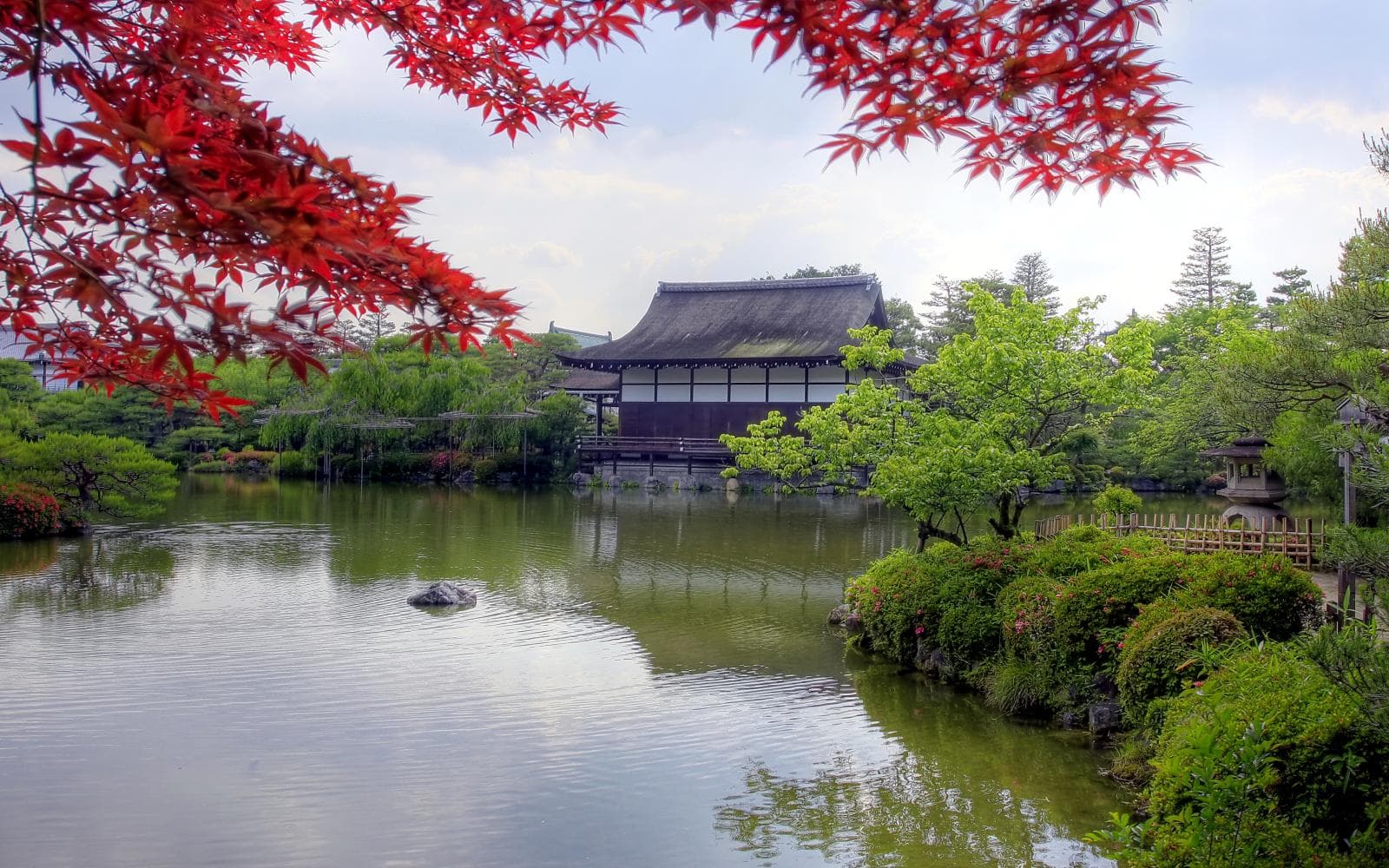
Heian Jingu Shrine
平安神宮 · Kyoto, Kyoto
A 5:8-scale reconstruction of Kyoto's ancient State Hall, where the shrine courtyard is free and the four landscape gardens are a separate visit.
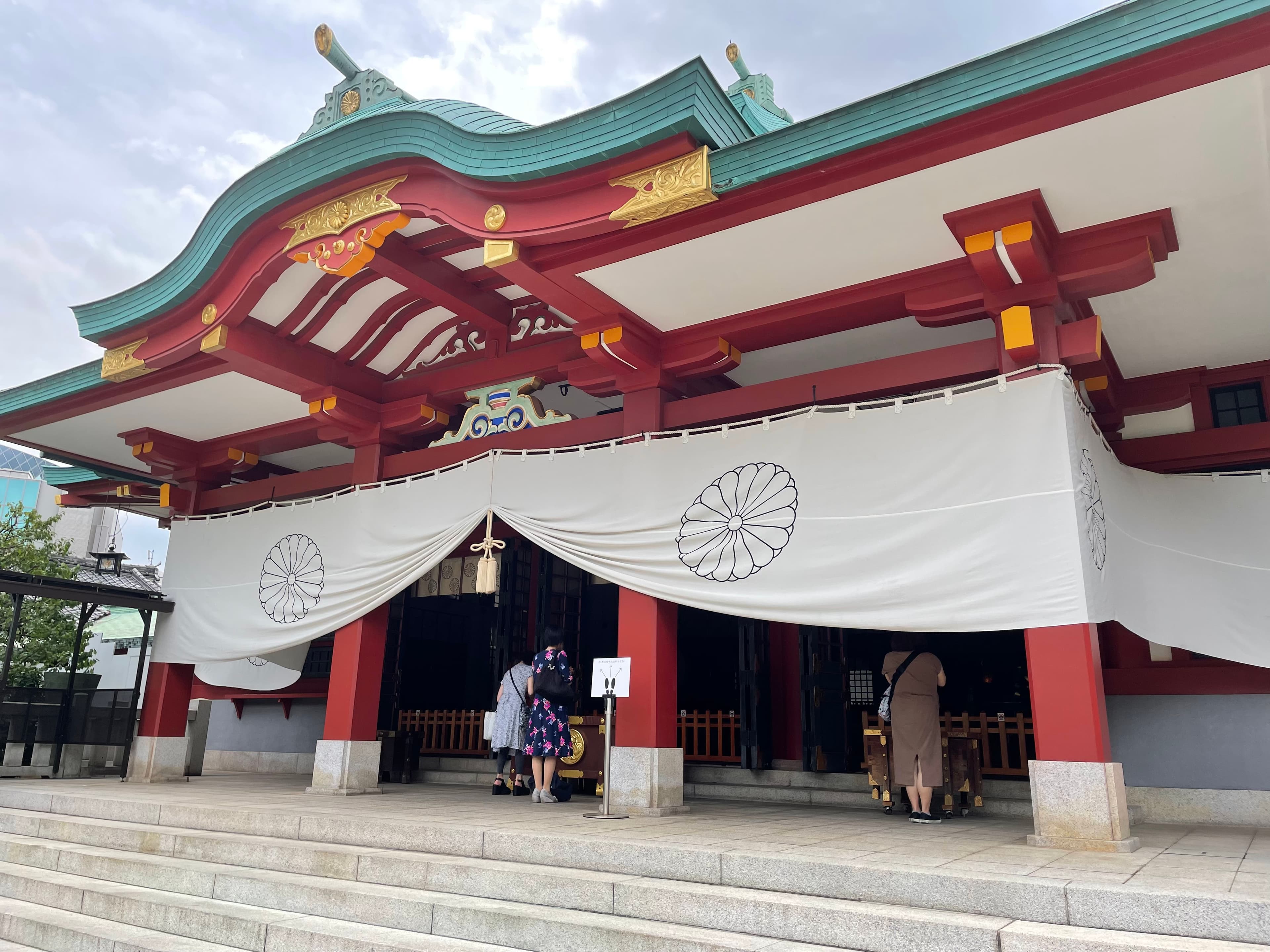
Hie Shrine
日枝神社 · Tokyo, Tokyo
A hilltop shrine in Nagatacho where the stairs, the escalator and the paired sacred monkeys are all part of the visit.
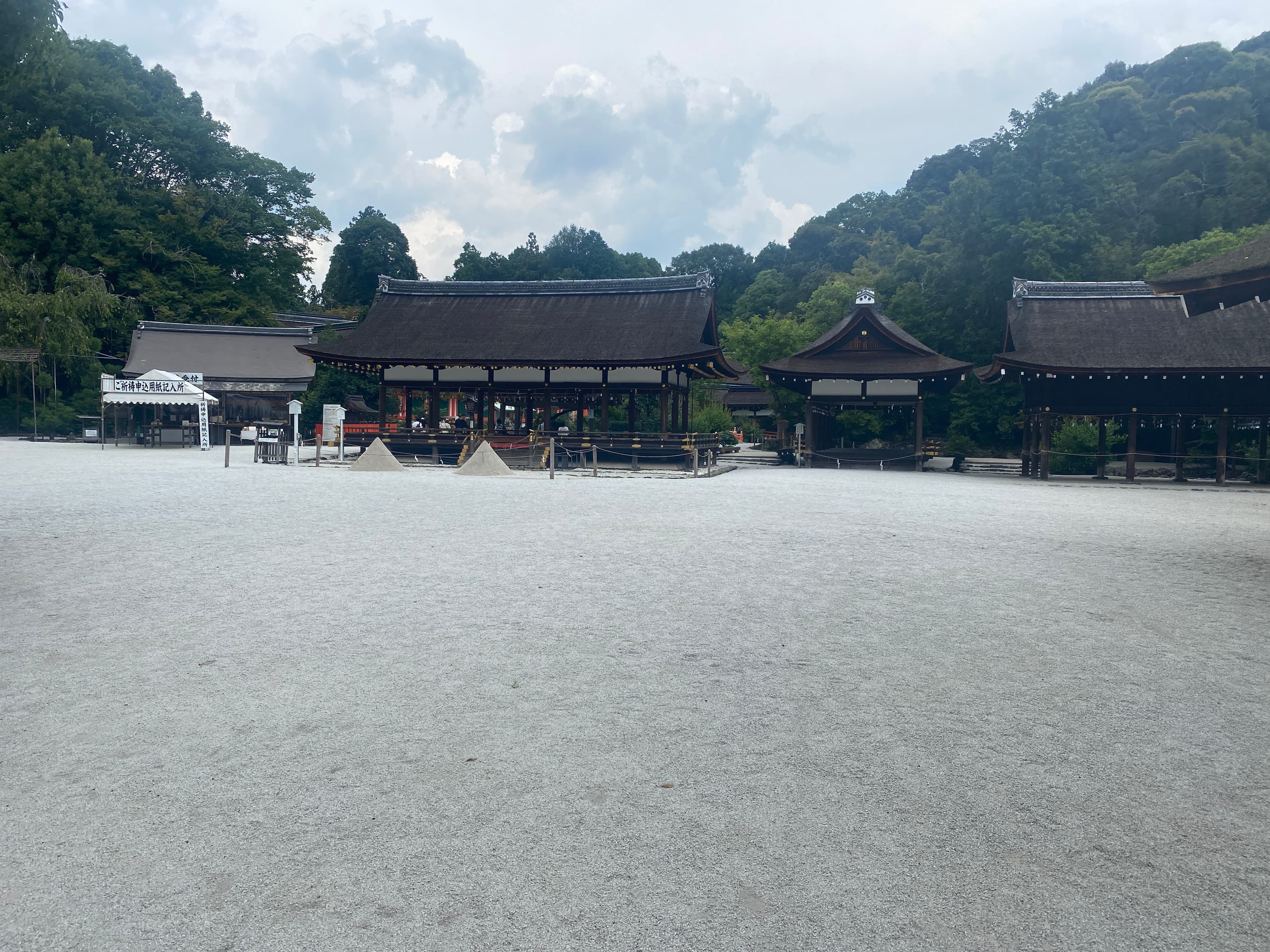
Kamigamo Shrine
賀茂別雷神社(上賀茂神社) · Kyoto, Kyoto
Kyoto's upper Kamo shrine, where two sand cones mark the mountain's presence and a paid inner-court visit changes what you can actually see.
Kitano Tenmangu
北野天満宮 · Kyoto, Kyoto
Kyoto's Tenjin shrine, where an academic prayer, a touchable ox and a large monthly market all occupy the same grounds.