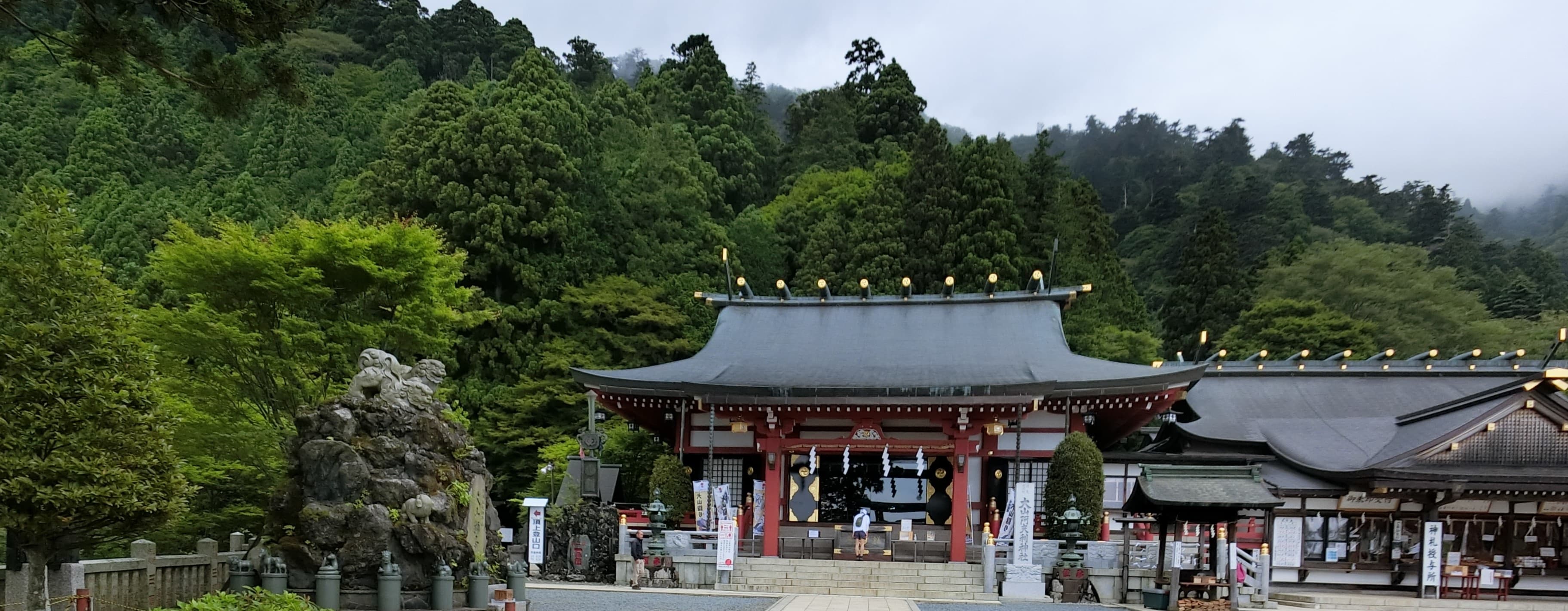
Oyama Afuri Jinja
大山阿夫利神社
Isehara, Kanagawa · Shinto shrine
A mountain shrine ninety minutes from Tokyo where the lower hall is a cable-car ride and the upper hall is a two-hour climb — and the difference matters.
Oyama Afuri Jinja is not one place but two. The lower shrine sits at 700 metres and is reached by cable car; the main shrine is at the summit, and getting there is a climb the shrine itself puts at ninety minutes to two hours each way. Visitors routinely conflate them, arrive in the afternoon, and discover the difference too late.
The mountain has been an object of worship for a very long time, and in the Edo period it was one of the great popular pilgrimage destinations — parties from Edo would come as organised confraternities. Its deities are of mountains, of rain, and of thunder, and two of them carry local by-names drawn from the tengu: the water kami is the lesser tengu, the thunder kami the great tengu. Rain-making and rain-stopping are both in its portfolio, which tells you what mattered to the farming communities below.
Sake brewers still come. So do people asking about fire and theft.
Which kami is enshrined here
- Oyamatsumi-no-Okami 大山祇大神
- The kami of mountains. The shrine describes him as the father of Konohanasakuya-hime, the deity of Mount Fuji.
- Takaokami-no-Kami 高龗神
- A water kami invoked for both making and stopping rain; known at Oyama as the Kotengu, the lesser tengu.
- Oikazuchi-no-Kami 大雷神
- A thunder kami invoked against fire and theft; known at Oyama as the Daitengu, the great tengu.
Take part
What you can actually do here
The underground pilgrimage passage at the lower shrine, entered from the same point as the sacred spring water. It is on the shrine's own guide page; any fee is not documented.
Tohai — the pilgrimage ascent. The shrine is careful about its language here: going from the lower shrine to the summit is tohai, a pilgrimage climb, not a hike. It states ninety minutes to two hours and asks visitors to prepare properly and manage their condition. Take that at face value.
A Notachi-mamori amulet among the shrine's items refers to the Edo-period custom of dedicating a wooden sword at the mountain; the practice itself is no longer described.
Etiquette
Where this place differs
Standard sequence, at both the lower and the summit halls.
New to this? Read the full worship sequence first.
Goshuin
Getting the seal here
Offered at three places: the lower shrine, the summit main shrine, and the administrative office at the foot of the mountain. Seasonal designs depicting the mountain are also issued. If no priest is at the summit, apply at the lower shrine instead — this is the shrine's own instruction, and it is the practical one to remember before you climb.
Hours and price are not officially published. Collectors report ¥500 and four varieties; the shrine's telephone line runs 9:00–17:00.
Before you go
The last cable car is the thing that goes wrong here. It stops at 16:30 on weekdays and 17:00 at weekends. Miss it and you are walking down a mountain trail in the dark.
Even with the cable car this is not a step-free visit — there is a fifteen-minute uphill approach street before you even board, then stairs to the lower shrine.
The summit is a real climb. Ninety minutes to two hours each way, by the shrine's own figure. People attempt it in trainers after a late-afternoon arrival, which is how mountain rescues happen. Proper footwear and water, or don't go up.
The cable car suspends service in heavy rain, high wind or lightning, and for periodic inspection. Check its operating status before you set out.
Map
Sources
This entry was compiled from the following, most of them in Japanese.
Others people visit for the same reasons
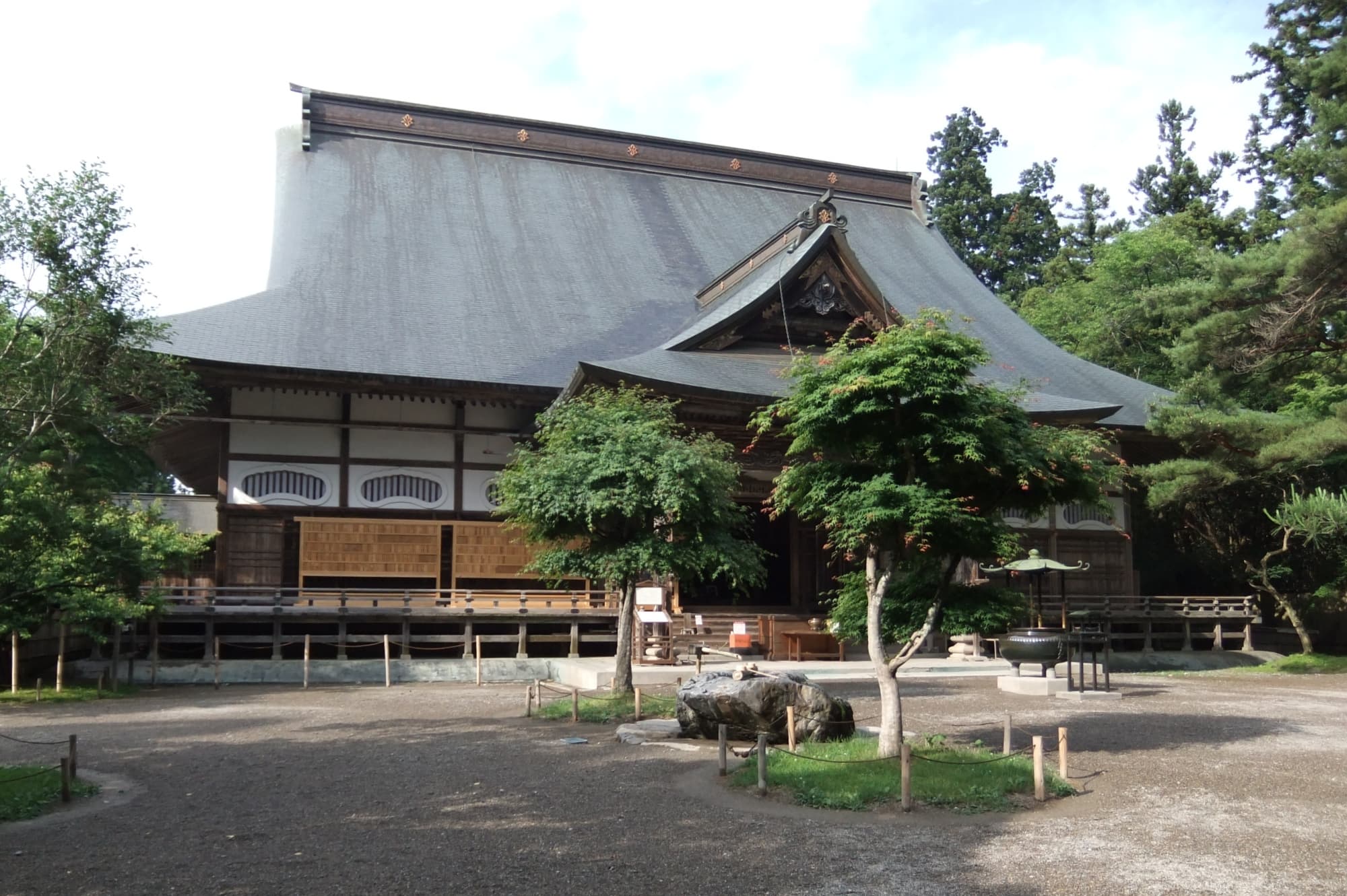
Chuson-ji
中尊寺 · Hiraizumi, Iwate
A World Heritage Tendai temple whose golden hall was raised in 1124 as a vow for the repose of the dead of both sides in a war — and it is a temple, so do not clap.
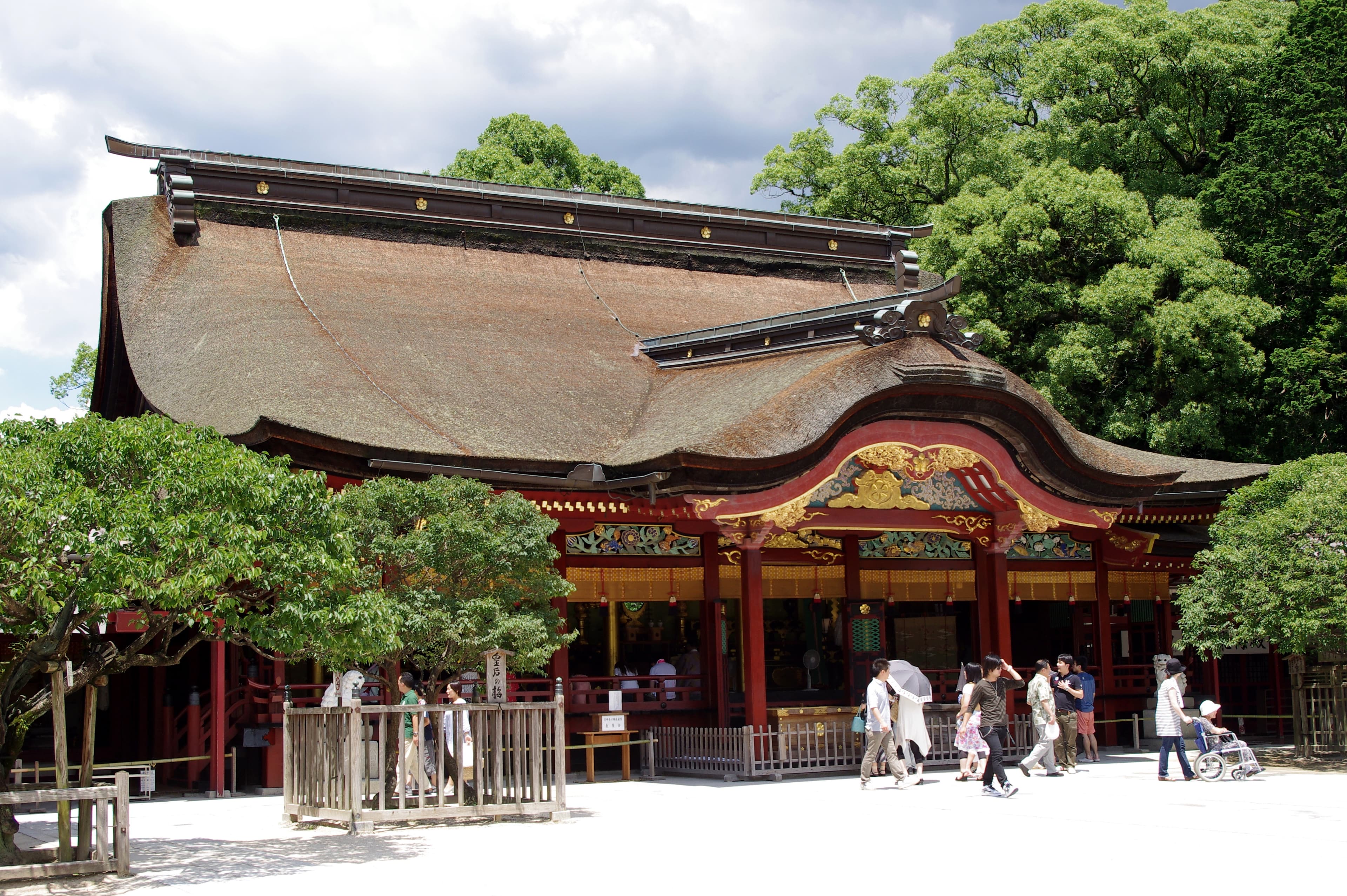
Dazaifu Tenmangu
partial太宰府天満宮 · Dazaifu, Fukuoka
The head shrine of every Tenmangu in Japan, built over the grave of an exiled scholar — and currently mid-way through the end of a 124-year restoration.
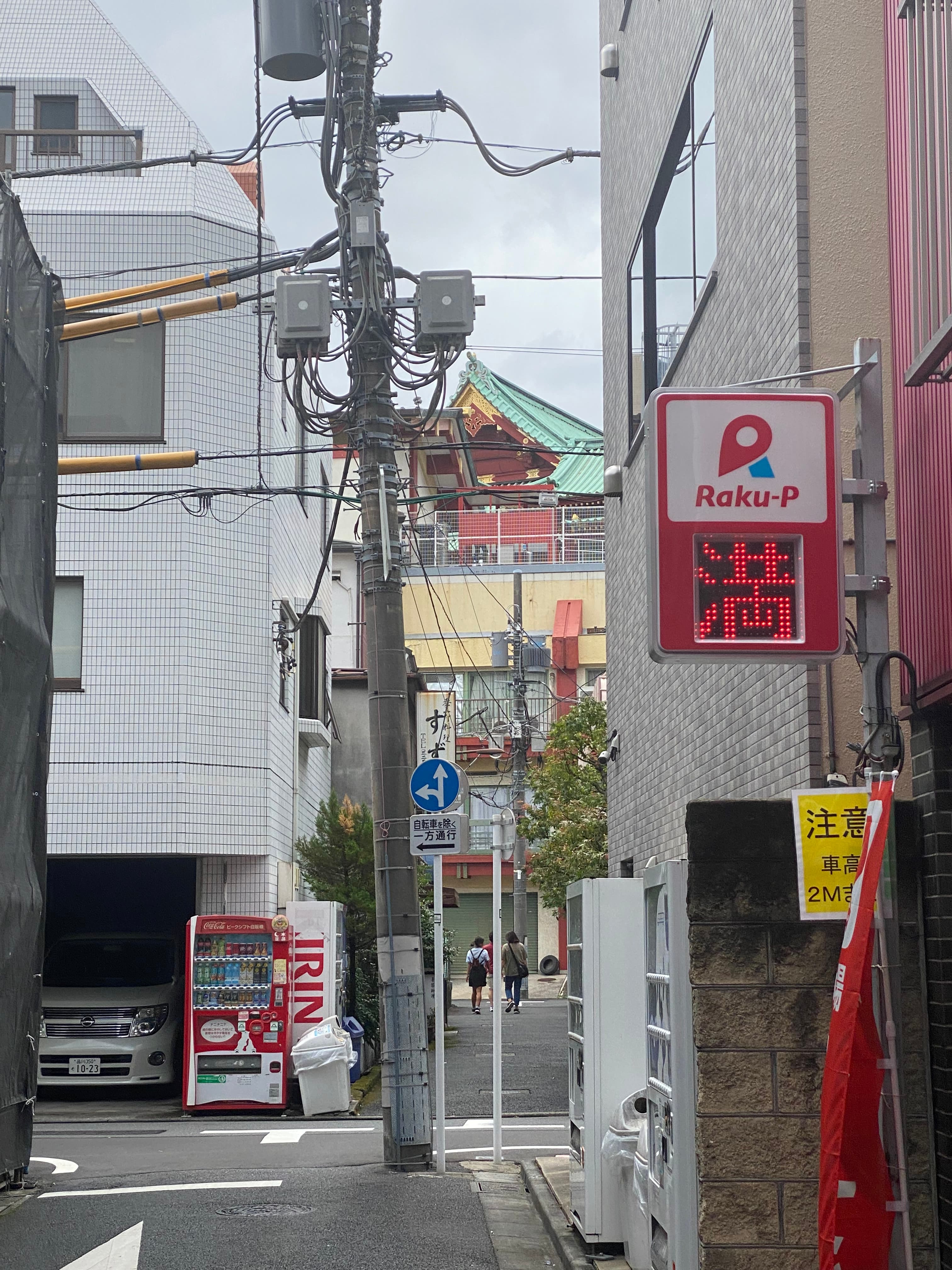
Kanda Myojin
神田明神 · Chiyoda, Tokyo
The tutelary shrine of Edo's merchant districts, next door to Akihabara — and the most relaxed major shrine in Tokyo about how you approach it.
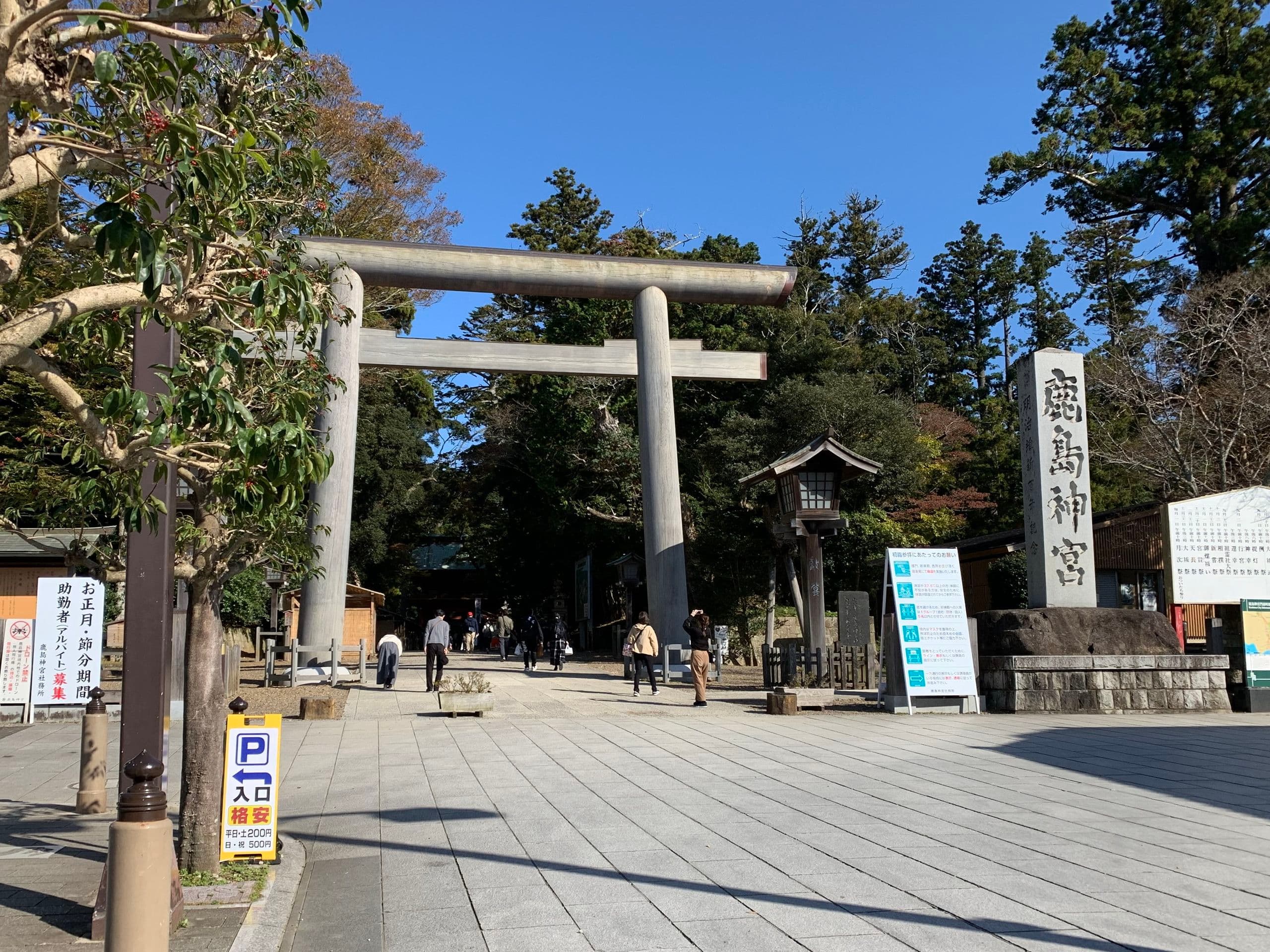
Kashima Jingu
partial鹿島神宮 · Kashima, Ibaraki
A vast forest shrine to the sword-and-thunder kami, where a stone said to pin down the earthquake catfish sits at the end of a 700-metre cedar path.