Fushimi Inari Taisha
伏見稲荷大社
Fushimi, Kyoto · Shinto shrine
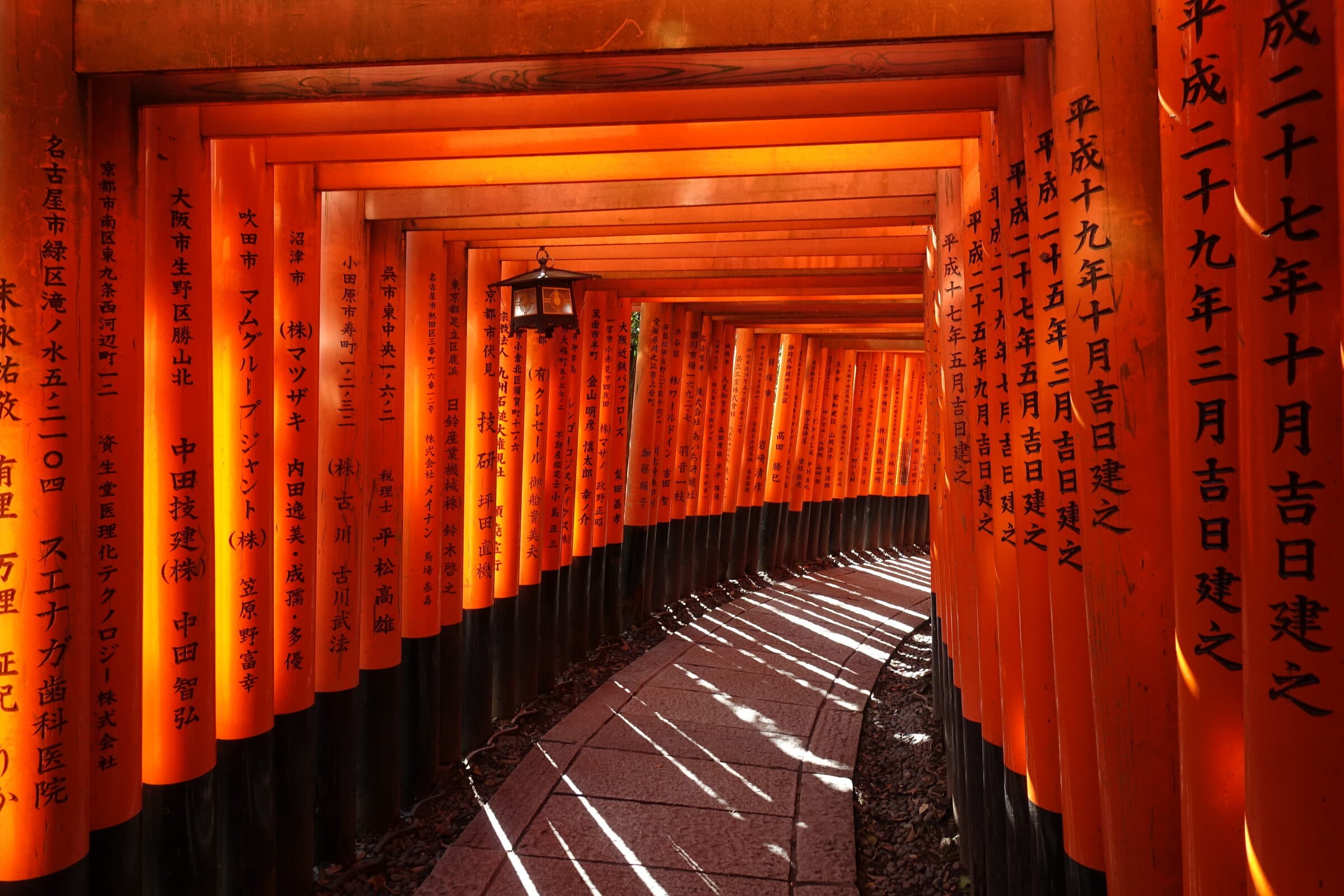
Ten thousand vermilion gates, and every one of them is a receipt — somebody paid for it because something they asked for came true.
Most people photograph the tunnel of gates and leave. It is worth knowing what you are walking through.
Each torii is a thank-you. The shrine's own FAQ explains the custom: a torii is offered in gratitude when a wish has passed through — the same verb, toru, as passing through a gate. Individuals and businesses have been doing this since the Edo period, and there are now around ten thousand of them up the mountain. The names and dates lacquered on the back of every upright are the donors. You are not walking through decoration; you are walking through a very long list of people's answered petitions.
And the foxes are not the god. This is the correction the shrine itself puts on its FAQ, in as many words: Inari Okami is not a fox. The foxes are the deity's messengers, and properly they are invisible white foxes. The five names on the shrine's registry are described as names given to the great virtues of a single Inari Okami rather than five separate gods.
What the foxes hold in their mouths — a key, a jewel, a rice ear, a scroll — has a tidy symbolic explanation circulating everywhere. The shrine does not publish it. We looked across its Japanese and English pages and found nothing. It is folk interpretation, and we would rather tell you that than repeat it as doctrine.
Which kami is enshrined here
- Ukanomitama-no-Okami 宇迦之御魂大神
- The central seat of the Lower Shrine. Inari Okami is the deity of rice and food, and by extension of clothing and shelter — the material basis of living.
- Satahiko-no-Okami 佐田彦大神
- The Middle Shrine. The shrine identifies this as another name for Sarutahiko, patron of safe travel.
- Omiyanome-no-Okami 大宮能売大神
- The Upper Shrine.
- Tanaka-no-Okami 田中大神
- Enshrined at the auxiliary Tanaka Shrine, the northernmost seat.
- Shi-no-Okami 四大神
- Enshrined at the auxiliary Shi-no-Okami Shrine, the southernmost seat.
Take part
What you can actually do here
Walking the mountain is the practice
Inariyama is 233 metres, the southernmost of the Higashiyama peaks, and the shrine describes going up it as o-yama suru — a pilgrimage, not a stroll. The path runs past more than ten thousand otsuka, small worship stones inscribed with names, and the former shrine sites scattered across the slope.
The shrine publishes no walking time. We searched for one. Any figure you have read — thirty minutes, an hour — did not come from here. Japanese travel media generally say around two hours for the full loop, or about an hour if you turn back at the Yotsutsuji viewpoint, and that is the honest state of the information. Treat it as a hill walk on stone steps and dress accordingly.
Omokaru-ishi — the lifting stone
At the back right of the Okusha worship hall, at the far end of the main gate tunnel, stand a pair of stone lanterns. Make your wish in front of one, then lift the finial on top. Lighter than you expected means your wish will be granted; heavier means it will not. Free, no queue system, and the most direct piece of participation on the whole site.
Dedicating a torii
If you ever wondered whether an ordinary person can do it: yes, and the shrine publishes the prices. They begin at ¥300,000 for a size 5 and rise from about ¥1,890,000 for a size 10 — these are the commemorative-torii figures published for the shrine's 1300th anniversary, and the larger sizes are quoted as "from". It is by application, not walk-up — the shrine office takes enquiries on 075-641-7331 between 9:00 and 16:00, and the teahouses at the sacred sites up the mountain also handle them. The waiting time is not published.
We mention it not because you are going to do it, but because knowing the number changes how the tunnel looks.
Etiquette
Where this place differs
Standard shrine sequence at the main hall before you start up the mountain.
The shrine's published conduct rules are unusually specific, and two of them catch visitors constantly: eating and drinking are not allowed anywhere except the designated rest areas — no eating while walking, which matters because the approach is lined with food stalls — and photography that blocks a narrow path is listed as a prohibited act in its own right. The gate tunnel is narrow and there are ten thousand people behind you.
New to this? Read the full worship sequence first.
Goshuin
Getting the seal here
The shrine publishes nothing about goshuin. We searched its Japanese and English pages thoroughly — no page, no mention.
Collectors report three, at the counter beside the main hall, at the Okusha worship hall, and at Gozendani, with the first two around 8:30–16:00. None of that is confirmed by the shrine, and neither price nor writing method is published anywhere.
Before you go
This is a mountain, and it is the single thing people underestimate. The gate tunnel everyone photographs is the first few minutes. Above it the path keeps climbing for well over an hour on uneven stone steps, and there is no shortcut down from the upper reaches. Decide at the Yotsutsuji viewpoint whether you are continuing, and wear shoes that agree with your decision.
The mountain is open at night and it is genuinely dark off the lit path. Japanese sources note wild boar on the slopes and warning signs posted. That is not an official notice from the shrine, which publishes nothing about night safety — but going up alone after dark is a real decision, not a whimsical one.
Other published prohibitions: no smoking or open flame, no drones, no pets except assistance dogs, no entering roped-off areas, no walking the grounds in a wedding dress or clothing unsuitable for worship, and no commercial photography or filming without permission. The shrine states staff will ask offenders to leave.
One small live item: the second car park closes for a day on 19 August 2026 for resurfacing. Worship is unaffected.
Map
Sources
This entry was compiled from the following, most of them in Japanese.
Others people visit for the same reasons
Kanda Myojin
神田明神 · Chiyoda, Tokyo
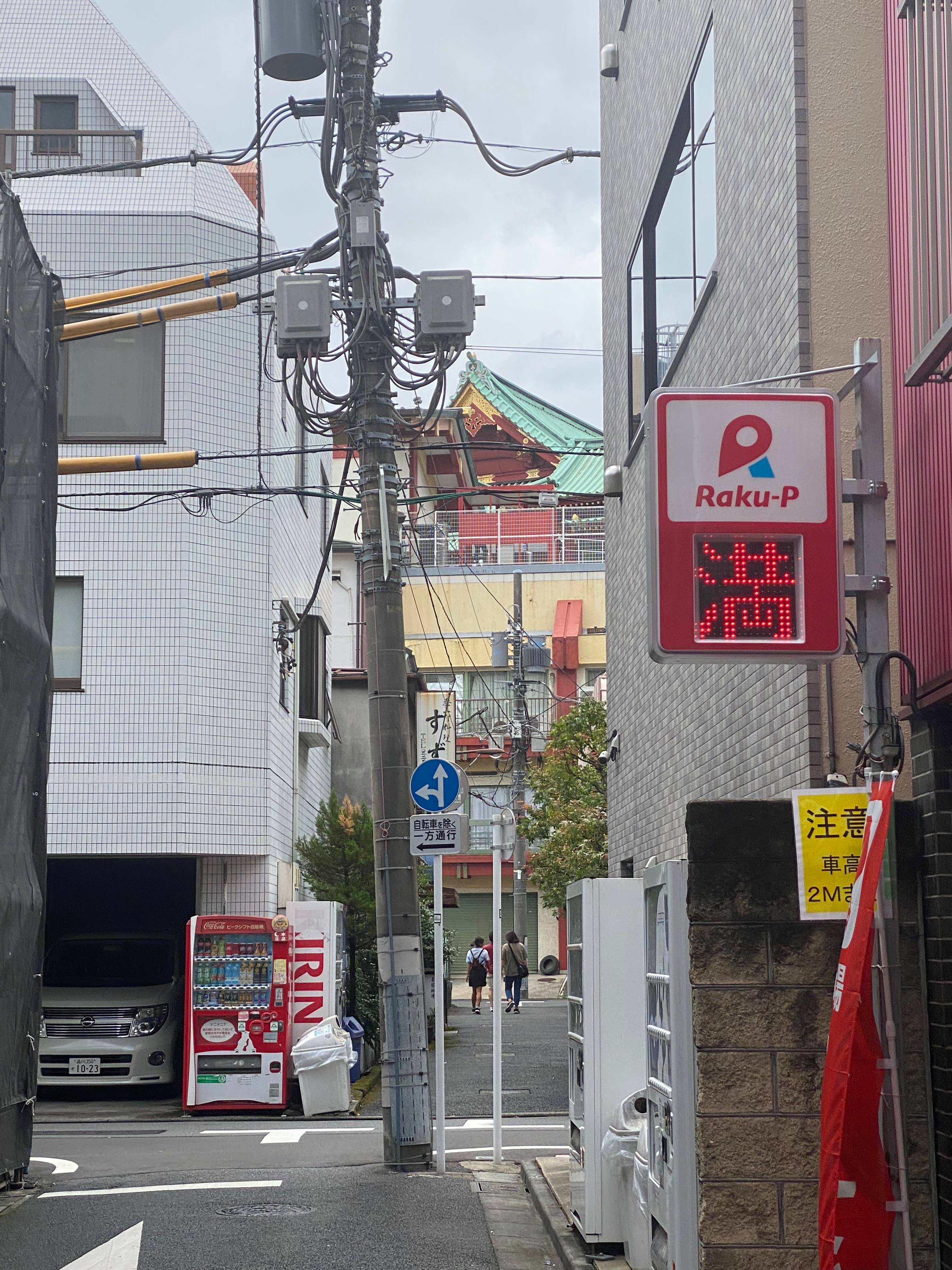
The tutelary shrine of Edo's merchant districts, next door to Akihabara — and the most relaxed major shrine in Tokyo about how you approach it.
Koami Jinja
小網神社 · Chuo, Tokyo
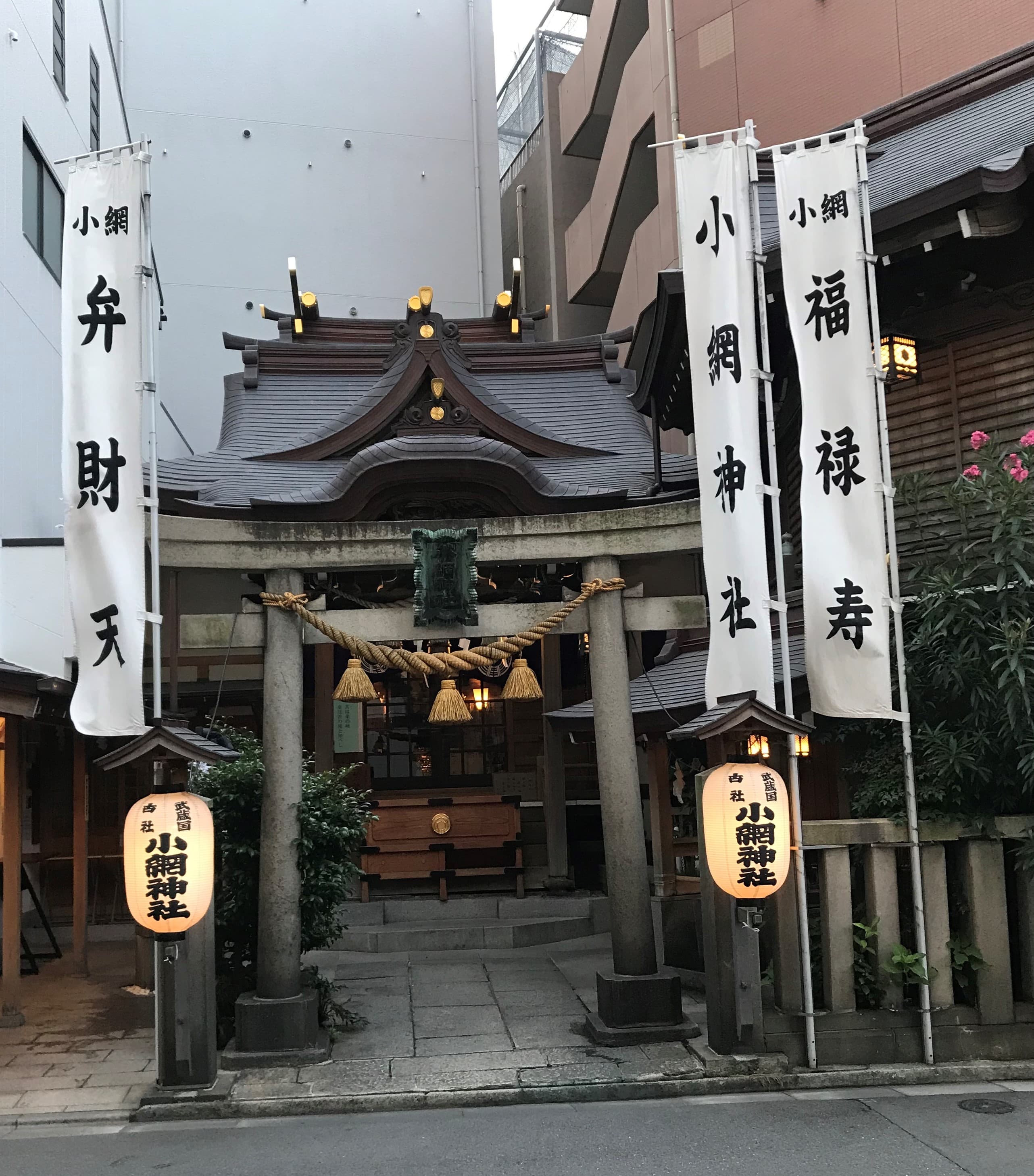
A tiny Nihonbashi shrine with a reputation for strong luck built on two documented survivals — and a coin-washing well that is the reason most people come.
Kurumazaki Jinja
車折神社 · Ukyo, Kyoto
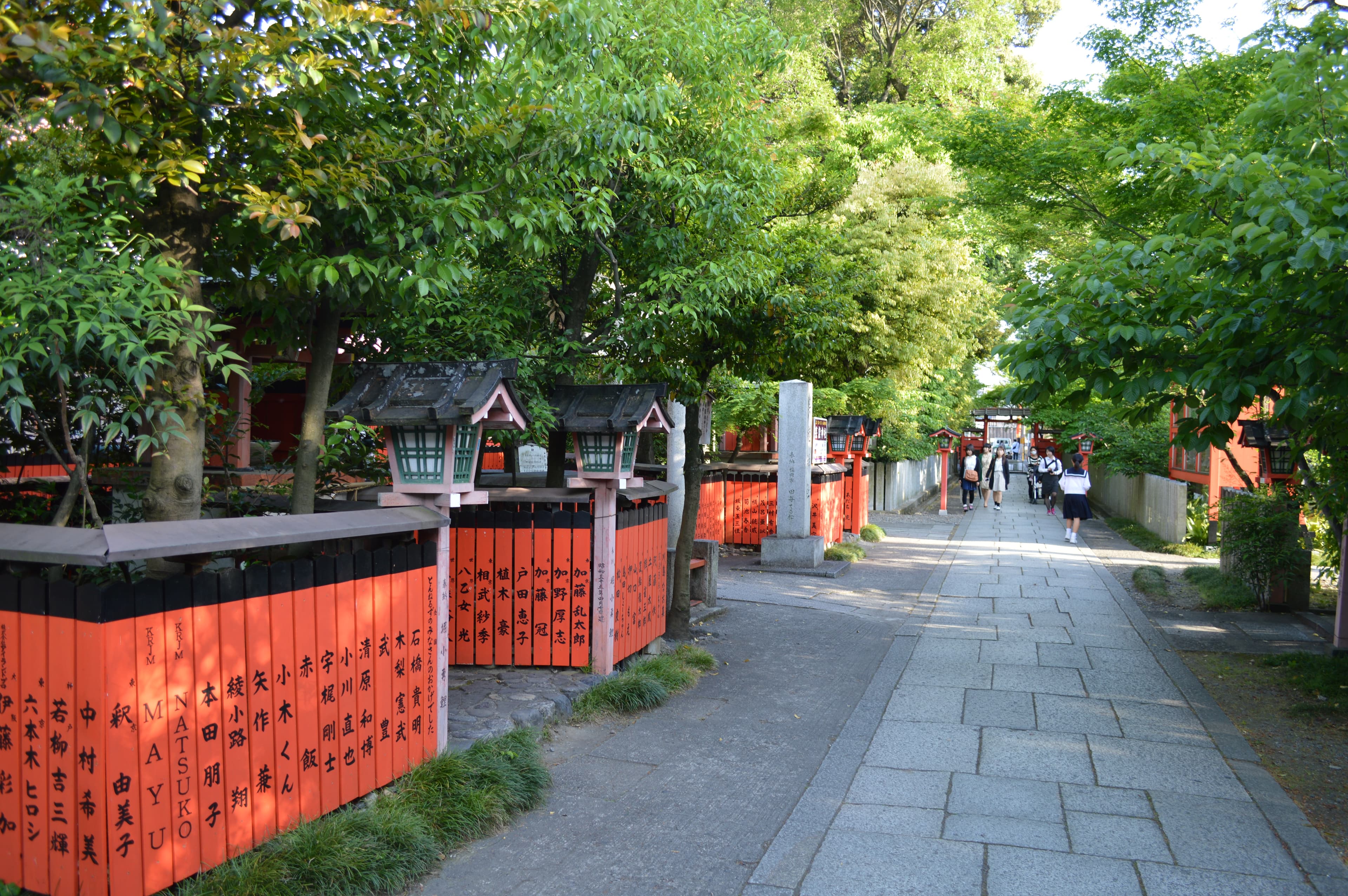
The Arashiyama shrine where promises are kept — and where four thousand vermilion plaques carry the names of Japanese performers, dedicated by the performers themselves.
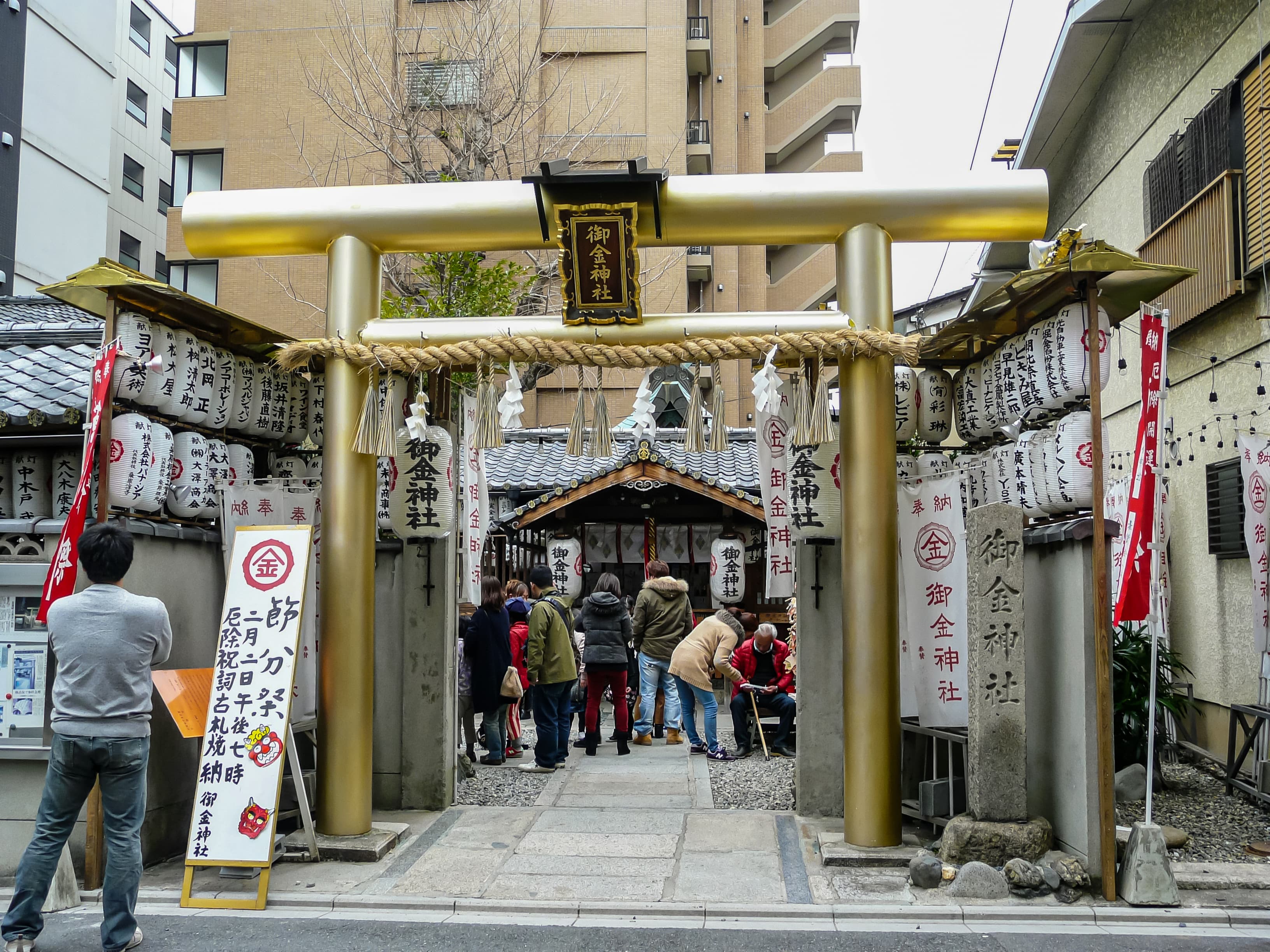
Mikane Jinja
御金神社 · Nakagyo, Kyoto
A tiny shrine to the deity of metals with a gold-leafed torii, wedged into a Kyoto residential street — and it publicly disowns the coin-washing ritual the internet teaches you to do there.