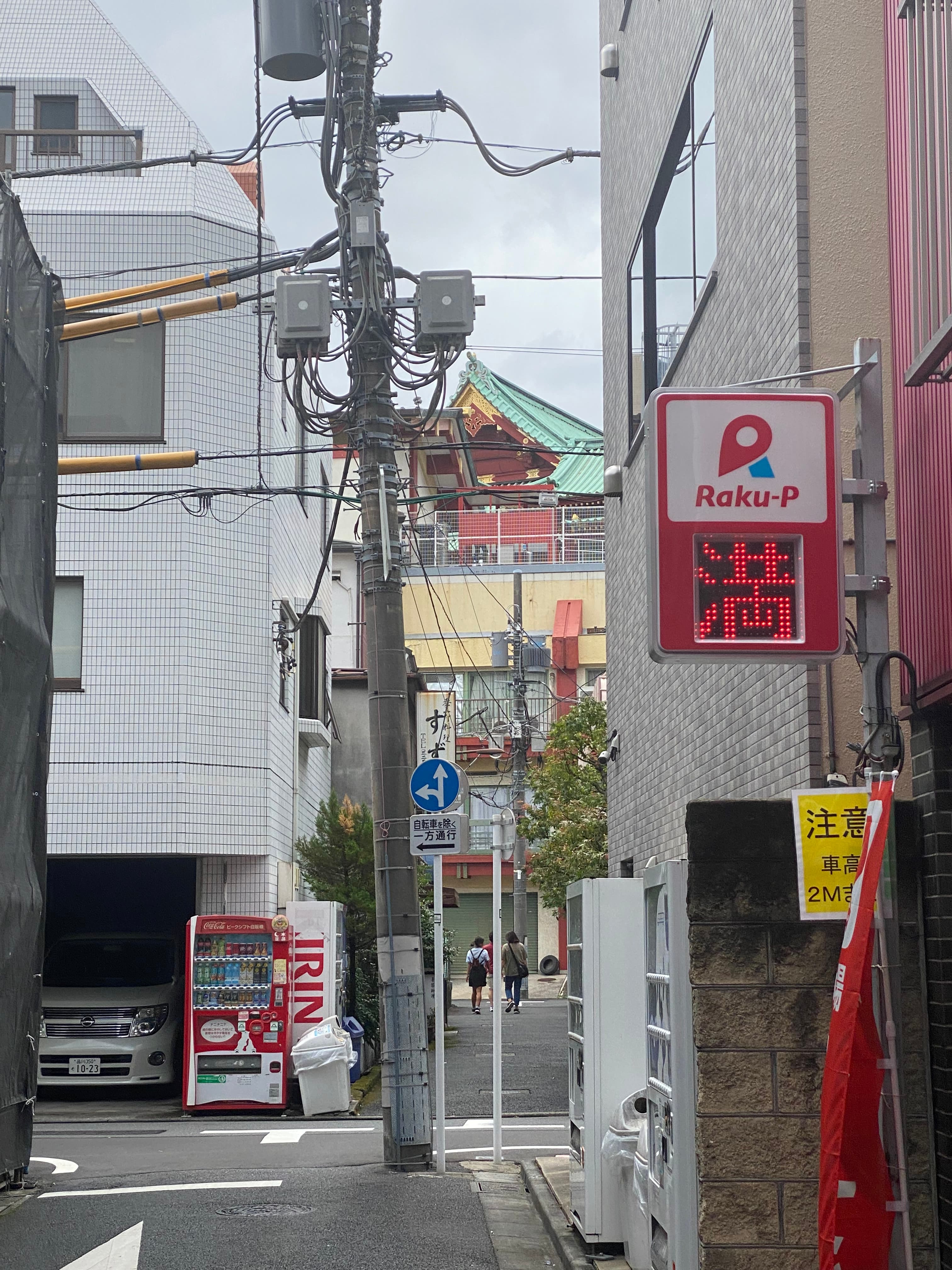
Kanda Myojin
神田明神
Chiyoda, Tokyo · Shinto shrine
The tutelary shrine of Edo's merchant districts, next door to Akihabara — and the most relaxed major shrine in Tokyo about how you approach it.
Kanda Myojin — formally Kanda Jinja — is the guardian shrine of 108 neighbourhood associations covering Kanda, Nihonbashi and the Otemachi–Marunouchi business district, and of the Toyosu fish market. That constituency explains the shrine: business prosperity is what people come to ask for, companies book group prayers, and the amulet range includes protection for IT equipment, which is less a novelty than a straightforward extension of the same logic into the neighbouring electronics district.
The third deity is the interesting one. Taira no Masakado led a rebellion against the imperial court and was killed in 940; he was demoted from the main hall during the Meiji period and only restored in 1984. He is venerated here as a deity who averts calamity, and the devotion to him among Kanda parishioners is real and current.
One expectation to set: the main hall is not an antique. It is a 1934 steel-reinforced concrete structure finished in vermilion lacquer, and that is exactly why it survived the 1945 air raids.
Which kami is enshrined here
- Onamuchi-no-Mikoto 大己貴命
- Also known as Okuninushi, or Daikoku-sama. The shrine associates him with the development of the land, marital harmony and matchmaking. Enshrined in 730.
- Sukunahikona-no-Mikoto 少彦名命
- Also known as Ebisu-sama. Associated with business prosperity, medicine and health, and the inviting of good fortune. Brought here in 1874.
- Taira no Masakado-no-Mikoto 平将門命
- A tenth-century warrior who rebelled against the court, venerated here as a deity who averts calamity and misfortune. Returned to the main hall in 1984.
Take part
What you can actually do here
No ritual is specific to this shrine, and the shrine's own FAQ is refreshingly permissive about it — which is genuinely useful if you are nervous.
- There is no fixed entrance or exit. The shrine states plainly that it is fine to approach from any direction.
- Visiting the subsidiary shrines is optional. It recommends doing so only where you feel some connection, rather than working through them as a checklist.
- Carrying amulets from other shrines together is fine. The FAQ says there is no limit on how many you may hold, though it does not recommend carrying an extreme quantity.
Things on the grounds you can actually engage with: the stone Daikoku statue — at 6.6 metres and around 30 tonnes, the largest in Japan — the Ebisu statue, the lion rockery, and Edo-period chikara-ishi, strength-testing stones that labourers used to lift.
Etiquette
Where this place differs
Standard sequence. The shrine asks one specific thing about ema: do not write personal identifying information, and do not write abuse about other people. They hang in public and are read.
New to this? Read the full worship sequence first.
Goshuin
Getting the seal here
Offered, from the ground floor of the EDOCCO cultural hall, to the left of the main hall once you are through the Zuishinmon gate.
Hours and price are not published by the shrine. Collectors' sites consistently report 9:00–16:00 and ¥500; the shrine's own online shop lists goshuin among its categories without a specific price. Treat both figures as unverified. Expect long waits at weekends, on public holidays and on festival days.
Before you go
A live taboo worth knowing. Because Masakado is enshrined here, Kanda parishioners traditionally do not also visit Narita-san Shinshoji, where rites were performed to subdue his spirit. If you are assembling a temple-and-shrine itinerary, understand that this is a real belief held by real people, not a curiosity.
Kanda Matsuri runs in full only in odd-numbered years, in mid-May, and when it does the shrine and the surrounding streets are effectively impassable.
Visitor parking is a handful of spaces. Do not plan on driving.
Map
Sources
This entry was compiled from the following, most of them in Japanese.
Others people visit for the same reasons
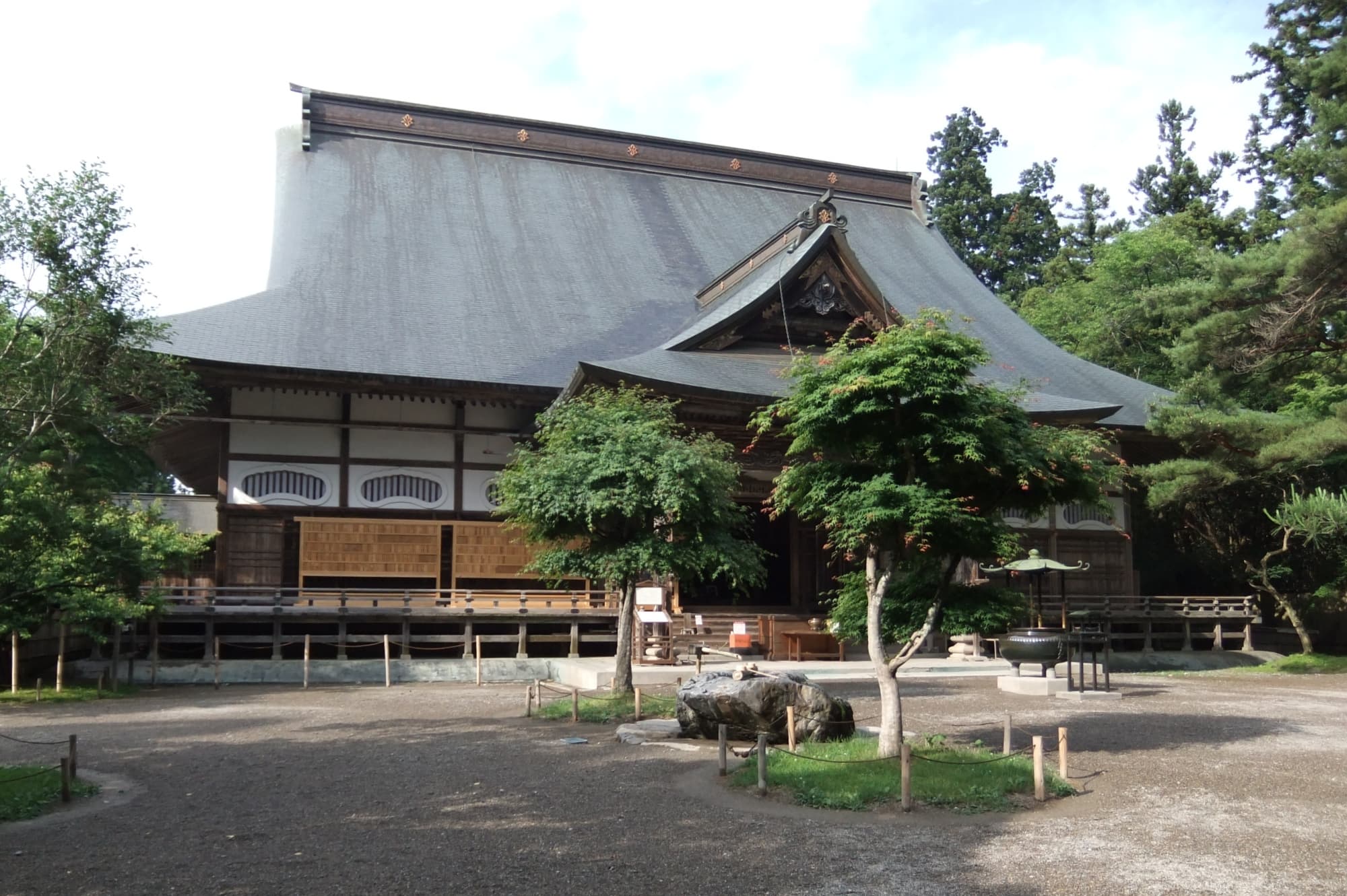
Chuson-ji
中尊寺 · Hiraizumi, Iwate
A World Heritage Tendai temple whose golden hall was raised in 1124 as a vow for the repose of the dead of both sides in a war — and it is a temple, so do not clap.
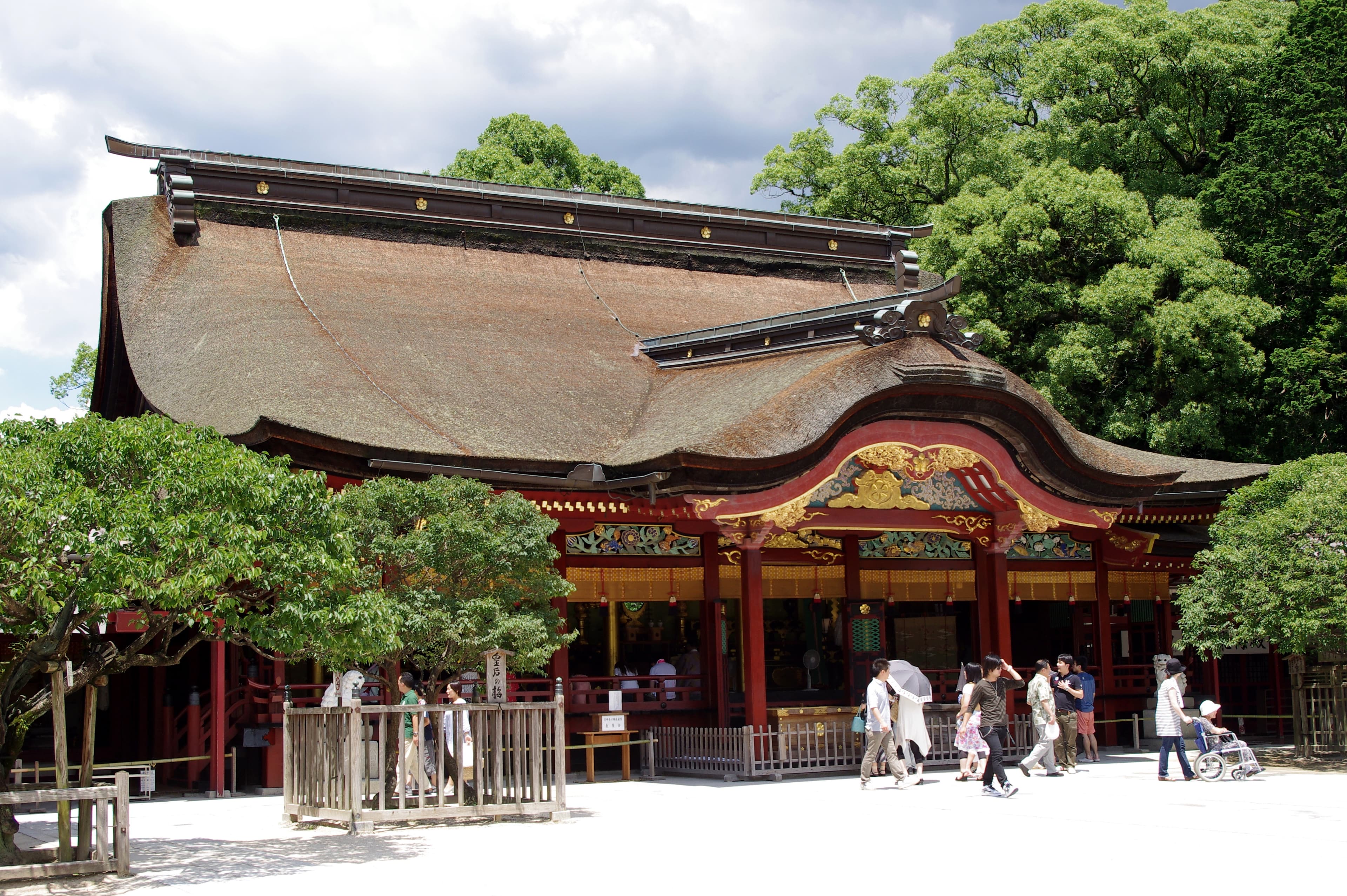
Dazaifu Tenmangu
partial太宰府天満宮 · Dazaifu, Fukuoka
The head shrine of every Tenmangu in Japan, built over the grave of an exiled scholar — and currently mid-way through the end of a 124-year restoration.
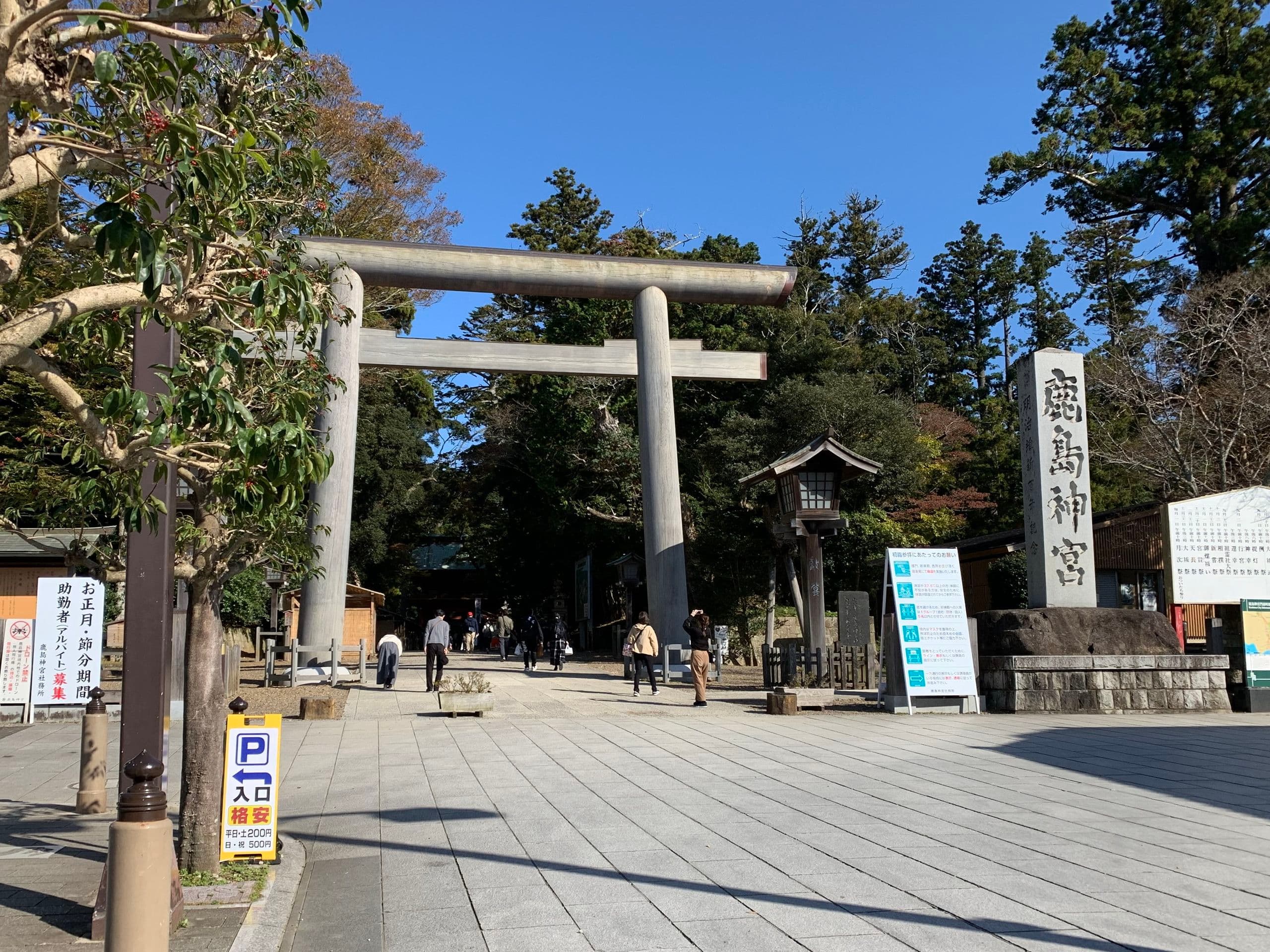
Kashima Jingu
partial鹿島神宮 · Kashima, Ibaraki
A vast forest shrine to the sword-and-thunder kami, where a stone said to pin down the earthquake catfish sits at the end of a 700-metre cedar path.
Kurumazaki Jinja
車折神社 · Ukyo, Kyoto
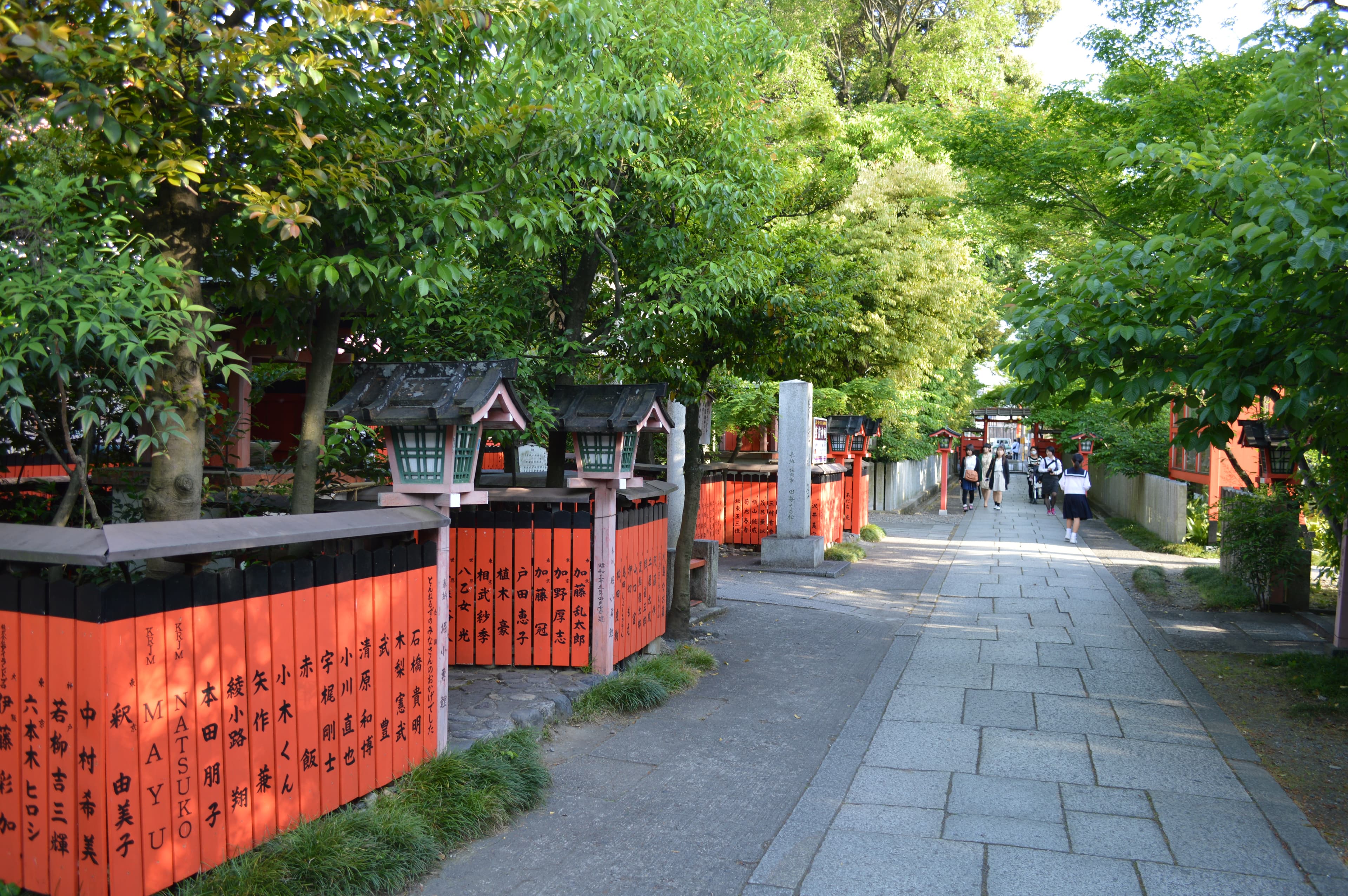
The Arashiyama shrine where promises are kept — and where four thousand vermilion plaques carry the names of Japanese performers, dedicated by the performers themselves.