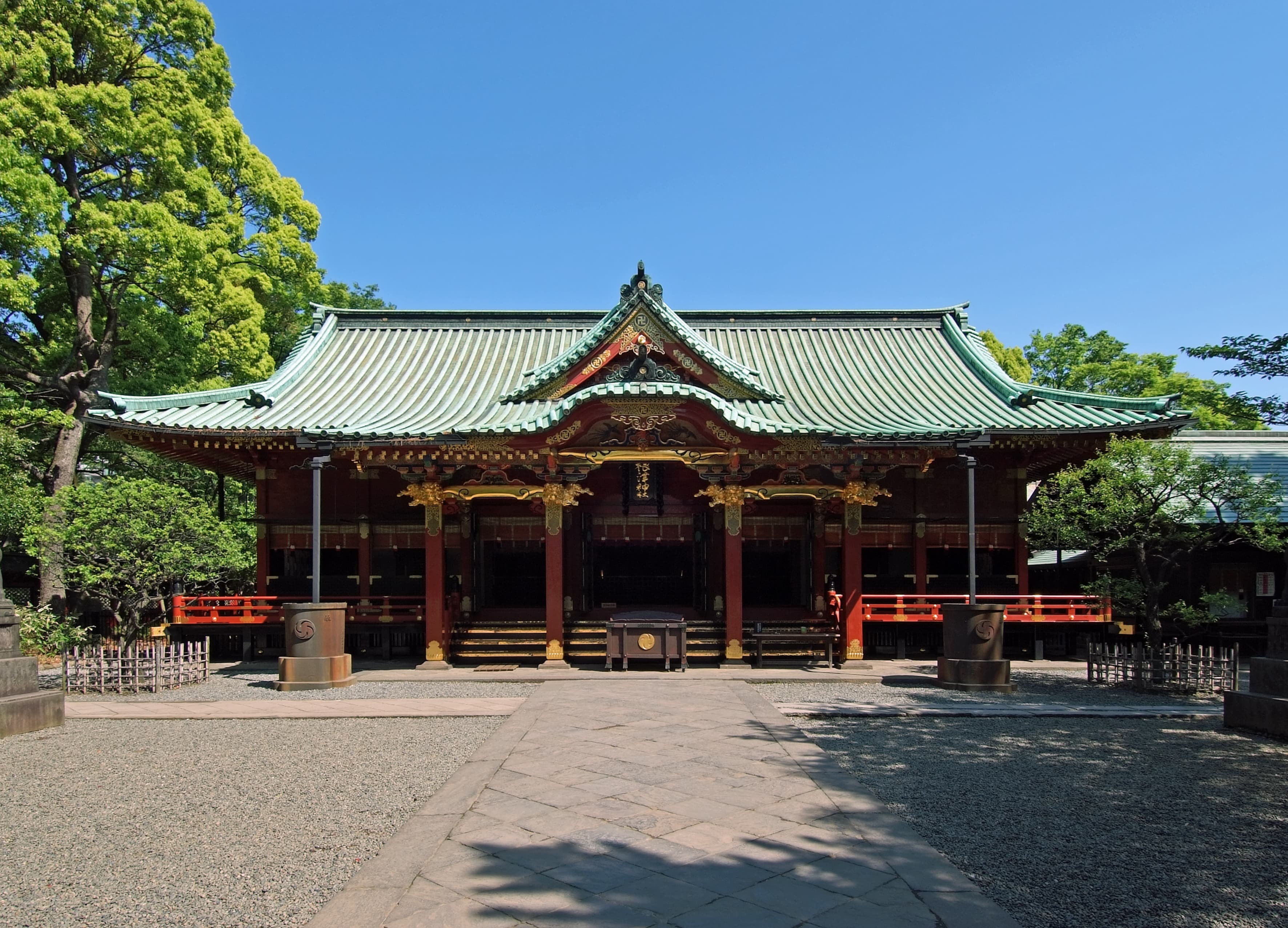
Nezu Shrine
根津神社
Tokyo, Tokyo · Shinto shrine
A richly carved Edo-period shrine where a red-torii path, a separate Inari shrine and a working counter each ask you to slow down.
Nezu Shrine is a Shinto shrine in Tokyo's Bunkyo ward, with a history that the shrine traces back more than 1,900 years to a foundation by Yamato Takeru in Sendagi. In 1705, Tokugawa Tsunayoshi gave the land of his family's residence to the shrine associated with his heir, Tokugawa Ienobu; the present complex was completed in 1706.
The main sanctuary, worship hall, Karamon, west gate, lattice fence and Romon survive from that Edo-period construction. Bunkyo City records seven shrine buildings as nationally designated Important Cultural Properties. This is not a reconstructed theme of old Tokyo; it is a working shrine whose historic buildings remain part of a present-day visit.
The shrine enshrines five deities: Susanoo-no-Mikoto, Oyamakui-no-Mikoto, Honda-wake-no-Mikoto, Okuninushi-no-Mikoto and Sugawara no Michizane. The grounds also contain the subsidiary Otome Inari Shrine, whose deity is Ukanomitama-no-Mikoto, reached by a path lined with red torii. Keep the main shrine and its subsidiary shrines distinct when deciding where to pray.
Nezu is also the site of Bunkyo's spring Azalea Festival. The azalea garden is a seasonal area opened for the festival, not a year-round admission area. In September, the practical detail is the shrine's own annual festival and the difference between the open grounds, the gate and the授与所 counter.
Which kami is enshrined here
- Susanoo-no-Mikoto 須佐之男命
- The principal deity named by Nezu Shrine. The shrine's own description associates him with protection from disaster and disease, poetry, martial strength and abundant harvests.
- Oyamakui-no-Mikoto 大山咋命
- A principal deity whom the shrine describes as a mountain land deity and a deity of agriculture and brewing.
- Honda-wake-no-Mikoto 誉田別命
- A principal deity whom the shrine describes in terms of both civil and martial protection.
- Okuninushi-no-Mikoto 大国主命
- An enshrined deity whom Nezu Shrine associates with nation-building and good relationships.
- Sugawara no Michizane 菅原道真公
- The historical scholar and court official whom the shrine lists among its enshrined deities and associates with learning.
- Ukanomitama-no-Mikoto 倉稲魂命
- The deity of the subsidiary Otome Inari Shrine. Otome Inari is a separate worship point reached through the red-torii path.
Take part
What you can actually do here
Visit the main shrine, then Otome Inari
The useful distinction at Nezu is not a secret ritual but a sequence of places. Begin at the main shrine and worship at the honden through the worship hall. Then walk the Senbon Torii path to Otome Inari Shrine, the subsidiary shrine overlooking the pond. It is a separate kami and a separate place to pray, not another name for the main sanctuary.
The shrine's grounds also contain a Kaya tree described as a place where a white snake lives. The official guide says that people have made wishes there and that those wishes were said to come true. That is the shrine's local belief; JinjaDB does not turn it into a promise. Look, pray if you wish, and do not treat the tree or the torii as objects to handle.
For a formal visit inside the worship hall, the shrine publishes a different arrangement: purification, a tamagushi offering and two bows, two claps and one bow, with a reservation and an offering. That is a priest-guided service, not a fee or a compulsory step for an ordinary visit.
Etiquette
Where this place differs
This is a Shinto shrine. For an ordinary offering-box visit, keep the centre of the approach clear and follow the shrine's local instructions. The shrine's formal-visit guide gives two bows, two claps and one bow for the priest-guided service; do not confuse that paid, reserved service with ordinary worship.
Nezu's own visitor notice prohibits photography on the stone-paved approach directly in front of the shrine buildings and asks visitors to keep quiet, especially near the inner fence. Personal commemorative photos are allowed when they do not inconvenience others; commercial web or publication photography requires the shrine's application process.
Dogs and other pets may walk in the grounds, but the shrine asks visitors not to bring them inside the fence around the shrine buildings. Do not lean on or sit on the historic buildings and fences.
New to this? Read the full worship sequence first.
Goshuin
Getting the seal here
The 授与所 (amulet office) issues goshuin as well as amulets and prayer applications. The shrine's current open-hours chart places the counter at 9:30–17:30 in June–September, opening from 9:00 on Sundays and national holidays. The Karamon gate has a separate September schedule of 5:30–18:00.
The shrine's April 2026 notice says that ordinary goshuin are supplied on paper. The official pages checked do not publish a regular goshuin fee. The separate special goshuin described for a formal visit belongs to that reserved service, so do not use its offering as a regular counter price. Ask at the授与所 after worship and check the current notice on the day.
Goshuin details checked: 12 September 2026.
Before you go
September is festival season at Nezu. The shrine's 2026 notice lists the annual festival ceremony on 21 September, festival events on 26–27 September, and a four-yearly mikoshi procession on 27 September from 9:00 to 16:00. Traffic around the procession route can be difficult and public transport is expected to be crowded. The shrine does not manage the stall vendors' opening hours.
The Azalea Festival is a spring event. Its 2026 garden dates and entry contribution are retained here as seasonal history, not as a current September opening or fee.
The shrine's visitor notice asks people not to photograph on the stone-paved approach in front of the shrine buildings. Commercial or publication photography needs an application; ordinary personal snapshots are allowed only within the shrine's stated quiet and non-disruption rules.
Map
Sources
This page draws on the following sources, most of them in Japanese.
- 根津神社 — 根津神社について
- Nezu Shrine — official English history page
- 根津神社 — 境内案内
- 根津神社 — 唐門・授与所開閉時間
- 根津神社 — アクセス
- 根津神社 — 授与品
- 根津神社 — 御札・御守り
- 令和8年 つつじまつり — 根津神社
- 根津神社 — 令和8年 つつじまつり限定御朱印 頒布終了のお知らせ
- 根津神社 — 個人祈祷
- 根津神社 — 正式参拝
- 根津神社 — ご参拝時のお願い
- 根津神社 — 境内での撮影について
- 根津神社 — 令和8年 例大祭・神幸祭
- 文京区 — 国指定文化財
- 文京区 — 文京つつじまつり
- GO TOKYO — Nezu-jinja Shrine
- Wikimedia Commons — Nezu Shrine 2010.jpg
- Wikidata — Nezu Shrine (Q335612)
Others people visit for the same reasons
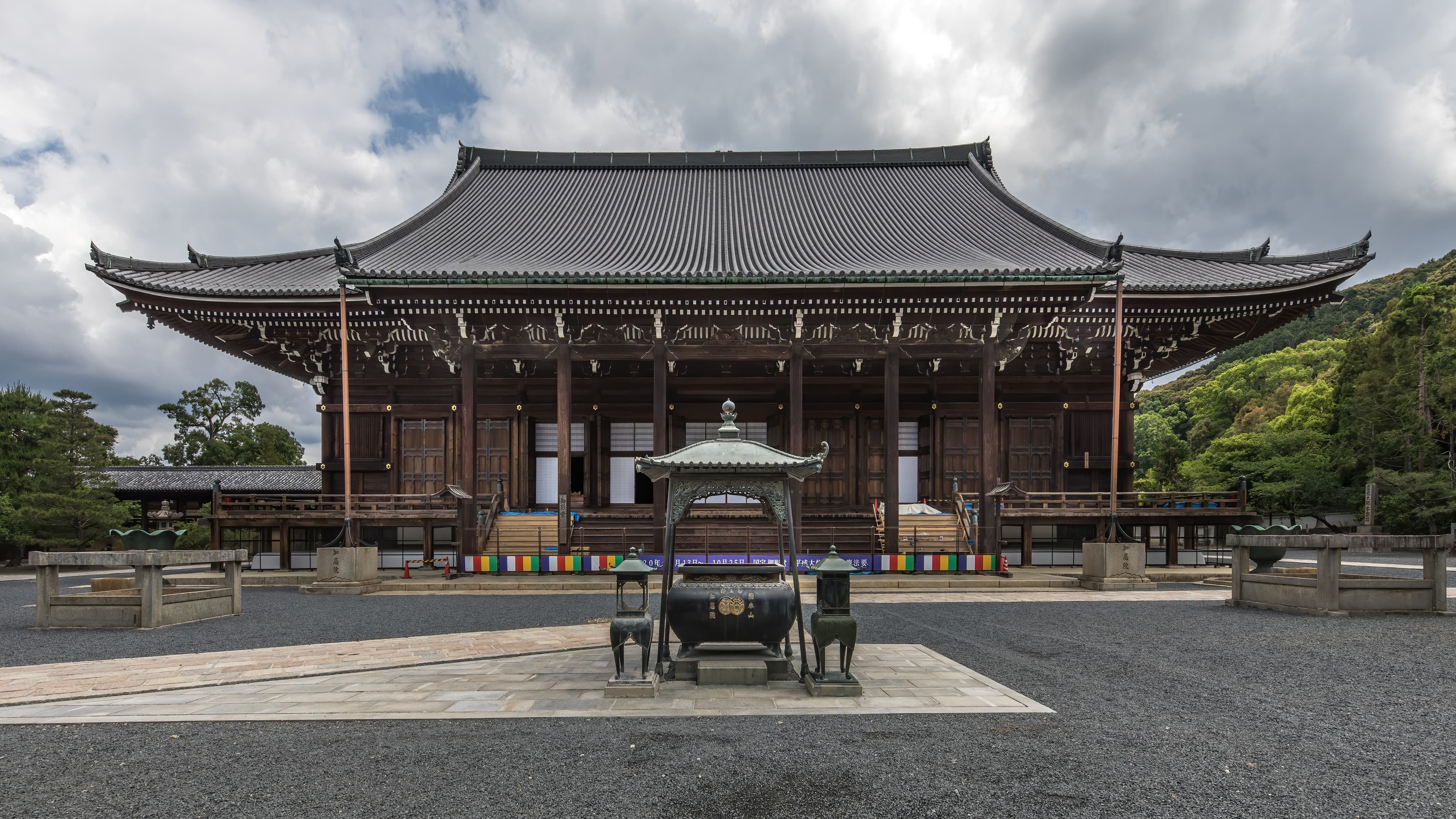
Chion-in Temple
知恩院 · Kyoto, Kyoto
Kyoto's Jōdo-shū headquarters, where a free visit to Hōnen's hall, a separate garden ticket and an exact Nembutsu practice form one useful route.
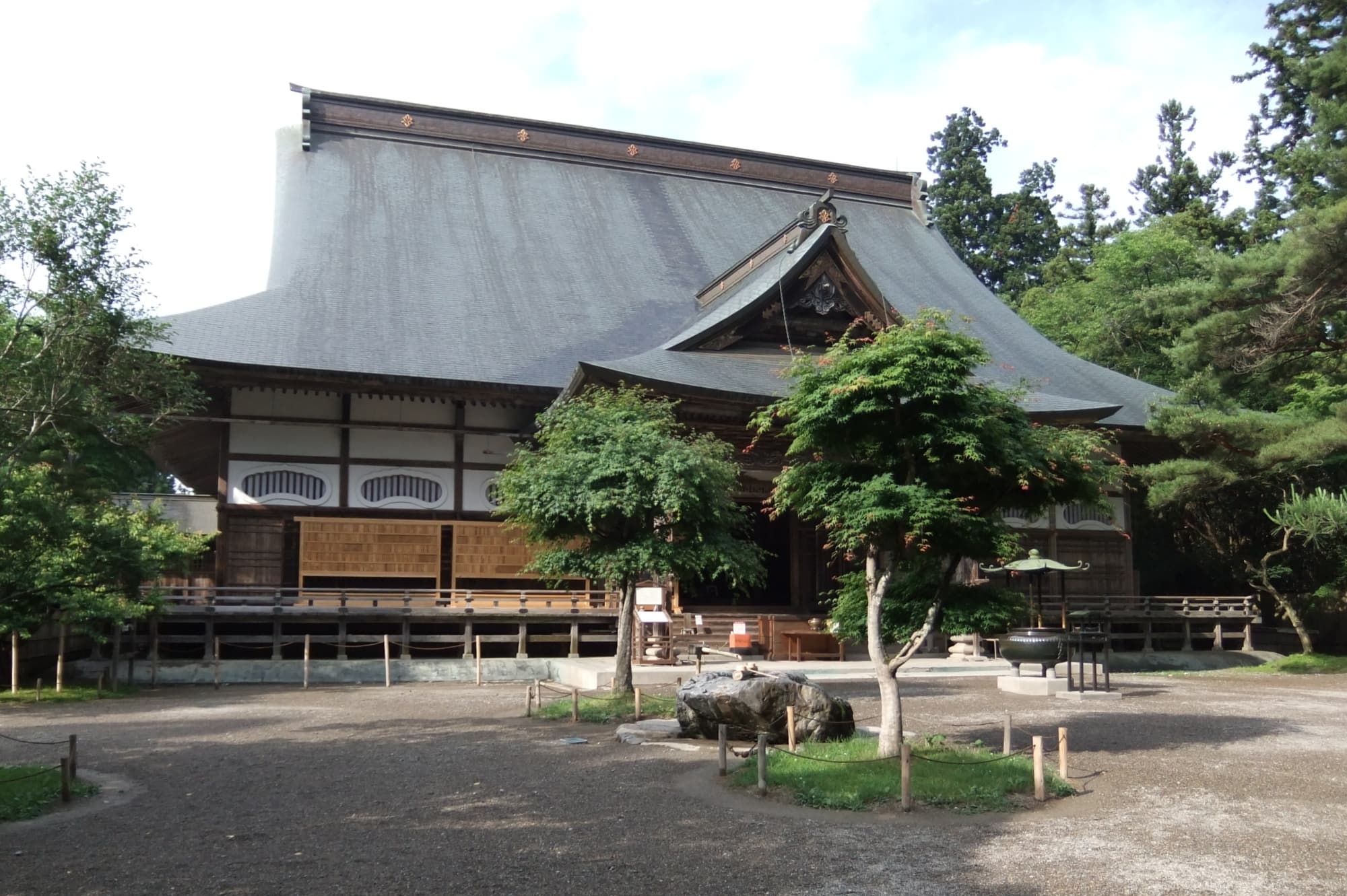
Chuson-ji
中尊寺 · Hiraizumi, Iwate
A World Heritage Tendai temple whose golden hall was raised in 1124 as a vow for the repose of the dead of both sides in a war — and it is a temple, so do not clap.
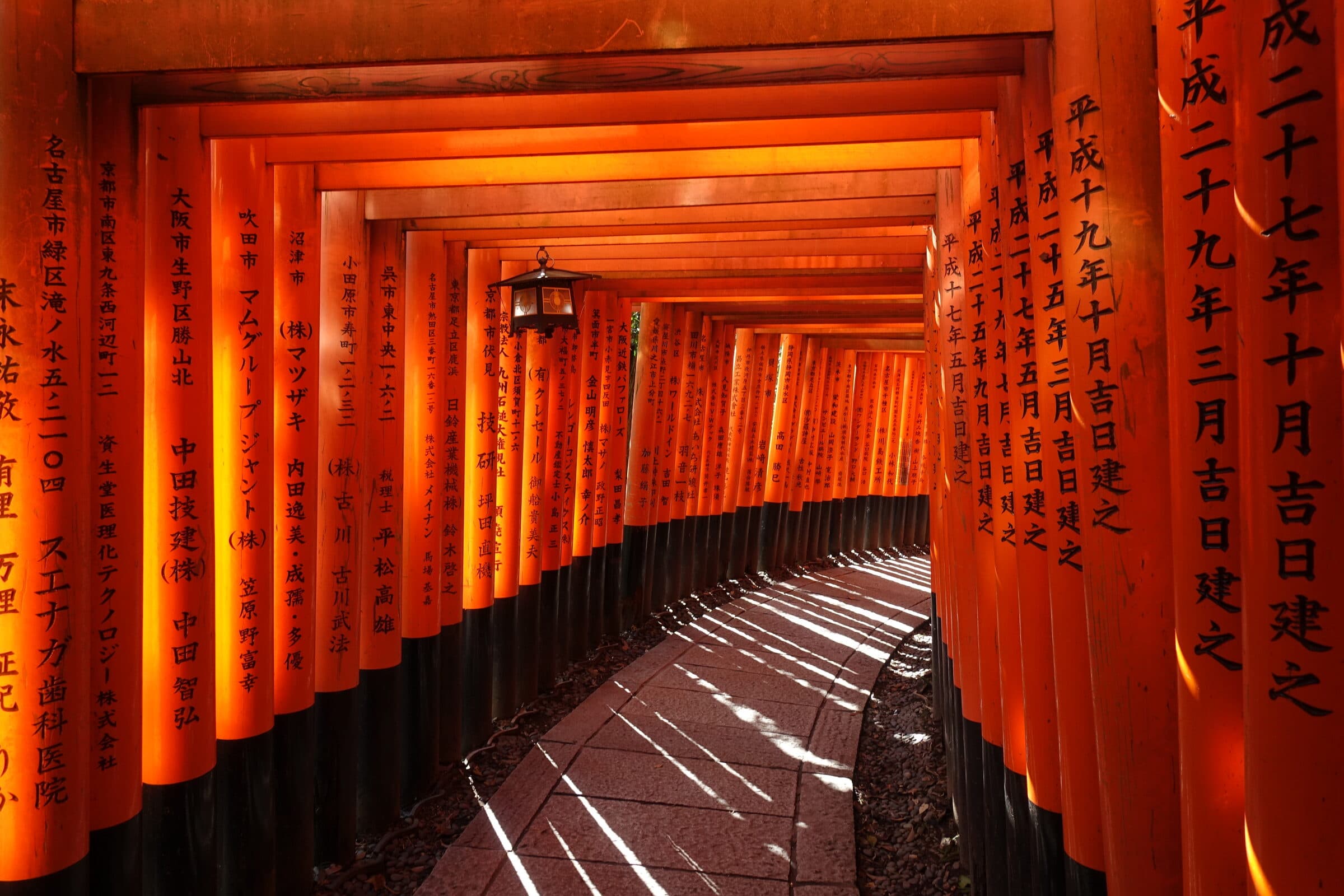
Fushimi Inari Taisha
伏見稲荷大社 · Fushimi, Kyoto
Ten thousand vermilion gates, and every one of them is a receipt — somebody paid for it because something they asked for came true.
Heian Jingu Shrine
平安神宮 · Kyoto, Kyoto
A 5:8-scale reconstruction of Kyoto's ancient State Hall, where the shrine courtyard is free and the four landscape gardens are a separate visit.