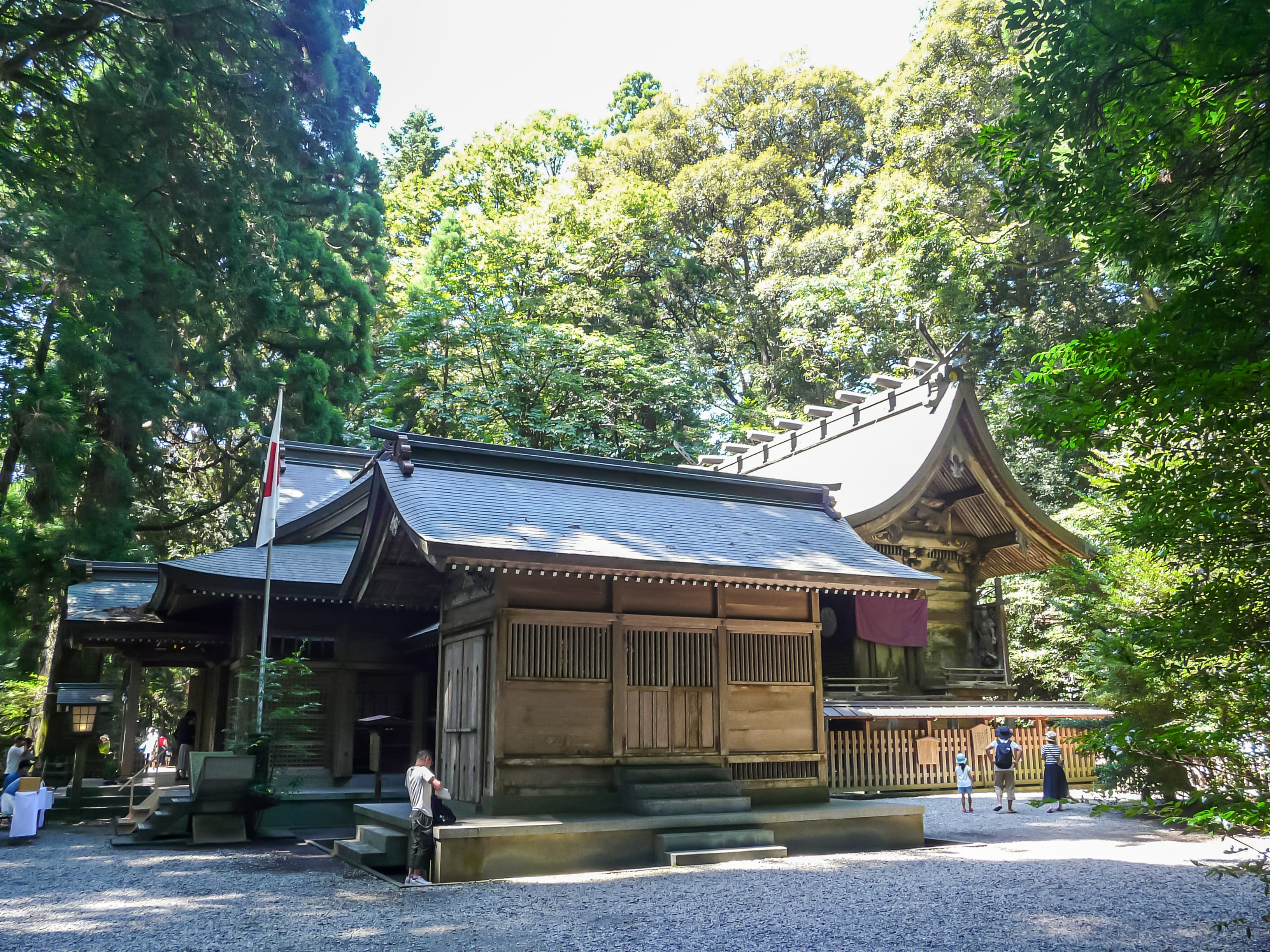
Takachiho Jinja
高千穂神社
Takachiho, Miyazaki · Shinto shrine
The head shrine of Takachiho's eighty-eight shrines, where four kagura dances are performed for visitors every night of the year at eight o'clock.
Takachiho is where the Japanese myths are set — the descent of the heavenly grandchild, the cave into which the sun goddess withdrew. The shrine is roughly nineteen hundred years old by tradition, dating to the reign of the eleventh emperor, and it is the head shrine of the eighty-eight shrines of the Takachiho district. Its main hall and a pair of iron guardian lions are national Important Cultural Properties.
But the reason to be here at all is that at eight o'clock every night, in a tatami-floored hall in the shrine precinct, four kagura dances are performed. Kagura is sacred dance, and Takachiho's full cycle runs to thirty-three numbers performed overnight in village houses through the winter. What is staged here nightly is an hour-long selection of four — including the dance of Ame-no-Uzume, whose performance outside the rock cave lured the sun goddess back into the world.
It is genuinely open to visitors, tourists included, with an online booking system. It is also the clearest opportunity most foreign visitors will get to watch a living ritual performance rather than a museum reconstruction.
Which kami is enshrined here
- Takachiho-sumegami 高千穂皇神
- A collective name for three divine couples of the Hyuga myth cycle: Ninigi and Konohanasakuya-hime, Hikohohodemi and Toyotama-hime, Ugayafukiaezu and Tamayori-hime.
- Jussha Daimyojin 十社大明神
- The 'ten shrines great deity' — Mikeirino-no-Mikoto and nine other local kami. Mikeirino is a brother of the first emperor in the tradition.
Take part
What you can actually do here
Takachiho Kagura, nightly, 20:00–21:00, in the kagura hall in the shrine precinct. Four numbers from the full thirty-three: Tajikarao, Uzume, Totori, and Goshintai.
- ¥1,000 for adults; free for children of elementary age and under; ¥900 each for groups of twenty or more.
- Book online. 230 seats are allocated to online reservations, opening at 10:00 on the thirtieth day before the performance and closing at 17:00 on the day. Only 50–60 seats are sold at the door. Online bookers sit at the front; same-day buyers sit at the back. No telephone bookings are accepted.
- Check-in is 19:00 for online reservations, 19:30 for door tickets.
- No performance on 31 December, 1 January, or 22–23 November.
- Cancellation: 10% up to two days before, 50% the day before, 100% on the day.
Do not confuse this with Takachiho no Yokagura, the nationally designated folk cultural property, in which all thirty-three numbers are dedicated overnight in village kagura houses from mid-November to early February. That is a different thing, in a different place, on a different scale.
The Meoto-sugi, two giant cedars fused at the trunk: walk around them three times holding hands with your partner, for a good match, marital harmony and prosperity of descendants. Documented by Miyazaki's tourism bodies rather than by the shrine.
Etiquette
Where this place differs
Standard shrine sequence at the hall. In the kagura hall you sit on tatami for a full hour and no chairs are provided or lent — you may bring your own cushion or folding chair. Pets are not admitted. Photography rules inside are not published, so follow the announcements on the night.
New to this? Read the full worship sequence first.
Goshuin
Getting the seal here
Offered, reportedly at the counter to the right of the worship hall, which also issues one for Kushifuru Jinja.
Hours and price could not be verified. Takachiho Jinja appears to have no website of its own — the town tourist association's site serves as the official channel and does not cover goshuin. Reported hours vary between sources; reported price is ¥300. Treat all of it as unconfirmed.
Before you go
You have to stay the night, and people miss this. There is no train. The performance ends at 21:00, and the buses out are long gone. Anyone planning Takachiho around a rail pass and a same-day return will strand themselves.
Book the kagura ahead. The 230 online seats are the good ones; the 50–60 sold at the door are at the back of the hall. Booking opens 10:00, thirty days out, online only.
An hour on a tatami floor with no chair is harder than it sounds. If you cannot sit on the floor, bring something to sit on.
The Takachiho Gorge boat rental is a separate operation with its own booking — it is not part of the shrine.
Map
Sources
This entry was compiled from the following, most of them in Japanese.
Others people visit for the same reasons
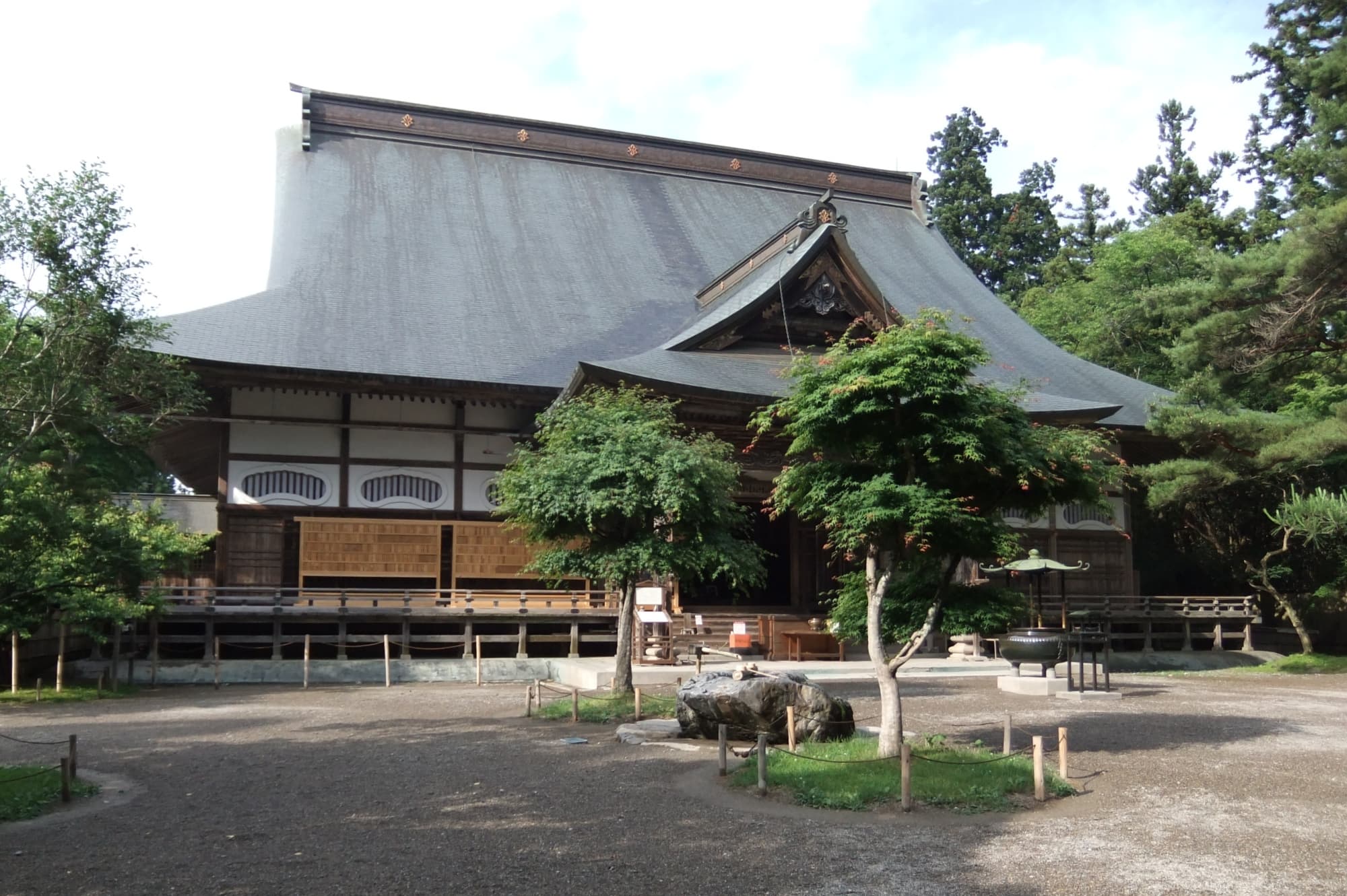
Chuson-ji
中尊寺 · Hiraizumi, Iwate
A World Heritage Tendai temple whose golden hall was raised in 1124 as a vow for the repose of the dead of both sides in a war — and it is a temple, so do not clap.
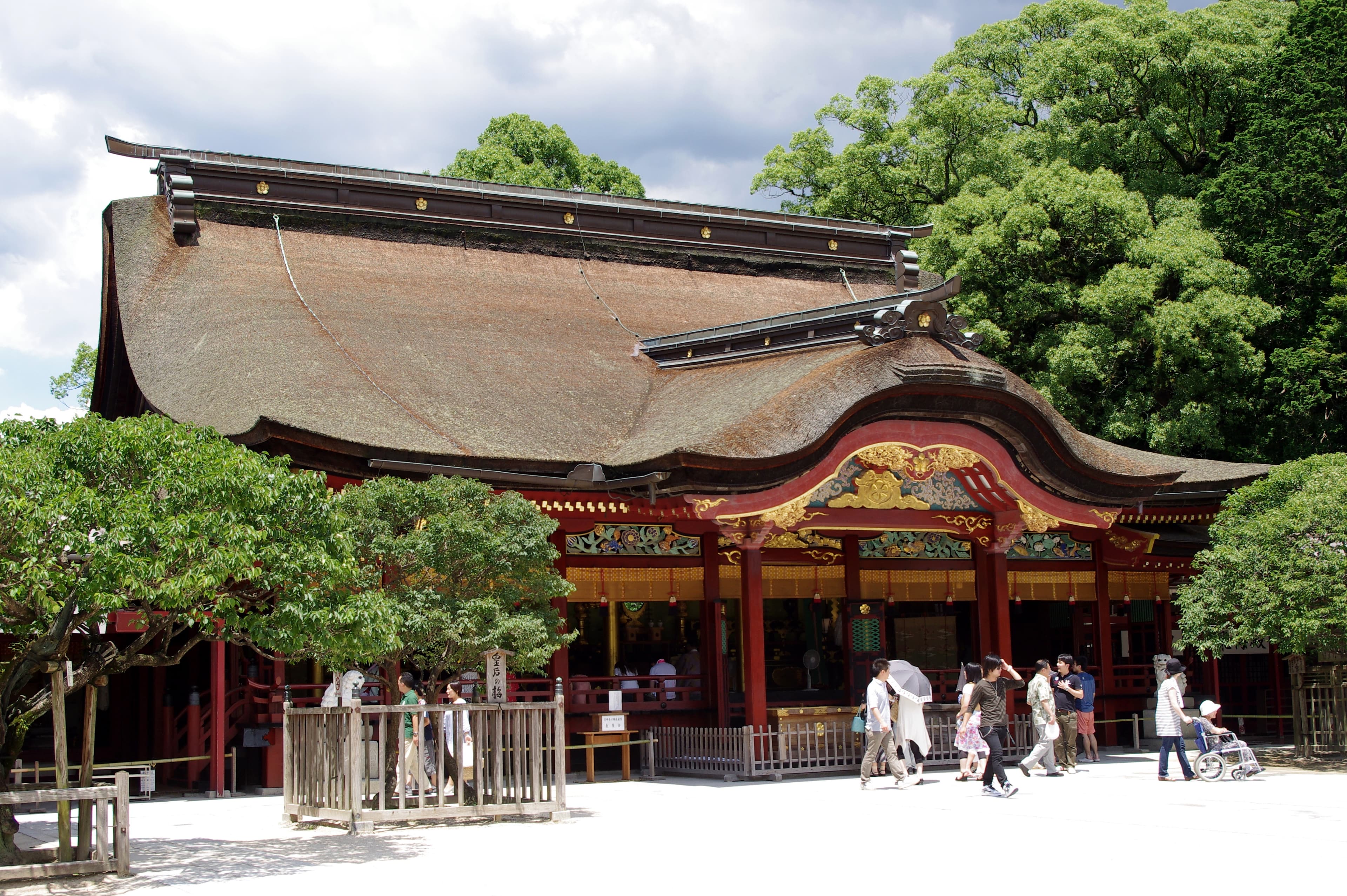
Dazaifu Tenmangu
partial太宰府天満宮 · Dazaifu, Fukuoka
The head shrine of every Tenmangu in Japan, built over the grave of an exiled scholar — and currently mid-way through the end of a 124-year restoration.
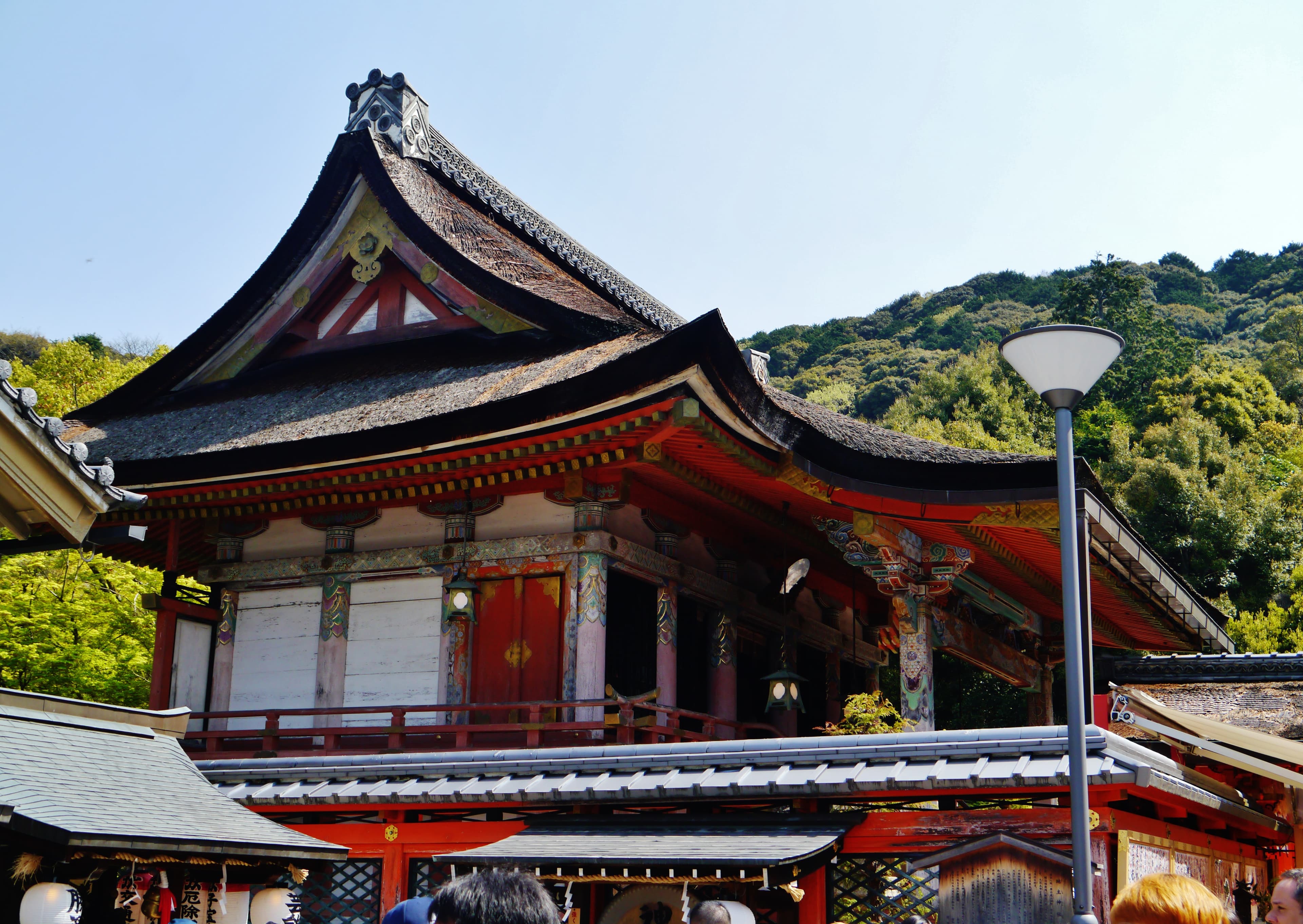
Jishu Jinja
closed地主神社 · Higashiyama, Kyoto
Kyoto's famous love-stone shrine inside Kiyomizu-dera — closed since 2022, with no reopening date, and still listed as open almost everywhere in English.
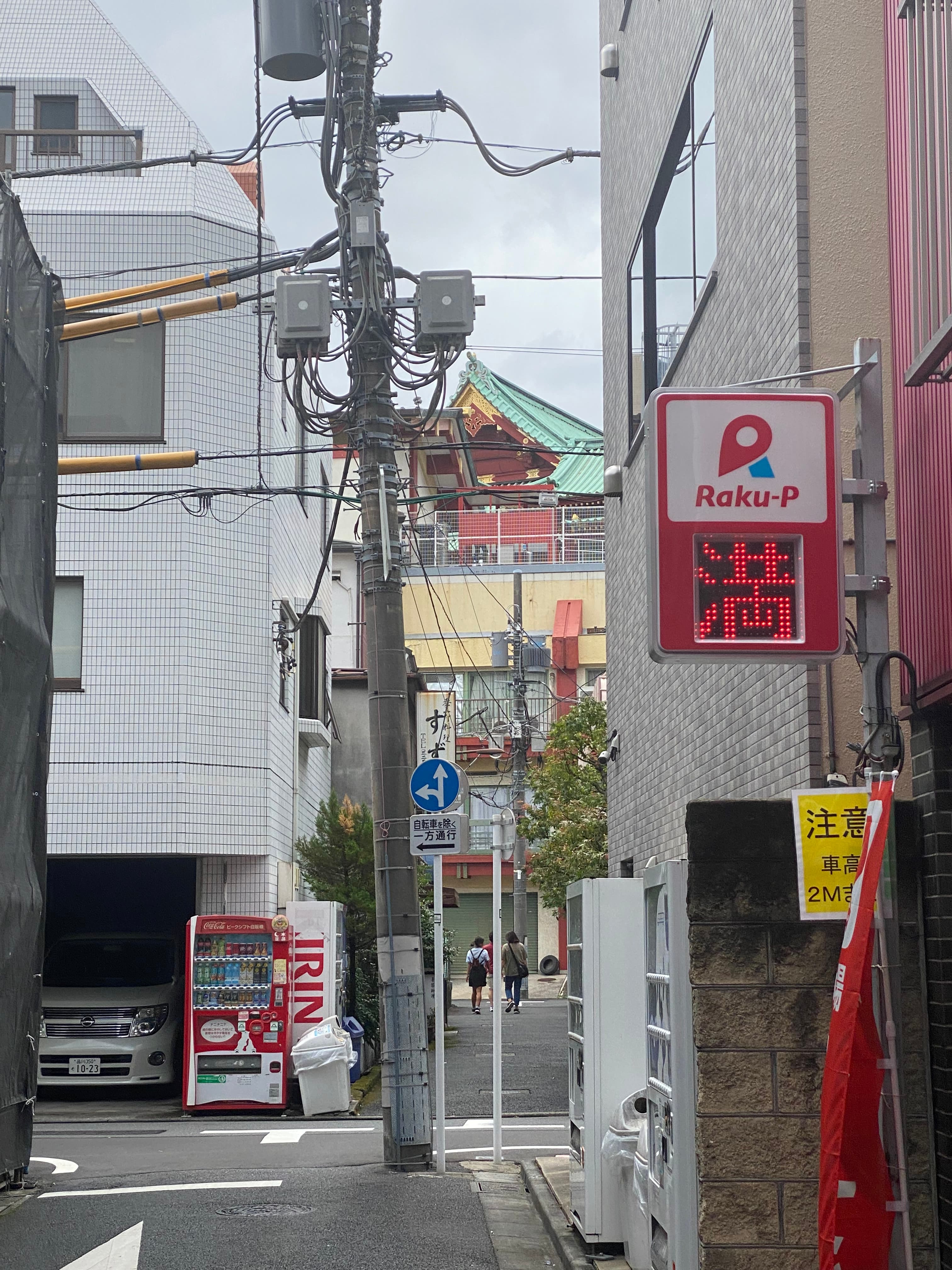
Kanda Myojin
神田明神 · Chiyoda, Tokyo
The tutelary shrine of Edo's merchant districts, next door to Akihabara — and the most relaxed major shrine in Tokyo about how you approach it.