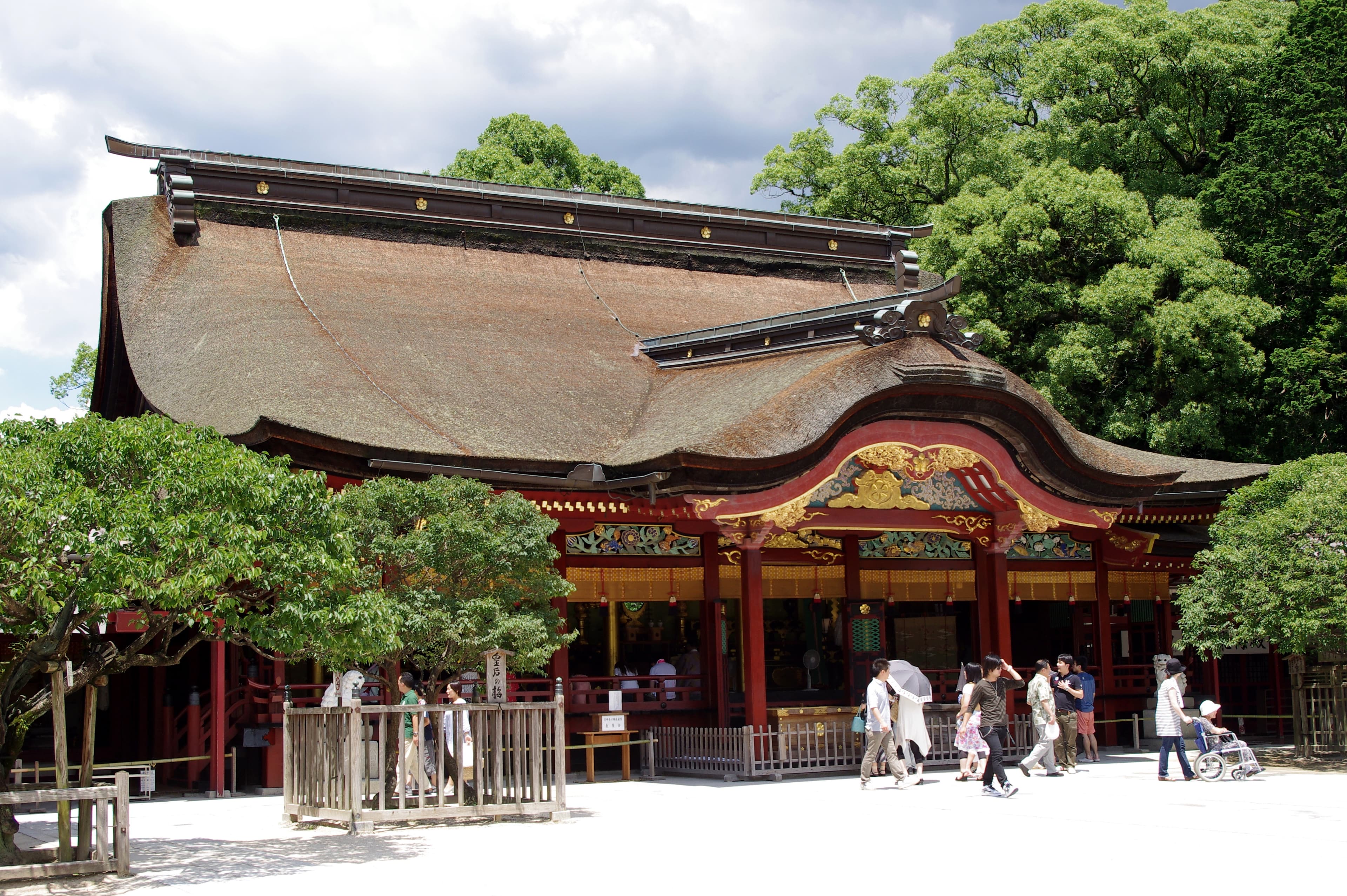
Dazaifu Tenmangu
太宰府天満宮
Dazaifu, Fukuoka · Shinto shrine
The head shrine of every Tenmangu in Japan, built over the grave of an exiled scholar — and currently mid-way through the end of a 124-year restoration.
partial — Partly restricted at the time of our last check — see the caution below.
Dazaifu Tenmangu stands where Sugawara no Michizane was buried. He was the most accomplished scholar-official of his generation, was pushed out of the capital by a rival faction in 901, and died here in exile two years later. What followed — a series of deaths, fires and lightning strikes in Kyoto — was read as his anger, and the court eventually deified him to placate it. That is the origin of every Tenjin shrine in Japan, and this is their head shrine.
The transformation from feared spirit to patron of study took centuries, and the result is that around a thousand years later this place receives an enormous volume of exam prayers, mostly from teenagers and their families.
Read the section below before planning a visit. The main hall has been through a restoration — its first in 124 years — and while the work on the hall itself finished in May 2026, the temporary shrine built to house the deity in the meantime is now being taken apart. Worship is currently happening at a point in front of the demolition area, and formal prayers have moved to a separate building.
Which kami is enshrined here
- Sugawara no Michizane (Tenman-Daijizai-Tenjin) 菅原道真公
- Ninth-century scholar and statesman, deified as the kami of learning. The shrine is the head shrine of every Tenmangu in Japan.
Take part
What you can actually do here
The Tobiume — the flying plum. A plum tree stands in front of the main hall, and the legend attached to it is that it uprooted itself from Michizane's Kyoto garden and flew to Kyushu to follow him into exile. It is the emblem of the whole Tenjin cult, and the reason plum blossom is the shrine's motif everywhere.
The ox — and there are eleven of them. The shrine's own page on the goshingyu states that stroking the ox's head is held to confer wisdom, and counts eleven ox statues across the precinct. The bronze one at the right front of the Romon gate is a designated Fukuoka prefectural cultural property, and it is the one everyone queues for; the other ten are usually free.
Formal prayer. Currently performed at the Seishinkan Gishikiden, twice an hour at ten and forty minutes past, from ¥6,000, with no advance booking required.
Etiquette
Where this place differs
Standard shrine sequence. Note that during the current works you are not worshipping at the main hall, so the usual approach and sightlines do not apply.
New to this? Read the full worship sequence first.
Goshuin
Getting the seal here
Offered — the shrine has a seal desk and also issues one for the Tenkai Inari subsidiary shrine.
Hours and price are not published by the shrine, and we could not verify them anywhere official. Figures circulating on blogs are not sourced. Assume roughly daytime hours and bring coins.
Before you go
The building everyone photographed is gone. Between 2023 and 2026 the deity was housed in a temporary hall designed by Sou Fujimoto, with a forest growing on its roof — it appears in essentially every travel article written about Dazaifu in those years. It closed to worshippers on 16 May 2026 and dismantling began three days later. If that is what you came for, it no longer exists.
Where you actually worship right now: the shrine's own notice states that visitors worship at a point in front of the demolition works. Formal prayers have moved to the Seishinkan Gishikiden. Local press has reported that worship at the restored main hall is expected to resume from September 2026 — that date is press-reported, not confirmed by the shrine, so check before travelling if it matters to you.
The once-in-25-years grand festival is 2027, not this year. The shrine has a page devoted to it stating Reiwa 9 (2027). If that is what you are travelling for, you are a year early.
Map
Sources
This entry was compiled from the following, most of them in Japanese.
Others people visit for the same reasons
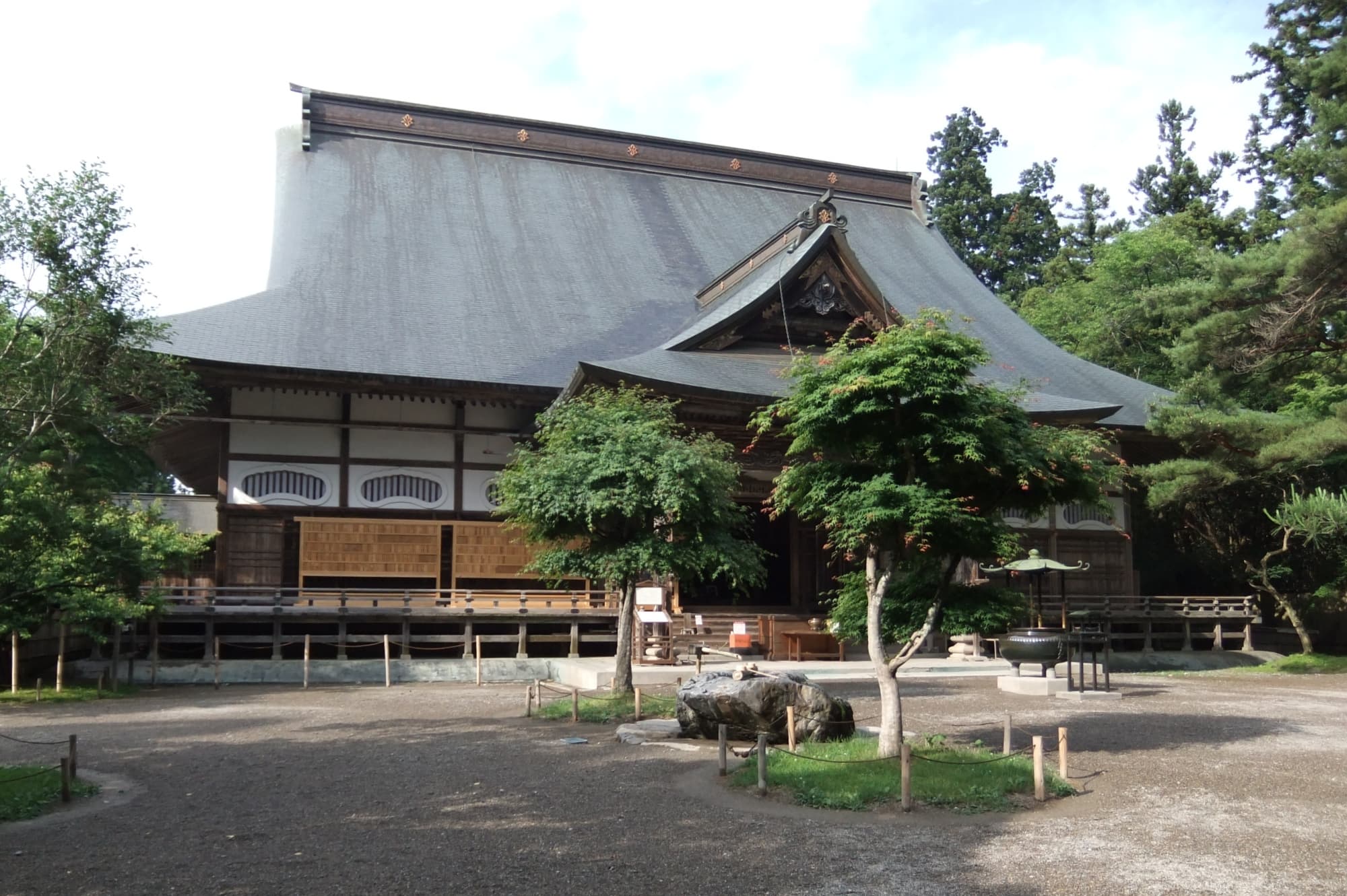
Chuson-ji
中尊寺 · Hiraizumi, Iwate
A World Heritage Tendai temple whose golden hall was raised in 1124 as a vow for the repose of the dead of both sides in a war — and it is a temple, so do not clap.
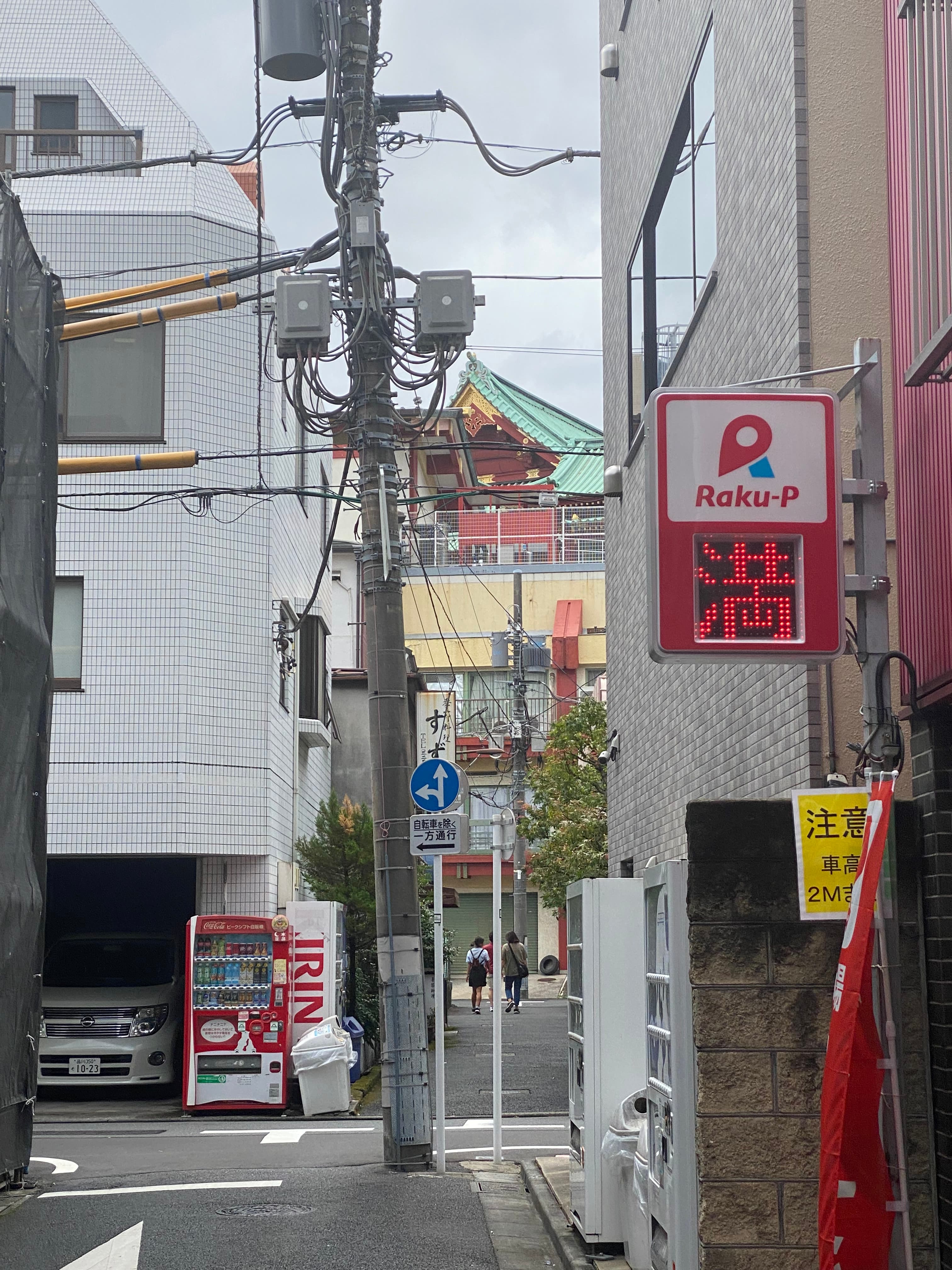
Kanda Myojin
神田明神 · Chiyoda, Tokyo
The tutelary shrine of Edo's merchant districts, next door to Akihabara — and the most relaxed major shrine in Tokyo about how you approach it.
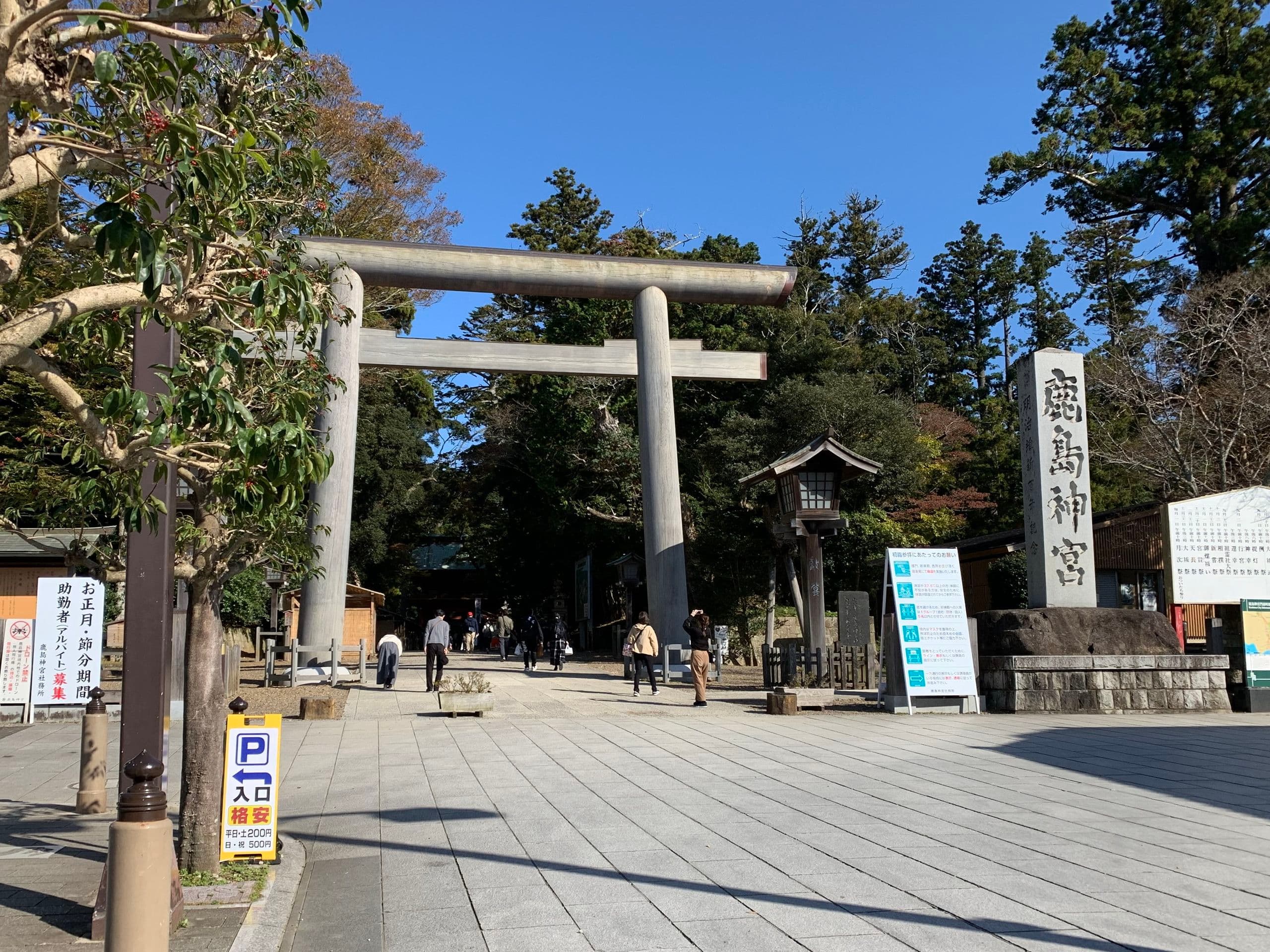
Kashima Jingu
partial鹿島神宮 · Kashima, Ibaraki
A vast forest shrine to the sword-and-thunder kami, where a stone said to pin down the earthquake catfish sits at the end of a 700-metre cedar path.
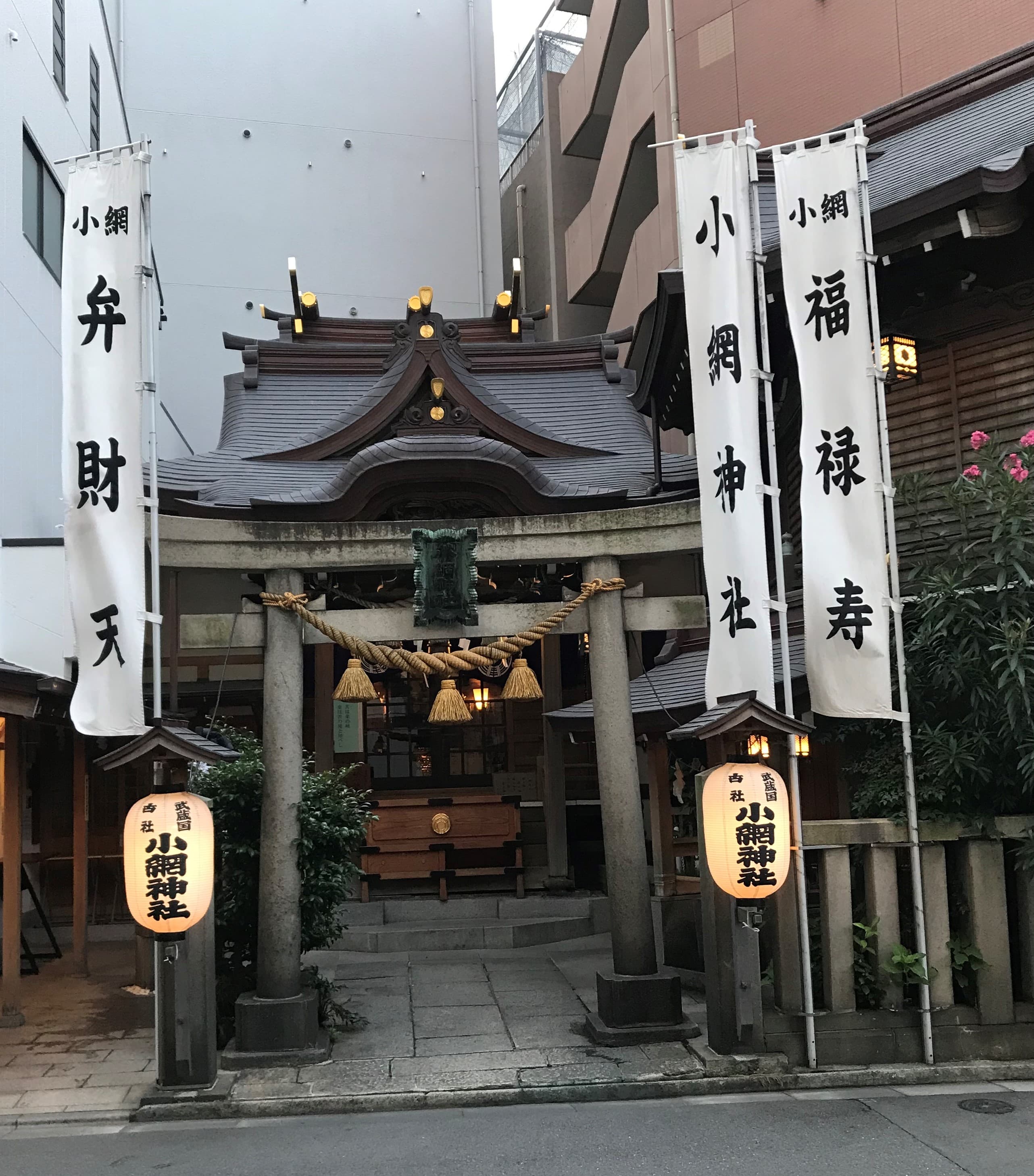
Koami Jinja
小網神社 · Chuo, Tokyo
A tiny Nihonbashi shrine with a reputation for strong luck built on two documented survivals — and a coin-washing well that is the reason most people come.