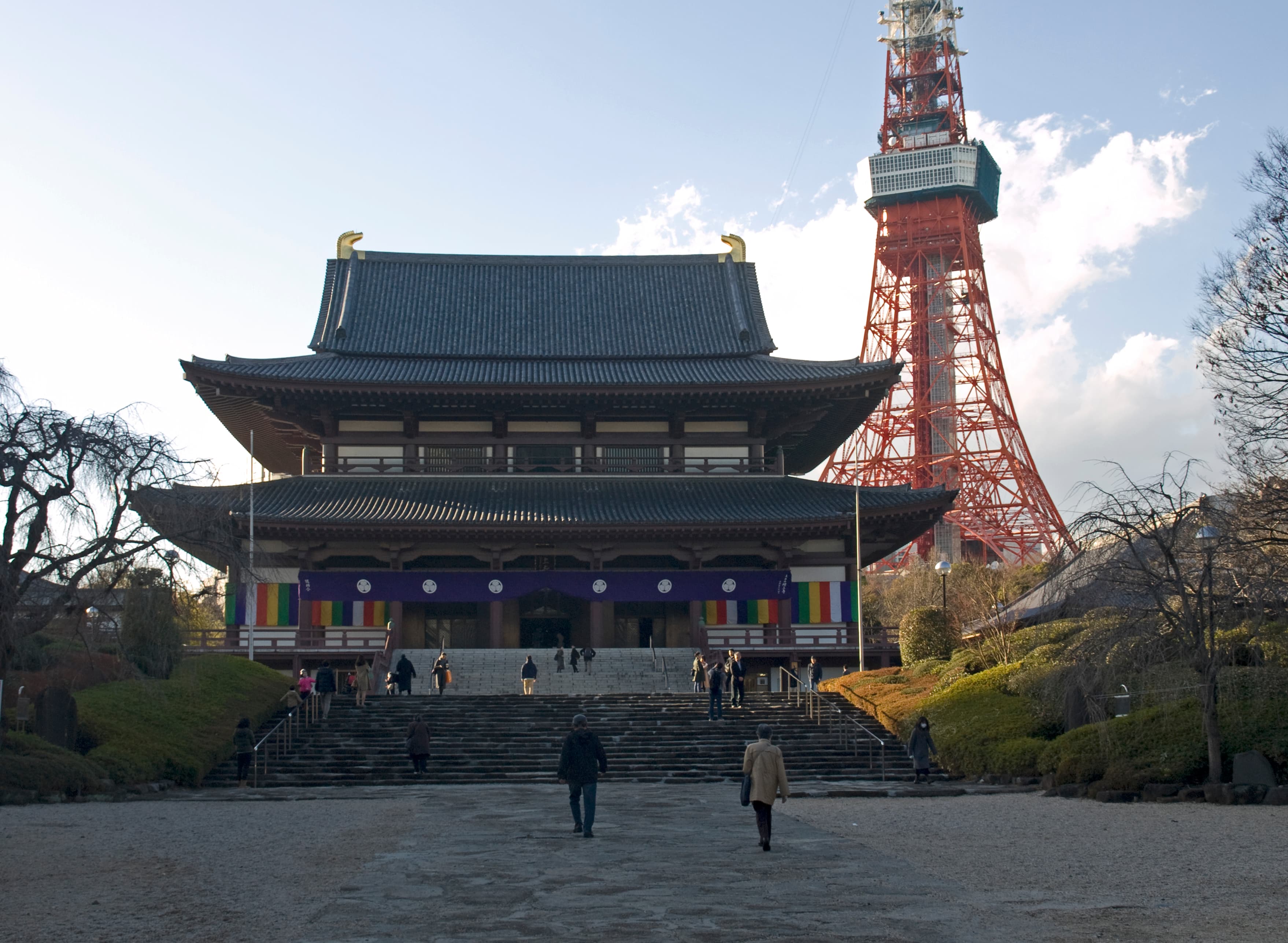
Zōjō-ji Temple
増上寺
Tokyo, Tokyo · Buddhist temple
A Jōdo temple where the route from the old gate to the Amida hall, the Tokugawa graves and the seal counter are three different visits.
partial — Something on the site is restricted or hidden at the time of our last check.
Zōjō-ji is one of the seven head temples of the Jōdo school of Buddhism. The temple says it was founded by Yuyo Shoso in the Kaizuka area of Edo, now near present-day Kōjimachi, and later grew under the patronage of Tokugawa Ieyasu. It moved to its present Shiba site in 1598 and became the Tokugawa family's principal temple in the Kanto region.
The temple's principal image is Amida Nyorai. The official precinct guide describes the line from Daimon through the Sangedatsu-mon gate and up to the main hall as a symbolic passage from the ordinary world toward the Pure Land. That idea belongs to the temple's own explanation of its layout; it is not a promise about what a visitor will experience.
The current complex mixes different periods. The Sangedatsu-mon is an early-Edo survivor and a nationally designated Important Cultural Property, while the present main hall was rebuilt in 1974 after the wartime destruction of most of the earlier complex. The grounds also hold the Tokugawa Shogun Mausoleum, and the basement of the main hall contains the Treasures Gallery. Treat worship, the paid grave visit and the gallery as separate stops.
Who is enshrined here
- Amida Nyorai 阿弥陀如来
- The principal image of Zōjō-ji. The temple identifies itself as a Jōdo Buddhist head temple centred on Amida and the recitation of the nembutsu.
- Shandao 善導大師
- The Chinese Buddhist teacher whose image the temple places on one side altar of the main hall.
- Hōnen 法然上人
- The founder of the Jōdo school, whose image the temple places on the other side altar of the main hall.
Take part
What you can actually do here
Walk the temple's axis
The official precinct guide gives the approach a Buddhist reading. From Daimon, the route passes through the Sangedatsu-mon and toward the Amida hall; the distances and steps are described through numbers associated with Buddhist teaching, including 108 spans and 25 steps to the hall. The point is to notice the relationship between the gate, the steps and the main image, rather than to treat the approach as a generic photo walk.
The Sangedatsu-mon is undergoing preservation work. The temple's current progress notice divides it into Phase I (August 2024–December 2027) and Phase II (January 2028–August 2032), with completion planned for around autumn 2032. The passage under the temporary roof is currently usable, but follow the current signs if the work changes the route.
Recite, do not clap
At the principal image, the temple's FAQ asks visitors to join their palms, make one bow, recite Namu Amida Butsu ten times, and make one more bow. This is a Buddhist temple's own worship guidance, not the two-bows-and-two-claps sequence used at a Shinto shrine. Ordinary worship is separate from the formal Black Amida prayer handled at Ankokuden.
Make the participatory visits distinct
The temple's monthly shakyo gathering is open to anyone: reception starts at 12:00, the talk at 13:20 and the sutra-copying service at 14:00 on the 14th of each month, except July and August. It is a scheduled temple event with a ¥2,000 offering, not an activity available at any time. The seal counter at Ankokuden is another separate stop.
Etiquette
Where this place differs
This is a Jōdo Buddhist temple. Join your palms and follow the nembutsu guidance at the main image; do not clap as if you were at a Shinto shrine. The main hall's public worship hours and Ankokuden's hours are different, and neither is the same thing as the paid grave or gallery visit.
The Sangedatsu-mon's upper floor is not open to ordinary visitors, and preservation work may affect the route below it. The Tokugawa Shogun Mausoleum has its own ticket counter and may be unavailable even when the main grounds are open. Keep the approach and the hall steps clear for worshippers, ceremonies and accessibility users.
New to this? Read the full worship sequence first.
Goshuin
Getting the seal here
The official FAQ places goshuin and amulet distribution at Ankokuden from 9:00 to 17:00. The temple's official group-visit page lists ¥500 for a seal in a book, on a robe or on a sheet, and ¥500 for a hanging-scroll seal. Its current prayer page lists the renewed Zōjō-ji goshuincho at ¥3,000 including a seal; an older goshuincho is also listed at ¥2,000 including a seal.
These pages describe different products and the group-visit page is not a dated individual-visitor notice. Use ¥500 as the temple's currently published baseline, then confirm the ordinary seal, paper/book format and any seasonal design at Ankokuden. Do not confuse this counter with the grave ticket office or the Treasures Gallery.
Before you go
The Tokugawa Shogun Mausoleum is not currently a guaranteed stop. A 1 September 2026 notice from the temple says general viewing will be suspended for about two weeks sometime in 2026 because the ticket office is being rebuilt, but the dates had not yet been announced. Do not promise the ¥500 visit from an old schedule; check the temple's current notices before travelling.
The Treasures Gallery has a current display window of 10 September–21 December 2026, followed by display changes and closure from 22–31 December. Its ordinary Tuesday closing day and the mausoleum's viewing schedule are separate from the main hall's worship hours.
The Sangedatsu-mon is under a long preservation project: Phase I runs from August 2024 to December 2027, Phase II from January 2028 to August 2032, and the temple currently expects completion around autumn 2032. Its upper floor is not open to ordinary visitors. The route and the view of the gate can change during works. Zōjō-ji is a Buddhist temple: follow the temple's palms-together and nembutsu guidance, and do not carry a shrine clapping ritual into the main hall.
Map
Sources
This page draws on the following sources, most of them in Japanese.
- 増上寺 — 増上寺について
- 増上寺 — 歴史
- 増上寺 — 境内散歩
- 増上寺 — よくあるご質問
- 増上寺 — ご祈願・御守・御朱印
- 増上寺 — 団体参拝(御朱印)
- 増上寺 — アクセス
- 増上寺宝物展示室 — ご案内
- 増上寺 — 徳川将軍家墓所
- 増上寺 — 徳川将軍家墓所 拝観休止のお知らせ(2026-09-01)
- 増上寺 — 宝物展示室 常設展のお知らせ(2026-09-01)
- 増上寺 — 三解脱門大修理 経過報告(2026-06-01)
- 増上寺 — 写経会
- 浄土宗寺院検索 — 増上寺
- GO TOKYO — Zojoji Temple(英語)
- Wikidata — Zōjō-ji Temple (Q249139)
- Wikimedia Commons — Main Hall and Tokyo Tower
- Wikimedia Commons — Sangedatsu-mon from the main temple
- Wikimedia Commons — Ankokuden from the southeast
- Wikimedia Commons — Former Taitoku-in Mausoleum gate
- Wikimedia Commons — Grand Ossuary
Others people visit for the same reasons
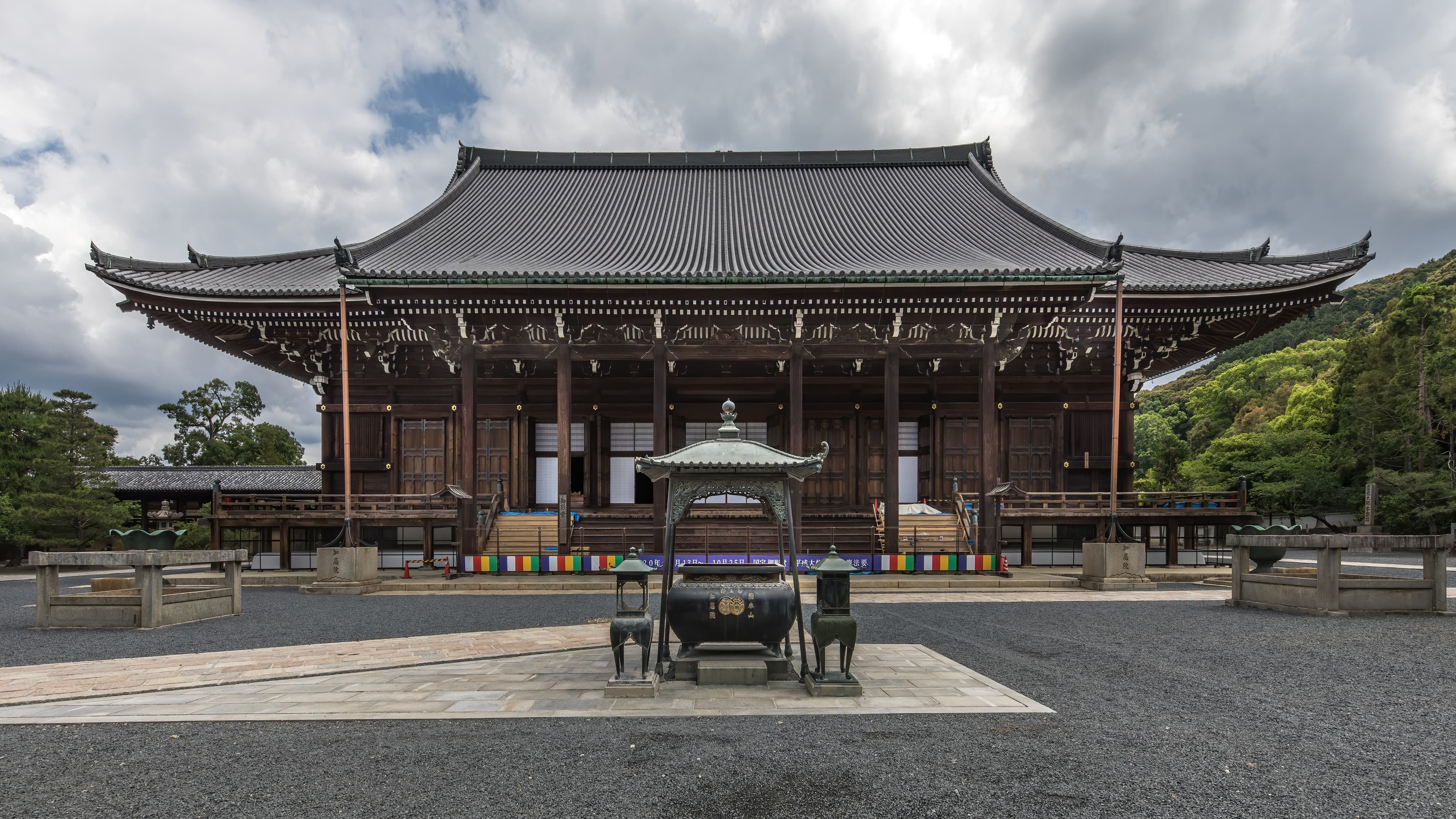
Chion-in Temple
知恩院 · Kyoto, Kyoto
Kyoto's Jōdo-shū headquarters, where a free visit to Hōnen's hall, a separate garden ticket and an exact Nembutsu practice form one useful route.
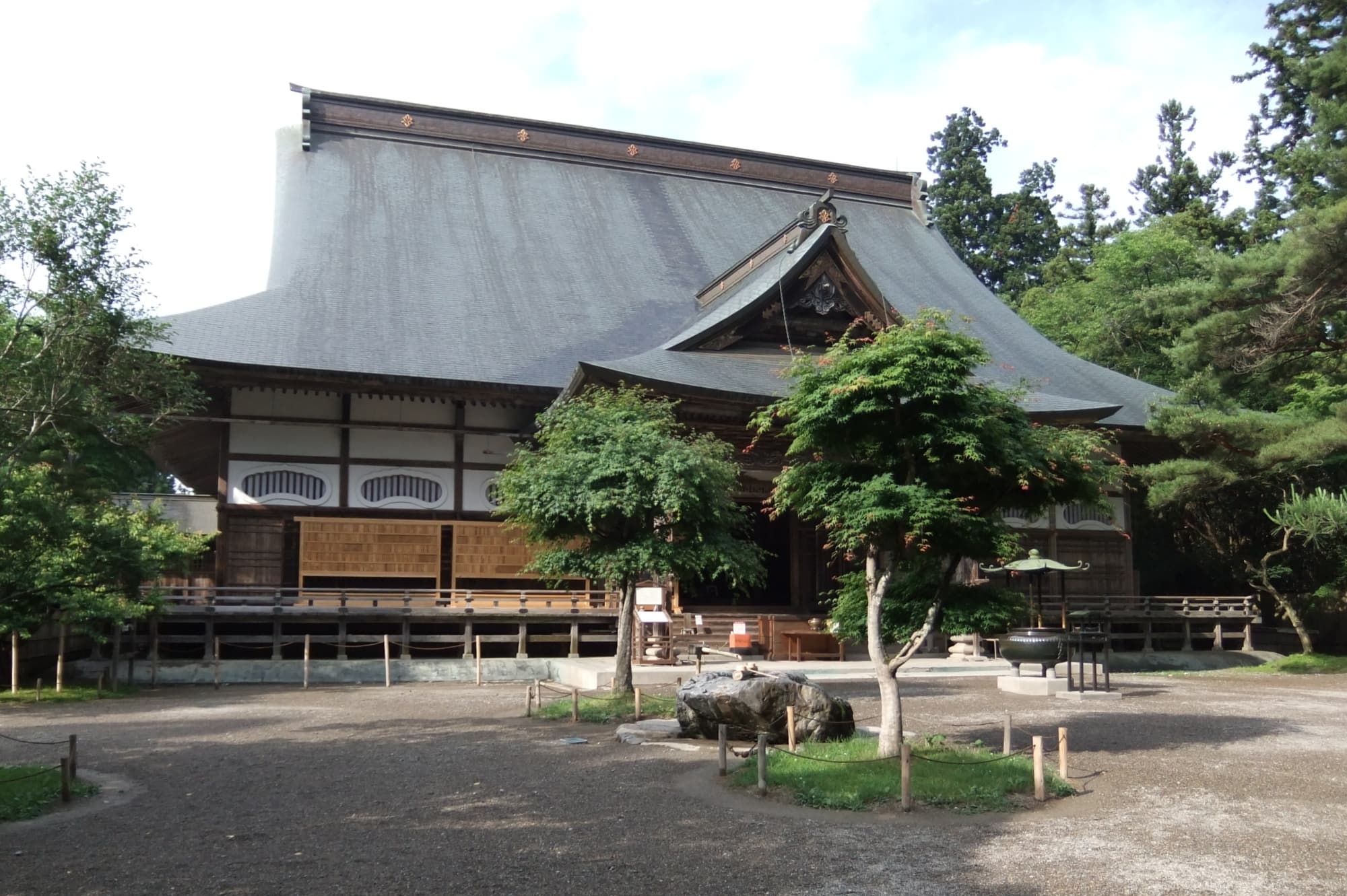
Chuson-ji
中尊寺 · Hiraizumi, Iwate
A World Heritage Tendai temple whose golden hall was raised in 1124 as a vow for the repose of the dead of both sides in a war — and it is a temple, so do not clap.
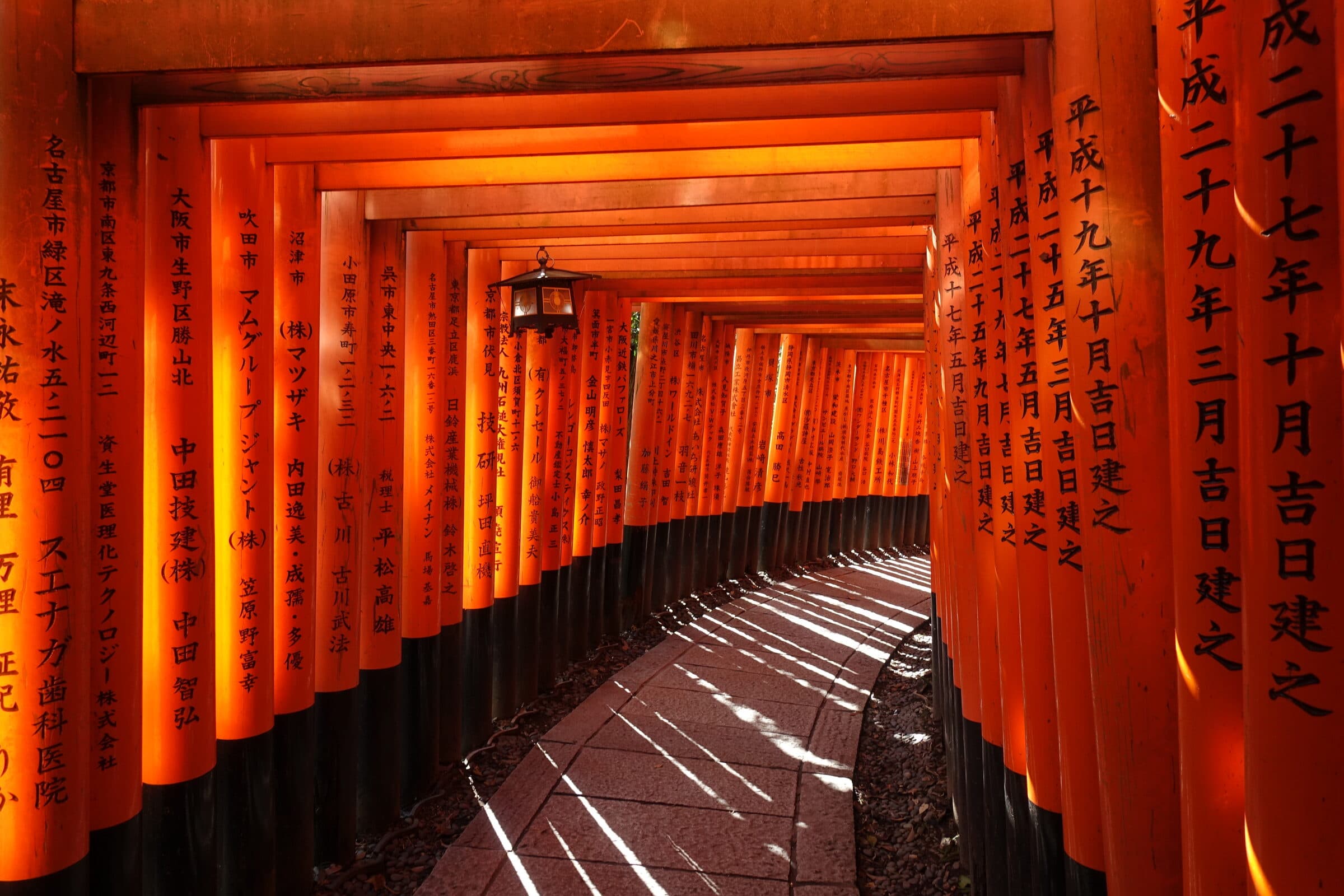
Fushimi Inari Taisha
伏見稲荷大社 · Fushimi, Kyoto
Ten thousand vermilion gates, and every one of them is a receipt — somebody paid for it because something they asked for came true.
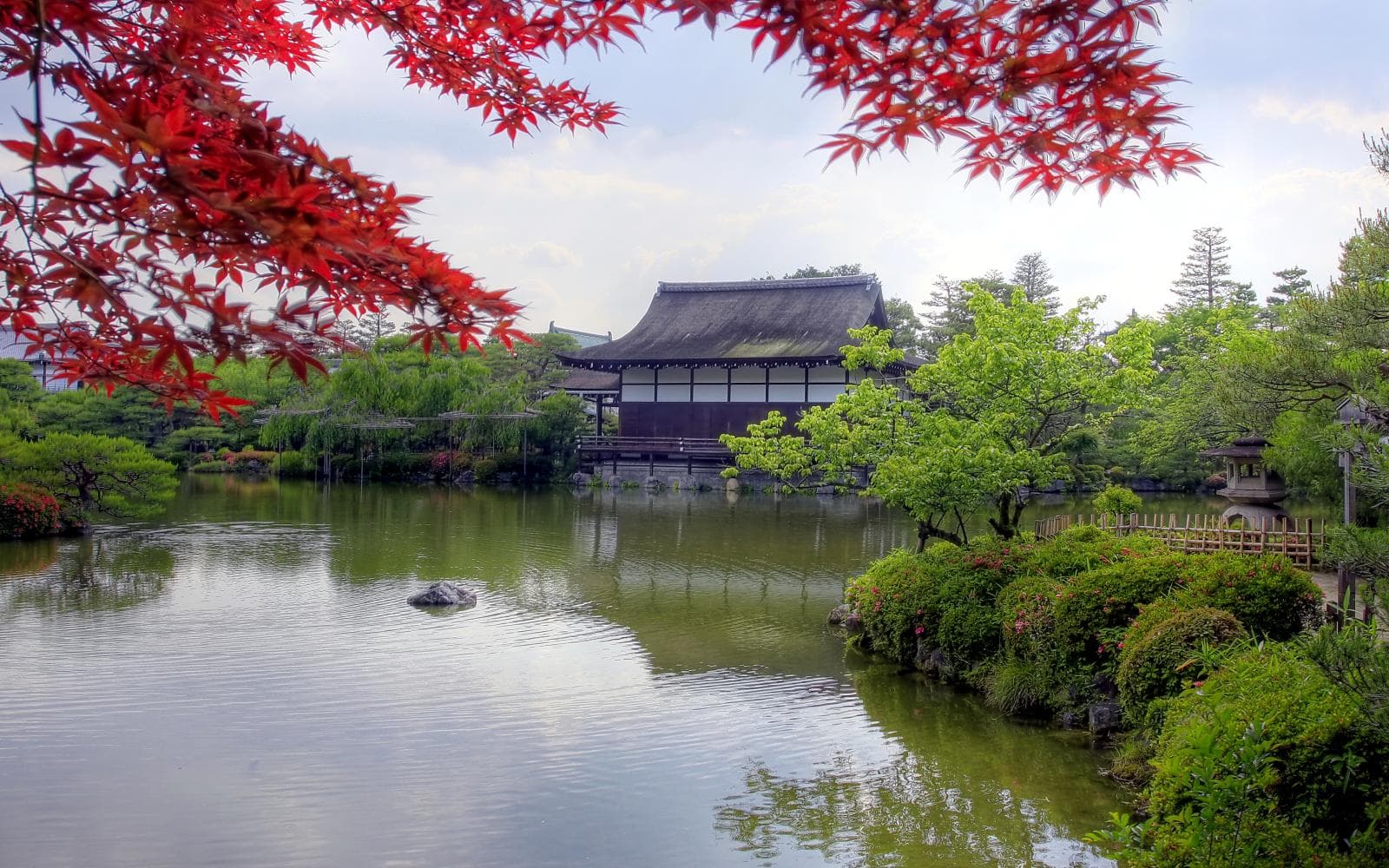
Heian Jingu Shrine
平安神宮 · Kyoto, Kyoto
A 5:8-scale reconstruction of Kyoto's ancient State Hall, where the shrine courtyard is free and the four landscape gardens are a separate visit.