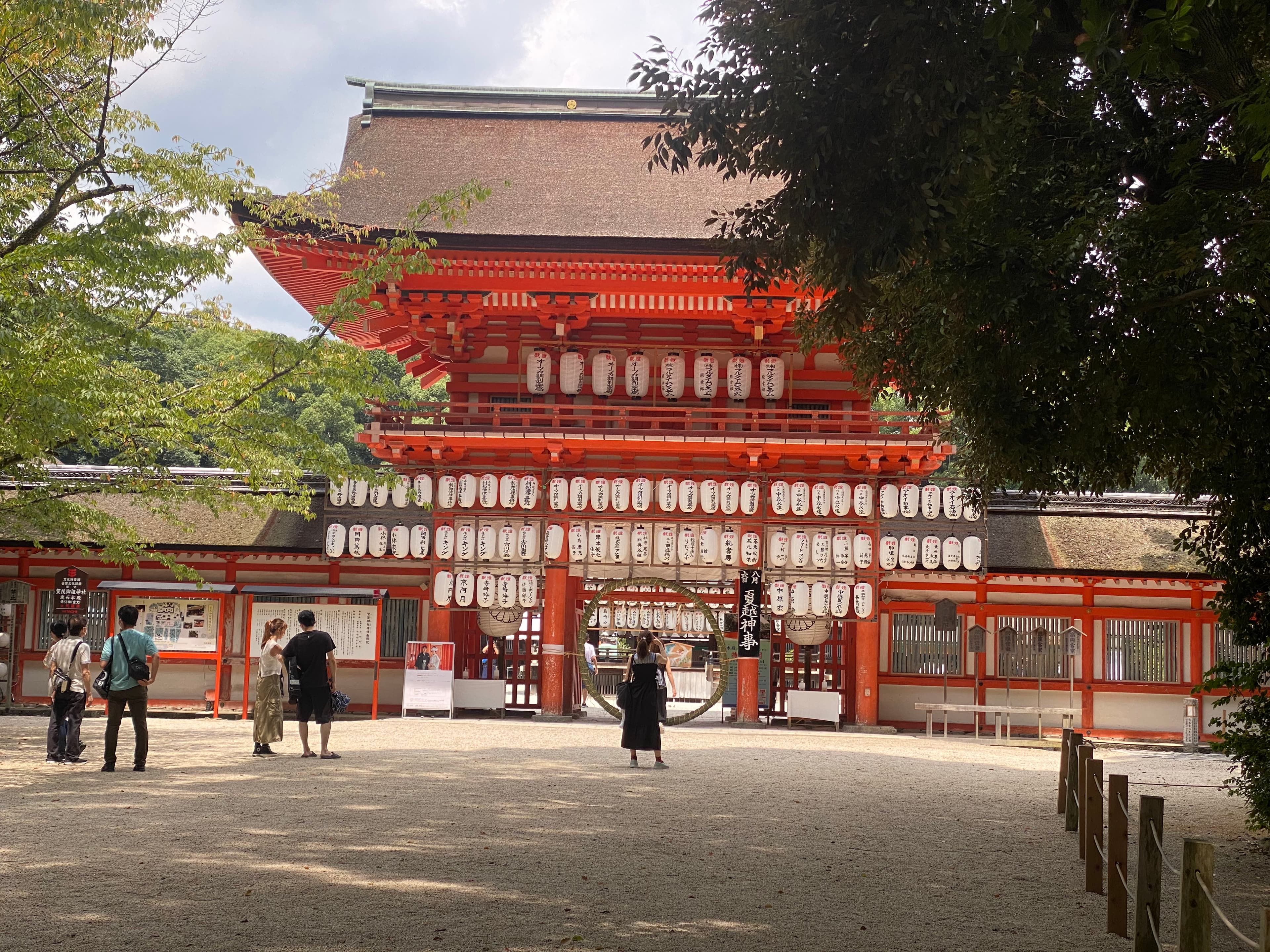
Shimogamo Shrine
賀茂御祖神社(下鴨神社)
Kyoto, Kyoto · Shinto shrine
A shrine reached through a twelve-hectare forest, where the most specific way to pray for a bond involves walking the same small shrine three times.
Shimogamo Shrine's formal name is Kamomioya-jinja. It stands where the Kamo and Takano Rivers meet, at the southern end of the Kamo shrines' old sacred landscape. The shrine describes its main deities as guardians who opened Kyoto and protected the city after the capital was established.
The approach is part of the visit. Tadasu-no-Mori is a twelve-hectare historic forest between the main sanctuary and Kawai Shrine, not a decorative strip around a building. The city describes it as retaining ancient vegetation, while the shrine presents the forest and its streams as part of the place's long religious life.
Come here for the main sanctuary, but leave time for the smaller places inside the grounds. Aioi-sha is where the shrine publishes a specific ema-and-circuit procedure for bonds; Kawai Shrine has its own mirror-shaped ema. Neither is a promise that a relationship or appearance will change. They are local ways of expressing a request within this shrine's tradition.
Which kami is enshrined here
- Kamo-Taketsunumi-no-Mikoto 賀茂建角身命
- Enshrined in the west hall. The shrine describes him as the deity who opened ancient Kyoto and as a guardian of the city; its tradition also identifies him with the guide Yatagarasu in the story of Emperor Jimmu's eastward expedition.
- Tamayorihime-no-Mikoto 玉依媛命
- Enshrined in the east hall. The shrine connects her to the story of the vermilion arrow found in the Kamo River and to longstanding local devotion for bonds, child-rearing and safe childbirth.
Take part
What you can actually do here
Aioi-sha: the ema circuit
The small Aioi-sha is the shrine's place for enmusubi, or bonds. Its own illustrated instruction sheet gives a local procedure for a bond-making ema; this is not a universal shrine custom.
1. At the offering counter beside Aioi-sha, take a bond-making ema and pay the ¥500 offering fee. Write your request at the desk.
2. Tie the ema's red-and-white cord firmly, then cover your request with the shrine's privacy sticker so others cannot read it.
3. Carry the ema around Aioi-sha twice. The shrine's illustrated directions say counter-clockwise for women and clockwise for men; when making the request on behalf of a child or grandchild, use the direction for the intended recipient.
4. During a third circuit, hang the ema's thin cord on the ema rack to offer it.
5. Return to the front of Aioi-sha and worship with two bows, two claps and one bow.
6. From the front of Renri no Sakaki, the joined sacred tree, pull the Miare-biki rope twice. The shrine's sheet treats that as the end of this particular visit.
The gendered directions above belong to Aioi-sha's own published illustration; do not carry them over to the main sanctuary or to other shrines.
Kawai Shrine: the mirror ema
Kawai Shrine is a subsidiary shrine inside the grounds. Its official page describes a mirror-shaped ema: visitors use their own cosmetics to draw the face they wish for, then write their request on the back. The shrine presents this as a prayer for beauty of both outer appearance and inner life. It is a participatory object, not a guarantee of an outcome.
Etiquette
Where this place differs
At the main sanctuary, use the ordinary Shinto sequence: two bows, two claps and one bow. The Aioi-sha ema circuit is a separate local instruction and does not replace the main sanctuary sequence.
The shrine's own Aioi-sha sheet gives different directions around that small shrine for women and men. Treat them as instructions for that place, not as a rule for shrine visits in general. Do not touch the joined tree, ropes or shrine buildings unless an instruction specifically asks you to handle an object.
New to this? Read the full worship sequence first.
Goshuin
Getting the seal here
The shrine's official amulet and goshuin guide gives reception as 9:00–16:30. It warns that some counters are exceptions and that festival events can change the hours.
The pages we checked do not state the regular goshuin fee or whether every design is written into a book or supplied on paper. Ask at the counter before paying. The ¥500 amount above is for the Aioi-sha ema, not for a goshuin.
Before you go
Mitarashi Festival is seasonal, not a daily activity. The shrine's 2026 notice dated the foot-purification festival 18–30 July 2026, with a ¥500 lantern offering for adults and hours of 9:00–20:00. Those dates have passed; check the shrine's current notice before planning around the Mitarashi Pond.
The shrine warns that its gate hours and counter arrangements can change for rituals and events. The forest is broad and the smaller shrines are reached on foot, so leave time to walk rather than treating the tower gate as the whole visit.
The Kyoto City special opening ended on 30 September 2026. Its notice listed Shusuisha and the former Jinguji site (Ryugaike) as closing at 16:00, with last entry at 15:30 during that event; those times are not a current daily schedule.
Map
Sources
This page draws on the following sources, most of them in Japanese.
Others people visit for the same reasons
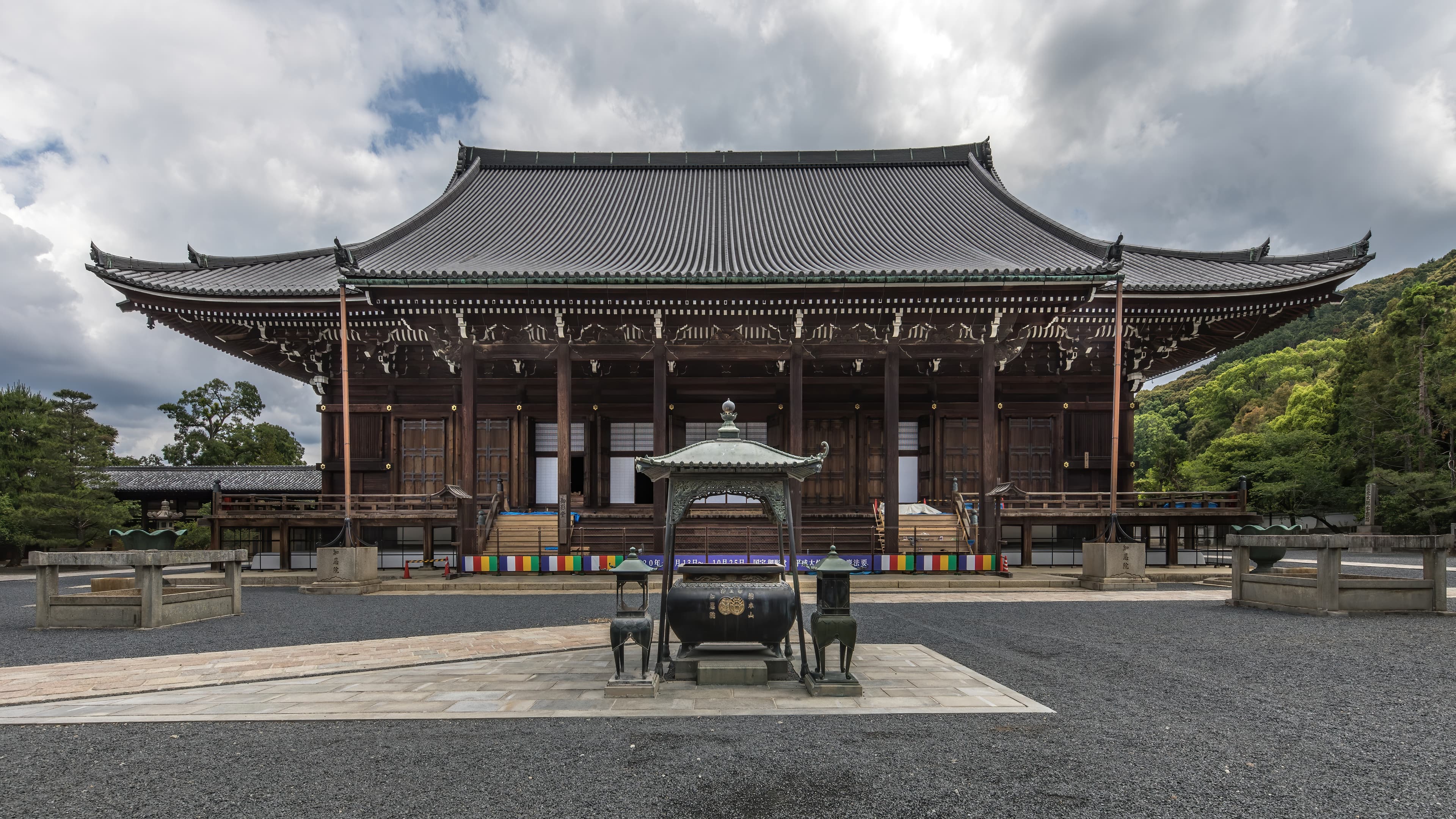
Chion-in Temple
知恩院 · Kyoto, Kyoto
Kyoto's Jōdo-shū headquarters, where a free visit to Hōnen's hall, a separate garden ticket and an exact Nembutsu practice form one useful route.
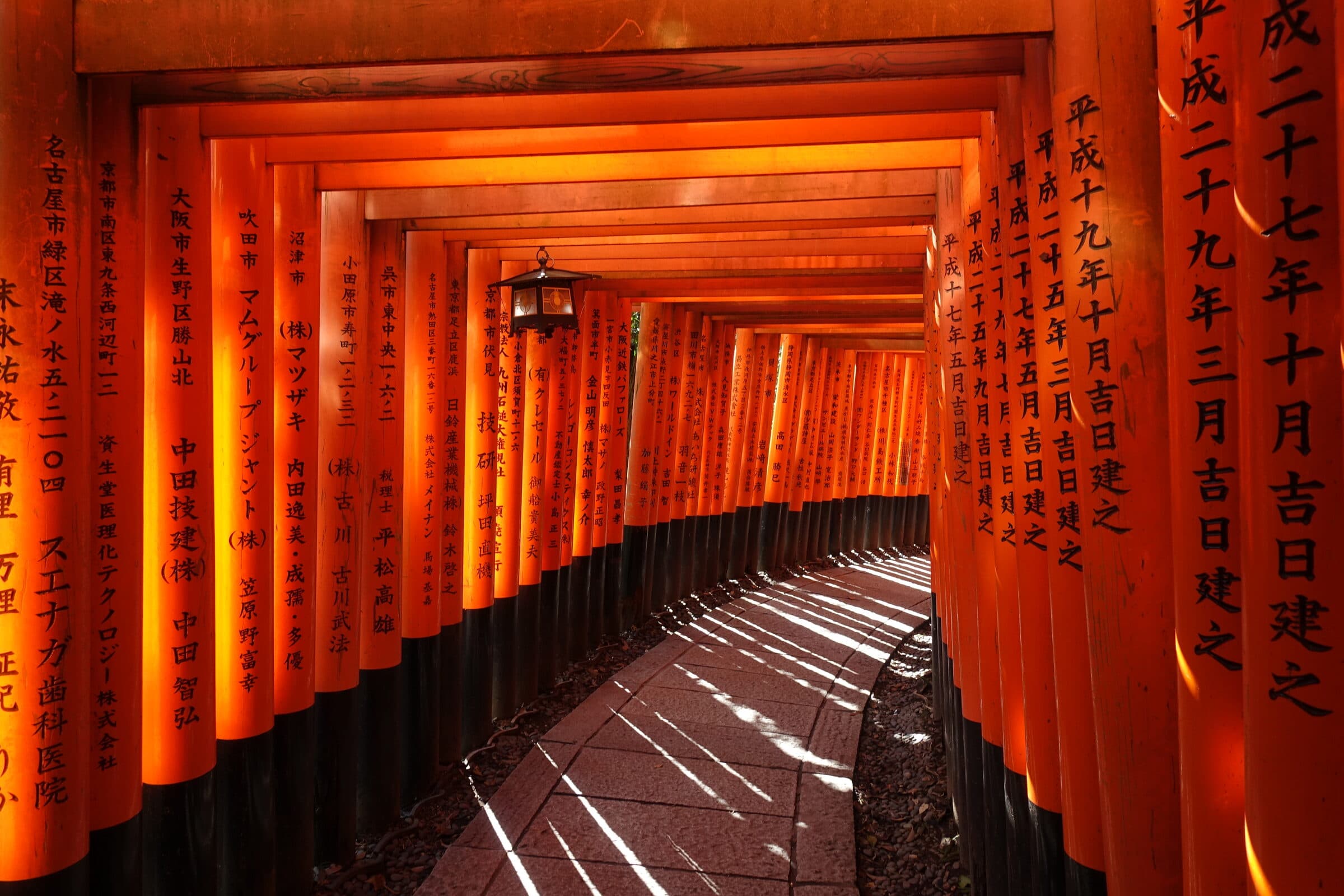
Fushimi Inari Taisha
伏見稲荷大社 · Fushimi, Kyoto
About ten thousand vermilion gates trace a tradition of dedication and gratitude to Inari.
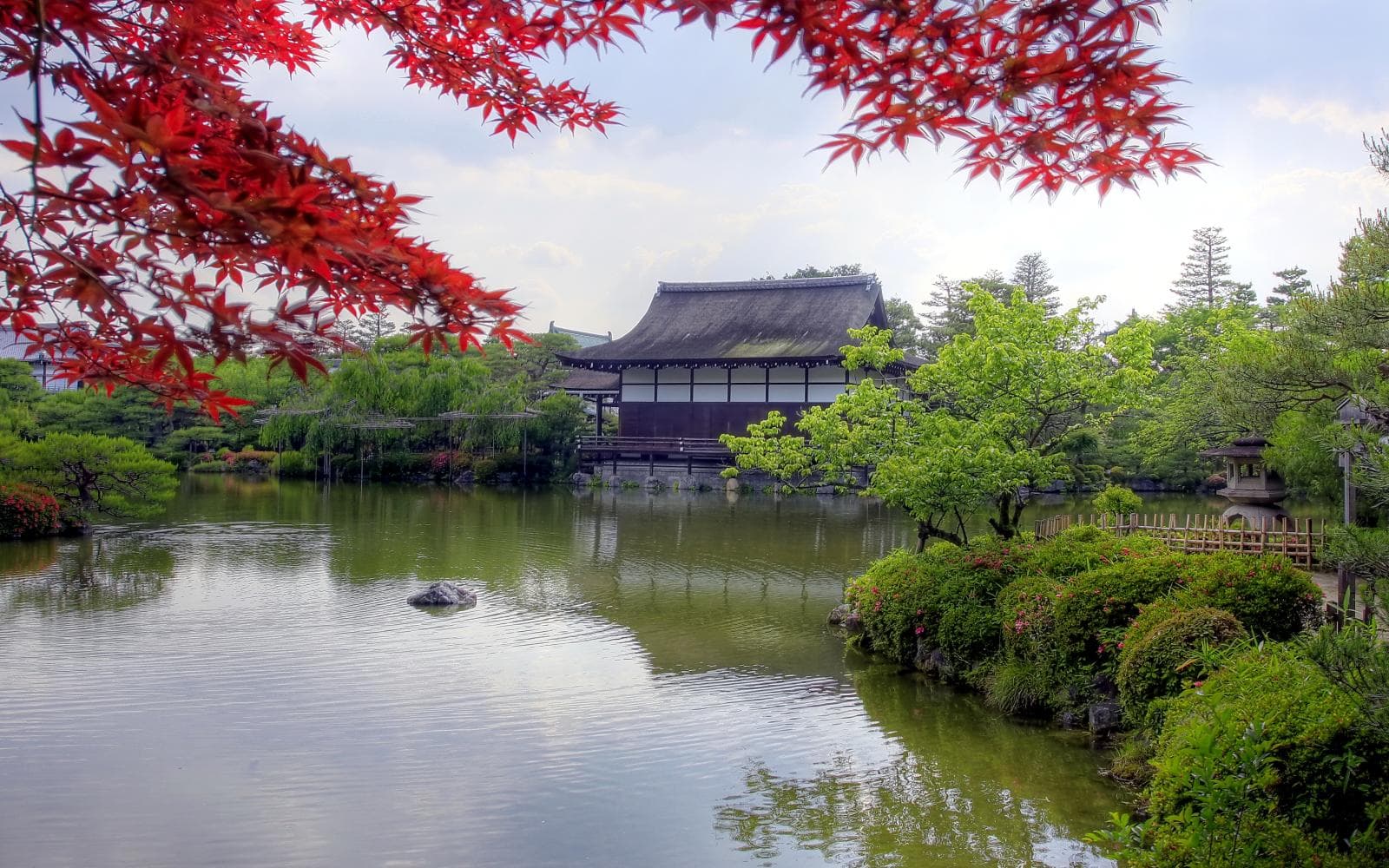
Heian Jingu Shrine
平安神宮 · Kyoto, Kyoto
A 5:8-scale reconstruction of Kyoto's ancient State Hall, where the shrine courtyard is free and the four landscape gardens are a separate visit.
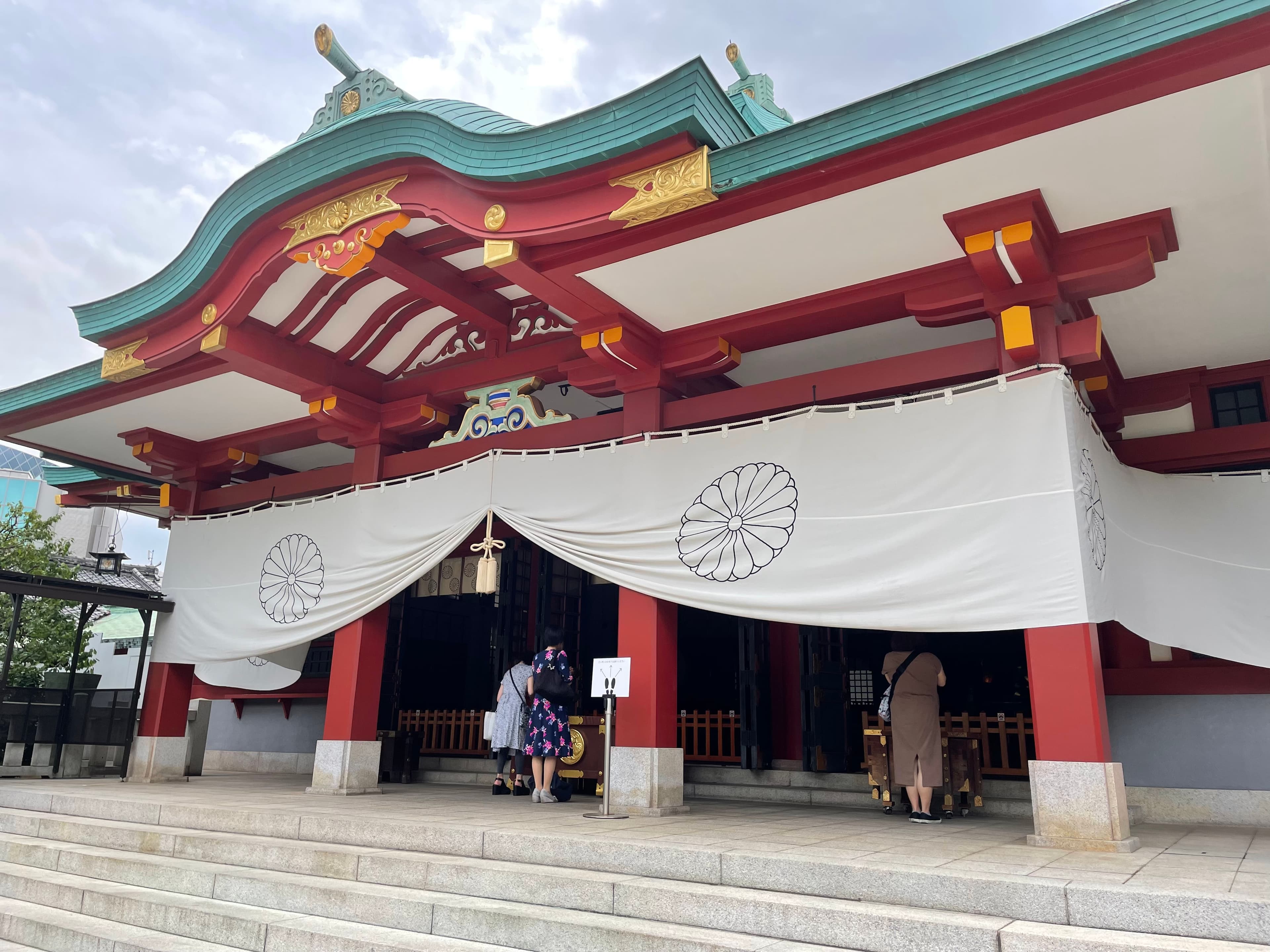
Hie Shrine
日枝神社 · Tokyo, Tokyo
A hilltop shrine in Nagatacho where the stairs, the escalator and the paired sacred monkeys are all part of the visit.