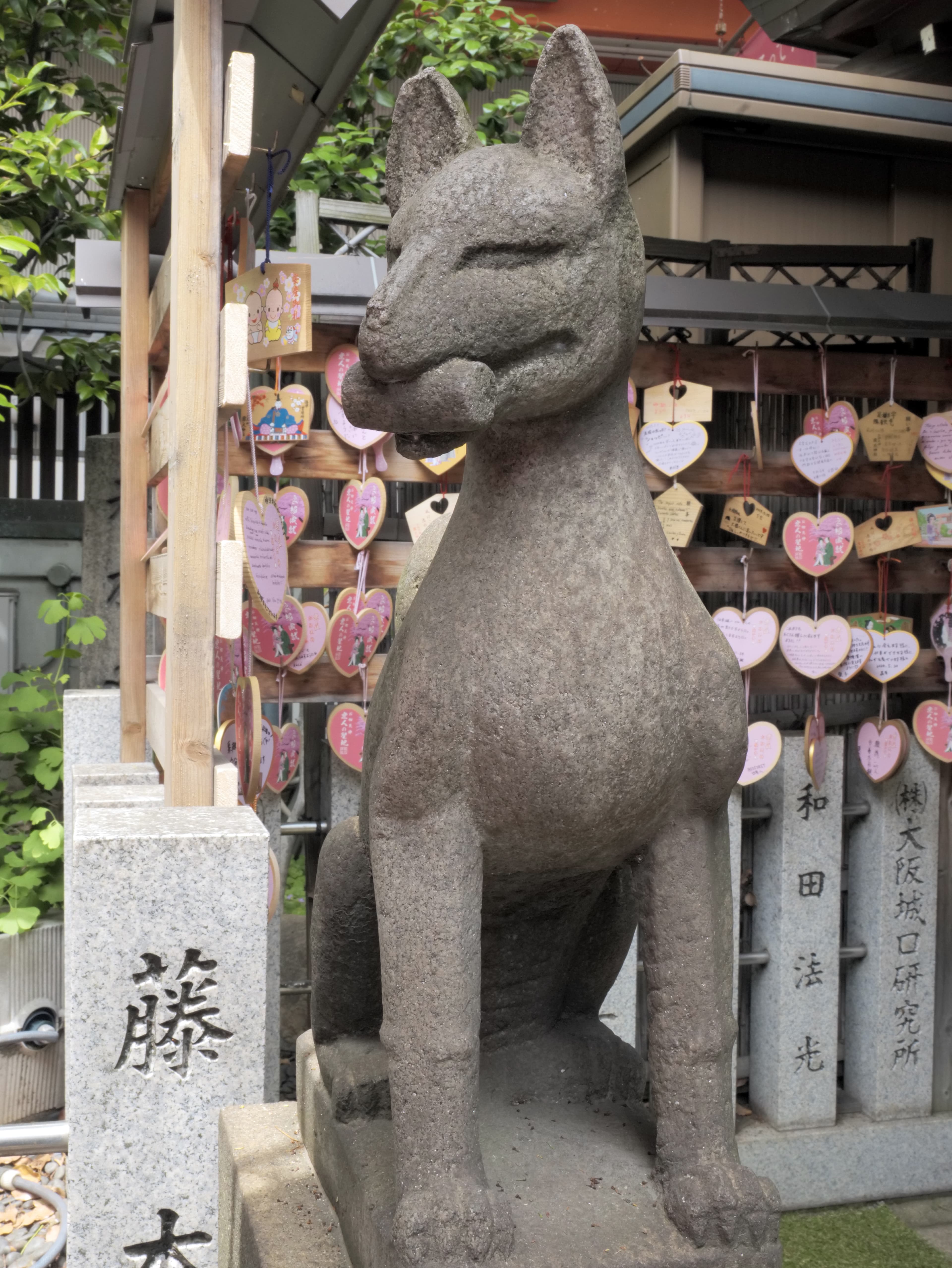
Tsuyu no Tenjinsha (Ohatsu Tenjin)
露天神社(お初天神)
Kita, Osaka · Shinto shrine
A small Osaka shrine hemmed in by izakaya, known for love — because two people really did die here in 1703, and Japan's greatest playwright wrote it down.
Tsuyu no Tenjinsha is a five-minute walk from Umeda, and it is surrounded on all sides by a dense drinking quarter that carries its nickname: Ohatsu Tenjin-dori.
The nickname comes from an event. In 1703, within this shrine's precinct, a courtesan named Ohatsu and a shop clerk named Tokubei died together in what was then called the Tenjin grove. Chikamatsu Monzaemon turned it into Sonezaki Shinju — The Love Suicides at Sonezaki — one of the foundational works of Japanese puppet theatre, and the shrine has been called Ohatsu Tenjin ever since. A bronze statue of the pair was put up in 2004 and is the focus of most visits.
This is worth holding onto, because the shrine is now marketed as a romantic destination and certified as a "Lovers' Sanctuary". Both things are true at once: it is a cheerful place to dedicate a heart-shaped plaque, and it is the site where two real people killed themselves because they could not be together. Visiting it purely as a date spot misses what the story was about.
Sugawara no Michizane is also enshrined here, so exam prayers are part of the ordinary business of the place.
Which kami is enshrined here
- Onamuchi-no-Okami 大己貴大神
- Okuninushi, the nation-building kami; matchmaking and good fortune.
- Sukunahikona-no-Okami 少彦名大神
- Kami of medicine and healing, and Onamuchi's partner in building the land.
- Amaterasu-Sumeokami 天照皇大神
- The sun goddess and imperial ancestral deity.
- Toyoukehime-no-Okami 豊受姫大神
- Kami of food, grain and sustenance.
- Sugawara no Michizane 菅原道真
- The deified Heian statesman and scholar; learning and passing examinations.
Take part
What you can actually do here
What you do here is dedicate something and, if you collect them, take a seal. The shrine's published items:
- En-musubi ema for a good match, ¥800
- Hand-mirror ema for matchmaking, ¥500
- Lovers' Sanctuary ema, ¥800
The shrine also runs a flea market on the first Friday and third Sunday of each month, which is a good reason to time a visit — it turns a small precinct into a neighbourhood event rather than a photo stop.
Etiquette
Where this place differs
Standard shrine sequence. The precinct stays open until midnight, and at night it is genuinely noisy — the surrounding streets are a drinking quarter and the shrine sits inside them.
New to this? Read the full worship sequence first.
Goshuin
Getting the seal here
Offered, and this shrine publishes its prices, which is rare:
- Tsuyu no Tenjinsha heart-shaped en-musubi design, and the Ohatsu Tenjin design: ¥1,000 each
- Cut-paper (kirie) version: ¥1,000
- Subsidiary shrines (Inari, Kotohira, Suitengu and others): ¥700 each
- Monthly and seasonal limited designs: ¥500, issued as sticker sheets, and they run out towards the end of the month
- Goshuincho ¥2,000–2,500, with the inscription charged separately at ¥500
Office hours are 9:00–18:00. Direct inscription into your own book is done, but the shrine notes it is sometimes unavailable depending on its duties on the day — so do not count on it.
Before you go
After 18:00 the precinct and the statue are still there, but the office is shut — no goshuin, no amulets, no ema. If you want any of those, come during the day and treat the evening visit as a separate thing.
Limited-edition goshuin sell out before the month ends, and inscription into your book is not guaranteed on the day.
One third-party listing gives the precinct hours as 6:00–23:00; the shrine's own site says midnight. Trust the shrine.
Map
Sources
This entry was compiled from the following, most of them in Japanese.
Others people visit for the same reasons
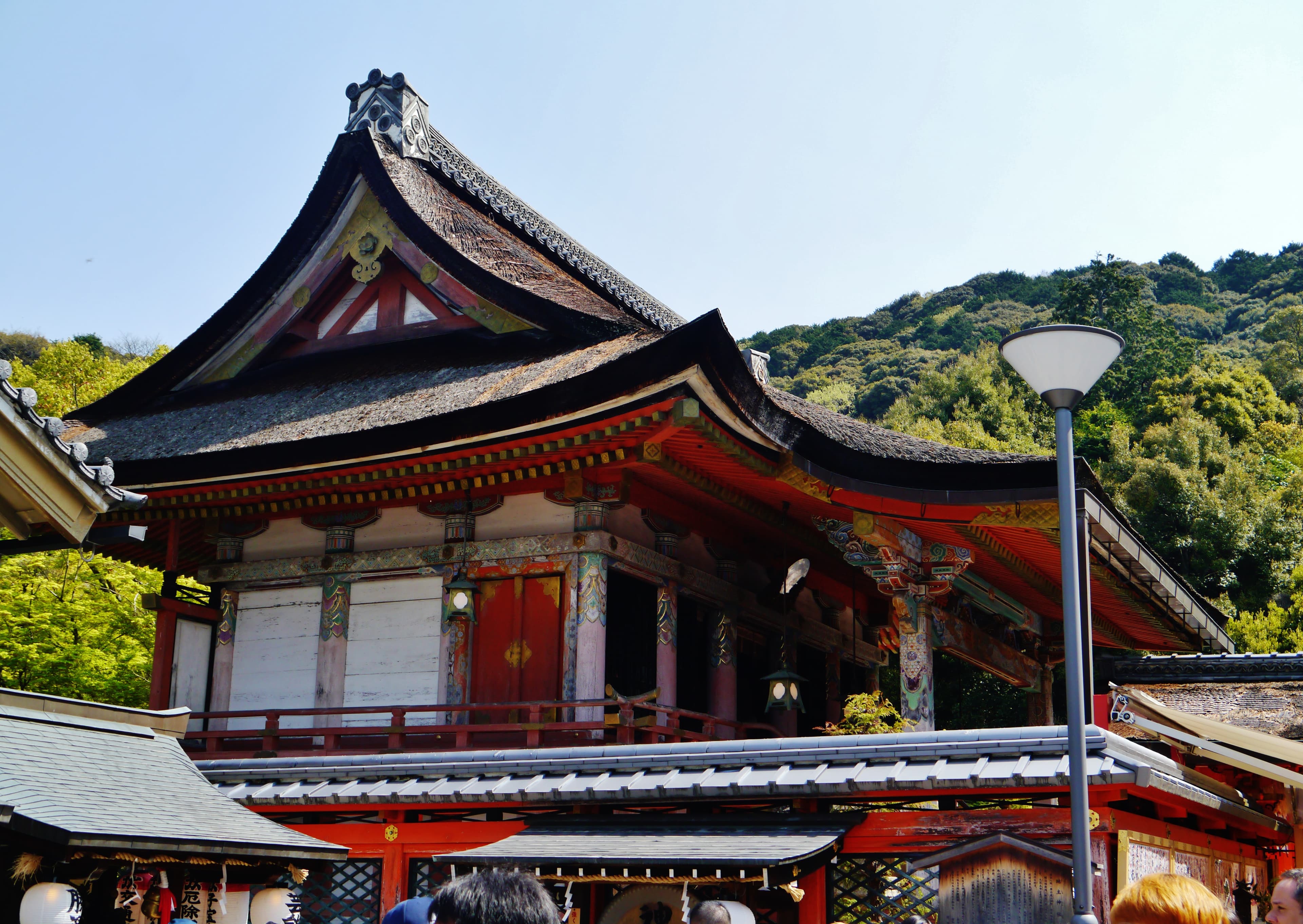
Jishu Jinja
closed地主神社 · Higashiyama, Kyoto
Kyoto's famous love-stone shrine inside Kiyomizu-dera — closed since 2022, with no reopening date, and still listed as open almost everywhere in English.
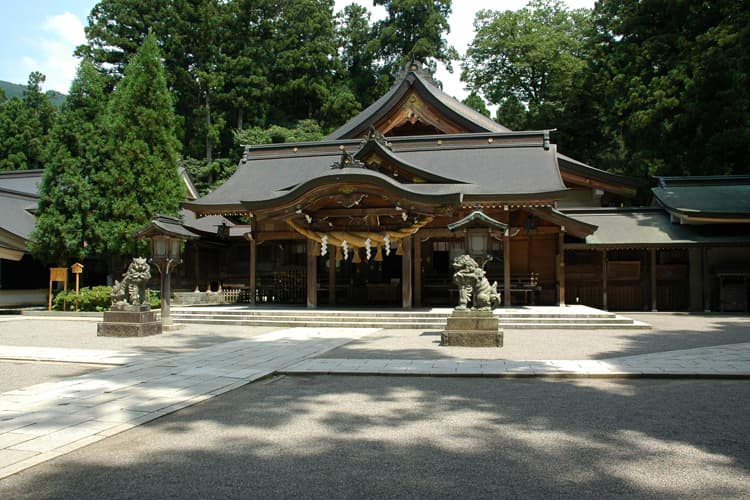
Shirayama Hime Jinja
白山比咩神社 · Hakusan, Ishikawa
Head shrine of some three thousand Hakusan shrines, at the foot of a sacred mountain — and one of the few places that still offers misogi, cold-water ablution, as a standing rite.
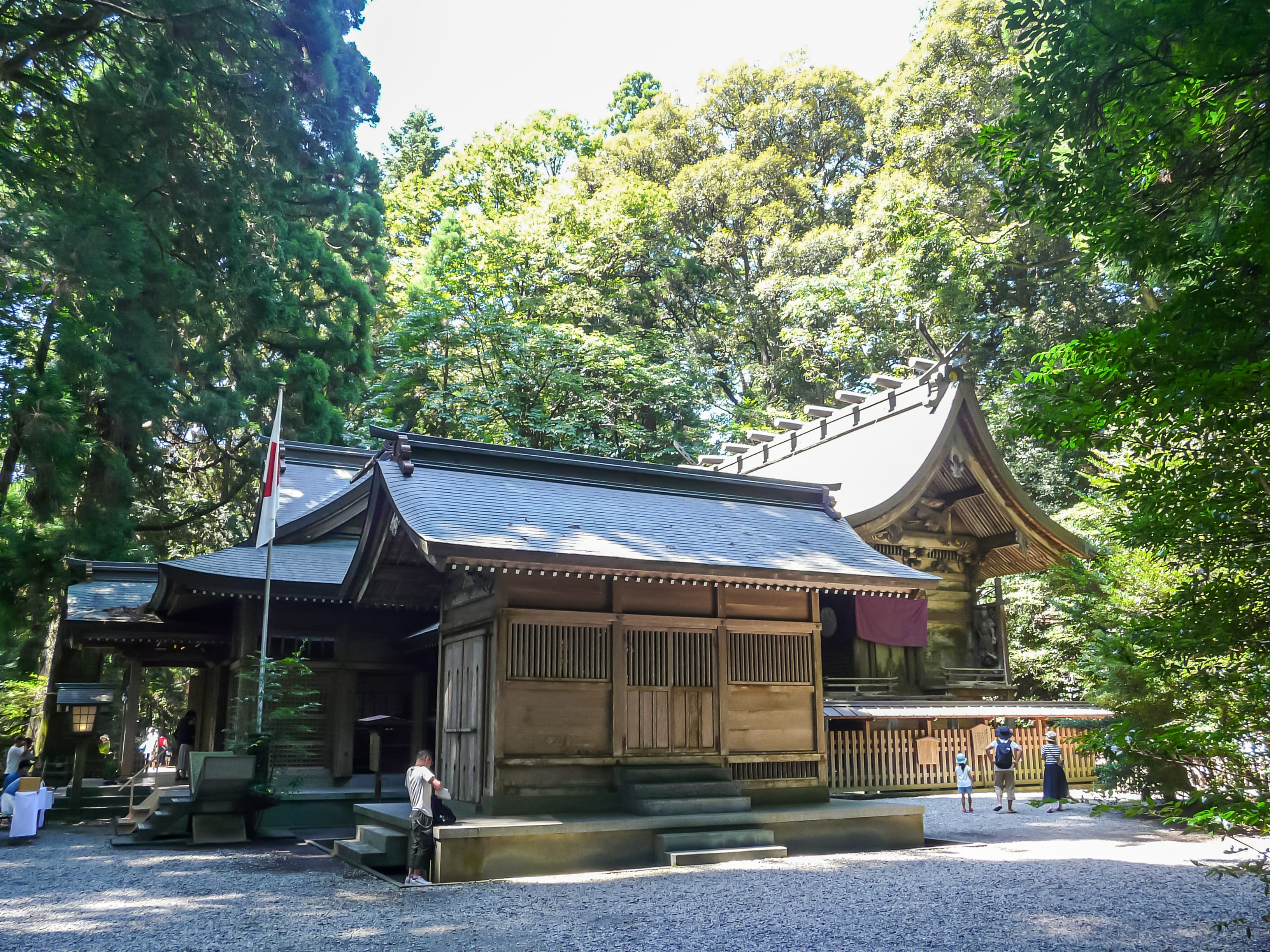
Takachiho Jinja
高千穂神社 · Takachiho, Miyazaki
The head shrine of Takachiho's eighty-eight shrines, where four kagura dances are performed for visitors every night of the year at eight o'clock.
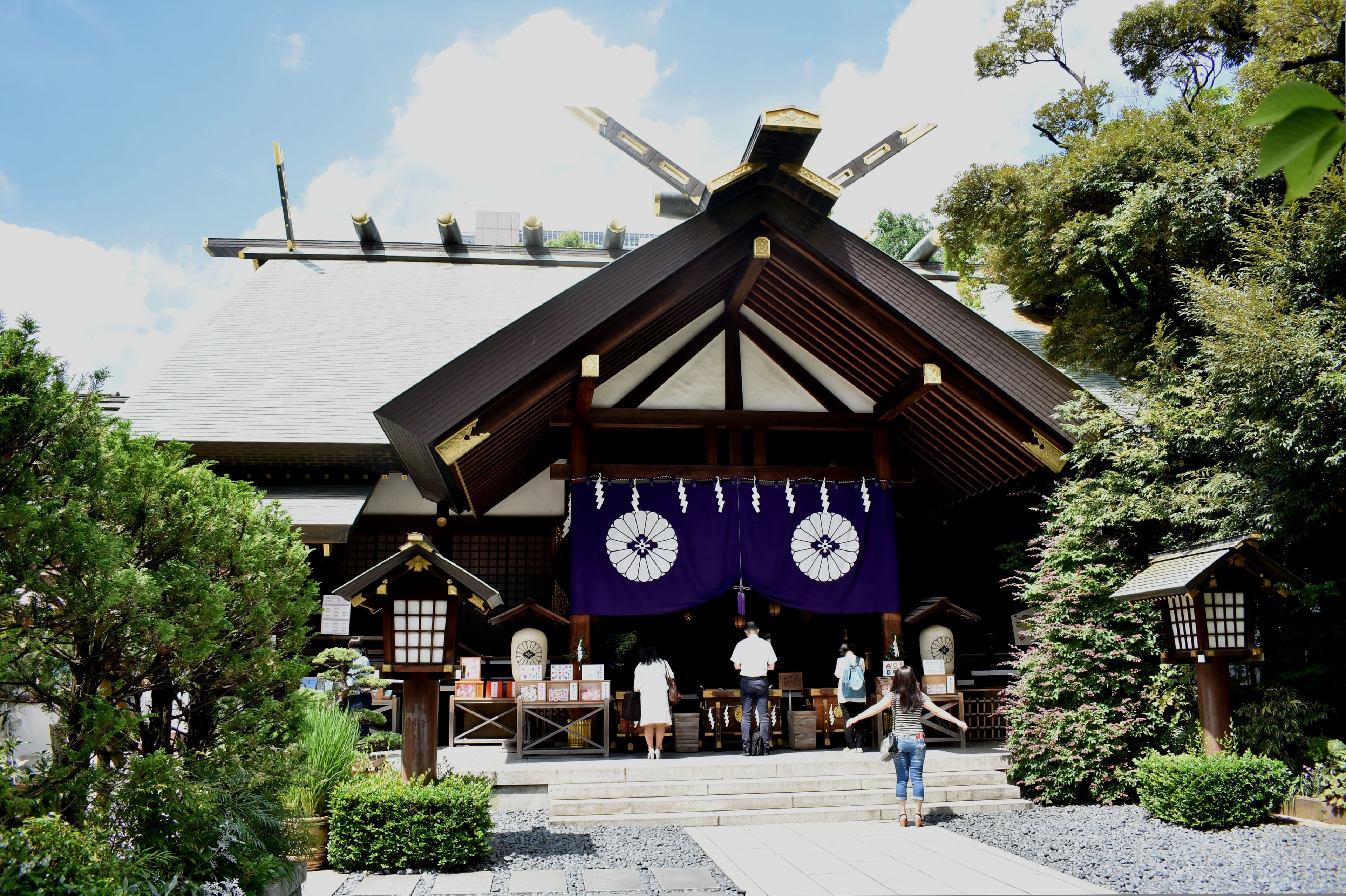
Tokyo Daijingu
東京大神宮 · Chiyoda, Tokyo
Tokyo's stand-in for Ise, and the shrine that invented the modern Shinto wedding — now the busiest place in the city to ask for a partner.