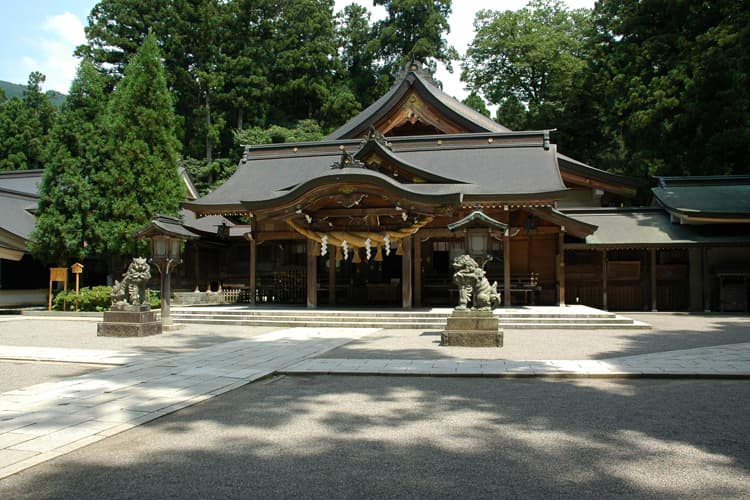
Shirayama Hime Jinja
白山比咩神社
Hakusan, Ishikawa · Shinto shrine
Head shrine of some three thousand Hakusan shrines, at the foot of a sacred mountain — and one of the few places that still offers misogi, cold-water ablution, as a standing rite.
Shirayama Hime Jinja is the head shrine of roughly three thousand Hakusan shrines across Japan and the first shrine of the old province of Kaga. The deity is the mountain itself: Shirayama Hime Okami, identified with Kukurihime, the kami who mediated between Izanagi and Izanami in their quarrel — which is why she is venerated for reconciliation, for binding, and for matchmaking. That derivation is worth knowing, because it makes this a shrine about repairing relationships as much as beginning them.
The approach is part of the visit. A cedar-lined path of about 250 metres runs from a 6.4-metre stone torii to the hall. Most visitors arrive by car into the huge north car park and skip the whole thing, which is a shame — it is the intended entrance.
The inner shrine sits on Mount Hakusan's 2,702-metre summit and is a mountaineering objective, not part of a normal visit. Instead there is a distant-worship hall in the main precinct, from which you venerate the three peaks. Visitors sometimes conflate the two and plan something they cannot do in an afternoon.
Which kami is enshrined here
- Shirayama Hime Okami (Kukurihime-no-Kami) 白山比咩大神(菊理媛尊)
- The deified Mount Hakusan, identified with the kami who mediated between Izanagi and Izanami — hence reconciliation, binding and matchmaking.
- Izanagi-no-Mikoto 伊奘諾尊
- The male creator kami of the Japanese islands.
- Izanami-no-Mikoto 伊奘冉尊
- The female creator kami, his consort.
Take part
What you can actually do here
Misogi — ritual cold-water ablution. The shrine lists misogi among its standing offerings alongside life-passage rites, and its precinct map marks a dedicated misogi ground fed by Hakusan's underground spring water. A misogi hall and ground were established in 2006.
This is the rite specific to this shrine, and we want to be straight about the limits of what we could establish: the shrine does not publish how outside participants apply, on what dates, at what cost, what is worn, or whether visitors from abroad may take part. None of that is on its site. If you want to do this, telephone the shrine (076-272-0680) and arrange it — do not turn up assuming you can join.
Otsuitachi-mairi, worship on the first day of each month, is also a standing offering. Vehicle purification and Shinto weddings are conducted here too.
Etiquette
Where this place differs
Standard sequence. Misogi is a genuine ascetic practice, not a visitor attraction, and should be arranged rather than assumed.
New to this? Read the full worship sequence first.
Goshuin
Getting the seal here
Offered, 9:00–17:00, ¥300, written directly into your book — not a pre-written sheet. Bring a real goshuincho.
The shrine has several distribution points across the precinct plus a general information centre; go to the seal desk rather than the nearest counter.
Note that these details come from the Hakusan City tourism association rather than the shrine, which publishes no goshuin information of its own.
Before you go
This is not a Kyoto-style half-hour stop. From Kanazawa it is roughly an hour across two railway companies, and the last leg from Tsurugi Station is a thirty-minute walk with limited buses. Budget half a day.
If you drive, park at the main approach, not the north lot. The north lot is much larger and drops you past the cedar path entirely.
The shrine's news index would not load for us, so any short-term suspension announced there is unverified.
Map
Sources
This entry was compiled from the following, most of them in Japanese.
Others people visit for the same reasons
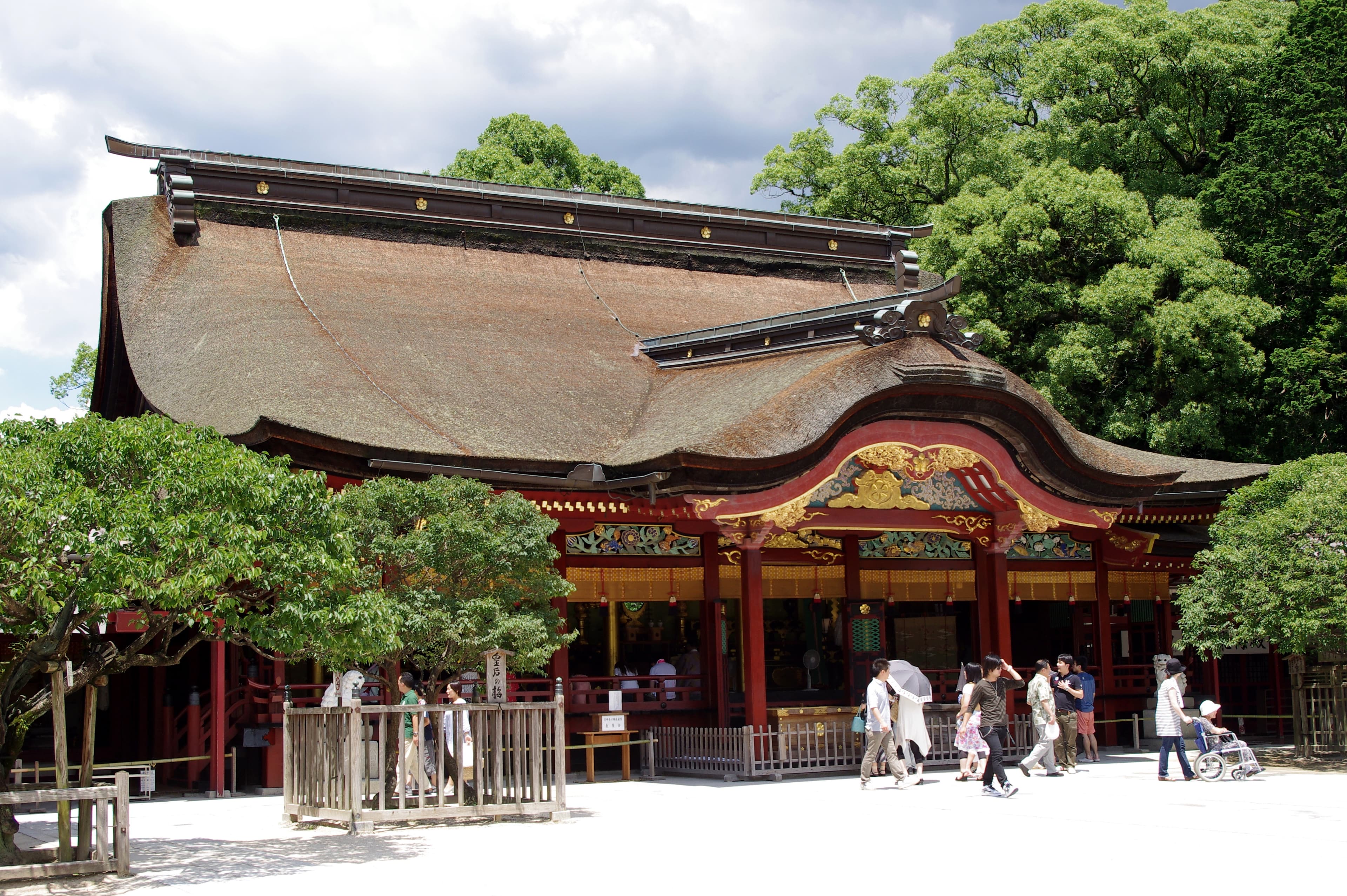
Dazaifu Tenmangu
partial太宰府天満宮 · Dazaifu, Fukuoka
The head shrine of every Tenmangu in Japan, built over the grave of an exiled scholar — and currently mid-way through the end of a 124-year restoration.
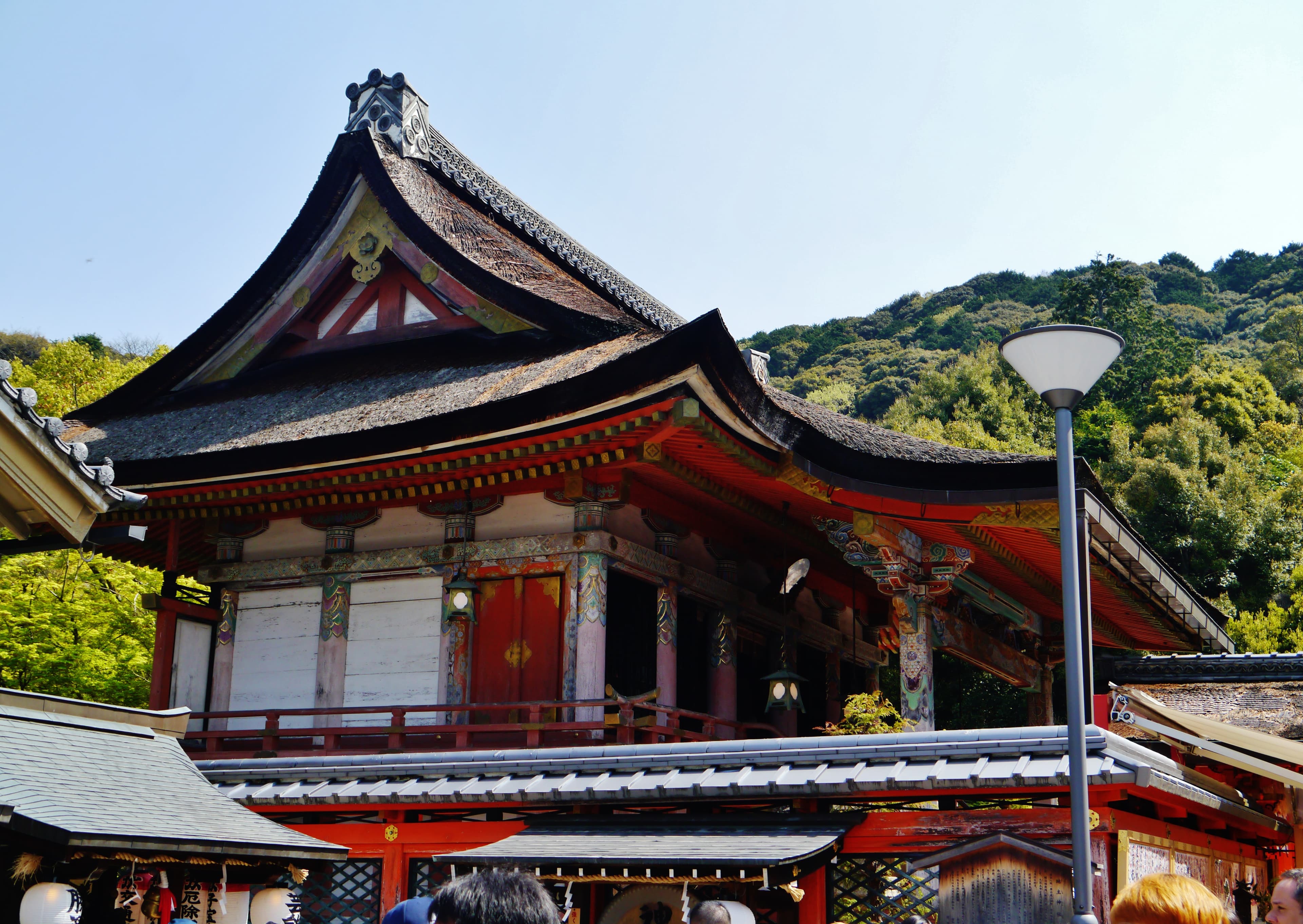
Jishu Jinja
closed地主神社 · Higashiyama, Kyoto
Kyoto's famous love-stone shrine inside Kiyomizu-dera — closed since 2022, with no reopening date, and still listed as open almost everywhere in English.
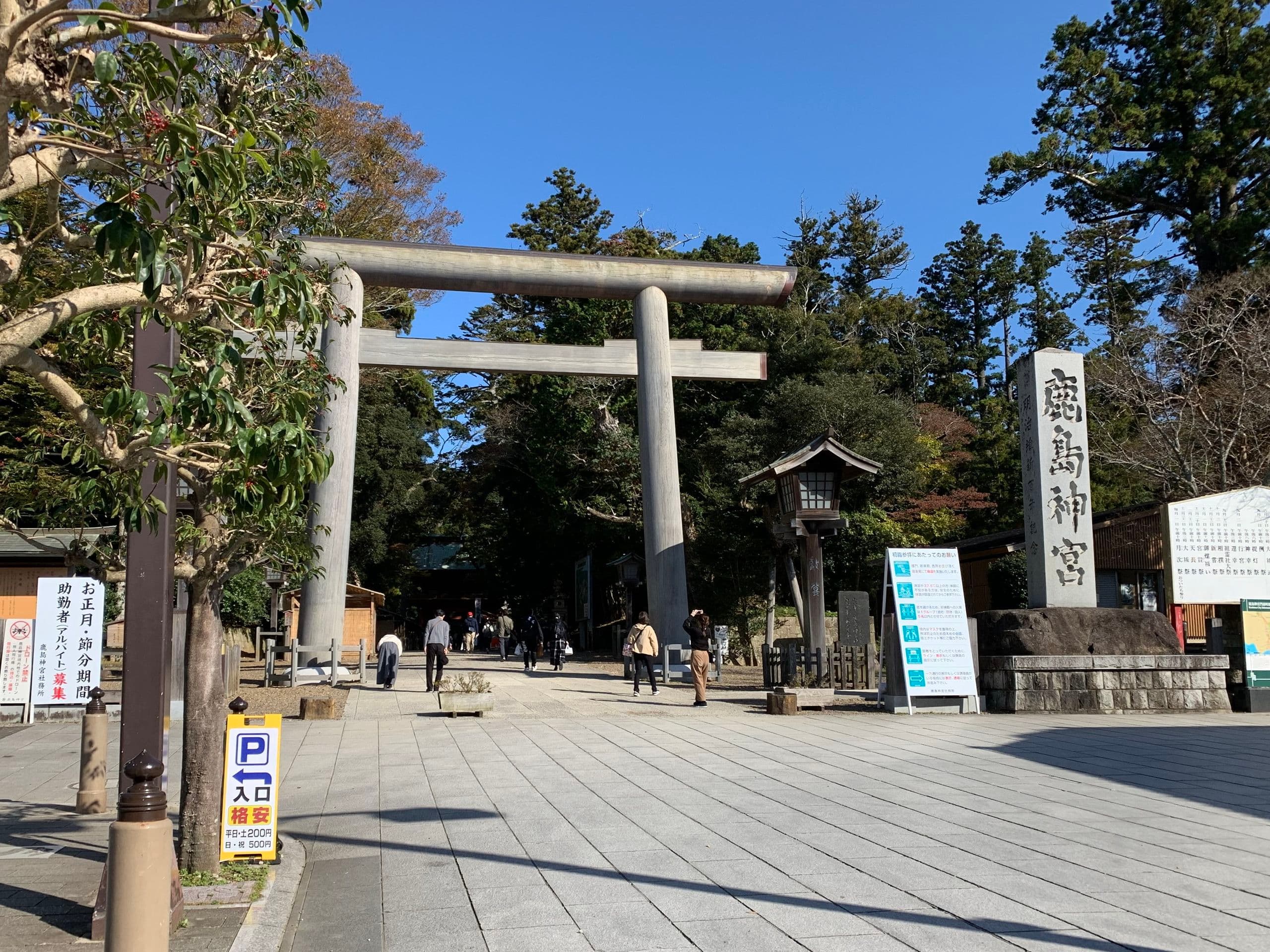
Kashima Jingu
partial鹿島神宮 · Kashima, Ibaraki
A vast forest shrine to the sword-and-thunder kami, where a stone said to pin down the earthquake catfish sits at the end of a 700-metre cedar path.
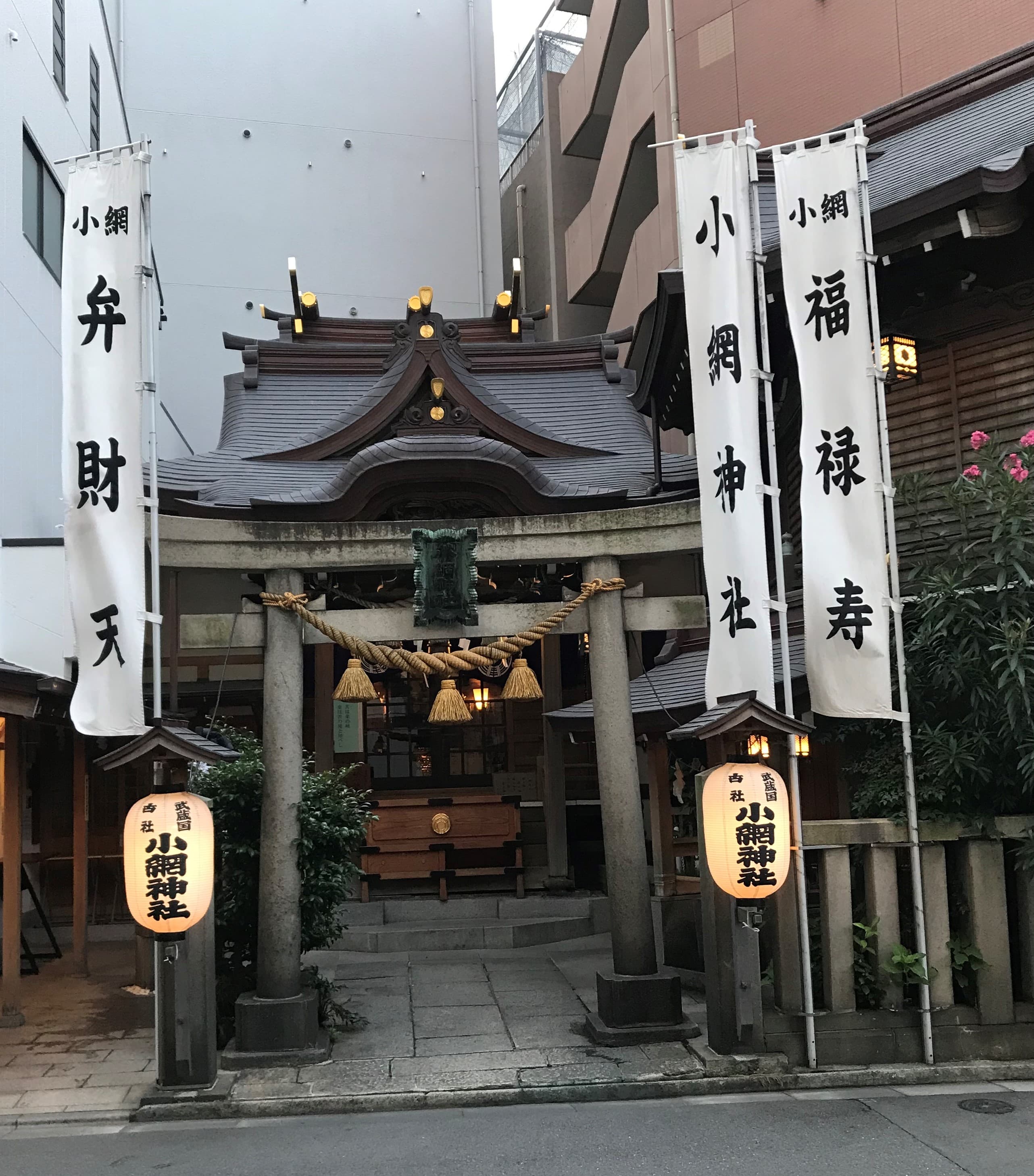
Koami Jinja
小網神社 · Chuo, Tokyo
A tiny Nihonbashi shrine with a reputation for strong luck built on two documented survivals — and a coin-washing well that is the reason most people come.