Tenryu-ji Temple
天龍寺
Kyoto, Kyoto · Buddhist temple
Arashiyama's Rinzai Zen head temple, where the garden, halls and Cloud Dragon each have a different ticket—and the one meditation gathering open to beginners is free.
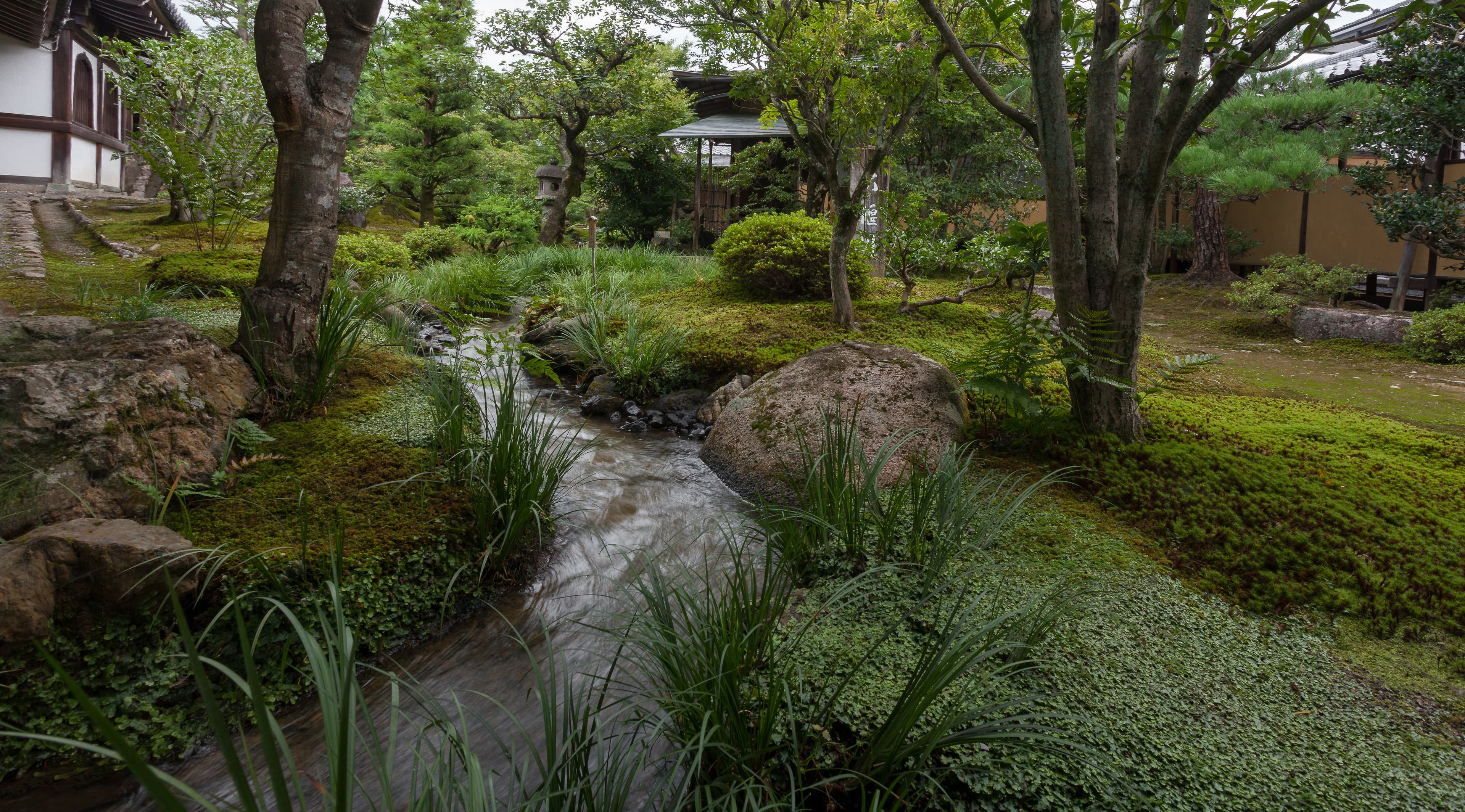
Tenryu-ji is the head temple of the Tenryu-ji branch of Rinzai Zen Buddhism in Saga-Arashiyama. It was established in 1339 by Ashikaga Takauji to honour Emperor Go-Daigo, with the Zen master Musō Soseki as founding abbot. Kyoto City describes the Sogenchi Garden as a surviving work associated with Musō and part of the “Historic Monuments of Ancient Kyoto” World Heritage property.
The practical visit has three separate layers. The Sogenchi Garden and Hyakka'en are the main landscape ticket. The garden-and-buildings ticket adds the Daihojo, Shoin and Tahoden. The Hatto (Dharma Hall) and its Cloud Dragon painting require another ticket, and the hall is normally open on Saturdays, Sundays and holidays, with daily openings during designated spring and autumn periods.
The temple is still a Zen institution rather than an empty garden. The official English events page invites beginners to the monthly zazenkai at Yu'un-an, with one hour of meditation followed by a Zen lecture. It also says that the training monastery, Sōdō, is closed to the public.
Who is enshrined here
- Shakyamuni Buddha 釈迦如来
- The Buddha image on the altar of the Daihojo, and also the central image in the Hatto with Manjusri and Samantabhadra as chief bodhisattva attendants.
- Muso Soseki 夢窓疎石
- The founding abbot of Tenryu-ji and the Zen master associated with the design of the Sogenchi Garden. He is a historical teacher, not a kami.
- Emperor Go-Daigo 後醍醐天皇
- The emperor whom Ashikaga Takauji established Tenryu-ji to honour. His statue is enshrined in the Tahoden, a separate hall at the far end of the garden route.
Take part
What you can actually do here
Pay for the landscape and the halls separately
Begin with the Sogenchi Garden and its pond. The garden was laid out by Musō Soseki and keeps the hills of Arashiyama as borrowed scenery. The garden ticket does not automatically include the interior halls: adding the Daihojo, Shoin and Tahoden costs ¥300 more. The Cloud Dragon in the Hatto is a separate ¥500 visit, received at the west side of the hall when that opening is running.
Sit at the monthly zazenkai
The official English events page lists a zazenkai at Yu'un-an on the second Sunday of each month, except February, July and August. It runs from 9:00–10:00, is free for individual participants, needs no appointment and welcomes beginners. A Zen lecture follows at the same venue. This is the clearest published way for a first-time English-speaking visitor to take part in a living practice here.
The temple also accepts shakyo by telephone appointment: arrive between 9:30 and 14:30, finish by 16:30, and pay ¥1,800, including admission and materials. The official page does not describe the appointment as an English-language service, so arrange it only if the temple confirms that communication is possible.
Do not treat the Cloud Dragon as a permanent exhibit
The Hatto painting is the famous visual stop, but its public opening follows a separate calendar. The 2026 autumn exhibition is listed for 19 September–6 December, daily, with a separate ¥500 admission. Outside a designated period, the normal rule is Saturdays, Sundays and holidays.
Etiquette
Where this place differs
This is a Rinzai Zen temple. The official visitor guidance separates the landscape ticket, interior halls, Hatto and training monastery; follow the current route and do not enter the Sōdō, which is closed to the public. For the monthly zazenkai, beginners are welcome without an appointment, but the meditation and lecture follow the temple's own schedule and instructions.
The published visitor pages do not give a general tourist worship formula. Treat the halls as religious interiors: keep quiet, follow the signs and attendants, and do not turn the meditation gathering into a photo session.
New to this? Read the full worship sequence first.
Goshuin
Getting the seal here
The official Tenryu-ji pages checked — Japanese and English home, admission, precincts and events — do not publish a current goshuin counter, reception time, fee, writing method or paper-seal rule.
Ask at the temple office or the counter on the day. The ¥500 Hatto admission is an entry ticket for the Cloud Dragon painting, not a confirmed goshuin price, and the garden ticket does not establish a goshuin arrangement.
Before you go
The Cloud Dragon calendar changes the route and fee. The official 2026 calendar lists a daily autumn exhibition from 19 September to 6 December; outside special periods the Hatto is normally open on Saturdays, Sundays and holidays. The Hatto ticket is separate from the garden and buildings ticket.
The temple lists building closures around the annual Founder’s Day ceremonies on 29–30 October 2026, and the garden's special early opening runs 14–30 November 2026 from 7:30. Confirm the current notice before travelling because halls can close for ceremonies without notice.
The Sōdō is a training monastery closed to the public. The official pages checked do not publish a current goshuin arrangement, and no English-language condition is published for shakyo appointments; ask the temple directly before making a plan around either item.
Map
Sources
This page draws on the following sources, most of them in Japanese.
- 天龍寺 — 公式サイト
- Tenryu-ji — official English site
- 天龍寺 — 参拝・交通案内
- Tenryu-ji — Admission and Access
- 天龍寺 — 境内・山内案内
- Tenryu-ji — What to See
- 天龍寺 — 行事案内
- Tenryu-ji — Activities and Events
- Tenryu-ji — 2026 Special Events Calendar
- Tenryu-ji — The Cloud Dragon Painting
- 天龍寺 — 公式Instagram
- 京都市公式 京都観光Navi — 天龍寺
- 京都市 — 世界遺産 天龍寺
- Kyoto Travel — Tenryu-ji Temple
- 天龍寺 — Wikidata(座標・別名照合)