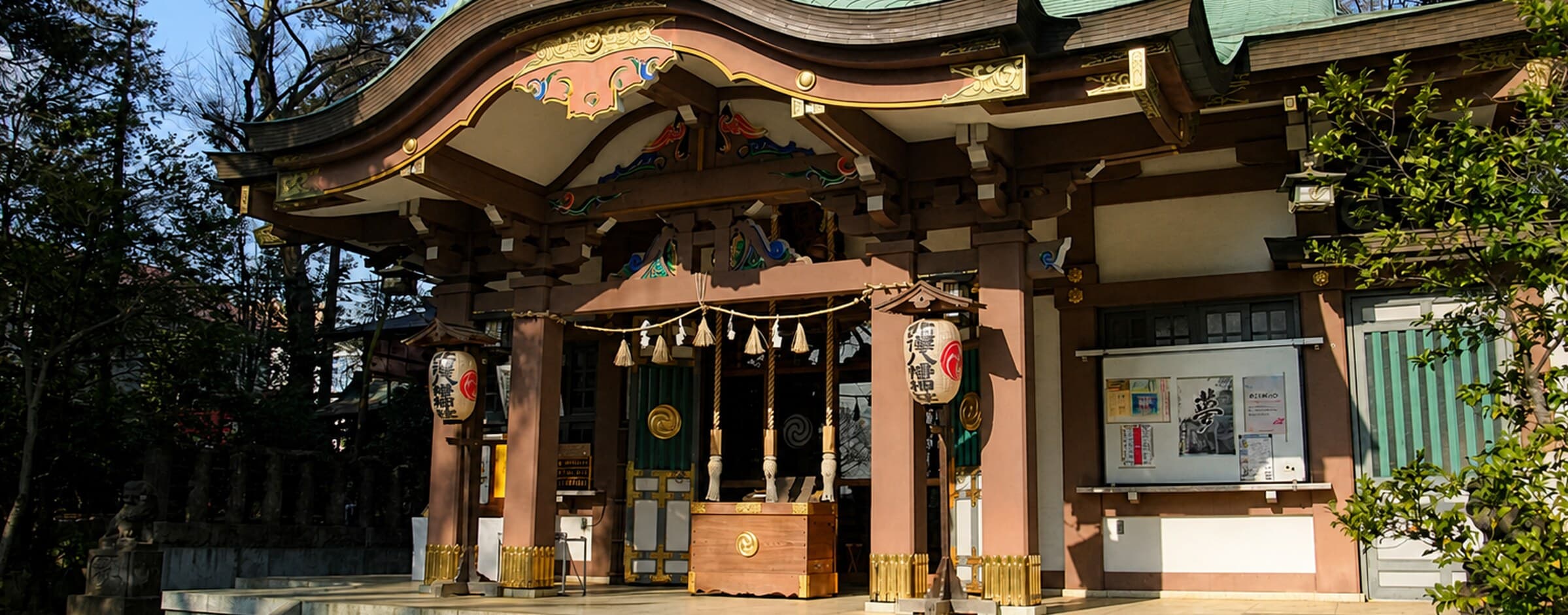
Kitazawa Hachiman Jinja
北澤八幡神社
Setagaya, Tokyo · Shinto shrine
Shimokitazawa's guardian shrine, where an old neighborhood mikoshi system, a Fuji worship platform and the district's performing-arts culture occupy the same hillside.
Kitazawa Hachiman Jinja began as a place where villagers prayed for the harvest. In the mid-Muromachi period, during the Bunmei era (1469–1487), the Kira family who held Setagaya is said to have invited Hachiman here to guard the north-east — the traditionally vulnerable direction — of Setagaya Castle. The shrine grew as the guardian of the seven old -sawa districts around it.
The current worship hall was rebuilt in 1978. Beside it, the large kagura stage dates to 1893 and was modelled on the dance stage at Tsurugaoka Hachimangu in Kamakura. That stage still matters. Shimokitazawa is now known for theatre and music, and the shrine's own festival site says that more people from the performing arts have begun coming here to pray.
This is a local shrine rather than a monument assembled for visitors. Its annual festival still works through neighborhood groups: more than twenty mikoshi and drums enter together, and every few years the shrine's own much larger mikoshi also travels. The important thing is not to arrive expecting a show put on for spectators. The neighborhood is doing its own worship, and visitors are being allowed to stand close to it.
Which kami is enshrined here
- Hondawake-no-Mikoto (Emperor Ojin) 誉田別命(応神天皇)
- The emperor traditionally identified with Hachiman. The shrine's official festival page lists him first among the enshrined deities.
- Hime-no-Kami 比売神
- A female Hachiman deity named by the shrine; the page does not identify her more narrowly, so neither do we.
- Empress Jingu 神功皇后
- The legendary imperial consort associated with the Hachiman tradition.
- Emperor Nintoku 仁徳天皇
- The emperor named as the fourth main deity on the shrine's official festival page.
Take part
What you can actually do here
Face Mount Fuji without leaving Tokyo
On a clear winter day you can see Mount Fuji from the precinct. In 2018, for the 550th-anniversary works, the shrine gathered pieces of Fuji lava that had long been placed around the grounds and built a dedicated Fuji worship platform. Stand there facing the mountain. This is yohai — worship directed towards a sacred place from afar — not a viewing deck added only for the photograph.
Join the festival through the neighborhood, not by walking into the office
The 2026 festival took place on Saturday 5 and Sunday 6 September. The main rite began at 14:30 on Sunday, after children's and adults' mikoshi had set out. The official notices invited children to join some neighborhood processions and explained that adults who wanted to carry should contact the relevant mutsumi-kai neighborhood group rather than the shrine office; the organizing groups handled carriers, clothing and routes.
Visitors who watched were asked to leave the approach open when the mikoshi entered. The narrow hillside precinct was working ritual space at that moment, not a parade grandstand.
Etiquette
Where this place differs
Standard shrine sequence: two bows, two claps, one bow. There is no separately published Kitazawa-specific sequence.
At the Fuji worship platform, face the mountain's direction and bow rather than treating the lava stones as a photo prop. During the festival, follow the route marshals and the neighborhood groups; joining a procession and entering the formal rite are not the same thing.
New to this? Read the full worship sequence first.
Goshuin
Getting the seal here
Goshuin reception is 10:00–16:00. Designs and prices are published month by month rather than as a permanent catalogue.
For September 2026, the official page lists the monthly seal at ¥1,000 and the Yannoka Neko 2 reconstruction-support seal at ¥1,300. It does not state whether either is written directly into your book or supplied as a pre-written sheet. Check the current month's image before visiting, because the designs and amounts can change.
Before you go
The 2026 festival took place on 5–6 September. The shrine's homepage reported on 7 September that the festival had been carried out successfully. Road restrictions and temporary bicycle parking applied around the shrine during those two days and are no longer current access instructions.
The best Fuji view is conditional. The shrine itself says it is visible on clear winter days. Do not build a summer visit around seeing the mountain.
The festival site's programme was marked current as of 1 September 2026 and warned that the order, times or performances could change or be cancelled without notice. It is historical context now; check the shrine's current notices for a later visit.
Map
Sources
This page draws on the following sources, most of them in Japanese.
Others people visit for the same reasons
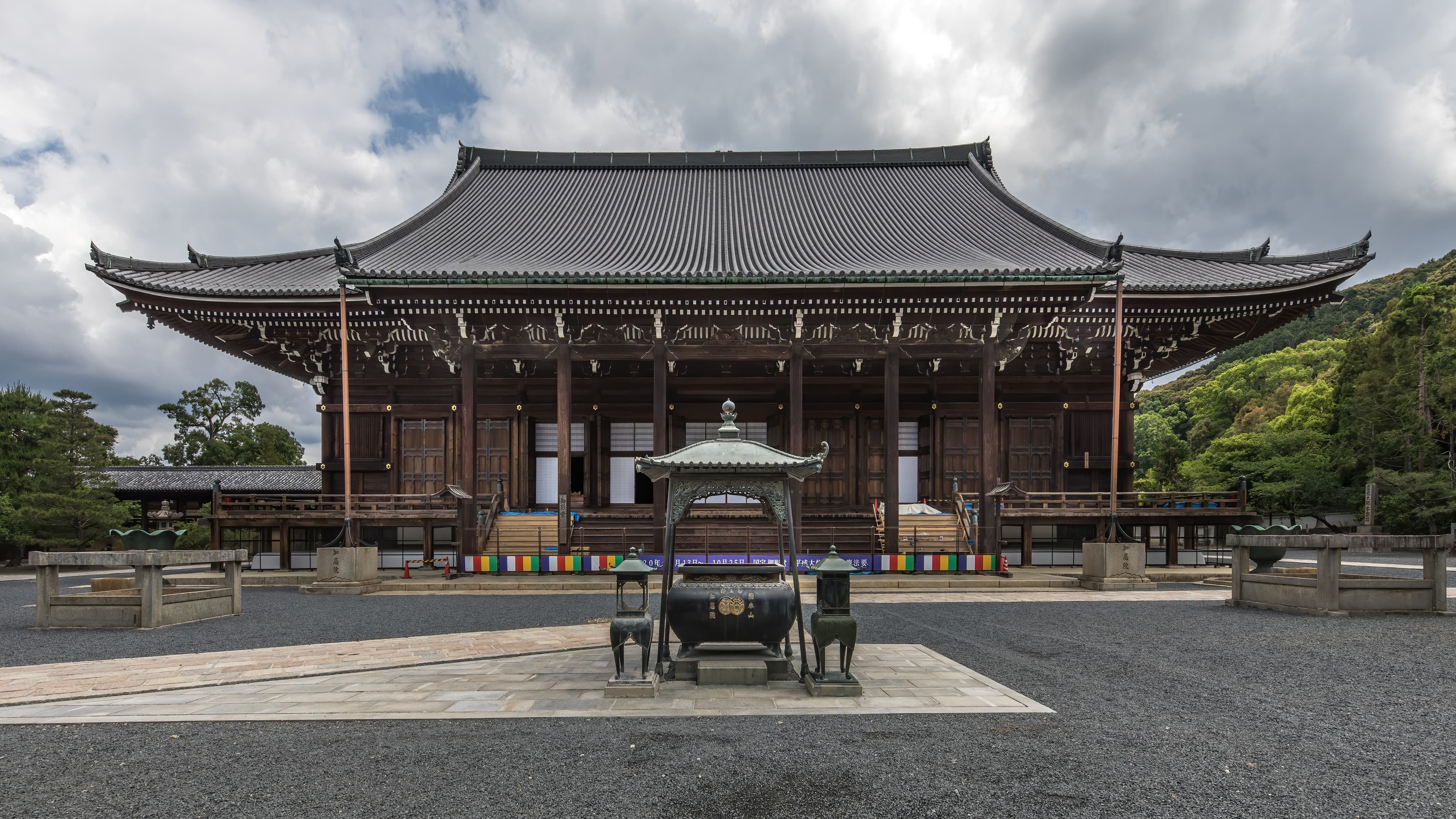
Chion-in Temple
知恩院 · Kyoto, Kyoto
Kyoto's Jōdo-shū headquarters, where a free visit to Hōnen's hall, a separate garden ticket and an exact Nembutsu practice form one useful route.
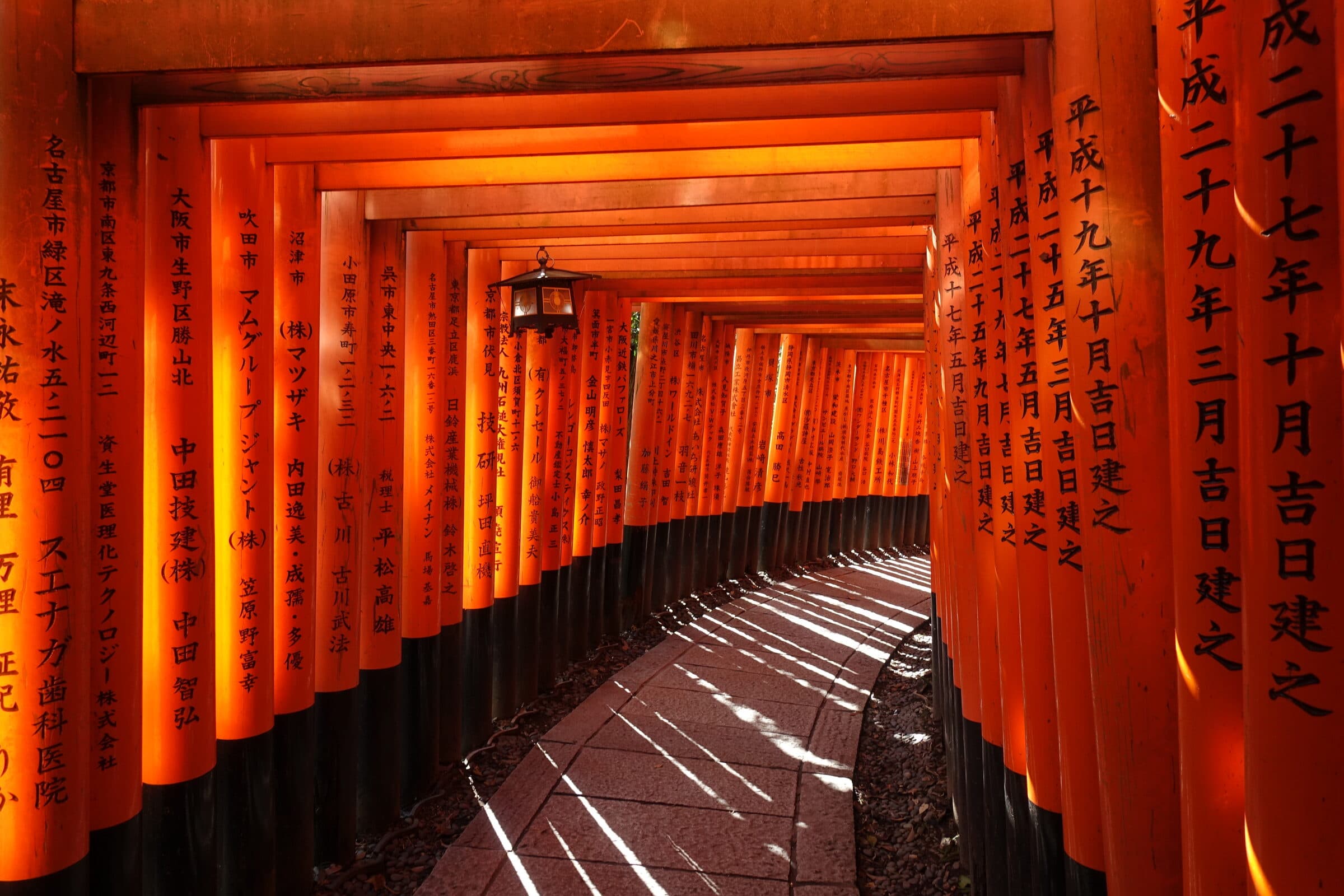
Fushimi Inari Taisha
伏見稲荷大社 · Fushimi, Kyoto
Ten thousand vermilion gates, and every one of them is a receipt — somebody paid for it because something they asked for came true.
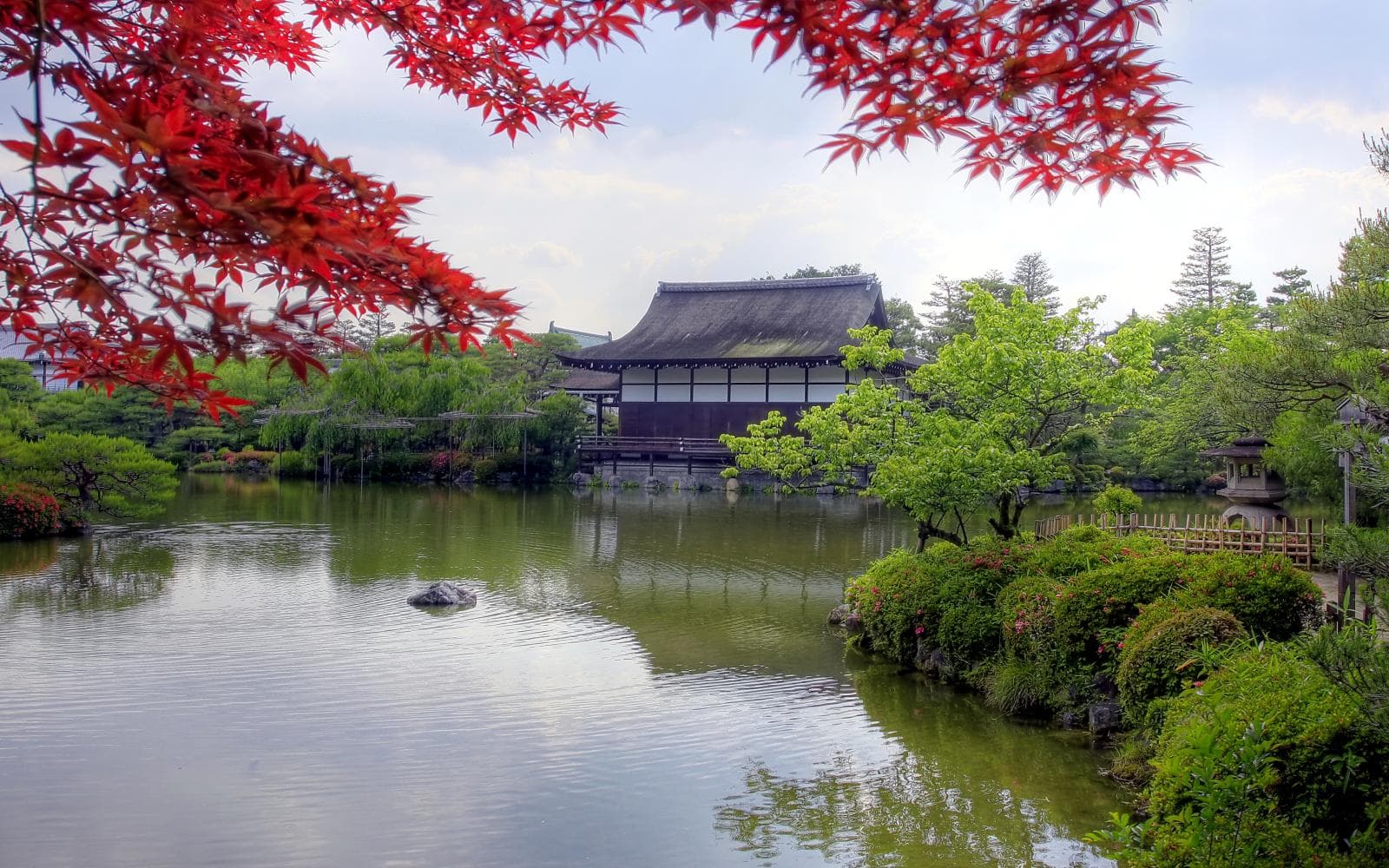
Heian Jingu Shrine
平安神宮 · Kyoto, Kyoto
A 5:8-scale reconstruction of Kyoto's ancient State Hall, where the shrine courtyard is free and the four landscape gardens are a separate visit.
Hie Shrine
日枝神社 · Tokyo, Tokyo
A hilltop shrine in Nagatacho where the stairs, the escalator and the paired sacred monkeys are all part of the visit.